



Eastern Nepal offers incredible diversity for every traveler. You can explore lush tea gardens, alpine lakes, and tall Himalayan peaks. In addition, rich cultural sites make this region truly special.
Many tourists visit Central and Western Nepal first. However, the eastern region provides peaceful and untouched beauty. You will find fewer crowds on these scenic trails. Consequently, you can experience authentic mountain life and local culture.
This guide explores the top holiday destinations in eastern Nepal. You will discover romantic hill stations, sacred pilgrimage sites, and wild jungles. Read on to plan your ideal Himalayan vacation.


Ilam and Kanyam: The Emerald Tea Gardens
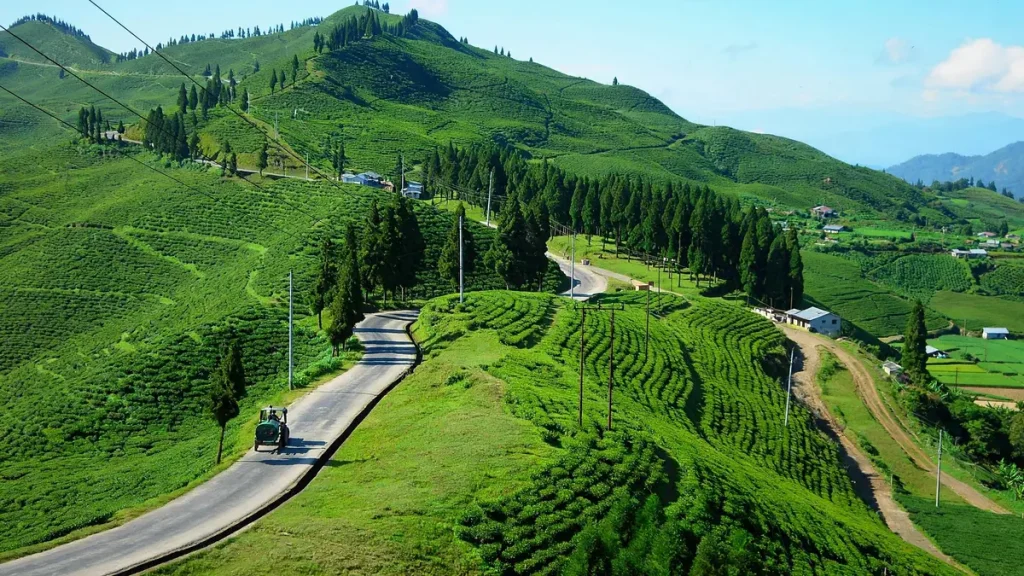
Ilam sits in the rolling hills of eastern Nepal. It is famous for its vast, manicured tea plantations. In fact, Ilam produces some of the finest orthodox tea in Asia.
Kanyam Tea Estate
Kanyam is the most famous tea garden in the district. Visitors love strolling through the emerald slopes. Furthermore, horse riding through the tea paths is a popular family activity.
You can rent traditional dress for photo shoots among the tea leaves. Additionally, local shops sell fresh tea, homemade cheese, and local spices.
Shree Antu
Shree Antu is a serene hill station located near the border. It is celebrated for its breathtaking sunrise views. Early in the morning, the sun illuminates Mount Kanchenjunga.
As a result, the snow-capped peaks turn bright gold and orange. Cozy homestays here offer warm hospitality and traditional organic meals.
Mai Pokhari
Mai Pokhari is a sacred wetland surrounded by dense pine forests. Nine ponds form this quiet, holy site. Moreover, it serves as a critical habitat for rare orchids and amphibians.
Pilgrims visit the lake during major festivals to pray. Therefore, Mai Pokhari satisfies both nature lovers and spiritual seekers.
Dharan and Bhedetar: Culture Meets Foggy Hills
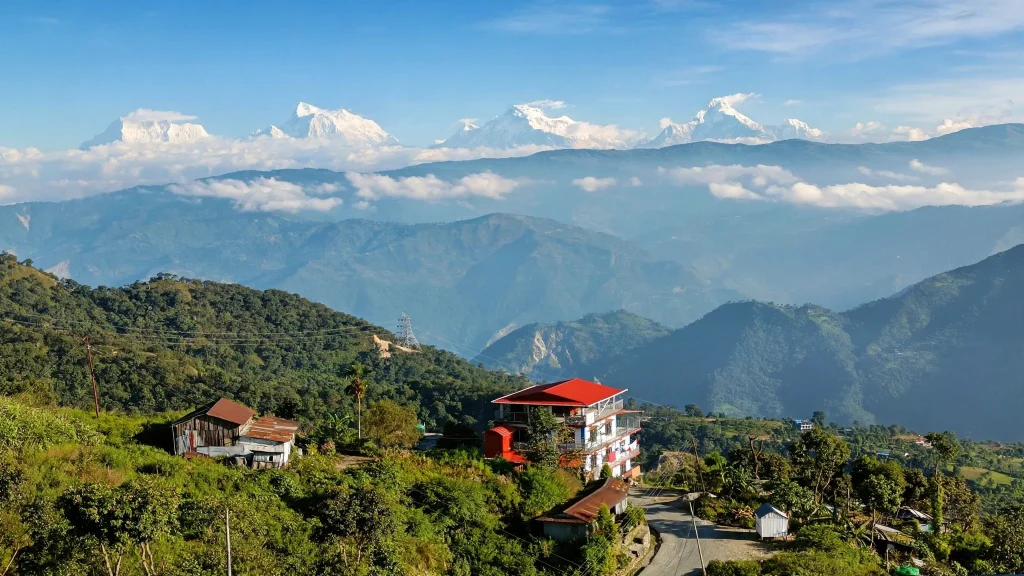
Dharan is a vibrant commercial hub in Sunsari district. It combines rich ethnic traditions with modern city life.
Bhedetar Hill Station
Bhedetar lies just a short drive above Dharan. It rests at an altitude of 1,420 meters. The weather here changes rapidly within minutes. Thick fog frequently covers the hills and creates a mystical atmosphere.
Charles Point offers wide views of the Terai plains and northern mountains. Furthermore, adventure enthusiasts can try ziplining and paragliding here.
Namaste Jharana
Namaste Jharana is a popular waterfall near Bhedetar. Water falls dramatically down a tall rock face. The cool mist provides relief on warm afternoons.
A short nature hike leads visitors directly to the natural pool. Consequently, it remains a favorite spot for picnics and photography.
Sacred Temples of Dharan Dharan hosts several historic Hindu temples. Budha Subba Temple is famous for its headless bamboo trees. Dantakali Temple marks the place where Sati Devi’s teeth fell.
In addition, Pindeshwor Temple features a perpetual holy flame. These temples attract thousands of devotees throughout the year.
Sagarmatha National Park and the Everest Region
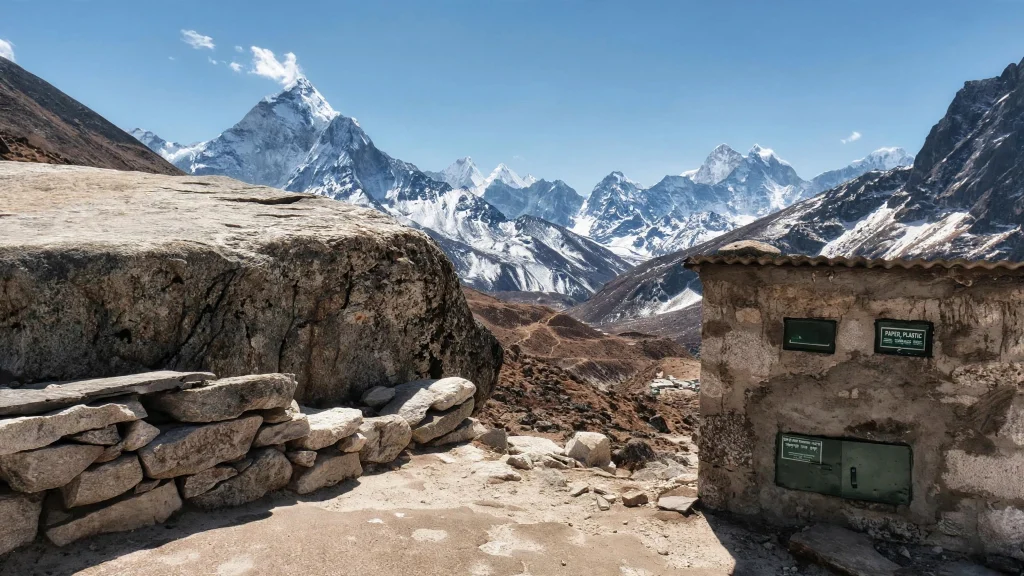
The Everest region stands out among the top holiday destinations in eastern Nepal. It is home to Mount Everest, the world’s tallest peak.
Namche Bazaar and Everest Base Camp
Namche Bazaar is the buzzing gateway to the high Himalayas. This Sherpa town features cozy bakeries, gear shops, and lodges. From Namche, trekkers head toward Everest Base Camp.
The trail winds through pine forests and suspension bridges. Along the way, you witness incredible Himalayan landscapes.
Gokyo Lakes
The Gokyo Valley contains six turquoise glacial lakes. They are among the highest freshwater lake systems on Earth. Climbing Gokyo Ri delivers a sweeping view of four 8,000-meter peaks.
Therefore, Gokyo offers a magnificent alternative to the main base camp trail.
Tengboche Monastery
Tengboche Monastery is the cultural heart of the Khumbu region. It rests on a ridge with views of Ama Dablam. Monk chants echo across the valley during morning prayers.
Additionally, helicopter tours offer easy access for travelers with limited time.
Kanchenjunga Base Camp: Wilderness Trekking
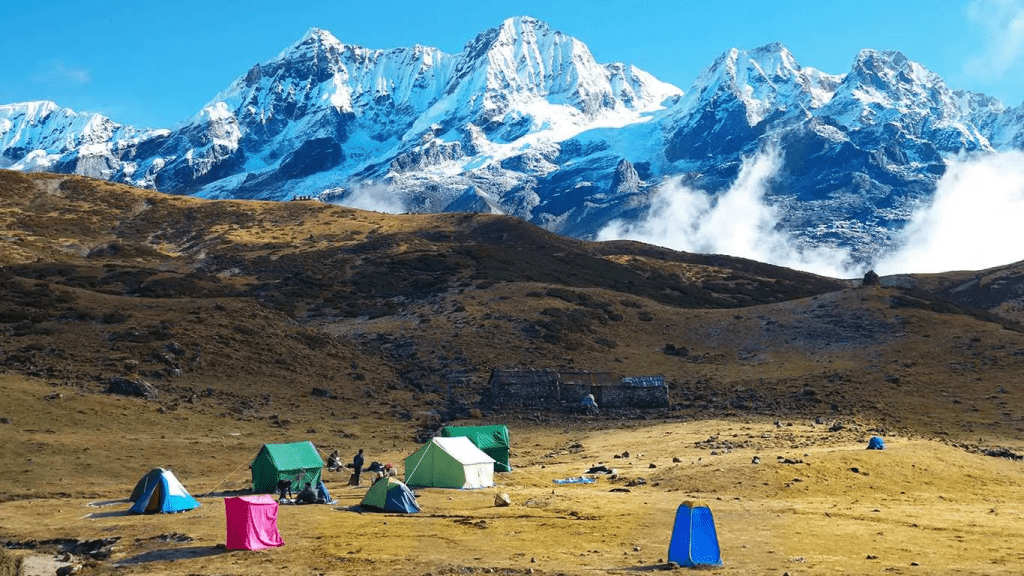
Mount Kanchenjunga is the third-highest mountain on the planet. It borders Nepal and Sikkim in India.
The trek to Kanchenjunga Base Camp is rugged and remote. Unlike crowded routes, these paths see very few hikers each year. You walk through dense rhododendron wilderness and alpine meadows.
Moreover, you visit authentic Limbu and Rai villages along the way. This sanctuary protects blue sheep, snow leopards, and red pandas. Thus, it appeals to hardcore trekkers seeking true solitude.
Koshi Tappu Wildlife Reserve: Birdwatching Paradise
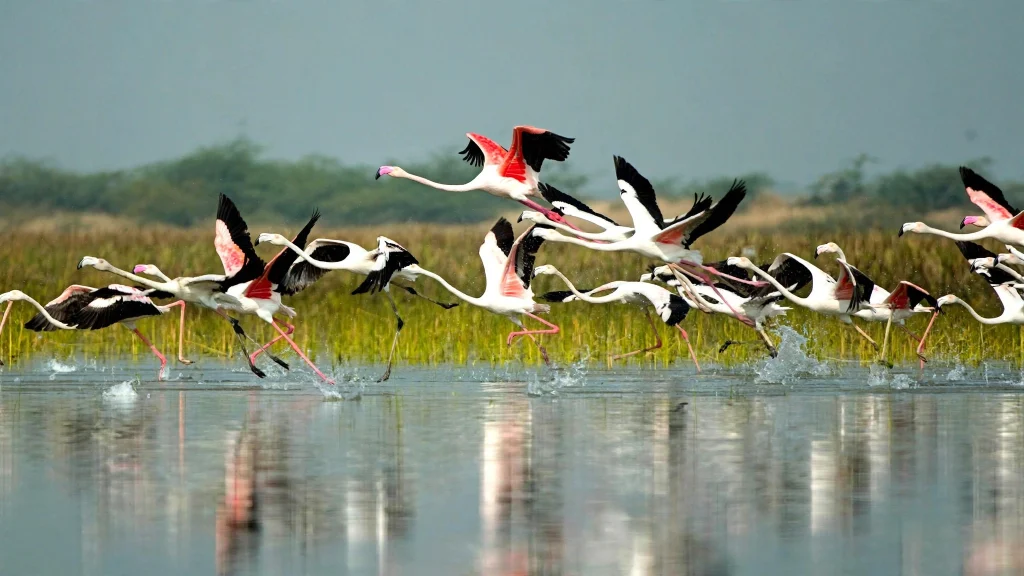
Koshi Tappu sits on the floodplain of the Sapta Koshi River. It covers a rich expanse of wetlands, marshes, and grasslands.
Wild Water Buffaloes
This reserve protects the last remaining population of wild water buffalo (Arna) in Nepal. You can spot these large animals grazing across open grasslands. Jungle safaris on foot or by jeep get you close to wildlife safely.
Migratory Birds
Koshi Tappu is famous worldwide as a birding haven. Over 500 species of birds gather here during winter months. Migratory flocks fly in from Siberia and Tibet.
For example, storks, ducks, and eagles fill the skies. Boat rides along the river offer prime bird watching opportunities.
Pathibhara Devi Temple: A Sacred Mountain Shrine
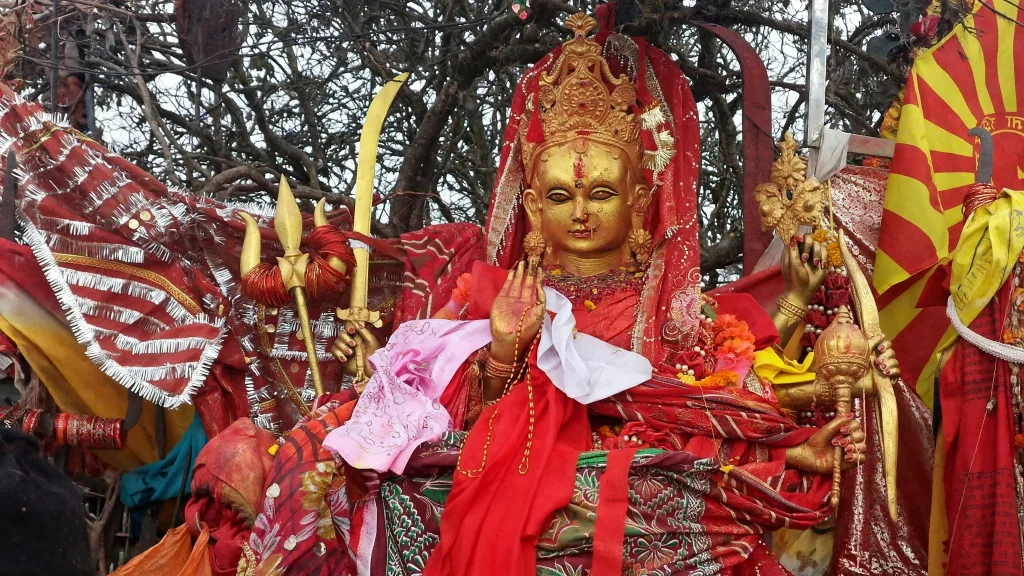
Pathibhara Devi Temple rests at 3,794 meters in Taplejung. It is one of the most revered pilgrimage destinations in Nepal.
Hindus, Buddhists, and Kirats worship together at this mountain shrine. Devotees believe the Goddess fulfills all sincere wishes. The trail passes through mountain ridge-lines and rhododendron forests.
Furthermore, clear days offer sweeping views of the Kanchenjunga range. The combination of spiritual energy and natural grandeur creates a memorable pilgrimage.
Makalu Barun National Park: Deep Valleys and Biodiversity
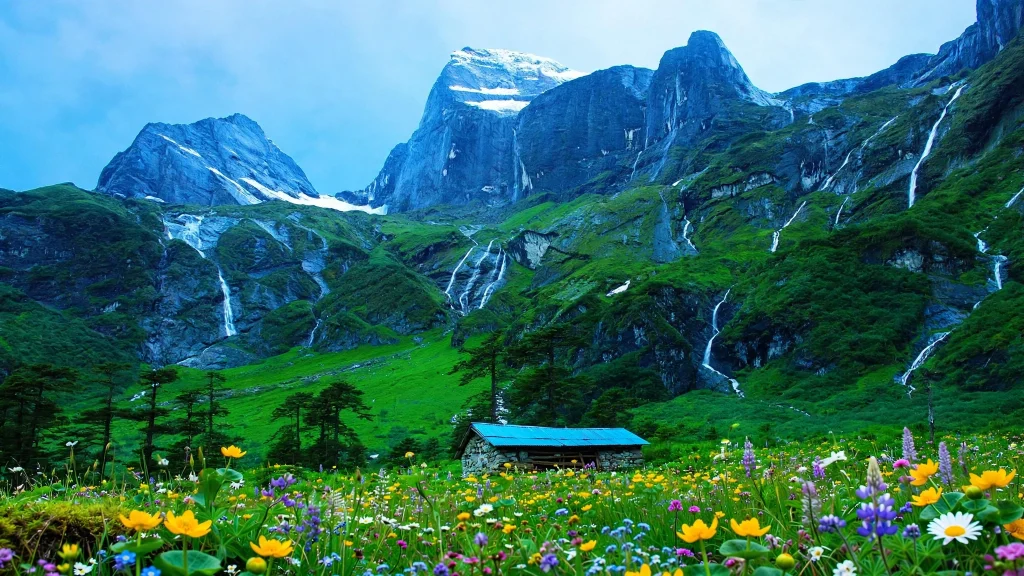
Makalu Barun National Park is a massive protected area. It surrounds Mount Makalu, the fifth-highest mountain in the world.
The park features drastic altitude changes. Tropical forests rise to frozen glaciers within a short geographical distance.
The Barun Valley
The Barun Valley is a pristine, uninhabited sanctuary. High waterfalls cascade down steep granite cliffs. Dense forests shelter rare plants, red pandas, and snow leopards.
Because the trails are steep and remote, proper camping preparation is required. Adventure lovers consider this trek an extraordinary wilderness experience.
Tinjure-Milke-Jaljale (TMJ): Capital of Rhododendrons
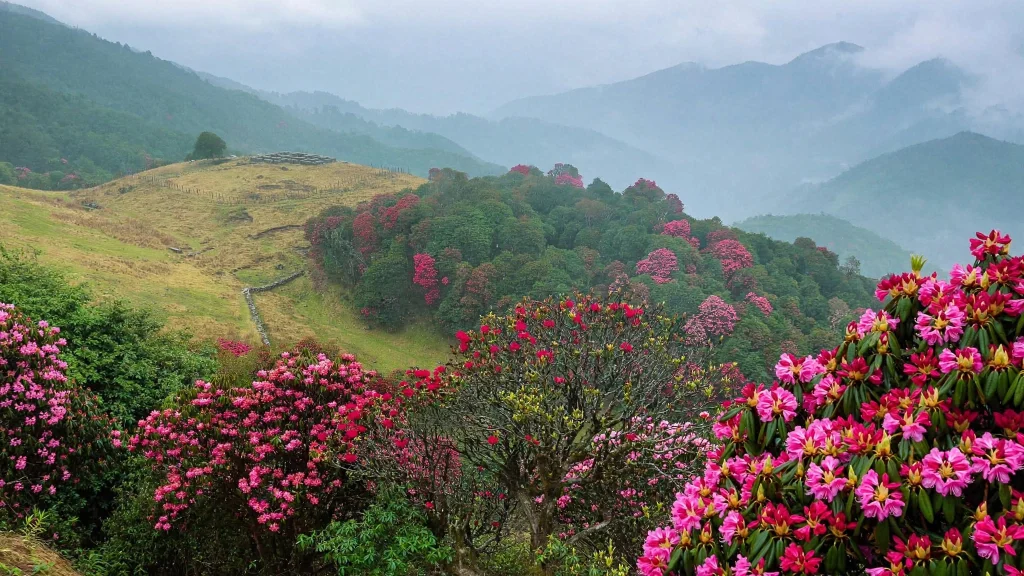
Tinjure-Milke-Jaljale (TMJ) spans three districts in eastern Nepal. It connects Tehrathum, Sankhuwasabha, and Taplejung.
This high ridge is known as the Rhododendron Capital of Nepal. Over 30 different species of rhododendron flower here during spring. As a result, whole hillsides turn brilliant shades of red, pink, and white.
Nearby sits Hyatung Waterfall, the highest waterfall in Nepal. Furthermore, ridge viewpoints deliver clear panoramas of Everest and Makalu.
Halesi Mahadev Cave: Sacred Cave Shrine
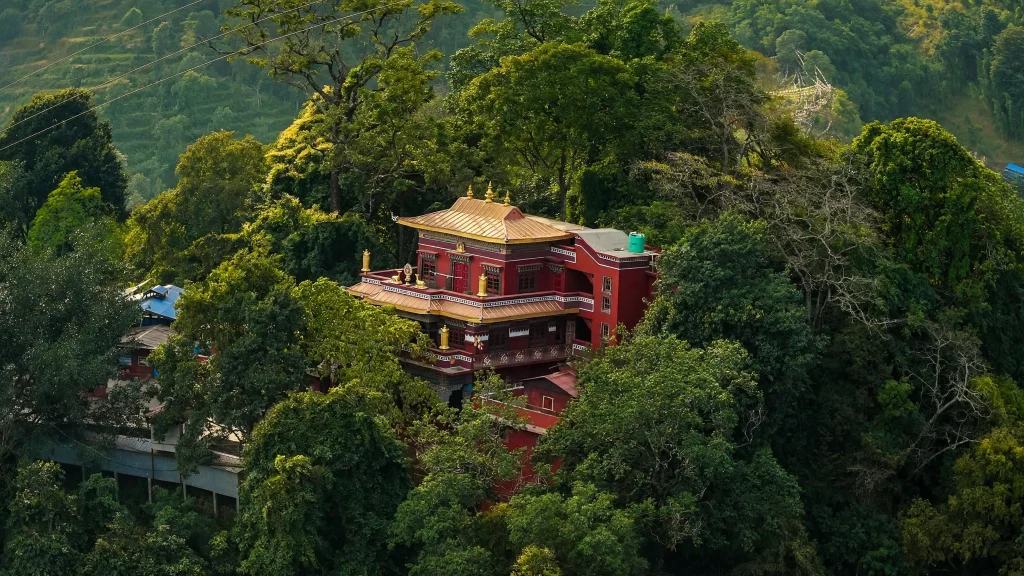
Halesi Mahadev is located in Khotang district. People often call it the Pashupatinath of Eastern Nepal.
The temple sits inside a natural limestone cave system. It holds immense significance for three religions.
- Hindus worship the stalagmites as Lord Shiva.
- Buddhists associate the cave with Guru Rinpoche (Padmasambhava).
- Kirats consider the cave a sacred ancestral landmark.
The cave features unique rock formations and open sky openings. Visiting Halesi is a deeply atmospheric cultural experience.
Pattale: Panoramic Everest Vistas
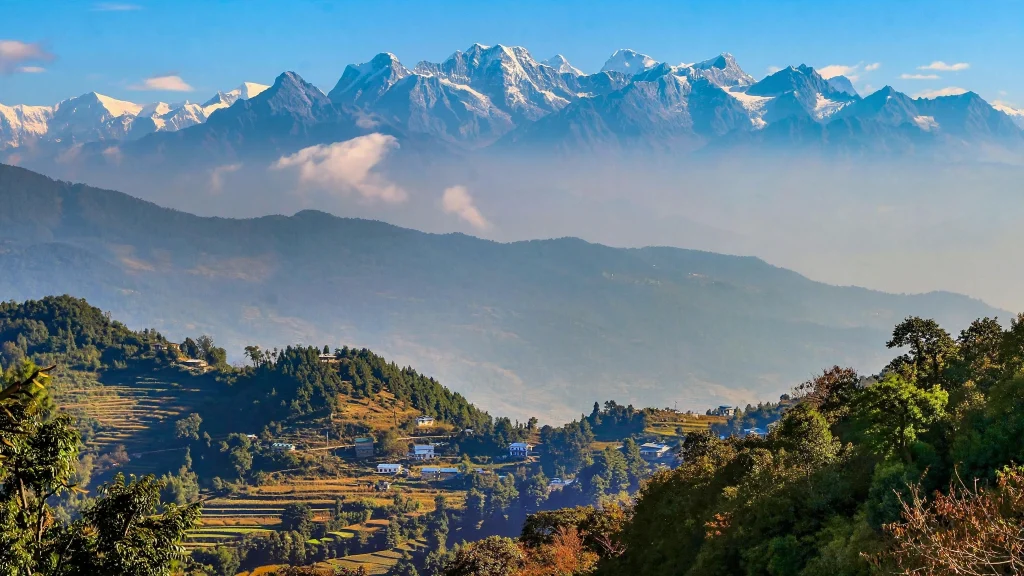
Pattale sits on the border of Okhaldhunga and Solukhumbu. It rests at an elevation of 2,800 meters.
This village offers one of the best accessible views of Mount Everest. You do not need days of difficult trekking to see high peaks. A direct road connects Pattale to Kathmandu.
In spring, bright rhododendron blooms decorate the slopes. In winter, fresh snowfall covers the countryside. Therefore, Pattale is an ideal getaway for families and budget travelers.
Summary of Top Eastern Nepal Destinations
- Ilam & Kanyam (District: Ilam)
Primary Attraction: Rolling tea plantations and sunrise views. Best For: Families, couples, and nature lovers. - Bhedetar & Dharan (District: Sunsari)
Primary Attraction: Foggy viewpoints, temples, and waterfalls. Best For: Weekend getaways and light adventure. - Sagarmatha National Park (District: Solukhumbu)
Primary Attraction: Mount Everest and Gokyo Lakes. Best For: High-altitude trekking and alpine scenery. - Kanchenjunga Base Camp (District: Taplejung)
Primary Attraction: Wild trails and authentic ethnic villages. Best For: Remote trekking and solitude. - Koshi Tappu Wildlife Reserve (District: Sunsari)
Primary Attraction: Wild water buffaloes and migratory birds. Best For: Wildlife safaris and birdwatching. - Pathibhara Devi Temple (District: Taplejung)
Primary Attraction: Sacred hill temple with high peak views. Best For: Spiritual pilgrimage. - TMJ Region (District: Tehrathum)
Primary Attraction: Over 30 blooming rhododendron species. Best For: Spring flower treks. - Halesi Mahadev Cave (District: Khotang)
Primary Attraction: Sacred natural limestone cave shrine. Best For: Cultural exploration. - Pattale (District: Okhaldhunga)
Primary Attraction: Accessible views of Everest and winter snow. Best For: Short trips and family holidays.
Practical Travel Tips for Eastern Nepal
Planning a trip requires some practical preparation. Keep these travel tips in mind for a smooth journey:
Best Time to Visit Spring (March to May) and Autumn (September to November) offer the best weather. Spring brings colorful flowers across the hills. Meanwhile, autumn provides clear skies and crisp mountain views.
Transportation Options Regional airports in Biratnagar, Bhadrapur, and Suketar link the region to Kathmandu. In addition, the Mechi Highway connects southern plains to northern hill towns. Jeeps are the best vehicle choice for rugged mountain roads.
Accommodation Choices Major cities like Biratnagar and Dharan offer modern hotel amenities. Mountain areas feature cozy tea houses and village homestays. Staying in homestays supports local community tourism directly.
Frequently Asked Questions (FAQ)
What are the top holiday destinations in eastern Nepal for families?
Ilam, Kanyam, Bhedetar, and Pattale are ideal for family trips. They offer paved roads, gentle activities, comfortable stays, and scenic views without intense trekking.
How do I travel from Kathmandu to eastern Nepal?
You can take a short domestic flight to Biratnagar or Bhadrapur. Alternatively, long-distance buses and private jeeps travel daily along the mid-hill highways.
Do I need permits to trek in eastern Nepal?
Yes, high-altitude trekking areas require permits. For example, Sagarmatha National Park requires entry permits and a TIMS card. Restricted areas like Kanchenjunga require special group permits and registered guides.
Which destination is best for birdwatching in eastern Nepal?
Koshi Tappu Wildlife Reserve is the top spot for birdwatching. It hosts over 500 species of resident and migratory birds each winter.
When is the best season to see blooming rhododendrons?
Spring (March through April) is the ideal season. The Tinjure-Milke-Jaljale ridge displays over 30 blooming rhododendron species.
Plan Your Eastern Nepal Adventure
The top holiday destinations in eastern Nepal deliver unforgettable memories. You can sip fresh tea in Ilam, spot wildlife in Koshi Tappu, or gaze at Mount Everest.
Furthermore, warm local hospitality awaits you everywhere. Pack your bags and explore these hidden treasures of eastern Nepal today!


