



Are you dreaming of snow-capped peaks and ancient monasteries? Do you want an authentic Himalayan adventure without extreme altitudes? The Helambu Himalayan Trail is the perfect answer.
Tucked away in the beautiful Langtang region, this trail offers a remarkable journey. It combines rich cultural immersion with pristine mountain views. Best of all, it sits right on Kathmandu’s doorstep.
This comprehensive guide covers everything you need to know about trekking Helambu. Let’s dive into this hidden gem of Nepal.


What is the Helambu Himalayan Trail?
The Helambu Himalayan Trail is a classic, lower-altitude trekking circuit in Nepal. It winds through the Helambu valley, home to the indigenous Yolmo (Sherpa) people.
Unlike the crowded trails of Everest or Annapurna, Helambu offers peace and quiet. The trail leads you through dense rhododendron forests, green terraced fields, and mist-covered ridges.
It is widely considered one of the most accessible treks in the country. This makes it ideal for beginners, families, and solo travelers alike.
Why Choose the Helambu Trek?
Many hikers overlook Helambu for bigger names. However, this trail holds unique advantages that make it unforgettable.
- Proximity to Kathmandu: You do not need to take expensive or weather-dependent domestic flights.
- Low Altitude Sickness Risk: The trail stays mostly under 3,600 meters. This keeps the risk of altitude sickness very low.
- Rich Cultural Experience: You will walk through authentic villages unchanged by mass tourism.
- Stunning Mountain Vistas: Enjoy clear views of Langtang Lirung, Dorje Lakpa, and Gaurishankar.
- Flexible Itineraries: The trek can easily be shortened or extended to fit your schedule.
Key Trek Facts at a Glance
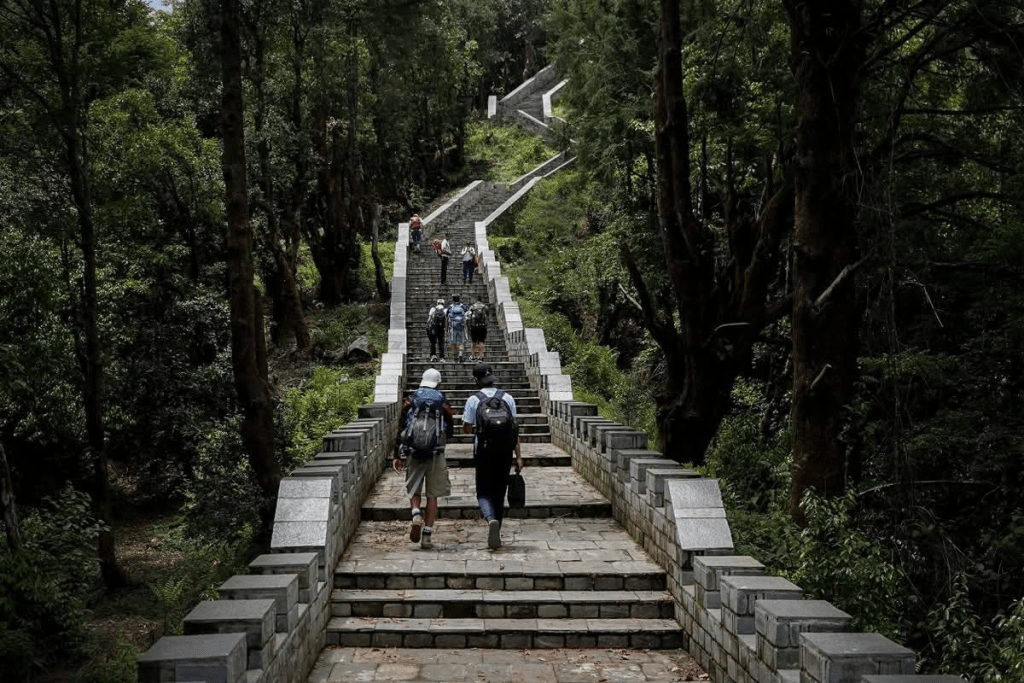
Before lace-up your boots, here are the essential quick facts for your journey.
- Total Trekking Distance: Approximately 70 to 80 kilometers (43 to 50 miles).
- Trek Duration: 5 to 7 days, depending on your pace and route.
- Maximum Elevation: 3,650 meters (11,975 feet) at Tharepati Pass.
- Difficulty Level: Easy to Moderate.
- Accommodation Type: Traditional local teahouses and cozy homestays.
- Required Permits: Langtang National Park Permit and a TIMS Card.
Distance and Accessibility from Kathmandu
One major highlight of the Helambu trek is how easy it is to reach. Your journey starts almost immediately after leaving the capital city.
Getting to the Trailhead
The most popular starting point for the trek is Sundarijal. Sundarijal sits just 15 kilometers northeast of central Kathmandu.
You can easily catch a local bus or hire a private jeep. The drive takes roughly 1 to 1.5 hours. The road winds upward, quickly leaving the noisy city behind.
Returning to the Capital
The classic trek ends at Melamchi Pul Bazaar or nearby Sermathang. This area is located about 80 kilometers from Kathmandu.
The drive back to the capital takes between 3.5 to 5 hours. The duration depends heavily on seasonal road conditions. Private jeeps offer the most comfortable ride on these bumpy mountain roads.
The Ultimate 6-Day Helambu Itinerary
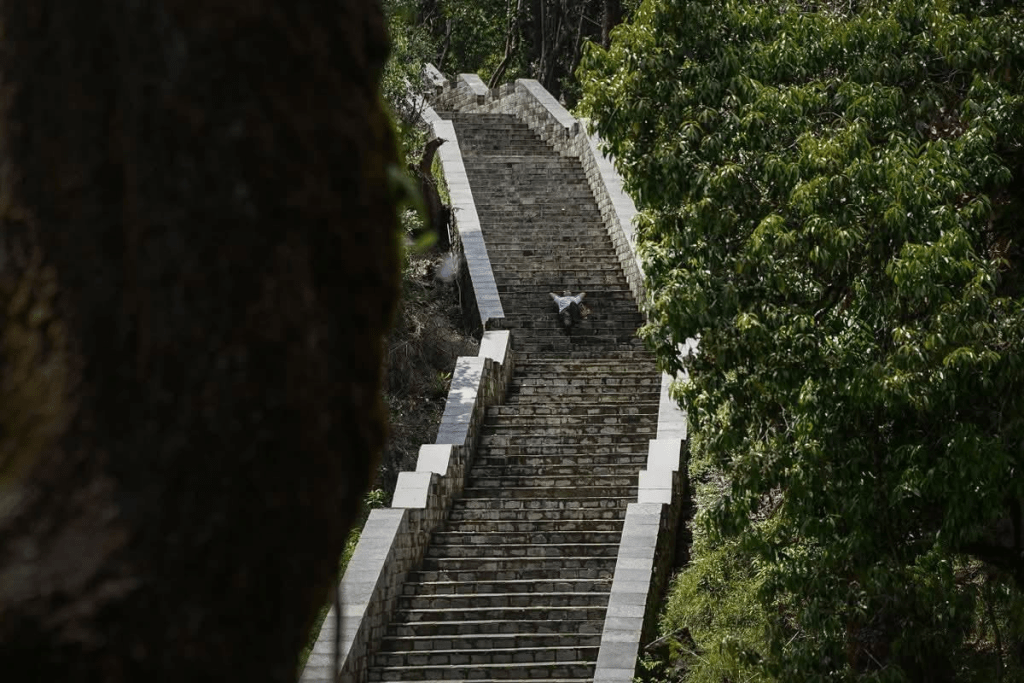
This classic 6-day loop offers a well-paced journey through the heart of the region.
Kathmandu -> Sundarijal -> Chisapani -> Kutumsang -> Tharepati -> Tarke Ghyang -> Sermathang -> Melamchi Pul -> Kathmandu
Day 1: Kathmandu to Sundarijal, Trek to Chisapani
- Distance: 11 km
- Walking Time: 4–5 hours
- Max Elevation: 2,215 meters
Your adventure begins with a short drive to Sundarijal. From here, you enter the lush Shivapuri Nagarjun National Park.
The trail starts with a large flight of stone stairs. You will hike past massive water pipes and beautiful, rushing waterfalls.
The path climbs steadily through dense oak and pine forests. Soon, you will reach the small, ridge-top settlement of Chisapani. On a clear evening, Chisapani offers spectacular sunset views over the Himalaya.
Day 2: Chisapani to Kutumsang
- Distance: 17 km
- Walking Time: 6–7 hours
- Max Elevation: 2,470 meters
Wake up early for a beautiful sunrise over the snow peaks. Today is a longer walking day with varied terrain.
The trail drops down into green valley meadows and past local farms. You will pass through the charming village of Gul Bhanjyang.
After lunch, the trail climbs back up along a scenic ridge. You will finish the day in Kutumsang, a peaceful village with warm hospitality.
Day 3: Kutumsang to Tharepati
- Distance: 12 km
- Walking Time: 5–6 hours
- Max Elevation: 3,650 meters
Today features the most significant climb of the entire trek. You will ascend over 1,000 vertical meters.
The path leads through magical, moss-covered rhododendron forests. In springtime, these trees bloom with vibrant red and pink flowers.
As you climb higher, the air grows noticeably cooler. Keep an eye out for local wildlife like deer and exotic birds.
Your destination is Tharepati, a windy ridge station. This is the highest sleeping point on the standard route.
Day 4: Tharepati to Tarke Ghyang
- Distance: 14 km
- Walking Time: 5–6 hours
- Max Elevation: 3,650 meters (drops to 2,590 meters)
Enjoy the breathtaking morning panorama from the Tharepati viewpoint. You can see a massive wall of Himalayan peaks stretching across the horizon.
Next, the trail makes a steep, knee-burning descent toward the Melamchi River. You will walk through bamboo groves and cross a suspension bridge.
From the river, a gradual climb leads into Tarke Ghyang. This is the largest and oldest Yolmo village in the region. Take time to visit its historic Buddhist monastery.
Day 5: Tarke Ghyang to Sermathang
- Distance: 11 km
- Walking Time: 4–5 hours
- Max Elevation: 2,610 meters
This is an easier, highly enjoyable day of walking. The trail follows a relatively flat, wide dirt path along the hillside.
You will pass glittering chortens, mani walls, and pristine streams. The open views of the lower valleys are spectacular.
You will arrive in Sermathang by early afternoon. This village is famous for its apple orchards and traditional stone houses. Explore the local culture and chat with the friendly residents.
Day 6: Sermathang to Melamchi Pul Bazaar, Drive to Kathmandu
- Distance: 9 km
- Walking Time: 3 hours (plus a 4-hour drive)
- Max Elevation: 2,610 meters (drops to 840 meters)
Your final trekking day is a steady downhill walk. You will descend through lush fields to the bustling town of Melamchi Pul Bazaar.
This marks the official end of your foot journey. Celebrate your achievement with a fresh local meal. Finally, hop into a jeep or bus for the scenic drive back to Kathmandu.
Best Time to Visit the Helambu Region
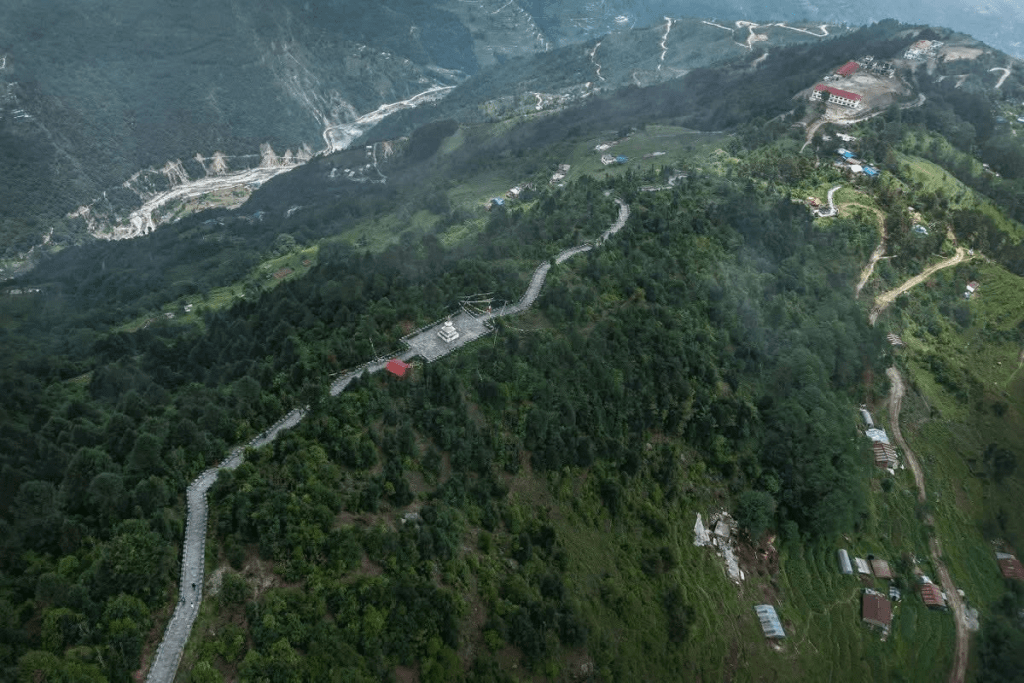
Timing your trek perfectly ensures the best views and most comfortable walking conditions. Nepal has four distinct seasons.
Autumn (September to November) – Peak Season
This is the absolute best time to trek the Helambu trail. The monsoon rains leave the air perfectly clean.
You can expect crisp blue skies and completely unobstructed mountain views. Daytime temperatures are mild and ideal for hiking.
Autumn also plays host to Nepal’s biggest festivals, Dashain and Tihar. Traveling now adds a rich cultural layer to your journey.
Spring (March to May) – Peak Season
Spring is a magical time to explore Helambu. The weather is warm, and the days are longer.
The primary highlight of spring is the blooming flora. Entire mountainsides turn bright red, pink, and white with rhododendrons.
Wild orchids and pine forests fill the air with fresh scents. It is also the best season for avid bird watchers.
Winter (December to February) – Off-Peak
Winter brings very cold nights, especially at higher stops like Tharepati. However, the daytime skies are often completely clear and sunny.
The trails are incredibly quiet during these months. You will have the teahouses and viewpoints all to yourself. Light snow may fall at higher elevations, creating a winter wonderland.
Monsoon (June to August) – Low Season
Trekking is generally not recommended during the summer monsoon. Heavy rains create muddy, slippery paths.
Landslides can block roads and trails frequently. Leeches are common in the dense wet forests. Additionally, heavy cloud cover usually hides the beautiful mountain views.
Altitude, Safety, and Acclimatization
Safety should always come first when trekking in the Himalayas. Fortunately, Helambu is a very safe option.
Maximum Altitude
The standard trail peaks at Tharepati Pass (3,650 meters). If you feel adventurous, you can add an extension to Ama Yangri Peak. Ama Yangri reaches an elevation of 3,771 meters.
Compared to treks like Thorong La Pass (5,416m), Helambu stays quite low.
Managing Altitude Sickness
Because the ascent is gradual, Acute Mountain Sickness (AMS) is rare here. Your body has ample time to adapt to the changing elevation.
However, you should still follow basic mountain safety rules:
- Drink at least 3 to 4 liters of water daily.
- Walk at a slow, steady pace. Do not rush.
- Avoid alcohol and sleeping pills at high altitudes.
- Listen to your body. If you feel dizzy or get a severe headache, descend immediately.
The Highlights: What Makes Helambu Special?
The Helambu Himalayan Trail offers a unique bouquet of experiences. Here is what you will remember long after you return home.
1. Authentic Yolmo Culture
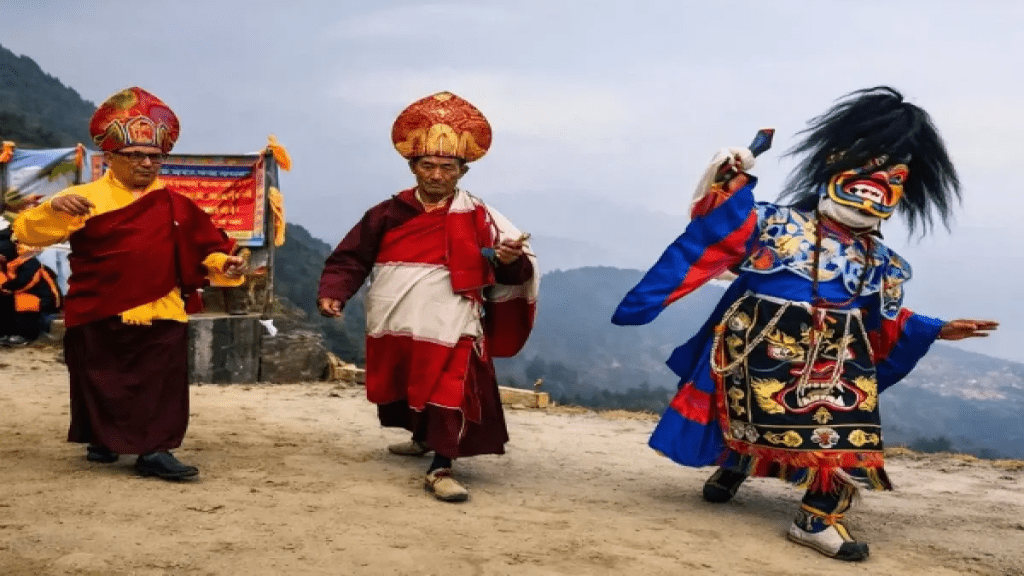
The region is heavily populated by the Yolmo people. Their culture is deeply rooted in Tibetan Buddhism.
Every village greets you with colorful prayer flags fluttering in the wind. You will see ancient mani walls engraved with sacred mantras. The local architecture features beautiful, hand-cut stone houses with wooden carvings.
2. Uncrowded Wilderness Paths
Popular routes like the Annapurna Circuit can feel crowded. Helambu remains peaceful and isolated.
You can walk for hours through serene forests without seeing other tourists. It offers a profound sense of solitude and connection with nature.
3. Pristine Ecosystems
Because the path crosses two national parks, nature thrives here. You will walk through ancient forests of oak, pine, and giant bamboo.
The area is a sanctuary for endangered species. If you are lucky, you might spot a rare Red Panda or a Himalayan Tahr.
Accommodations and Food on the Trail
You do not need to carry heavy camping gear on this trek. Helambu is a well-established “teahouse trek.”
Teahouse Accommodations
Teahouses are small, family-run mountain lodges. They provide simple twin-sharing rooms with wooden beds, mattresses, and blankets.
Bathrooms are usually shared. Hot showers are available at most lower-altitude teahouses, sometimes for a small fee.
The dining room is the heart of the teahouse. It is typically heated by a central wood stove, making it a cozy place to relax.
Food and Drink Options
The food served in Helambu is fresh, hearty, and comforting. Menus have grown to include a surprising variety of dishes.
- Dal Bhat: This traditional meal of rice, lentil soup, and vegetable curry is served everywhere. It is nutritious, filling, and comes with free refills.
- Tibetan Cuisine: Try authentic local dishes like Thukpa (noodle soup), Momo (dumplings), and Tsampa.
- Western Options: Many teahouses serve eggs, pancakes, porridge, pasta, and potatoes.
- Beverages: Enjoy hot ginger tea, lemon tea, masala chai, or local Tibetan butter tea.
Required Permits and Logistics
To hike legally and support conservation, you must secure two main permits.
1. Langtang National Park Entry Permit
Most of the trail sits inside Langtang National Park. This permit costs approximately NPR 3,000 (around USD 23) for foreign nationals. You can purchase it at the park entrance gate in Sundarijal.
2. TIMS Card
The Trekkers’ Information Management System (TIMS) card is mandatory for safety tracking. It can be obtained through registered trekking agencies in Kathmandu.
Guide and Porter Guidelines
The Nepal Tourism Board often requires international trekkers to hire a licensed guide in national parks. Hiring a guide is highly recommended regardless.
A local guide ensures you stay on track. They also help you communicate seamlessly with the village locals.
If you prefer to walk light, you can also hire a porter. Porters carry your main backpack, letting you hike comfortably with a light daypack.
Frequently Asked Questions (FAQs)
Can beginners do the Helambu Trek?
Yes. This is one of the absolute best options for beginner trekkers in Nepal. The trails are well-defined, and the altitude climbs gently. A basic level of physical fitness is all you need.
Is there electricity and internet on the trail?
Yes. Most teahouses have electricity generated by solar power or hydro-turbines. You can charge your phone and camera batteries, sometimes for a small fee.
Cellular coverage from Ncell and Nepal Telecom is generally good along mountain ridges. Many teahouses also provide Wi-Fi internet access for a couple of dollars.
What should I pack for the Helambu trek?
Pack light but prepare for changing temperatures. Essential items include:
- Sturdy, broken-in hiking boots.
- A lightweight waterproof jacket and warm fleece layers.
- Moisture-wicking trekking shirts and comfortable pants.
- A warm sleeping bag (highly recommended for winter).
- A water purification method, like drops or a filter pump.
- A basic first-aid kit, sunblock, and a good headlamp.
Is the tap water safe to drink?
No. Never drink untreated tap or river water along the trail. Instead, use water purification tablets, a UV purifier, or a filter pump. Alternatively, you can purchase boiled water from the teahouses.
Final Thoughts: Prepare for Your Adventure
The Helambu Himalayan Trail offers an incredible, authentic glimpse into mountain life. It delivers big Himalayan views without the stress of extreme altitudes or long travel logistics.
Whether you are a seasoned trekker looking for peace, or a beginner starting out, Helambu will captivate your heart. Pack your bags, respect the local culture, and get ready for the journey of a lifetime.


