


Most travelers heading to eastern Nepal make a beeline for Ilam’s tea gardens, snap a few photos, and call the trip done. What they miss sits a little higher up the ridge, at a spot where the first daylight in the country spills over the hills before it reaches almost anywhere else. That place is Shree Antu, a quiet village perched at the eastern edge of Ilam district, and it has quietly become the single best sunrise viewpoint over Mount Kanchenjunga anywhere in Nepal.
Locals call it Antu Danda. Sit on the ridge on a clear October morning and you understand the fuss within about four minutes of the sun clearing the horizon.
Why Shree Antu Is Nepal’s Premier Sunrise Spot
Here is what most guides won’t tell you. Shree Antu gets its reputation not just because the sunrise is beautiful, but because of geography. Sitting at the far eastern rim of Nepal, close to the border with India’s Darjeeling hills, the ridge catches morning light earlier than most of the country. That is why people keep repeating the line about it being one of the first points in Nepal to see the sun.


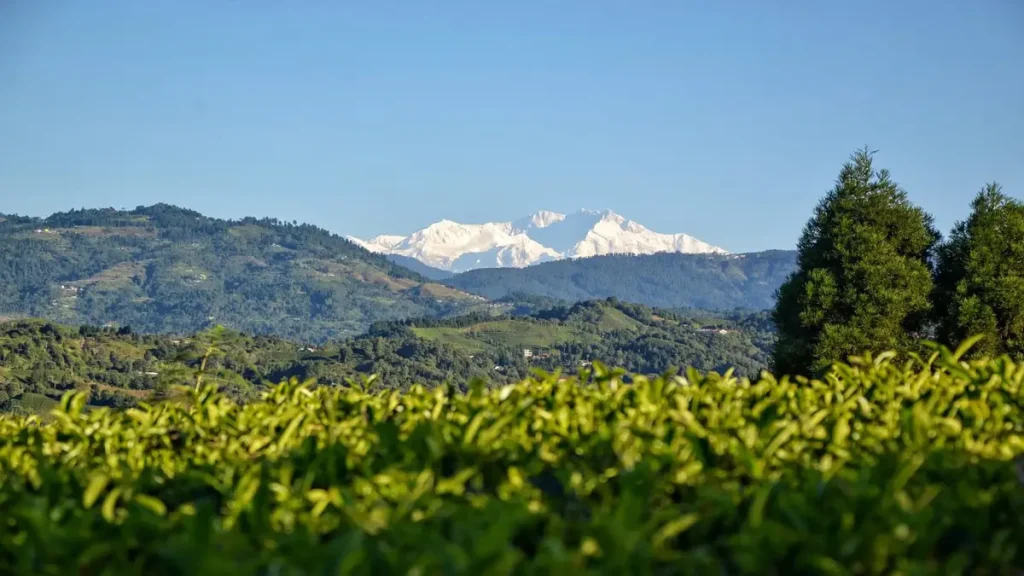
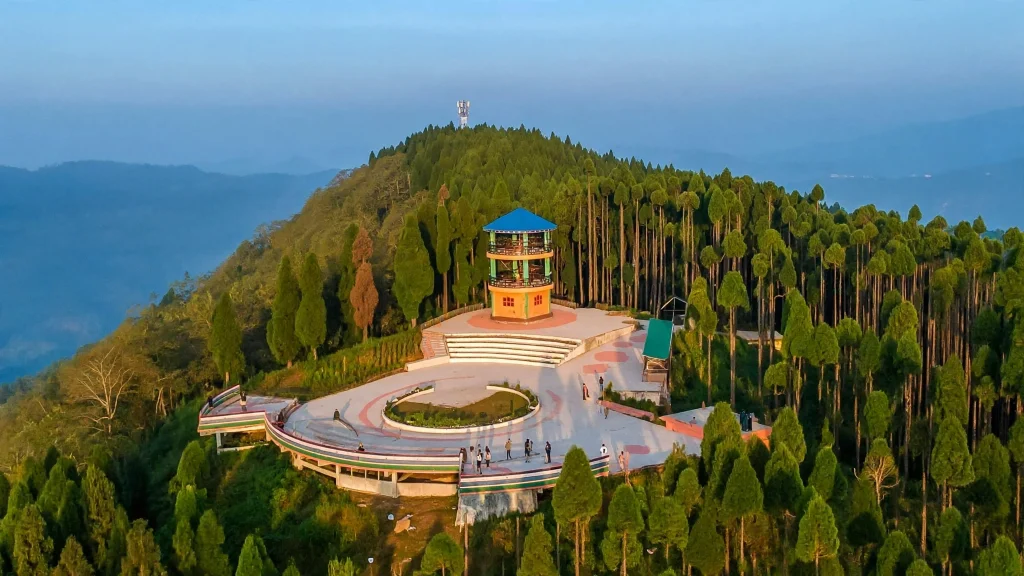
The main viewing platform is the Antu View Tower, built on top of the hill at an altitude of 2,328 meters above sea level. From up there the payoff is Kanchenjunga, the world’s third-highest mountain at 8,586 meters, glowing orange and pink as the day begins. On genuinely clear mornings, usually in autumn and winter, some visitors report catching a distant glimpse of Everest far to the west, though you should treat that as a lucky bonus rather than a guarantee.
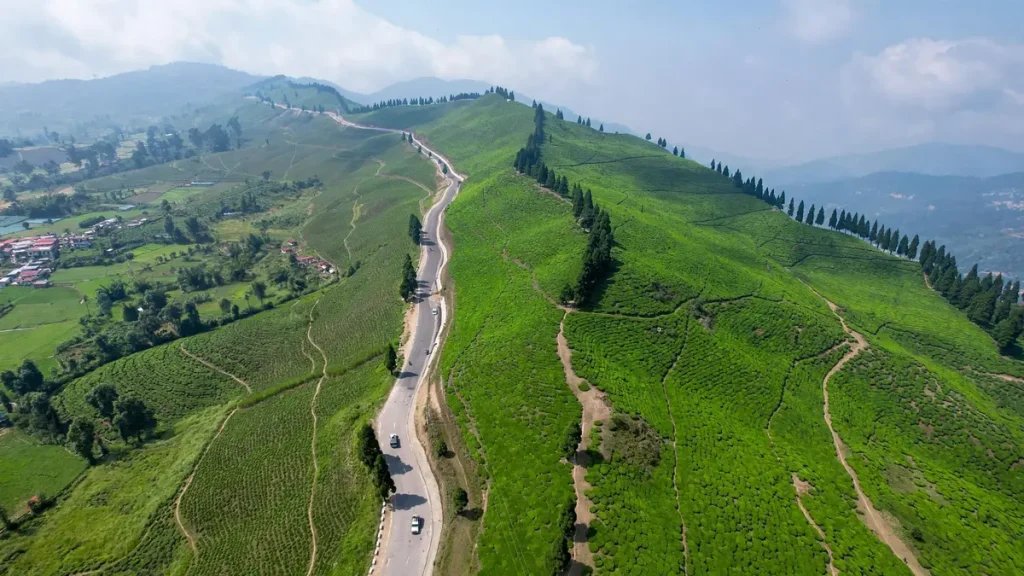
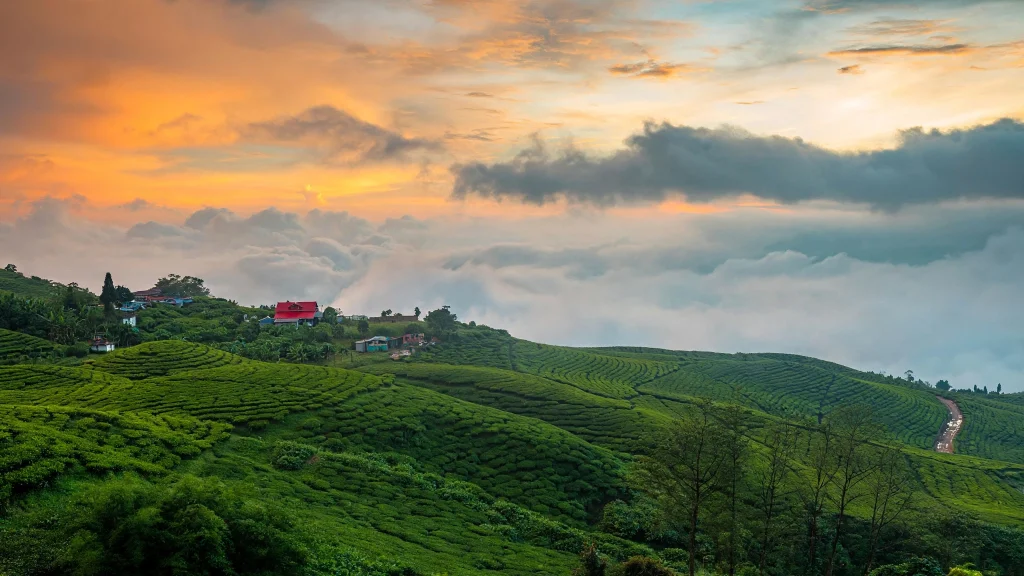
What surprises first-timers is how green everything is below the peaks. Tea gardens roll down the slopes in every direction. Pine forest fills the gaps. The contrast of dark forest, bright tea terraces, and white Himalaya is the reason photographers keep coming back.
Where Exactly Is the Village?
Antu Danda is a village inside Suryodaya Municipality, in Ilam district, part of Koshi Province in Nepal’s far east. As of the 2021 census the wider area counted a population of just over 5,000 people, so this is a small rural community, not a resort town.
The people you meet here come from a real mix of backgrounds. Lepcha, Limbu, Rai, and Tamang families make up much of the local population, and that diversity shows up in the food, the festivals, and the homestays. Staying with a family, rather than in a standard hotel, is genuinely the better call here, and I will come back to why.
How to Get There
Getting to the eastern hills takes some commitment. There is no way around that. You have two realistic routes from Kathmandu.
By Air (the fast way)
Fly from Kathmandu to Bhadrapur airport, which takes roughly one hour. Buddha Air, Yeti Airlines, and other domestic carriers run this route daily. Bhadrapur sits down in the Terai plains, about 59 km from the village, so from the airport you hire a jeep or take local transport up into the hills. Budget two to three hours for the winding drive up, longer in heavy monsoon rain.
By Road (the long way)
A direct bus from Kathmandu to the Ilam area runs somewhere between 13 and 14 hours and costs in the range of 60 to 70 US dollars for the full journey by tourist services. Driving yourself, the trip is closer to seven and a half hours of actual road time from the plains, but the full run up from the capital is a long overland day. Most people break it in Ilam bazaar or Kanyam.
Once you reach the base of the hill, the final approach to the ridge is short. From Antu Pokhari, the small pond near the top, it is only a 20 to 30 minute walk up through forest to the view tower itself.
Best Time to Visit
Timing matters more here than at almost any other viewpoint in Nepal, because the whole appeal depends on a clear sky at dawn. Get the season wrong and you stare at a wall of gray cloud.
- October to March: the sweet spot for mountain views. Skies are clearest, and this is when Kanchenjunga shows up crisp and close at sunrise. Winter mornings are cold, so pack layers.
- Mid-April to mid-November: the window when the tea factories are actually running. If watching tea get processed and buying fresh leaf matters to you, come in this range. Factories mostly shut over deep winter.
- Spring (March to June) and autumn (September to November): the two all-round best seasons, balancing decent views with active tea gardens and comfortable temperatures.
- Monsoon (late June to September): lush and green, but clouds often swallow the peaks. Come for the atmosphere and the tea, not for guaranteed Kanchenjunga.
My honest take: if the sunrise is your one non-negotiable, aim for late October through December. If you care equally about the tea culture, target April or May.
Things to Do in the Area
Sunrise is the headline act, but you can easily fill two or three days here without getting bored.
Antu Pokhari and the View Tower
The small pond called Antu Pokhari, ringed by pine and tea, is a peaceful stop and the launch point for the short climb to the tower. Do the sunrise from the tower, then wander back down for a slow morning by the water.
Tea Gardens and Factory Visits
Ilam is Nepal’s tea country, and this village sits right in the thick of it. You can walk straight into the estates, watch pickers work the terraces, and, in season, tour a factory to see the leaf dried and rolled. The tea here holds its own against anything from across the border in Darjeeling. For a deeper look at the region’s plantations, our guide to Ilam’s tea gardens covers the estates worth visiting.
Day Trips to Kanyam and Fikkal
Kanyam and Fikkal are the big tea-producing hubs nearby, and both make easy half-day outings. Kanyam in particular has become a popular roadside stop with wide open tea fields perfect for a lazy afternoon.
Gajurmukhi Temple
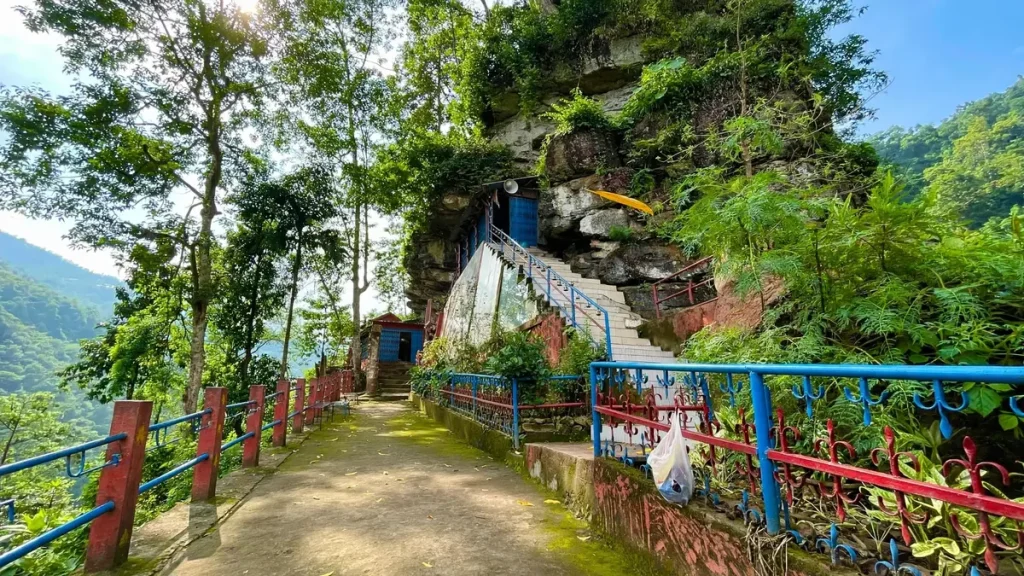
Down toward the west of Ilam bazaar, on the bank of the Deumai River, sits Gajurmukhi, a well-known pilgrimage site in eastern Nepal. It makes a good cultural counterpoint to all the ridge-top scenery.
Nearby Highland Detours
If you have more time and a taste for wilder country, several eastern hill spots are within reach:
- Mai Pokhari, a sacred wetland and forested lake area, is one of the region’s quieter gems. See our full guide to the Mai Pokhari wetland.
- Sandakpur and Gufa Pokhari, higher ridge points known for even broader Himalayan panoramas.
- For serious mountain people, this whole region is the gateway to the far-eastern giant itself. If Kanchenjunga has grabbed you from the tower, our Kanchenjunga trek guide lays out what it takes to walk up to its base.
Where to Stay
Accommodation here splits into two camps, and the choice shapes your whole experience.
Community homestays are the soul of this place. Rooms in a local family home start from around 24 US dollars per night, and that usually buys you a bed, home-cooked Nepali meals, and long conversations you would never get in a hotel. Many are run by Lepcha and Limbu families who will happily walk you through the tea gardens or explain the region’s festivals.
If you want more privacy or standard hotel comforts, there are proper hotels and lodges in and around the village too, with rates commonly starting near 43 US dollars per night and climbing from there for the nicer wooden-cottage style places. Availability tightens during peak autumn weekends, so book ahead if you are traveling October through December.
Practical Tips Before You Go
- No special trekking permit is needed just to visit the village and the view tower. This is road-accessible hill travel, not a restricted trekking zone.
- Set your alarm early. Sunrise crowds gather at the tower well before first light, especially in autumn.
- Bring warm layers even in spring. Pre-dawn on a 2,328 meter ridge is cold no matter the season.
- Carry some cash. Card acceptance in a small hill village is unreliable at best.
- Mornings offer the clearest skies. If you have two nights, you double your odds of one good sunrise, which is smart insurance against a cloudy day.
For official, current travel advisories and destination information across the country, the Nepal Tourism Board is the most reliable government source to check before your trip.
Is It Worth the Trip?
Straight answer: yes, if you understand what you are signing up for. This is not a quick add-on to a Kathmandu weekend. Getting there eats up the better part of a day either by air-plus-jeep or by a very long bus ride. What you get in return is a corner of Nepal that still feels unhurried, a sunrise that genuinely earns its reputation, and tea culture you can taste at the source.
Go for the mountain. Stay for the tea and the people. That combination is why the eastern hills keep pulling travelers back east, away from the crowded central trails.
Frequently Asked Questions About Shree Antu
How high is the Shree Antu view tower?
The Antu View Tower sits at 2,328 meters above sea level, on top of the hill. From there you get an open panorama of the surrounding ridges, tea gardens, and the Kanchenjunga range.
Can you really see Kanchenjunga from Shree Antu?
Yes. On a clear morning, Kanchenjunga, the world’s third-highest peak at 8,586 meters, is the main attraction at sunrise. Clarity depends heavily on season, with October through March offering the best odds.
How do you get there from Kathmandu?
The fastest option is a flight from Kathmandu to Bhadrapur, roughly one hour, then a two to three hour jeep ride up into the hills since Bhadrapur is about 59 km away. On a budget, a direct bus takes around 13 to 14 hours.
What is the best time to visit?
For sunrise and mountain views, aim for October to March when skies are clearest. If tea gardens and factory visits are a priority, come between mid-April and mid-November while the factories are running. Spring and autumn balance both.
Do you need a permit to visit?
No special trekking permit is required to visit the village and the view tower. It is a road-accessible destination rather than a restricted trekking area, which makes it far easier to plan than most Himalayan trips.
How much does it cost to stay?
Community homestays start from around 24 US dollars per night and typically include meals. Standard hotels and lodges commonly start near 43 US dollars per night, with higher rates for cottage-style rooms during peak season.
Is Shree Antu suitable for families and older travelers?
Yes. Because the main viewpoint is reached by a short 20 to 30 minute walk from Antu Pokhari rather than a multi-day trek, the destination works well for families, casual travelers, and older visitors who want big mountain views without a hard climb.
How many days should you spend there?
Two nights is the sweet spot. That gives you two shots at a clear sunrise and enough time to explore the tea gardens, Antu Pokhari, and nearby spots like Kanyam and Fikkal without rushing.