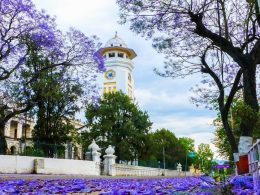



Is Nepal open for travel during late monsoon? Absolutely. Many travelers worry about wet weather in September. Heavy rains affect southern lowlands and river valleys. However, vast mountain regions remain completely dry. High peaks block incoming monsoon clouds. These sheltered zones are rain-shadow regions. You can enjoy dry trails, clear skies, and rich culture.
At the same time, vibrant heritage cities stay fully operational. Urban centers feature solid infrastructure and easy flight access. Choosing the right region ensures a smooth trip. Here is your ultimate guide to the safest places to visit in Nepal this September.
Understanding Nepal’s Weather in September


September is a transitional month in Nepal. The heavy summer monsoon gradually retreats. Early September still brings rainfall across southern hill slopes. Lower elevation roads experience mud and temporary delays. High mountain passes can face shifting cloud cover.
Yet, northern regions tell a different story. Massifs like Annapurna and Dhaulagiri block rain clouds. As a result, regions behind these mountains stay arid. You will find bright sunshine and stable ground. Exploring these areas avoids landslide risks entirely. Knowing where to go makes all the difference.
1. Upper Mustang: The Walled Rain-Shadow Kingdom
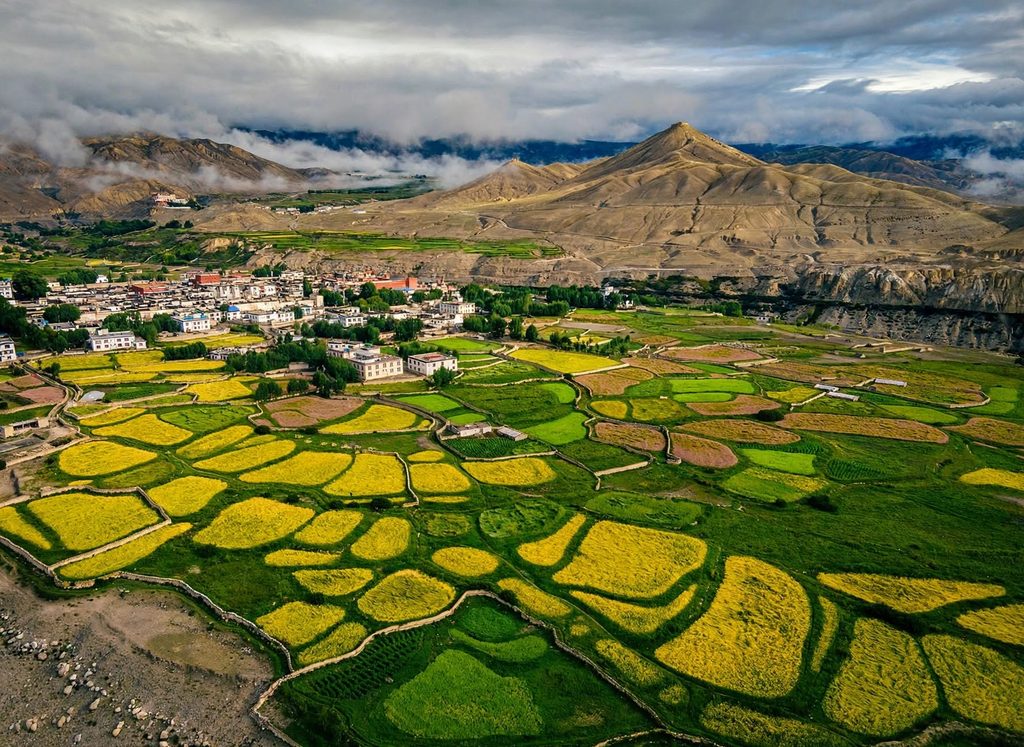
Lo Manthang sits in the heart of Upper Mustang. This historic walled city is one of the safest places to visit in Nepal this September. The entire region rests inside a deep rain shadow. Annual rainfall here stays extremely low.
- Region Type: High-altitude desert (Rain-Shadow)
- Primary Transport: Flight to Jomsom + Local 4×4 Jeep
- Key Highlights: Lo Manthang, Chhoser Caves, Royal Palace
- Permit Required: Restricted Area Permit (RAP) with local guide
Dry Trails and Arid Landscapes Trekking paths in Upper Mustang remain dry and firm. You will walk through dramatic red-cliff canyons. Towering mud-brick fortresses line the valleys. The landscape resembles a high-altitude desert. Vibrant green barley fields contrast against orange sandstone cliffs.
Rich Tibetan Culture Upper Mustang preserved its traditions for centuries. You can visit ancient Buddhist monasteries like Namgyal Gompa. Explore multi-story sky caves carved into sheer walls. Local villagers follow authentic Tibetan customs. September offers quiet trails without spring or autumn crowds.
Smart Travel Logistics Fly directly from Pokhara to Jomsom to bypass road delays. From Jomsom, local four-wheel-drive vehicles travel up the valley. This route avoids southern landslide zones entirely. Keep in mind that Upper Mustang requires a Restricted Area Permit. Travelers must trek with a licensed guide.
2. Muktinath and Lower Mustang: Sacred Dry Valley
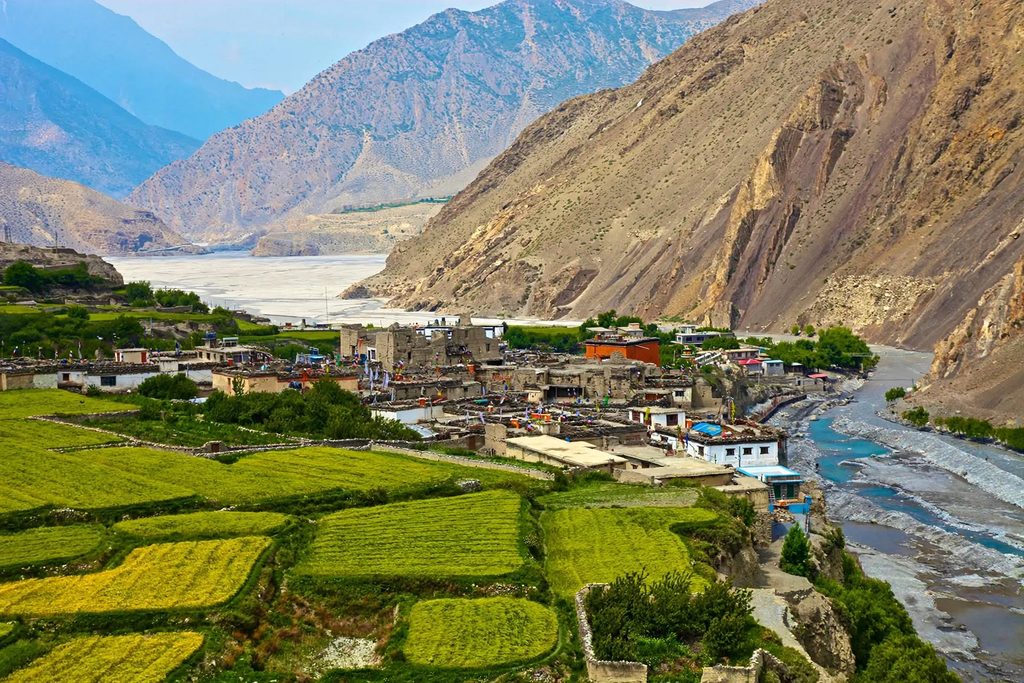
If you seek spiritual heritage without heavy trekking, choose Muktinath Temple. Located at 3,800 meters, Muktinath rests in Lower Mustang. The high mountain walls keep heavy rains away. The air feels crisp, cool, and refreshing.
- Elevation: 3,800 meters (12,467 feet)
- Primary Transport: Flight to Jomsom + 1.5-hour jeep ride
- Key Highlights: 108 Sacred Spouts, Natural Flame, Kagbeni
- Weather Status: Arid valley, minimal late-monsoon rain
A Sacred Pilgrimage Spot Muktinath holds immense religious importance. Both Hindus and Buddhists venerate this holy site. Pilgrims bathe beneath 108 carved brass water spouts. Nearby, a natural gas flame burns eternally inside a small temple. The surrounding mountain views are truly breathtaking.
Charming Cobblestone Villages Explore historic villages along the Kali Gandaki River. Kagbeni features narrow stone alleyways and ancient chortens. Marpha is famous for its whitewashed houses and apple orchards. You can sample fresh apple pie, local cider, and dried fruit.
Safety and Accessibility Lower Mustang is highly accessible during late monsoon. Take a short domestic flight from Pokhara to Jomsom. The paved road from Jomsom to Muktinath stays open year-round. This setup avoids wet highway sections lower down the mountain.
3. Upper Dolpo: The Turquoise Wilderness Sanctuary
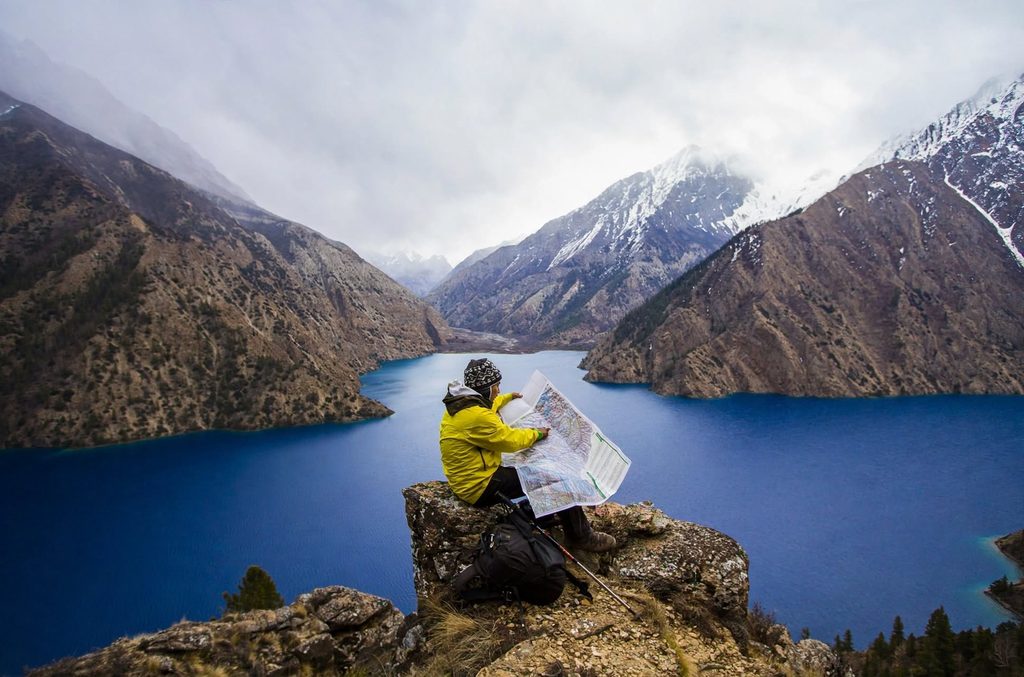
For true adventure, consider Shey Phoksundo Lake in Upper Dolpo. This untouched wilderness is located in northwestern Nepal. Like Mustang, Dolpo benefits from a powerful rain shadow. It ranks among the safest places to visit in Nepal this September for remote trekkers.
- Key Feature: Shey Phoksundo Lake (Deepest in Nepal)
- Landscape: Remote high-altitude mountain desert
- Cultural Focus: Ancient Bon-Po and Tibetan Buddhist hamlets
- Travel Requirement: Full expedition setup with local agency
Pristine Alpine Waters Shey Phoksundo is Nepal’s deepest alpine lake. Its brilliant turquoise waters never fail to amaze visitors. Sharp rocky peaks encircle the mirror-like water. Because rains are light here, mountain trails stay solid and clear.
Ancient Bon-Po Traditions Dolpo is home to the ancient Bon-Po faith. This religion pre-dates Tibetan Buddhism in the region. You will encounter ring-shaped monasteries and stone prayer walls. Ringmo village offers a rare look into traditional Himalayan life.
Planning Your Expedition Upper Dolpo is a remote wilderness zone. Trekkers need proper permits and organized logistics. Fly from Nepalgunj to Juphal airport to start your trek. Always carry satellite communication tools and comprehensive medical insurance.
4. Nar Phu Valley: Hidden Himalayan Enclave
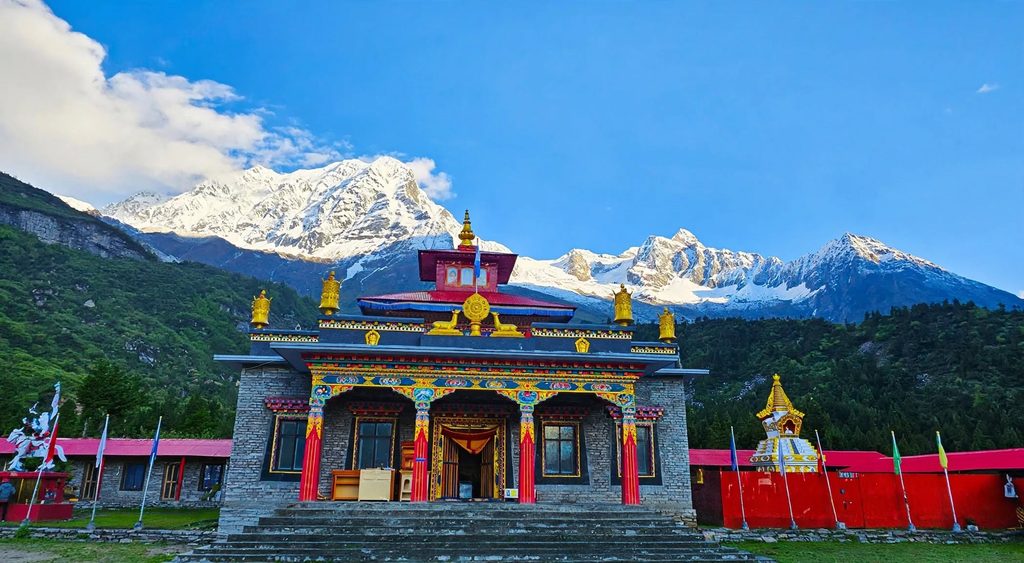
Tucked north of the Annapurna Circuit lies Nar Phu Valley. Massive Himalayan barriers block incoming storms from reaching this valley. It offers a rugged, dry, and secure trekking corridor in September.
- Location: North of the main Annapurna Circuit
- Character: Medieval stone villages and high passes
- Weather: Protected valley with low seasonal rainfall
- Best For: Experienced trekkers seeking quiet trails
Medieval Stone Settlements The twin villages of Nar and Phu feel frozen in time. Stone houses crowd together on high rocky terraces. Residents dry colorful crops on flat rooftops under clear skies. Ancient monasteries sit perched high above the valley floor.
Uncrowded Mountain Paths Most monsoon trekkers skip lower Annapurna routes due to rain. However, Nar Phu remains dry and remarkably peaceful. You can walk for days without seeing other groups. High mountain passes open up wide vistas of snowy peaks.
5. Kathmandu Valley: Historic Heritage Escapes
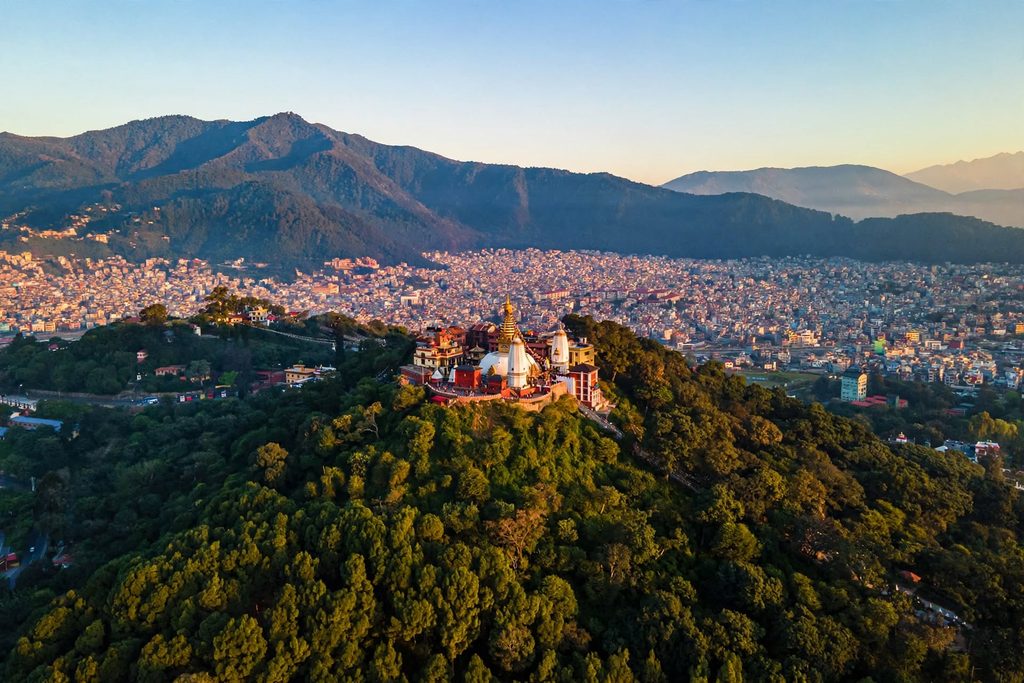
You do not need to trek to enjoy Nepal. Urban centers offer fantastic safety and comfort. The capital valley hosts some of the safest places to visit in Nepal this September. Cultural hotspots feature modern roads, medical care, and easy airport access.
- Top Sites: Patan, Kathmandu Durbar Square, Boudhanath
- Infrastructure: Paved roads, top hotels, international flight access
- Cultural Perks: Autumn festivals, royal courtyards, museums
- Safety Advantage: No mountain pass crossings or long road trips
Timeless Royal Squares
Visit Kathmandu Durbar Square to admire ancient wooden carvings. Explore multi-tiered temples built by Malla kings. Just across the river, Patan Darbar Square showcases fine Newari craftsmanship. Walk through paved courtyards filled with stone statues and bronze artifacts.
Vibrant September Festivals
Late monsoon brings colorful cultural celebrations to the valley. Indra Jatra takes place during September. Chariot processions carry the living goddess Kumari through old city streets. Masked dancers perform in public squares under hanging oil lamps.
Effortless Travel Experience
Urban travel minimizes road transport risks during rain showers. You can stroll through museums between light rain spells. Cozy rooftop cafes serve organic Himalayan coffee and fresh Newari dishes. Kathmandu serves as a secure base for your entire trip.
6. Pokhara Valley: Lake Views and Lakeside Calm
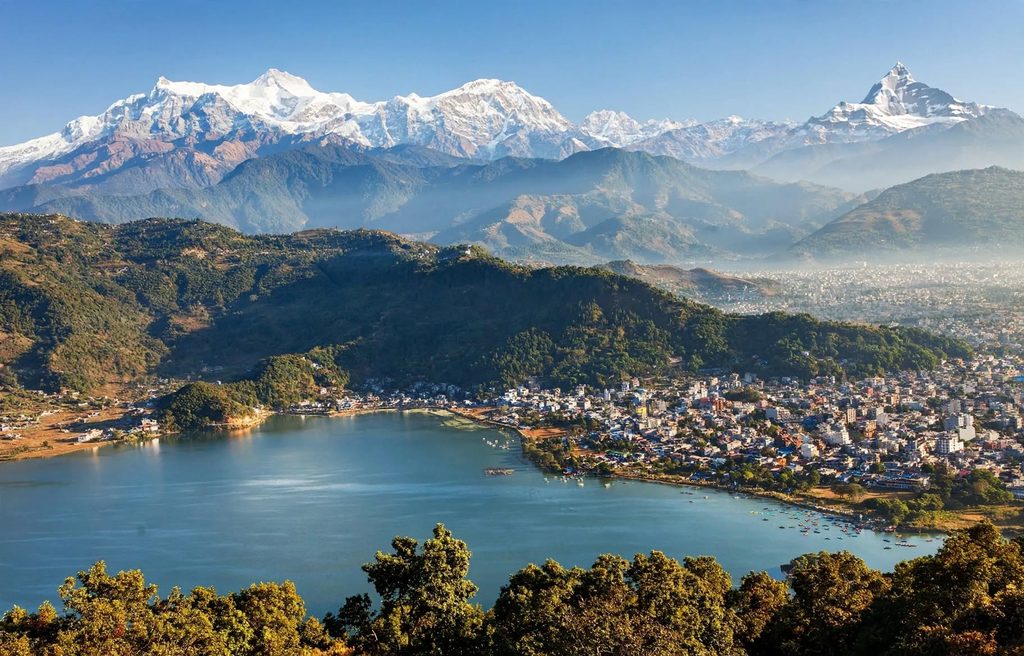
Pokhara is famous as Nepal’s adventure capital. While the city gets rain, it remains very safe for travelers. Paved tourist zones make exploring simple and relaxed.
- Main Hub: Lakeside Pokhara along Phewa Lake
- Transit Access: Direct 25-minute flight from Kathmandu
- Activities: Boating, café dining, spa retreats, photography
- Viewpoint: Sarangkot Hill for morning mountain vistas
Serene Lakeside Atmosphere
Phewa Lake reflects dramatic clouds and green hillsides. You can rent a colorful wooden boat to reach Tal Barahi Temple. Lakeside streets offer great international restaurants, bakeries, and craft shops. September air leaves the valley lush, fresh, and vibrant.
Morning Mountain Views
Rain clears the air overnight. Early mornings often reveal stunning views of Machhapuchhre (Fishtail Peak). Drive up to Sarangkot hill for sunrise photos. Visit the World Peace Pagoda for views over the lake and valley.
Here are the complete, ready-to-use writeups for Limi Valley and Manang Valley, formatted identically to match the rest of your guide:
7. Limi Valley (Humla)
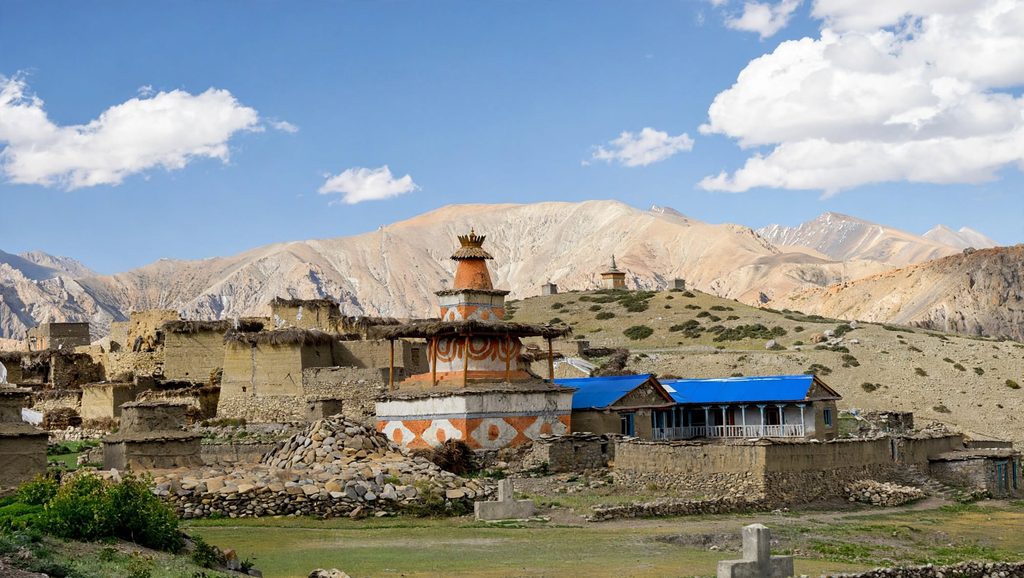
Located in the far-western rain shadow of Humla near the Tibetan border, Limi Valley stays dry during late monsoon. Explore ancient mud-brick villages like Halji, wide arid valleys, and untouched nomadic culture in complete high-altitude isolation.
- Elevation: 3,900 to 4,900 meters
- Primary Transport: Flight to Simikot + High-altitude trek
- Key Highlights: Halji Monastery, Nyalu La Pass, Mount Kailash views
- Weather Status: Arid Tibetan plateau climate, minimal late-monsoon rain
Untouched Tibetan Frontier
Limi Valley sits in one of the most remote corners of Nepal. Shielded by high Himalayan ranges, the valley avoids monsoon clouds completely. You will walk across barren alpine plateaus, stone-built villages, and ancient Buddhist sanctuaries that feel unchanged by centuries.
Ancient Spiritual Heritage
The valley is famous for Raling Gompa and the historic Halji Monastery, which is over 800 years old. Local communities preserve authentic Tibetan traditions, language, and pastoral ways of life. It offers an extraordinary journey for travelers seeking total solitude.
8. Manang Valley (Annapurna)
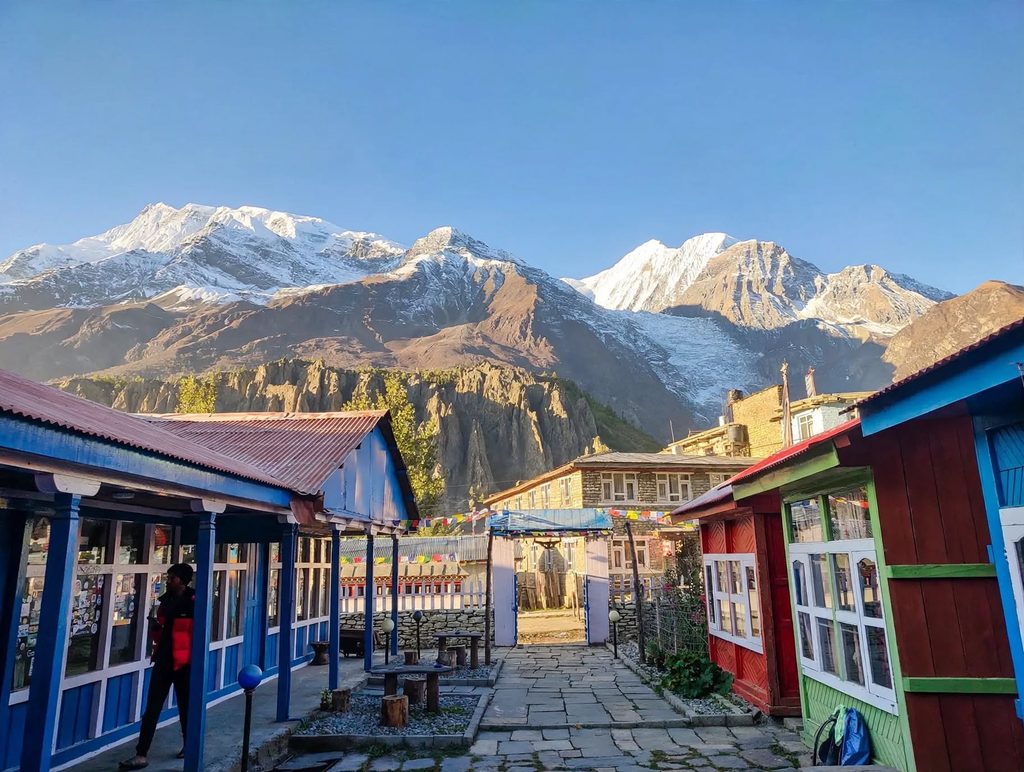
Tucked along the northern slopes of the Annapurna range, Manang sits securely inside a high-altitude rain shadow. Trek through dramatic glacial valleys, pine forests, and stone villages while enjoying stable weather and clear mountain views.
- Elevation: 3,540 meters (Manang Village)
- Primary Transport: Local 4×4 Jeep or trek via Besisahar
- Key Highlights: Gangapurna Lake, Braka Monastery, Tilicho Lake trail
- Weather Status: Sheltered dry basin, minimal rainfall in upper valley
High-Altitude Himalayan Dry Basin
The massive Annapurna massif acts as a giant wall, blocking rain clouds from entering upper Manang. While lower slopes get rain, the upper valley stays dry and crisp. The landscape shifts dramatically into an arid, mountain-desert basin framed by snow peaks.
Rich Culture and Side Excursions
Manang village serves as a vibrant cultural hub along the Annapurna Circuit. You can explore centuries-old monasteries like Braka, hike to turquoise glacial lakes, or venture toward high-altitude destinations like Tilicho Lake with minimal rain interference.
Essential September Travel Safety Rules
Smart planning guarantees a safe trip to Nepal in September. Follow these simple guidelines to protect your itinerary:
- Choose Air Travel Over Long Drives: Fly between major cities. Take flights from Kathmandu to Pokhara, or Pokhara to Jomsom. Flying bypasses wet highway sections entirely.
- Avoid High-Risk River Corridors: Stay away from unstable riverbanks during heavy downpours. Specifically, avoid the Rasuwagadhi border corridor in Rasuwa district. Monsoon floods and landslides affect this route.
- Monitor Weather Bulletins: Check daily reports from local authorities. Follow updates from the Department of Hydrology and Meteorology.
- Buy Comprehensive Insurance: Ensure your travel insurance covers emergency helicopter rescue. Verify coverage for high-altitude medical needs.
- Hire Licensed Local Guides: Local guides know current trail conditions. They arrange safe transport and navigate around unexpected road delays.
Summary of Safe September Destinations
- Upper Mustang: Desert Kingdom | Rain-shadow, dry trails
- Lower Mustang: Muktinath Temple | Arid valley, airport access
- Upper Dolpo: Phoksundo Lake | High mountain rain shadow
- Nar Phu Valley: Medieval Villages | Shielded northern basin
- Kathmandu Valley: UNESCO Heritage | Urban road infrastructure
- Pokhara Lakeside: Scenic Lake Views | Flight access, soft travel
Frequently Asked Questions
Is it safe to travel to Nepal in September?
Yes, Nepal is safe and open for travel in September. Focus on rain-shadow regions like Upper Mustang and Dolpo. Alternatively, explore heritage cities like Kathmandu and Patan. Use domestic flights to avoid wet highway sections.
What are rain-shadow regions in Nepal?
Rain-shadow regions sit behind massive Himalayan mountain ranges. Peaks like Annapurna block monsoon clouds from passing north. As a result, regions like Mustang and Dolpo receive very little rain and stay dry.
Can I trek in Nepal during late monsoon?
Yes, you can trek comfortably in rain-shadow zones. Upper Mustang, Lower Mustang, Upper Dolpo, and Nar Phu Valley offer dry trails. Avoid low-elevation river trails during periods of rain.
How should I handle highway disruptions in September?
Book domestic flights whenever possible. Flying between Kathmandu, Pokhara, and Jomsom keeps your travel schedule smooth. It avoids landslide delays on mountain roads.
Are major tourist sites open in September?
Yes, major tourist sites are fully operational. UNESCO sites in Kathmandu, hotels in Pokhara, and temples in Mustang welcome travelers. Flight connections operate normally across unaffected regions.
Plan Your Safe September Journey
Nepal remains a magical destination in late monsoon. By picking dry rain-shadow valleys or charming heritage cities, you will enjoy a secure, memorable trip. Focus on safe regions, choose domestic flights, and experience the warm hospitality of the Himalayas.