



Nepal’s tea story started in 1863, when Gajaraj Singh Thapa, then Governor General of Eastern Nepal, planted the country’s first tea bushes from seeds gifted by the Chinese Emperor. More than 160 years later, those original estates still cling to the hills around one small town. If you want to understand the Ilam tea gardens Nepal is quietly famous for, you have to go east, far from the trekking crowds, into a landscape that turns its most electric shade of green at the exact time of year most guidebooks tell you to stay home.
That time is the monsoon. And here is what most travel blogs will not tell you: the rain is the whole point.
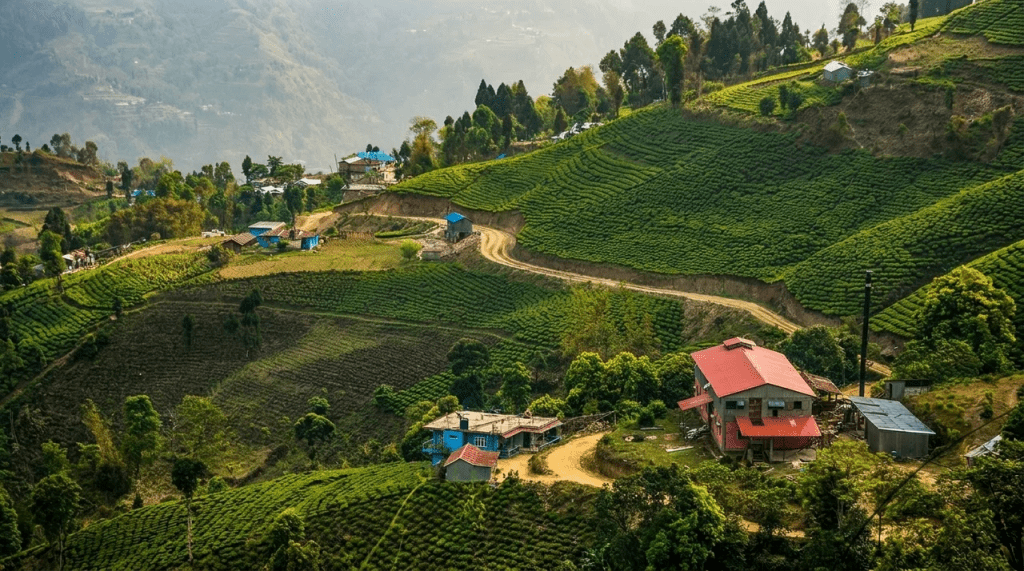
Why Ilam tea gardens Nepal travelers overlook deserve a closer look
Ilam sits in the far eastern hills, a green ridge of tea estates, cardamom plots, and cloud forest pressed up against the border with India’s Darjeeling district. Most of the gardens grow on the foothills of Kanchenjunga, the world’s third-highest mountain at 8,586 meters, which means the tea ripens in cool, misty air under the shadow of giant peaks.


For decades this corner of Nepal stayed off the foreign tourist map. Trekkers flew west to the Annapurnas and Everest. Ilam, meanwhile, became a beloved weekend escape for Nepalis themselves, who come for the views, the cool air, and the tea. That gap is exactly why it still feels authentic. You will not find a row of pizza cafes here or touts selling trinkets. What you get instead is working farmland, real homestays, and a pace of life that runs on tea breaks.
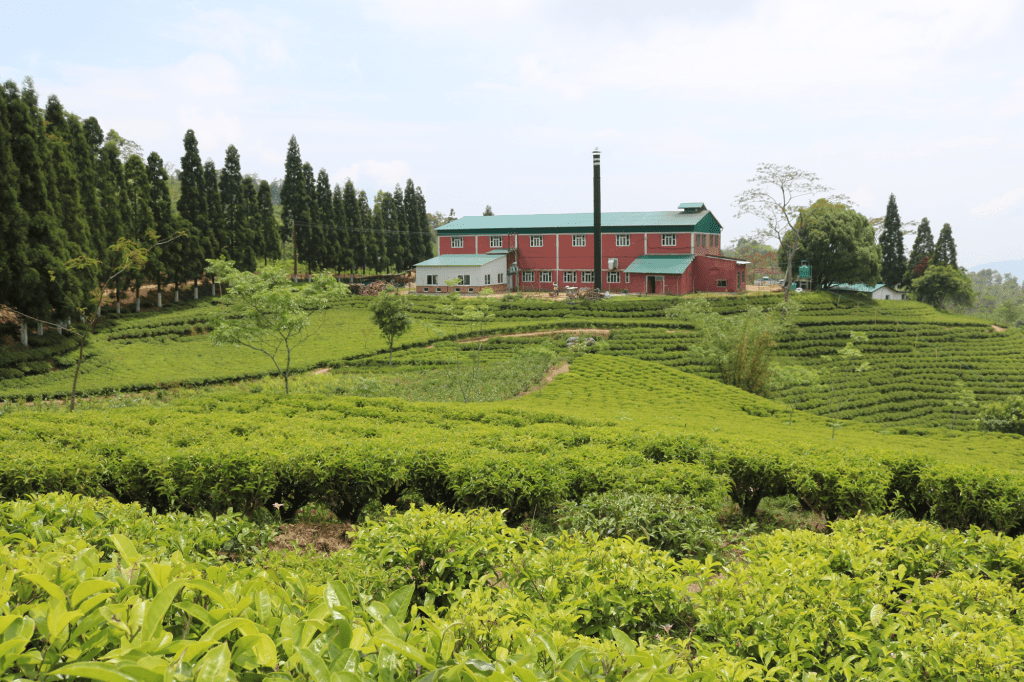
Tea remains the lifeblood. The historic Ilam Tea Estate, one of the two oldest plantations in the country, still produces leaf at an altitude of roughly 4,500 to 5,000 feet. Down the road, the photogenic Kanyam estate sprawls across about 216 hectares, with tea planted on around 200 of them, and a factory perched near 5,500 feet.
What the monsoon actually does to the tea hills
Rain transforms the place. From June through August the bushes drink in the downpours and explode into a deep, almost unreal green that no dry-season afternoon can match. Mist pools between the rows in the early morning, prayer flags hang heavy with moisture, and the whole landscape softens into something that looks painted.
Photographers know this. A small but growing crowd of them now plan trips around the rainy season precisely because of the light and the empty viewpoints. When you stand at the edge of a Kanyam slope at 6 in the morning, watching cloud spill over the tea like surf, you understand why locals call this region the green sea.
There is a tradeoff, and it would be dishonest to skip it. Monsoon means landslides, occasional road blockages, and leeches in the wetter forest patches. Tea plucking slows down in the heaviest weeks. Afternoons often cloud over and rain. So you plan around mornings, you keep your itinerary loose, and you accept that a washed-out road might cost you half a day. For the right kind of traveler, that is a fair price for having the hills almost to yourself.
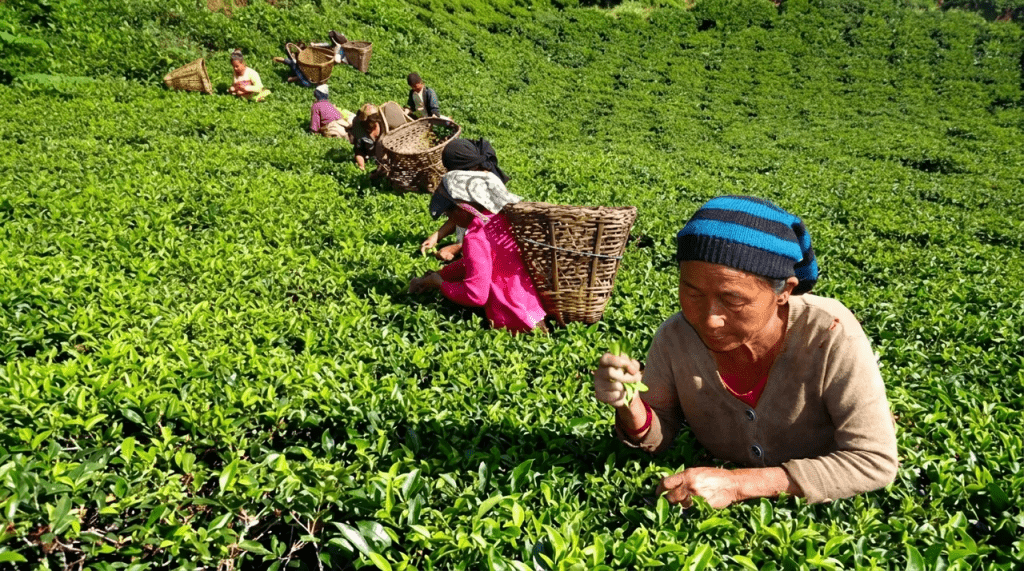
The slow homestay: how to actually experience Ilam
Hotels exist in Ilam bazaar, but they miss the point. The reason to come here is the homestay, and the monsoon is when this experience is at its richest. Hosts who are run off their feet during the October peak have time in July to sit, talk, and pour you cup after cup of their own tea.
Community homestays cluster around a few villages. Shree Antu, perched near the ridgeline, is the classic base for sunrise. Kanyam and Fikkal sit closer to the most famous gardens. Harkate and Antu Danda offer quieter, more rural stays. Expect to pay somewhere between NPR 1,000 and 3,000 per night, often with meals included, though confirm rates directly since prices shift with season and demand.
A typical homestay day looks like this. You wake before dawn for the sunrise hike. You come back for dal bhat and farm vegetables. Mid-morning you walk the tea rows with your host, who can usually arrange a visit to a nearby factory to watch the leaf get withered, rolled, and dried. Afternoons, when the rain rolls in, are for sitting on the porch with a glass of orthodox tea and watching the clouds do their thing.
What makes it work is access. Staying with a family means you eat what they eat, learn how cardamom and tea actually get grown, and hear the kind of local knowledge no hotel desk will ever give you. If you care about Nepal’s food culture, an Ilam homestay is one of the best places to dig into it. For more on the dishes you will meet along the way, our guide to traditional Nepali food is a useful primer.
The places worth your mornings
Ilam packs a lot of viewpoints into a small area, and in the monsoon the best ones reward early starts before the afternoon cloud builds.
- Kanyam and Fikkal: the postcard tea gardens, with walking trails, picnic spots, and easy factory access. This is where most first-timers head, and it earns the attention.
- Shree Antu and Antu Danda: a sunrise ridge sitting around 2,328 meters. From your homestay it is roughly a 20-minute ride plus a short hike to the viewpoint, ideally reached by about 5 in the morning for the best light over the eastern Himalaya.
- Mai Pokhari: a sacred high-altitude wetland and religious site ringed by forest, beautiful and atmospheric when shrouded in monsoon mist.
- Ilam Tea Estate: the historic original garden near the town itself, worth a slow wander for the sheer sense of age.
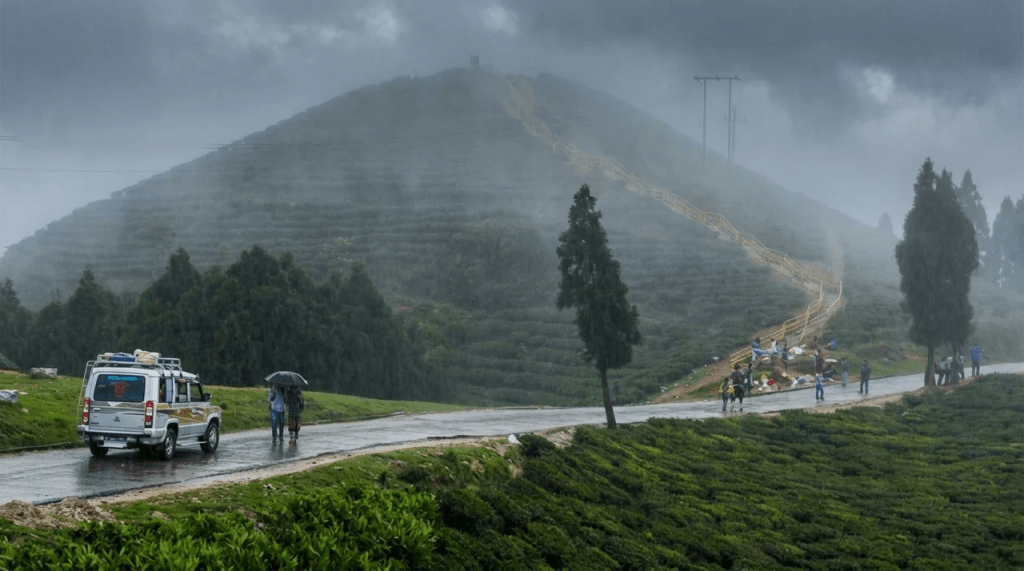
Getting to Ilam: the honest logistics
No sugarcoating this part. Ilam is far. Reaching it is a commitment, and in the rainy season you pad your plans with extra time.
By road, the town lies roughly 585 to 600 km from Kathmandu. A direct deluxe bus runs the route and takes somewhere between 16 and 20 hours depending on conditions, with tickets in the range of NPR 2,700 to 2,800 as of early 2025. Buses generally leave in the afternoon and travel overnight. It is long, and during heavy monsoon stretches the highway can slow or close after landslides, so build in buffer days.
Flying saves your spine. The quickest option is a flight from Kathmandu to Bhadrapur, in the southeastern plains, which takes around 45 minutes. From Bhadrapur it is roughly a 50 km drive up into the hills, about two to three hours by taxi or local vehicle. Flight fares vary a lot, so check current prices when you book rather than trusting any quoted figure for long.
Once you are in the region, shared jeeps and local buses connect Ilam bazaar to Fikkal, Kanyam, Shree Antu, and the other villages. Distances are short, but mountain roads in the wet are slow, so do not over-schedule.
When to go, and how Ilam fits a bigger trip
Conventional wisdom points to February through April and October through December for the clearest skies and easiest travel. That advice is sound if your priority is mountain views and reliable roads. But if you want the gardens at their greenest, the crowds at their thinnest, and the homestay hosts at their most relaxed, the monsoon months deliver something the dry season simply cannot. Go in with realistic expectations about rain and roads, and you will not regret it. For a wider view of seasonal tradeoffs across the country, see our breakdown of the best time to visit Nepal.
Many travelers pair Ilam with a swing through the eastern plains or combine it with the country’s better-known stops. If you are stitching together a longer route, the contrast between Ilam’s quiet tea hills and a livelier lakeside base like the one in our Pokhara travel guide makes for a satisfying trip that shows two very different sides of Nepal.
For official tourism information and travel updates, the Nepal Tourism Board is the place to check before you go. And if the history of the leaf itself pulls you in, the Nepal Tea Development Corporation keeps a record of how it all began in 1863.
Frequently Asked Questions
Is it really worth visiting Ilam during the monsoon?
Yes, if you know what you are signing up for. Monsoon brings the lushest greenery, the softest light for photography, the fewest tourists, and the warmest homestay welcomes. The catch is rain, slower roads, and the small chance of landslide delays. Travelers who value atmosphere over guaranteed mountain views tend to love it.
How do I get from Kathmandu to Ilam?
Two main options. A direct deluxe bus covers the roughly 585 km in about 16 to 20 hours for around NPR 2,700 to 2,800. Or you fly Kathmandu to Bhadrapur in about 45 minutes, then drive two to three hours up into the hills. Flying is far easier on your body, especially in the wet season.
How much does an Ilam homestay cost?
Community homestays generally run between NPR 1,000 and 3,000 per night, often including home-cooked meals. Rates vary by village and season, so confirm directly with your host when you book.
What is the elevation of the Ilam tea gardens?
It varies. The historic Ilam Tea Estate sits around 4,500 to 5,000 feet, while viewpoints like Antu Danda near Shree Antu climb to about 2,328 meters. That cool, misty altitude is part of what gives Ilam tea its character.
Can I visit a tea factory and see how tea is made?
Absolutely. Most homestay hosts can arrange a visit to a nearby factory where you can watch the leaf get withered, rolled, and dried, then taste the result. Kanyam and the area around Ilam bazaar have the most accessible processing facilities.
What should I pack for monsoon travel in Ilam?
Bring a solid rain jacket or a compact umbrella, quick-dry clothing, and sturdy footwear with good grip for muddy garden paths. Pack a dry bag for camera gear, some salt or repellent for leeches in wetter forest, and a flexible attitude toward your schedule.
How many days do you need in Ilam?
Three to four days is a comfortable amount. That gives you time for a couple of sunrise hikes, a factory visit, slow walks through Kanyam and Fikkal, and a buffer day for weather. Add more if you want to reach Mai Pokhari or explore deeper villages.
Is Ilam suitable for first-time visitors to Nepal?
It can be, though it suits travelers who are comfortable with long journeys and a slower, less polished experience. First-timers who want classic mountain trekking usually head west first. Those drawn to culture, food, and quiet landscapes will find Ilam a rewarding and uncrowded alternative.


