


Last updated: November 9, 2026
Walk through Kathmandu during Tihar, and two flowers are hard to miss. Orange marigold garlands hang from doorways, decorate shops and vehicles, and adorn animals during the festival. Their bright colours seem to follow every celebration.
Then comes Bhai Tika, when another flower takes centre stage. Small, velvety magenta globes are carefully strung into garlands and placed around brothers’ necks.


These flowers are Sayapatri and Makhamali. One brings colour to almost every part of Tihar. The other carries a special message of long life.
But why do these two flowers hold such an important place in Nepal’s biggest festival of lights? And what makes them so meaningful?
Let’s explore the flowers, traditions and farmers behind Tihar’s colourful celebrations.
Meet the Two Flowers of Tihar
Sayapatri: The Marigold
Sayapatri is the Nepali name for the marigold. Its bright orange and golden-yellow flowers are among the most recognisable sights of Tihar.
Marigold garlands decorate homes, shops, vehicles and religious spaces. Families also use them during worship, especially when honouring Goddess Laxmi.
The flower’s bright colour adds warmth to the festival. Its availability and ability to last in garlands also make it a practical choice for decorations.
During Tihar, Sayapatri becomes more than a flower. It is part of the visual identity of the celebration.
Makhamali: The Globe Amaranth
Makhamali is the Nepali name for globe amaranth, scientifically known as Gomphrena globosa.
Originally native to Central America, this flower now grows in many parts of the world. It is also known by the Sanskrit name Rakta Mallika.
Makhamali has a distinctive round, button-like shape and a soft, velvety appearance. Magenta is its most familiar colour, although white, red and pink varieties also exist.
Unlike marigold, Makhamali has a particularly important role on one day of Tihar: Bhai Tika.
Its significance comes from its remarkable ability to retain its shape and colour for a long time. This quality has made it a symbol of longevity and a sister’s wish for her brother’s long life.
Interestingly, both marigold and Makhamali originated in the Americas before becoming familiar parts of South Asian traditions.
Sayapatri: The Flower That Follows Every Day of Tihar
Marigold is not reserved for one particular Tihar ritual. It appears throughout the celebrations, from household decorations to religious offerings.
Here is how it features during the festival:
- Kaag Tihar: Flowers may decorate household spaces and offerings as the festival begins.
- Kukur Tihar: Dogs receive marigold garlands and red tika as people honour their loyalty and companionship.
- Laxmi Puja: Families decorate homes and shops with marigold garlands and offer flowers to Goddess Laxmi.
- Gai Tihar: Cows are decorated with flowers as part of the day’s worship.
- Govardhan Puja and Goru Tihar: Flowers are used to decorate oxen and other elements of the celebration.
- Bhai Tika: Marigold helps decorate the festive setting, alongside the special Makhamali garland given to brothers.
Marigold garlands also appear on cars and motorbikes during Tihar. Many households decorate their entrances with them to welcome prosperity and good fortune.
It is difficult to imagine Tihar without Sayapatri.
Why Is Marigold So Popular During Tihar?
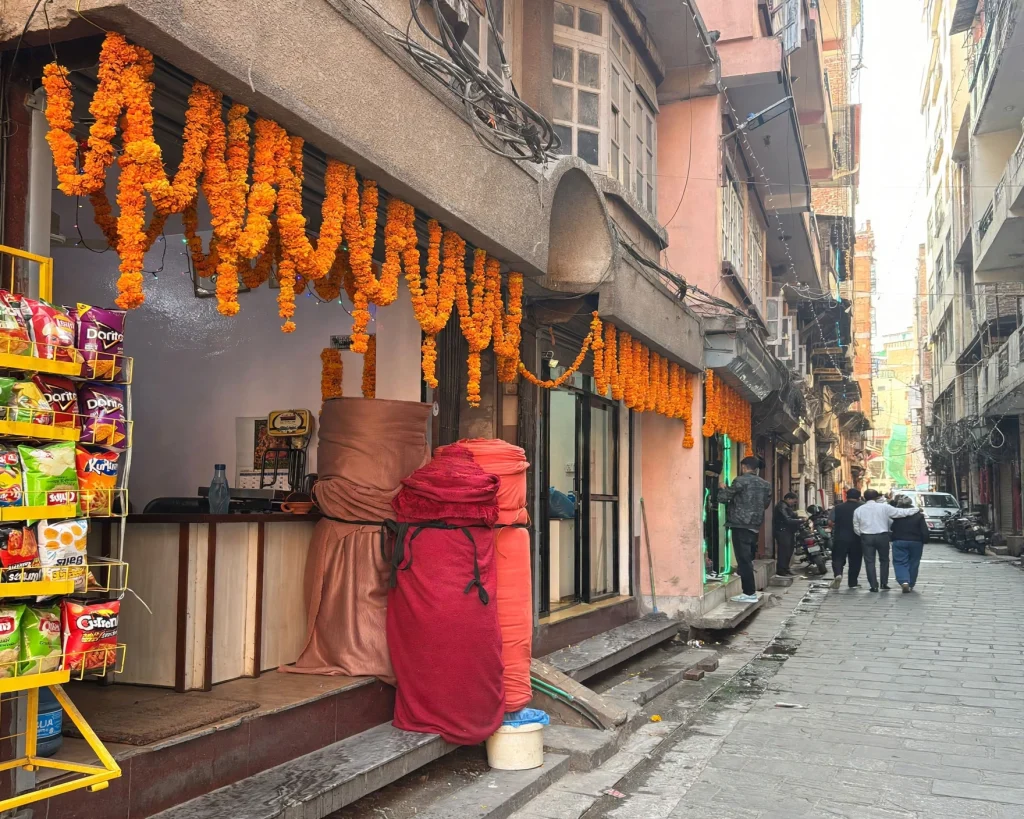
Marigold’s popularity comes from both practical and cultural reasons.
First, it is widely available during the festival season. The flowers are suitable for making garlands and remain attractive for a reasonable period after being strung.
Their bright orange and golden colours also carry a festive feeling. These colours are commonly associated with warmth, auspiciousness and celebration.
Marigold is also relatively affordable compared with many other decorative flowers. This makes it accessible to households across different income groups.
Together, these qualities explain why Sayapatri has become one of Tihar’s most familiar flowers.
Makhamali: The Flower That Does Not Fade
Makhamali has a different place in Tihar.
Its most recognised role is during Bhai Tika, when sisters place a Makhamali garland around their brothers’ necks.
The tradition is closely connected with the flower’s ability to retain its shape and colour for a long time. Unlike delicate flowers that quickly lose their appearance, Makhamali can remain attractive for months.
This quality gives the flower a deeper meaning.
The Story Behind the Makhamali Garland
The tradition is associated with the story of Yama and his sister Yamuna.
According to the popular account, Yama visited his sister Yamuna on Yama Dwitiya. She welcomed him with food, flowers and a ceremonial tika.
Among the flowers used was Makhamali. Its ability to remain fresh for a long time became symbolic of lasting life.
This is why sisters offer Makhamali garlands to their brothers during Bhai Tika. The gesture expresses a wish that their brothers enjoy a long and healthy life, just as the flower retains its beauty.
One popular retelling of the story adds that Yama cannot take a brother’s life until the Makhamali flower withers. This version is often repeated in tourism writing, although the central cultural meaning is the flower’s association with longevity.
A Garland That Represents Protection and Love
During Bhai Tika, the Makhamali garland is more than a decorative accessory.
It represents a sister’s affection, prayers and wishes for her brother’s well-being. Its long-lasting nature makes it a fitting symbol for a relationship that families hope will endure.
Unlike flowers chosen mainly for their fragrance or appearance, Makhamali is valued for its ability to last.
That is what makes this small flower such a meaningful part of Bhai Tika.
Is Makhamali Related to Newar Mha Puja?
Newar communities celebrate Mha Puja as part of Swanti, marking the Newar New Year.
During the ritual, the eldest woman in the family presents a long-life flower known as Gwae Swan. It is described as velvety and long-lasting.
This description resembles Makhamali. However, the available sources do not establish that Gwae Swan and Makhamali are the same flower.
For a deeper look at the Newar tradition, read our guide to Mha Puja.
Why Do These Two Flowers Define Tihar?
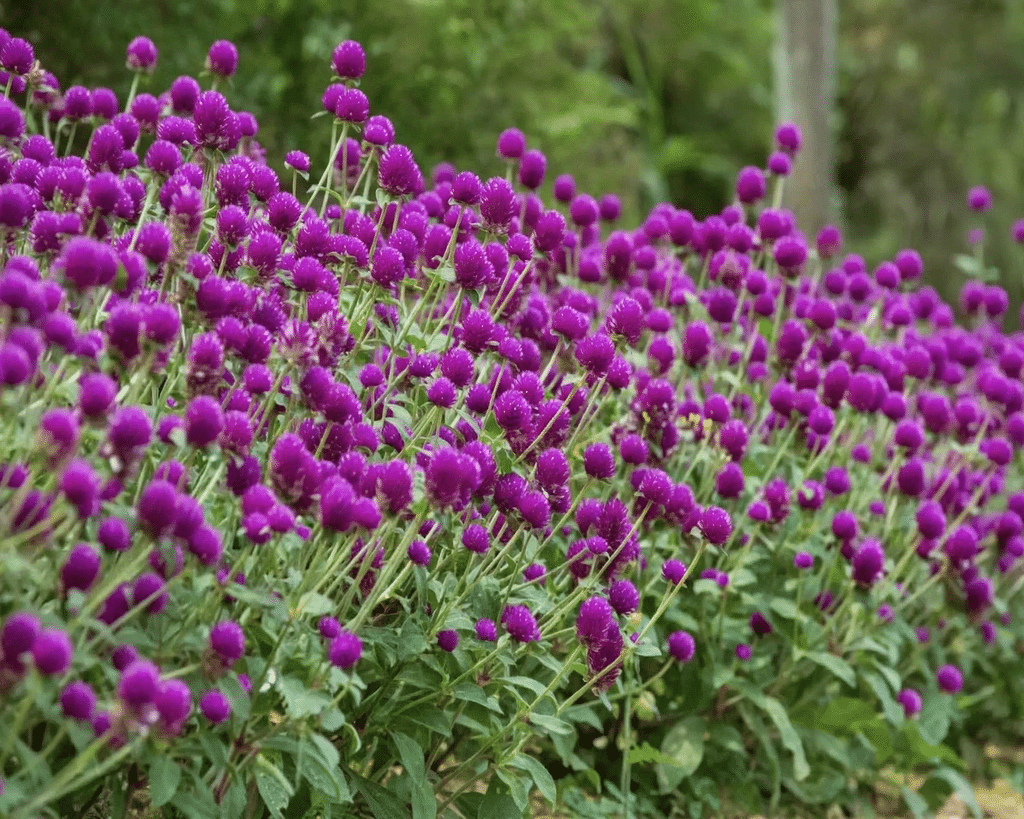
Nepal has many beautiful flowers. Yet Sayapatri and Makhamali have become especially important during Tihar.
There are several reasons behind their place in the festival.
1. They carry different meanings
Marigold brings brightness, warmth and a sense of celebration. Makhamali represents longevity and a sister’s wishes for her brother.
2. Their colours define the festival
The orange of marigold and the magenta of Makhamali create a striking combination. Together, they make Tihar’s decorations instantly recognisable.
3. They are practical for garlands
Both flowers hold their shape well enough to be used in garlands and decorations. This makes them suitable for the festival’s many rituals.
4. They are part of everyday celebration
Marigold is widely used by households across Nepal. Makhamali has a special place in the Bhai Tika ritual.
5. They connect families through tradition
The flowers are not simply bought and displayed. They are used in rituals that bring family members together and express care, blessings and affection.
Their importance comes from this combination of appearance, availability and cultural meaning.
The Flower Economy of Tihar
Tihar is a major celebration for Nepal’s flower industry.
As households prepare for the festival, demand for marigold and Makhamali rises sharply. Farmers harvest flowers, vendors prepare garlands and markets become busy with festive buyers.
Behind every garland is a chain of work involving cultivation, harvesting, transportation and sales.
Tihar 2026: Flower Demand by the Numbers
According to Mani Sharma, general secretary of the Floriculture Association Nepal (FAN), around 4.4 million flower garlands are expected to be traded during Tihar 2026.
FAN has set a benchmark price of Rs. 70 for a one-metre marigold garland.
Kathmandu Metropolitan City has also designated selling locations where farmers and entrepreneurs can sell flowers directly. Reports have cited between 25 and 33 locations. Buyers should check the city’s latest announcements for the confirmed list.
These figures show how Tihar creates a major seasonal market for Nepal’s flower farmers and traders.
Nepal’s Growing Self-Reliance in Flower Production
Nepal once depended heavily on imported marigold garlands, particularly from India.
Domestic flower production has expanded over the years. In 2018, local production reportedly met around 80 percent of the country’s flower demand. The figure was expected to reach approximately 93 percent in 2019.
According to FAN, restrictions on flower imports encouraged domestic farmers to expand cultivation.
For Tihar 2026, the association expects domestic production to meet demand.
This growth reflects the increasing role of local farmers in supplying one of Nepal’s most important festive markets.
Gundu: The Makhamali Village of Bhaktapur
Gundu, located in Suryabinayak Municipality of Bhaktapur, is well known for commercial flower farming.
The village is particularly associated with Makhamali and marigold cultivation. Its flower fields become especially important before Tihar, when farmers prepare for the festival’s peak demand.
A 2020 report stated that nearly 700 households in Gundu were involved in growing and harvesting flowers ahead of Tihar.
Farmers harvest the flowers and prepare garlands for markets, with Kathmandu serving as a major destination. Makhamali garlands are also supplied to Nepalis living abroad, including in Australia, Japan and Canada.
One commercial farmer, Ranjana Basnet, has reported earning around Rs. 800,000 annually from flower farming after expenses.
The local ward has also supported farmers through subsidies covering 70 percent of certain costs and the distribution of 40,000 marigold seedlings.
However, flower farming still comes with challenges. Farmers continue to face difficulties in marketing their products and securing fair prices.
Gundu’s story shows how a flower associated with one festival can support local livelihoods and seasonal businesses.
A Flower Grown for One Important Day
Makhamali is an unusual commercial crop.
It can grow in different soil conditions, except alkaline soil, and tolerates dry periods. Yet its most recognised cultural use in Nepal is concentrated around Bhai Tika.
This creates a narrow sales window for farmers.
They must plan cultivation, harvesting, transportation and garland preparation around the festival. Timing matters because demand rises sharply just before Bhai Tika.
For farmers, the flower’s cultural importance creates a valuable seasonal opportunity.
How Tihar Flower Garlands Are Made and Sold
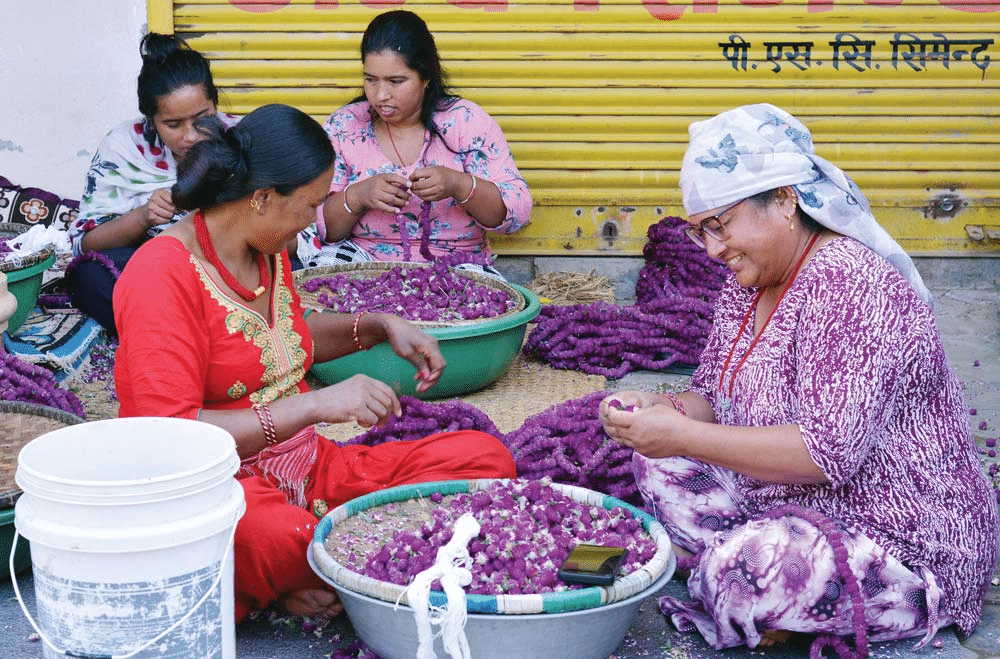
Tihar garlands are generally prepared by hand.
Farmers, family members and vendors carefully thread individual flowers onto strings. They arrange the blossoms closely to create long, colourful garlands.
Marigold garlands are commonly sold by length, with a one-metre garland serving as a familiar pricing unit.
Makhamali garlands are often shorter and denser. They are designed to sit around the neck during Bhai Tika.
If you are buying flowers during Tihar, keep a few things in mind:
- Buy early: Demand rises sharply before Bhai Tika, so popular garlands may sell quickly.
- Check freshness: Choose marigolds with bright petals and no obvious signs of drying.
- Compare prices: FAN’s benchmark price provides a reference, but actual market prices may vary.
- Support local farmers: Buy from designated selling points when possible.
- Ask about the origin: Vendors may be able to tell you where the flowers were grown.
Buying local flowers also supports the farmers and small businesses that make Tihar’s decorations possible.
Where Can Visitors Experience Tihar’s Flower Traditions?
For visitors, Tihar offers a wonderful opportunity to see Nepal’s flower traditions up close.
Explore Kathmandu’s old neighbourhoods: Walk through traditional areas and observe how families decorate doorways, windows and shops with marigold garlands.
Visit Patan and Bhaktapur: These historic cities offer a closer look at the cultural atmosphere of Tihar. Their streets and courtyards become part of the celebrations.
Visit local flower markets: Early mornings offer a chance to see vendors arranging garlands and preparing flowers for sale.
Explore Gundu in Bhaktapur: The village is known for its flower farms, particularly Makhamali and marigold. Check with local farmers before planning a visit.
Experience Bhai Tika respectfully: If a local family invites you to observe the ceremony, follow their guidance. Ask before photographing private rituals or family members.
You can also buy a Makhamali garland as a keepsake. Its long-lasting colour makes it a meaningful reminder of Nepal’s festival traditions.
After Tihar: What Should You Do With the Flowers?
Tihar brings millions of flowers into homes, temples, shops and public spaces. Once the celebrations end, many garlands are discarded.
There are simple ways to reduce the waste.
- Compost used marigold flowers and other suitable plant material.
- Remove plastic threads, wires and wrappers before composting.
- Avoid throwing flowers and plastic waste into rivers or drains.
- Reuse dried Makhamali flowers for decorations where possible.
Flowers are part of a festival that celebrates life and nature. Handling them responsibly after the celebrations is another way to respect their place in the festival.
Final Thoughts: Two Flowers, One Festival
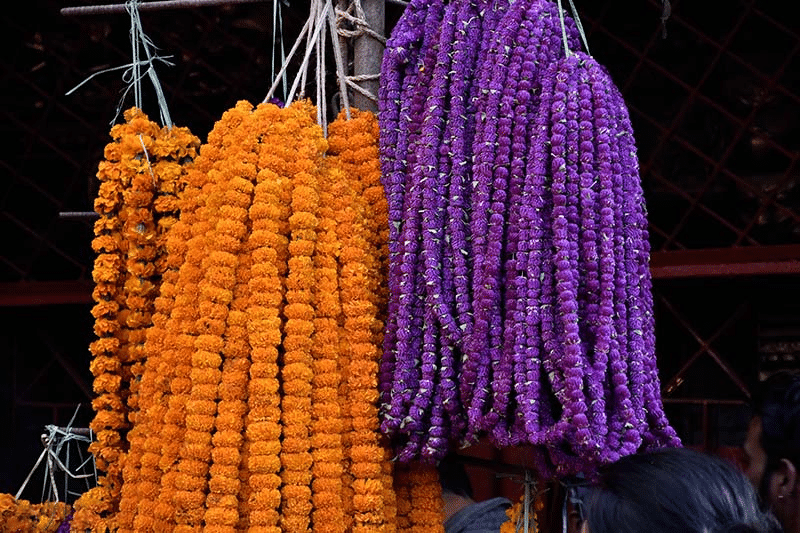
Marigold and Makhamali are more than decorations during Tihar.
Sayapatri brings colour to the festival, from household entrances to religious offerings and animal worship. Makhamali carries a quieter message, appearing during Bhai Tika as a symbol of a sister’s wish for her brother’s long life.
Together, they represent two different sides of the celebration: the brightness of shared festivities and the lasting affection between family members.
Behind these flowers are also the farmers of places like Gundu, whose seasonal work helps keep the tradition alive.
This Tihar, when you see an orange marigold garland or a magenta Makhamali flower, look beyond its beauty. Each carries a story of culture, livelihood and connection.
Follow NepalVue to discover more stories behind Nepal’s festivals, people, places and traditions.
Frequently Asked Questions
What is Sayapatri?
Sayapatri is the Nepali name for marigold. It is widely used during Tihar to decorate homes, vehicles, animals and religious spaces.
What is Makhamali?
Makhamali is the Nepali name for globe amaranth, scientifically known as Gomphrena globosa. Its round, velvety flowers are commonly used to make Bhai Tika garlands.
Why is Makhamali used during Bhai Tika?
Makhamali retains its shape and colour for a long time. This quality makes it a symbol of longevity. Sisters offer Makhamali garlands to their brothers as a wish for long life and good health.
Is Makhamali used on every day of Tihar?
Makhamali is particularly associated with Bhai Tika. Marigold, meanwhile, is widely used throughout the festival.
What is the story behind the Makhamali garland?
The tradition is associated with the story of Yama and his sister Yamuna. Makhamali’s long-lasting appearance became a symbol of a brother’s long life.
How many flower garlands are expected to be traded during Tihar 2026?
The Floriculture Association Nepal expects around 4.4 million flower garlands to be traded during Tihar 2026.
How much does a marigold garland cost in Nepal in 2026?
FAN has set a benchmark price of Rs. 70 for a one-metre marigold garland. Actual selling prices may vary by location and market demand.
Where is Makhamali grown in Nepal?
Gundu, in Suryabinayak Municipality of Bhaktapur, is especially well known for Makhamali and marigold farming.
Does Nepal import flowers for Tihar?
Nepal previously imported a significant share of its marigold supply from India. Domestic production has expanded, and FAN expects local supply to meet demand for Tihar 2026.
When is Bhai Tika in 2026?
Bhai Tika falls on Wednesday, November 11, 2026. The auspicious tika time provided for the ceremony is 11:07 AM Nepal time.