



Somewhere between Kathmandu and Pokhara, eight kilometers up a winding road from the main highway, sits a hill town that most travelers drive past without knowing it exists. That is exactly what makes Bandipur so extraordinary. A car-free bazaar of 18th-century Newari architecture, sweeping Himalayan panoramas, and a pace of life that genuinely feels unhurried—Bandipur is the kind of place you arrive at for one night and leave three days later.
📍 Location Tanahun District, Gandaki Province
🏔 Elevation 1,030 metres above sea level
🚌 Distance 143 km from Kathmandu · 73 km from Pokhara
🕐 Ideal Stay 2 to 3 nights
🌤 Best Time Oct – Dec & Feb – May
🚗 Main Street Pedestrians only — no vehicles
Why Bandipur Is Unlike Anywhere Else in Nepal
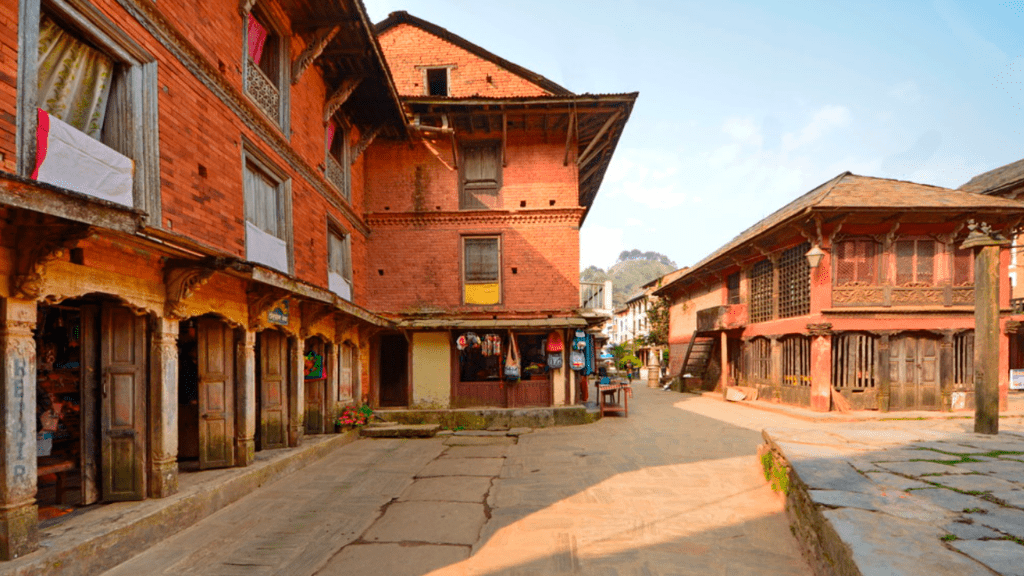
Nepal has no shortage of remarkable places, but Bandipur occupies a category of its own. It is one of the very few Newari settlements outside the Kathmandu Valley, founded in the 18th century by Newar merchants from Bhaktapur who built their trading wealth into elaborate carved wooden homes, stone courtyards, and temples that have survived largely intact. Today the entire town is protected as a national heritage site, and the main bazaar street has been pedestrianized for decades.
What sets Bandipur apart from Nepal’s more famous heritage sites is its living quality. This is not a museum town cordoned off for tourists. Children play football on the cobblestones in the evening. Women hang laundry from intricately carved wooden balconies. Vendors sell hand-woven textiles beside ancient temples. The preservation here happened not because the government stepped in, but because the community chose it—and that authenticity is palpable the moment you step off the taxi and onto the flagstone bazaar.


The highway bypassed Bandipur in the mid-20th century, and the town lost its commercial lifeline overnight. Rather than modernize to attract passing trade, the community did something remarkable: they preserved what they had, converted old merchant homes into guesthouses, and waited for travelers who were looking for exactly this.
The Story Behind the Town
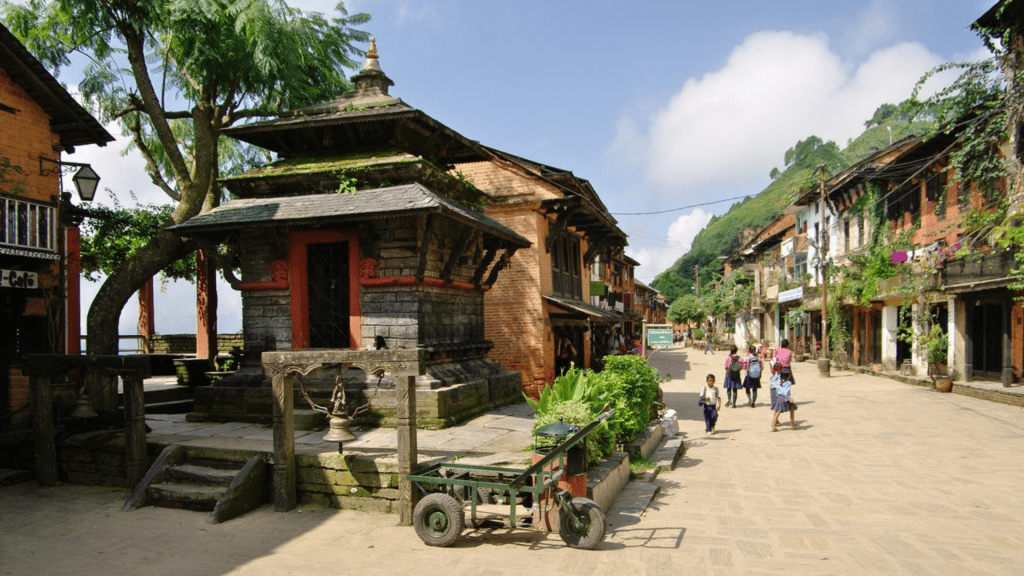
Bandipur’s origins are rooted in trade. For centuries it served as a crucial waypoint on the route connecting India and Tibet, with Newar merchants accumulating enough wealth to build homes that rival the architecture of Bhaktapur and Kathmandu’s Durbar Squares. The intricately carved wooden windows, tiered rooflines, and stone paving underfoot are not the work of restorers—they are original construction from the 1700s and 1800s, maintained by families who have lived in these buildings across generations.
When the Prithvi Highway opened and traffic began flowing through Dumre in the valley below, Bandipur’s position as a trading hub evaporated. The isolation that followed was economically painful, but culturally it was a gift. While other towns along the highway were transformed by concrete construction and roadside commerce, Bandipur sat quietly on its ridge, unchanged.
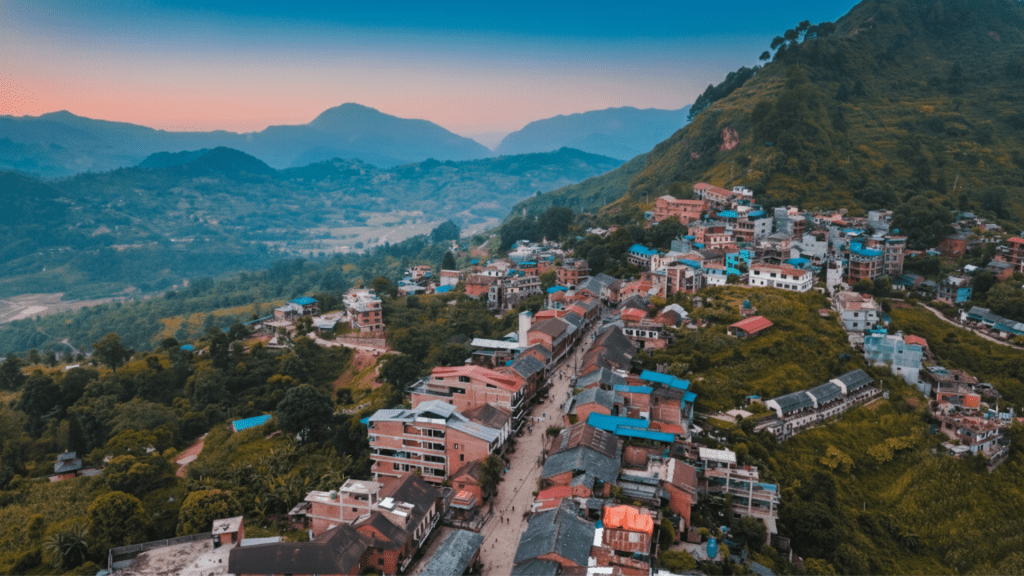
Today it is considered one of the best-preserved examples of Newari hill town architecture in all of Nepal. Visitors who have spent time in Bhaktapur will recognize the architectural language immediately—the same red brick facades, the same ornate woodwork, the same pagoda-roofed temples at every junction—but without the crowds.
Things to Do in Bandipur
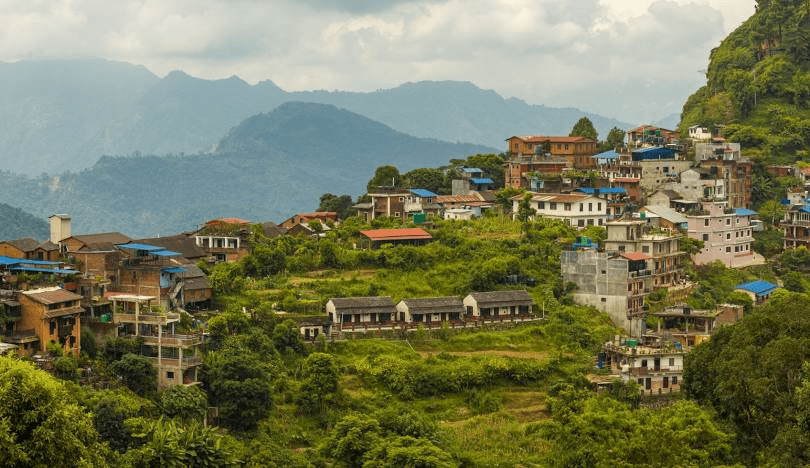
Bandipur rewards slow travel. The best experiences here are not timed activities on a checklist but moments: a coffee on a balcony with Annapurna filling the horizon, a conversation with a weaver outside her shop, and the sound of temple bells at dawn. That said, there is plenty to anchor an itinerary.
Walk the Bandipur Bazaar
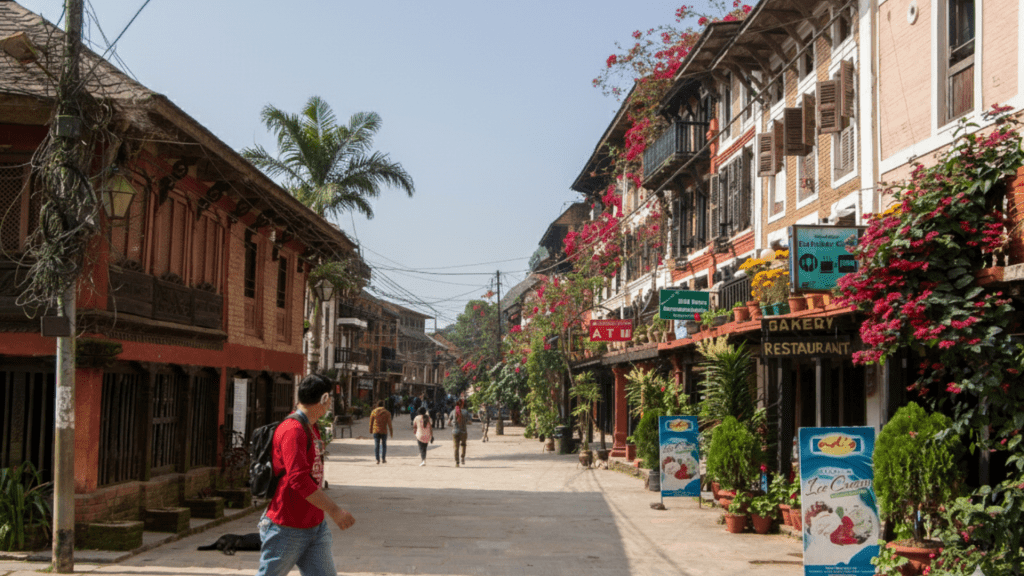
The main street is the heart of the town. Stroll east to west along the flagstoned bazaar, taking in carved facades, flower-draped balconies, and the Bindabasini Temple at its center. Best done early morning or at dusk when the light is golden and the street is at its quietest.
Sunrise at Thani Mai Temple
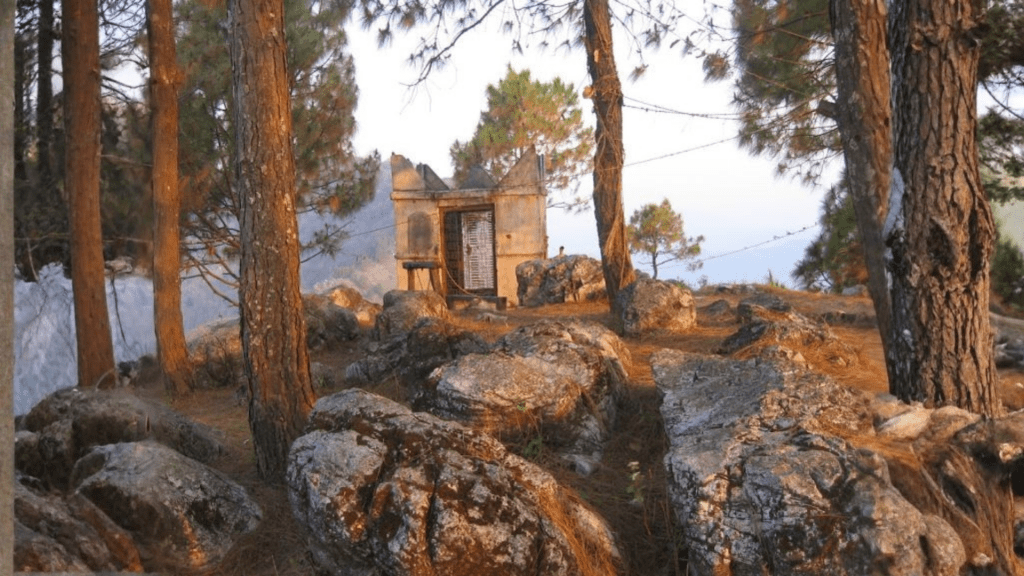
A 30-minute uphill hike from the bazaar brings you to the Thani Mai Temple viewpoint on Gurungche Hill. On a clear morning the panorama takes in Dhaulagiri, Manaslu, Machhapuchhre, Annapurna, and Langtang simultaneously. Set your alarm and go—this is one of the finest Himalayan views in Nepal accessible without a trek permit.
Siddha Cave (Siddha Gufa)
A 45-minute downhill hike from the bazaar leads to the largest cave in Nepal: 50 meters high and 437 meters deep, studded with stalactites, stalagmites, and hundreds of resident bats. Bring a headtorch, wear shoes you don’t mind getting muddy, and hire a local guide at the entrance for safety and context.
Hike to Ramkot Village
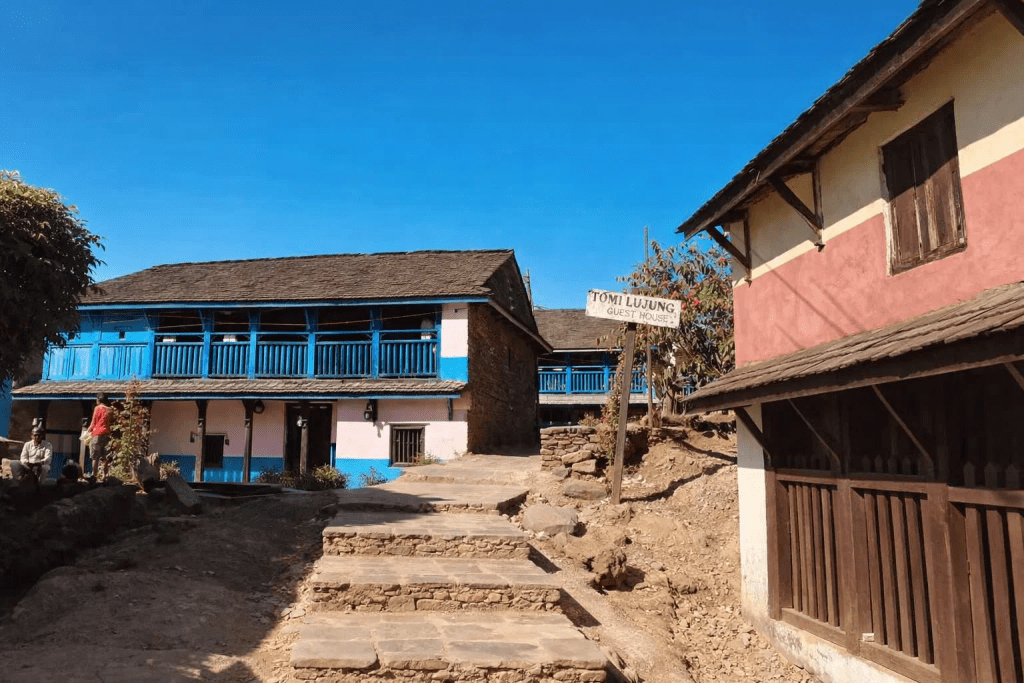
A 6-kilometer trail (roughly 1.5 hours one-way) leads to the traditional Magar village of Ramkot, where round houses, farming terraces, and a way of life largely untouched by tourism await. The trail passes through forest and offers continuous mountain views. A genuinely rewarding half-day walk.
Bindabasini Temple
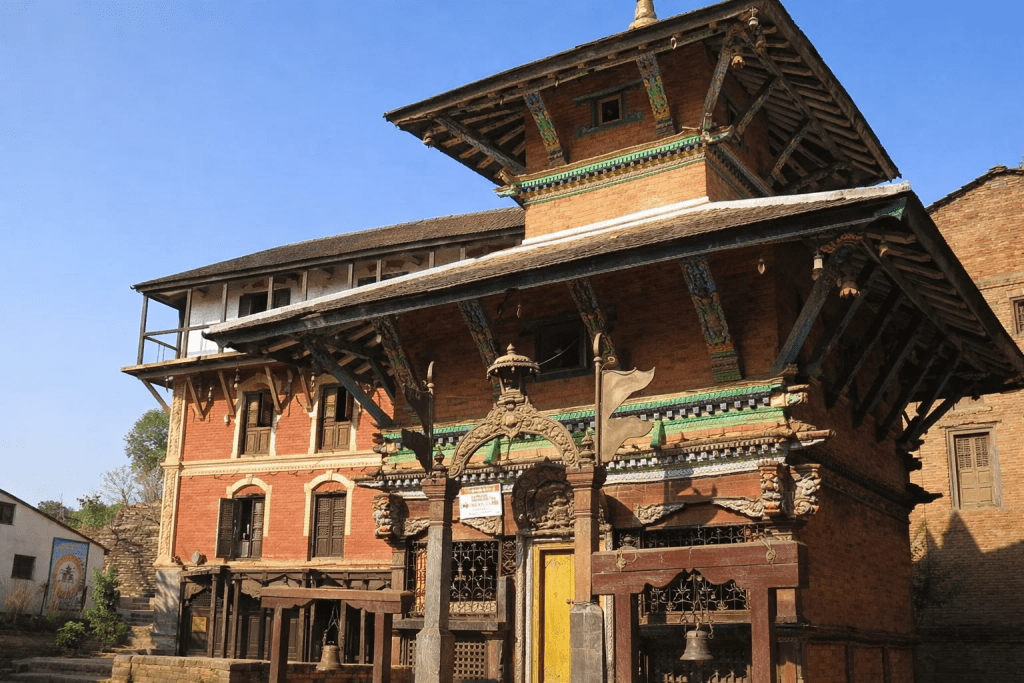
The spiritual center of Bandipur, dedicated to the goddess Durga in her form as Bindabasini. The temple is over 200 years old and features the intricate wood carvings characteristic of Newari religious architecture. Visit during morning puja (prayer) for the most atmospheric experience.
Silk Farm Visit
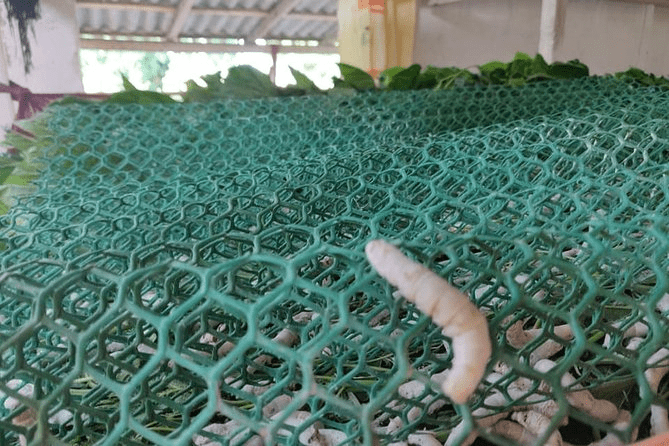
A short distance from the bazaar, traditional silk farms use mulberry bushes to raise silkworms and spin thread that becomes the colorful textiles sold in local shops. A visit offers genuine insight into a cottage industry that has sustained this region for generations.
Tundikhel Viewpoint
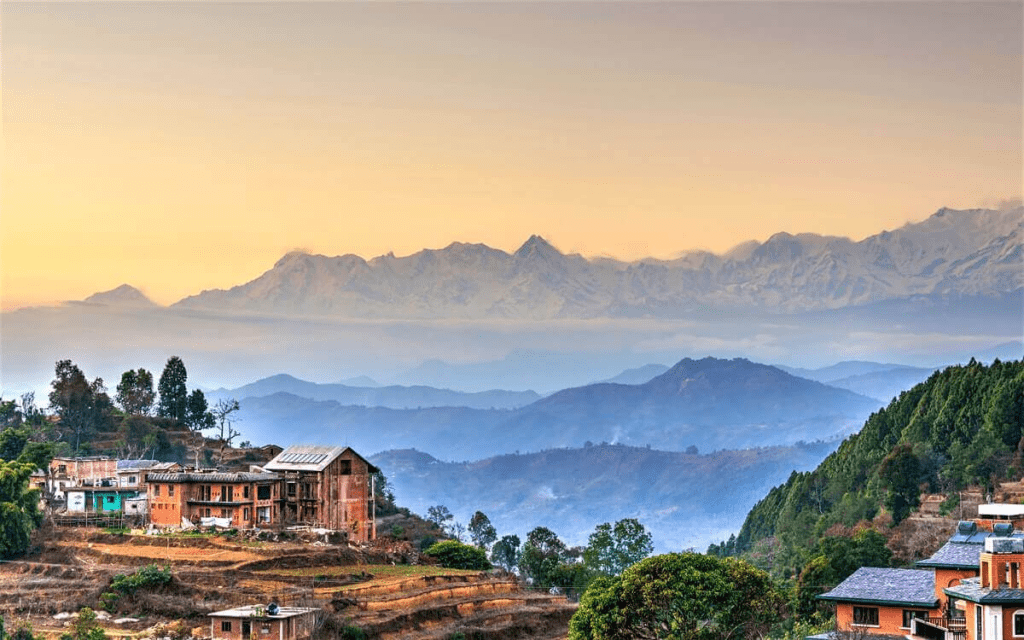
A large open ground just north of the bazaar that once served as the trading plaza for merchants from India and China. Today it functions as a viewpoint and community space, with sweeping views of the Marsyangdi Valley and the Himalayan range beyond. Perfect for sunset.
Padma Library
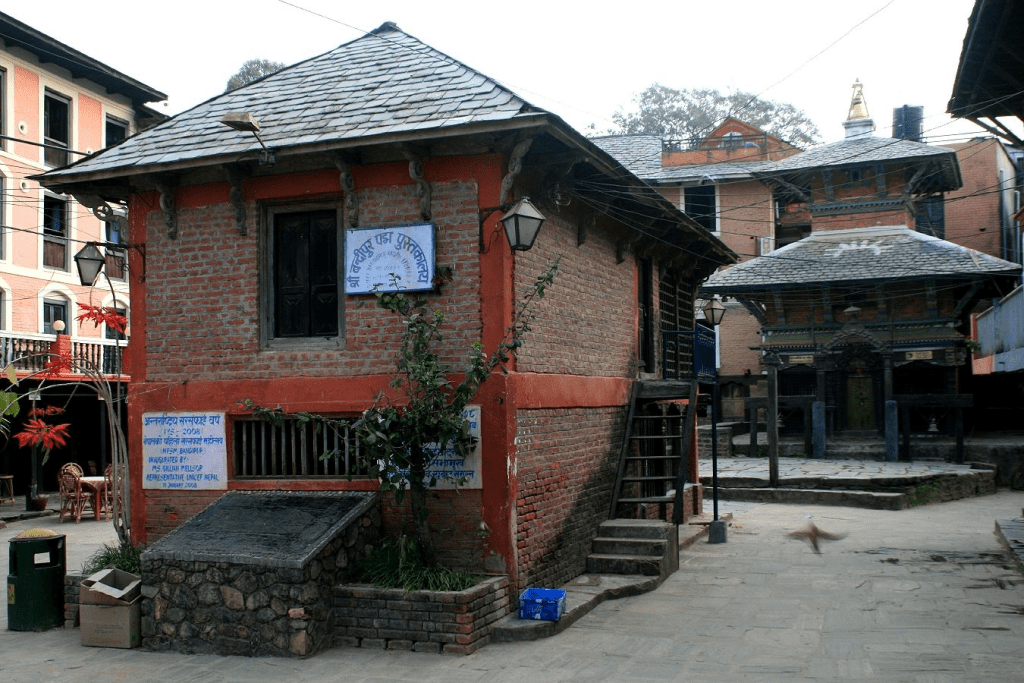
One of the oldest libraries in Nepal, the Padma Library sits quietly on the main street and holds a collection of books in Nepali, English, and a handful of other languages. Secondhand books welcome donations from travelers. A lovely, unhurried corner of the town.
When to Visit Bandipur
Bandipur’s ridge position means weather is more variable than in the valley towns, but the seasonal logic follows the same pattern as the rest of Nepal.
| Season | Months | Conditions | Verdict |
|---|---|---|---|
| Autumn | Oct – Dec | Clear skies, dry air, the best Himalayan views of the year. Comfortable temperatures (10–22°C). Dashain and Tihar bring festive energy in October. | Best time |
| Spring | Feb – May | Rhododendrons bloom on the hillsides. Warm and pleasant. Mountain views can be slightly hazy by April due to pre-monsoon dust, but still beautiful. Most popular season with tourists. | Excellent |
| Winter | Dec – Feb | Cold mornings (temperatures can drop near freezing) but crystal-clear mountain views on sunny days. Very few tourists. Some higher trails may have frost. | Good for solitude |
| Monsoon | Jun – Sep | Heavy rainfall, leeches on trails, landslide risk on the access road, and views almost permanently obscured by cloud. The town remains beautiful, but the experience is significantly diminished. | Avoid |
Local Tip: If visiting during the Dashain or Tihar festivals in October, book accommodation at least two weeks in advance. These are the most popular weeks in Bandipur’s year, and the handful of heritage guesthouses fill quickly.
How to Get to Bandipur
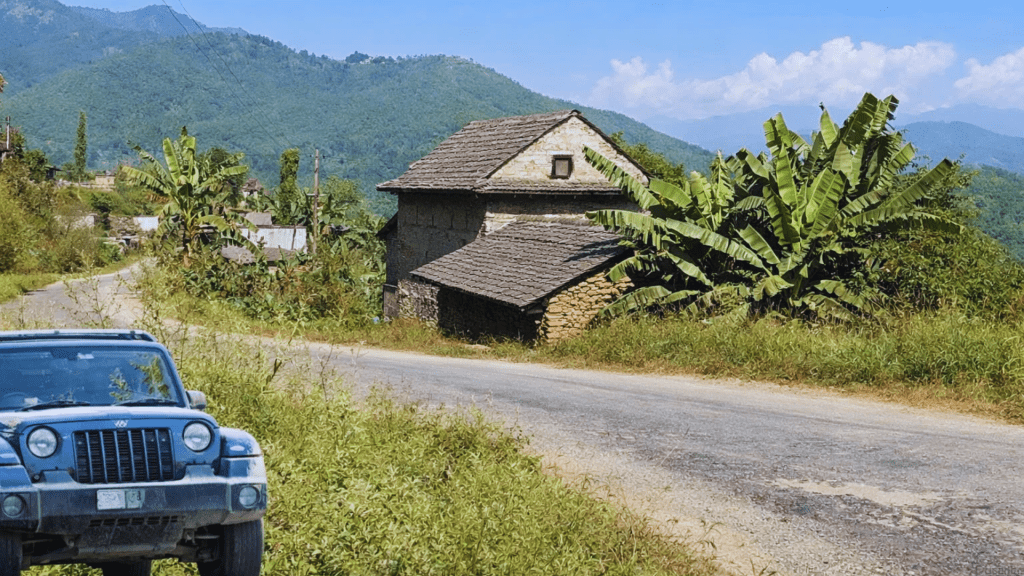
Getting to Bandipur requires one transfer, but it is not complicated. The town sits 8 kilometers uphill from Dumre, a small junction town on the Prithvi Highway between Kathmandu and Pokhara.
From Kathmandu
Tourist Bus: Take any Kathmandu to Pokhara tourist bus (departing ~7am from Naya Bus Park) and ask to be dropped at Dumre. Journey time approximately 4–5 hours. From Dumre, take a local jeep or taxi 8 km uphill to Bandipur (around NPR 400–600 by taxi, or wait for the infrequent local bus at NPR 30).
Private Car: Hire a private vehicle from Kathmandu for a direct door-to-door journey of approximately 5 hours. Costs around NPR 6,000–9,000 depending on vehicle. The most comfortable option if travelling in a group.
From Pokhara
Tourist Bus: Any Pokhara to Kathmandu tourist bus stops at or near Dumre. Journey time approximately 2.5–3 hours. Same jeep/taxi connection from Dumre to Bandipur as above.
Private Car: Around 2 hours by private vehicle. An easy and comfortable option if you are already based in Pokhara.
Bandipur sits perfectly between the two most-visited cities in Nepal, which makes it an ideal overnight stop rather than an add-on. Instead of grinding through the full Kathmandu to Pokhara bus journey in one sitting, break it in Bandipur and arrive in Pokhara the following day—a far better way to travel. For guidance on the full route, see our article on getting from Kathmandu to Pokhara.
Where to Stay in Bandipur
Accommodation in Bandipur is one of its quiet pleasures. Several of the old merchant homes on the bazaar street have been converted into heritage guesthouses that retain their original carved woodwork, stone floors, and internal courtyards while offering comfortable modern rooms. Staying on the main street means waking up to the bazaar at its most atmospheric, before day-trippers arrive from the highway.
Budget options exist further down the hill, and homestays with local families provide a genuinely immersive alternative for travelers who want more than a hotel stay. Prices are reasonable across all categories: a mid-range heritage room typically costs NPR 2,500–4,500 per night, including breakfast. For more options across Nepal, browse our Hotels and Homestays guide.
What to Eat in Bandipur
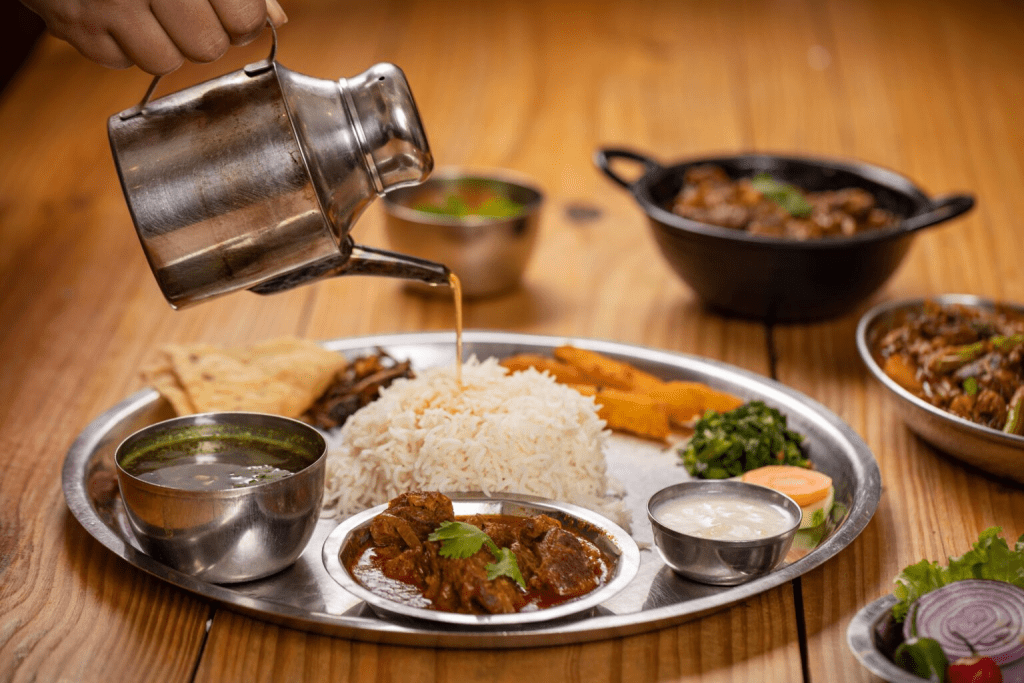
The restaurant scene in Bandipur is small but genuinely good, with a handful of cafes on the main street serving both Nepali food and decent Western options. The Himalayan Café is the most consistently praised, known for its rooftop terrace with mountain views, homemade baked goods, and a relaxed atmosphere that invites lingering. For something more local, the bhattis (roadside eateries) on the lower streets serve excellent Dal Bhat for a fraction of the tourist restaurant price.
Newari food is harder to find here than in Bhaktapur, but worth seeking out. Look for samay baji—the traditional Newari platter of beaten rice, spiced buffalo, egg, and fermented vegetables—and chatamari, the savory rice crepe sometimes called Nepali pizza. Both are available at the few traditional restaurants on the bazaar street. For a deeper dive into Newari cuisine, read our dedicated guide.
Is Bandipur Worth a Detour?
Completely. In a country full of remarkable destinations, Bandipur stands apart precisely because it is so unshowy about being remarkable. There are no ticket booths, no souvenir touts, no guided group tours marching past. Just a quiet hill town that has held on to something most places in Nepal have lost.
Two nights is the sweet spot. One full day covers the bazaar, the Thani Mai sunrise, and an evening at Tundikhel watching the light fade over the Himalayas. A second day gives you time for Siddha Cave in the morning and the Ramkot hike in the afternoon. By the time you leave, you will understand why so many travellers say Bandipur was the part of Nepal they did not expect to love the most.
Frequently Asked Questions
Is Bandipur good for a day trip?
A day trip from Kathmandu is possible but not recommended—the journey time alone (4–5 hours each way) leaves very little time in the town itself. Bandipur is much better experienced as an overnight or two-night stop, which allows you to see the sunrise from Thani Mai and explore the bazaar without rushing.
Is Bandipur suitable for families with children?
Genuinely excellent for families. The car-free bazaar is safe for children to wander, the pace is relaxed, and the Siddha Cave in particular tends to be a highlight for younger travelers. The town is compact and walkable, and guesthouses are welcoming and informal.
Do I need a permit to visit Bandipur?
No permit is required to visit Bandipur. It is a free and open heritage town. A small entry fee may be charged at Siddha Cave (approximately NPR 100 plus guide fees), but there are no trekking or conservation area permits needed.
Is Bandipur safe for solo female travelers?
Bandipur is considered one of the safest destinations in Nepal for solo female travelers. The town is small, the community is welcoming, and the pedestrianized layout means evenings on the bazaar feel relaxed and secure. Standard travel common sense applies, as anywhere.
Can I combine Bandipur with Pokhara?
Yes—this is one of the best ways to structure the trip. Spend two nights in Bandipur on your way from Kathmandu, then continue to Pokhara the following morning. The journey from Bandipur to Pokhara takes approximately 2.5–3 hours by shared taxi or local transport via Dumre.
Continue exploring Nepal: Bhaktapur day trip from Kathmandu → | Things to do in Kathmandu → | Kathmandu to Pokhara: how to get there → | Nepal 10-day itinerary →


