


Picture this: you’ve finally committed to trekking in Nepal. You’ve bought the boots, downloaded the offline maps, and told everyone at work you’re “going hiking.” Now comes the question nobody warned you about: which trek do you actually do? Two trails dominate every conversation, every Reddit thread, and every hostel table in Kathmandu. Annapurna vs Everest Base Camp is Nepal’s great trekking debate, and the honest answer is: there’s no universally right choice. There’s only the right choice for you.
This guide breaks down both treks in plain terms. No fluff, no sponsored opinions. Just the real differences that matter when you’re planning your trip.
The Two Treks at a Glance
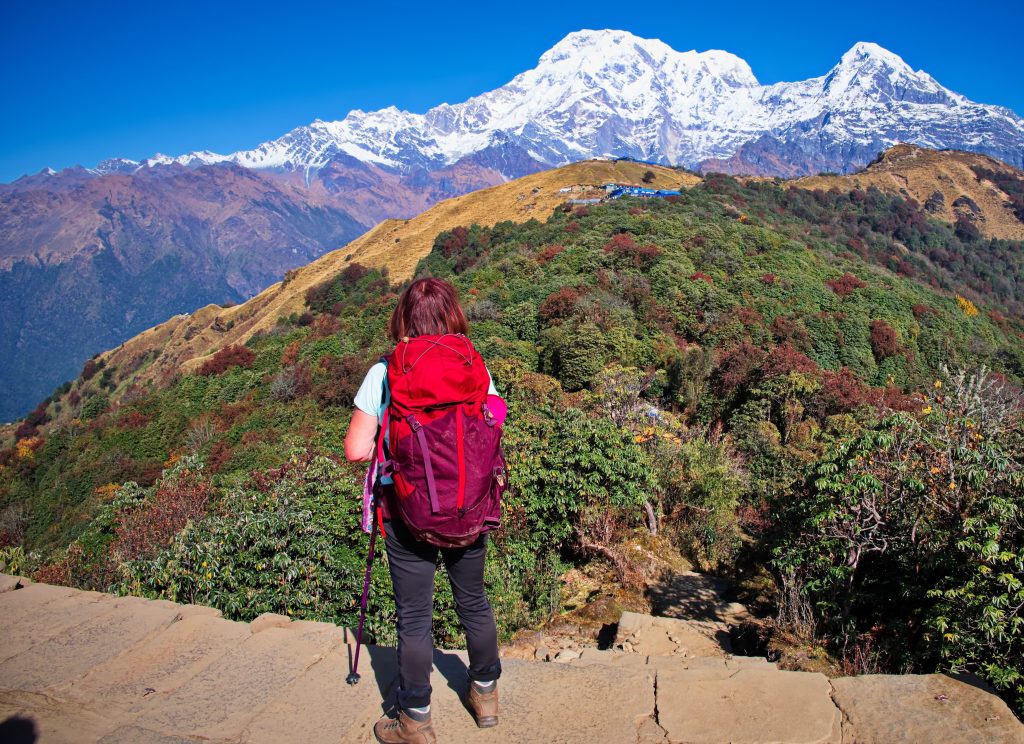
Before getting into specifics, it helps to understand that “Annapurna” can mean two different things. There’s the Annapurna Base Camp (ABC) trek, a shorter circuit that heads into the Annapurna Sanctuary and tops out at 4,130 meters. Then there’s the Annapurna Circuit, a much longer route that loops around the entire Annapurna massif, crossing the Thorong La Pass at 5,416 meters. That’s a big difference in scope.
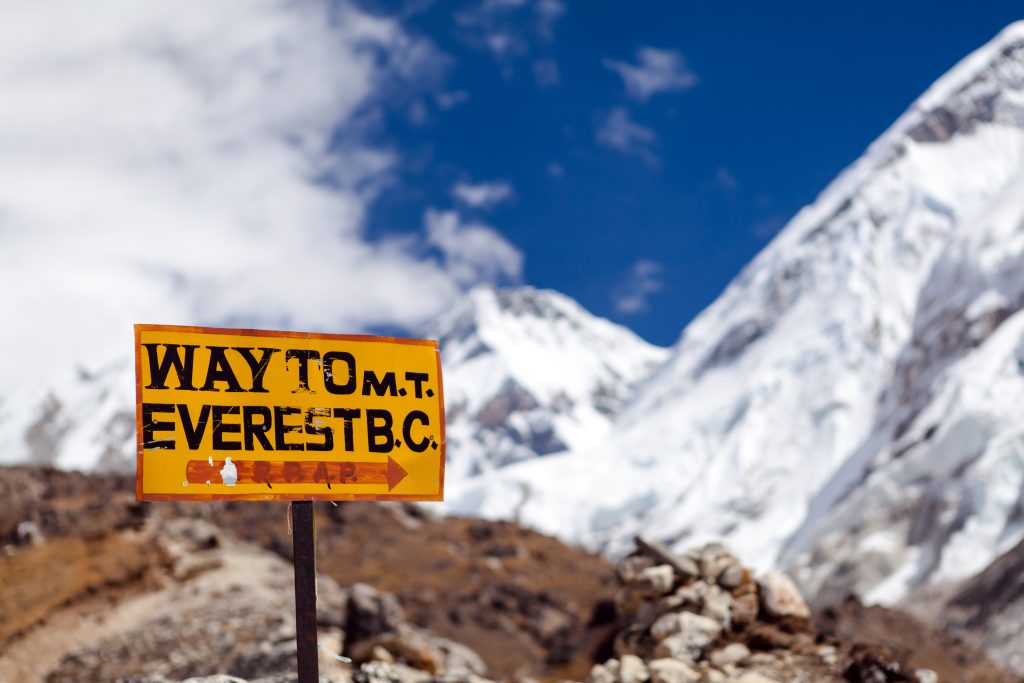
Everest Base Camp (EBC), meanwhile, is one singular, iconic route. You fly into Lukla, trek up through Sherpa country, and reach EBC at 5,364 meters, with an optional push to Kala Patthar at 5,555 meters for the mountain views most photos are actually taken from.
Here’s what most guides won’t tell you upfront: the “Annapurna vs EBC” debate is often comparing apples to oranges, because people lump ABC and the Annapurna Circuit together as if they’re the same thing. They’re not. So let’s be clear about what you’re actually choosing between.
Difficulty: Which Trek is Harder?
Altitude and Acclimatization
Everest Base Camp wins the altitude contest. Half of the EBC trail is spent above 4,000 meters: roughly 6 of the 12 days. Altitude sickness is a genuine risk, and you’ll need proper acclimatization days built into your itinerary. Most standard itineraries include a rest day in Namche Bazaar (3,440m) and another in Dingboche (4,360m).
Annapurna Base Camp tops out at 4,130 meters. You’re up high, and altitude sickness is still possible, but you spend far less time in the danger zone. For someone without previous high-altitude experience, that difference is significant.
The Annapurna Circuit crosses Thorong La at 5,416 meters, making it comparable in altitude to EBC, but the crossing is a single day, not a sustained multi-day experience above 5,000 meters.
Physical Demand
Both treks are physically demanding. Full stop. Don’t let anyone tell you otherwise.
EBC primarily tests your cardiovascular system and altitude tolerance. The terrain is rocky and uneven, but it’s not technically difficult. You’re walking on established paths the whole way. ABC involves steeper ascents through dense forests and exposed ridgelines, which some people find harder on the knees and legs. The Annapurna Circuit adds the challenge of a long, exhausting high-altitude pass crossing that requires an early 4am start to summit Thorong La before afternoon winds hit.
The truth is: if you can hike 6 to 8 hours a day for 10 to 14 consecutive days, you can do either trek with proper preparation.
Duration: How Much Time Do You Have?
This is where the treks diverge most sharply.
Annapurna Base Camp: 7 to 12 days, depending on your pace and start point. Most people trek from Nayapul or Ghandruk and complete it in around 10 days total including travel from Pokhara.
Everest Base Camp: 12 to 16 days minimum, and that’s without cutting corners on acclimatization. Rushing this trek is how people end up in a helicopter evacuation. Budget at least 14 days on the mountain.
Annapurna Circuit: 15 to 22 days. If you’re road-shortening the circuit from Manang or Muktinath, you can shave it down, but it defeats part of the purpose.
If you’re working with a two-week vacation window, Everest Base Camp is tight but doable. ABC fits more comfortably. The Annapurna Circuit really needs three weeks to breathe.
Cost: What’s the Real Price Tag?
Getting There
Here’s where the treks separate in a way most budget travelers don’t factor in early enough. Getting to the start of EBC requires a flight from Kathmandu to Lukla. That flight costs around $200 to $320 each way, and Lukla is infamous for weather delays. You can easily add two or three unplanned nights in Kathmandu waiting for your flight to leave. Budget extra cushion.
Annapurna is road-accessible. A tourist bus from Kathmandu to Pokhara runs about $8 to $15 and takes 7 hours. From Pokhara, a jeep or local bus gets you to the trailhead. No flights, no airport chaos, no weather roulette.
Permits
For ABC, you need the ACAP (Annapurna Conservation Area Permit) at NPR 3,000 (around $23) and a TIMS card at NPR 2,000, though TIMS is currently optional in the Annapurna region as of 2026.
For EBC, you need the Sagarmatha National Park permit (around NPR 3,390, about $26) and the Khumbu Pasang Lhamu Rural Municipality permit (NPR 2,000). No TIMS required in the Everest region.
Permits for both treks land in roughly the same range: around $40 to $50 total. The cost difference lies in transportation, guide fees, and the longer duration of EBC.
Total Trek Budget
A self-guided Annapurna Base Camp trek on a tight budget: around $600 to $900 all-in from Pokhara. A guided tour with agency: $800 to $1,200.
Everest Base Camp budget trek: $1,000 to $1,500. With a reputable agency: $1,300 to $1,800.
The Lukla flights plus the extra days on the trail make EBC noticeably more expensive, even at the budget end.
Scenery and Experience: The Character of Each Trek
Annapurna: Green, Lush, and Culturally Rich
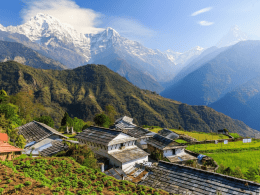
Annapurna doesn’t throw you straight into the mountains. It eases you in through rhododendron forests blazing with reds and pinks in spring, terraced farms, and gurgling Modi Khola river valleys. The approach to ABC is genuinely beautiful, not just dramatic. You pass through Gurung and Magar villages, share teahouses with local farmers, and eat dal bhat at elevations where cell reception still works.
Then you enter the Annapurna Sanctuary. It’s one of those rare moments in trekking where the landscape changes so suddenly it stops you mid-step. An enormous natural amphitheater of snow and ice opens up, ringed by Annapurna I (8,091m), Annapurna South, Gangapurna, Hiunchuli, and the sacred, unclimbed Machapuchare (6,993m) known as Fishtail for its distinctive twin-summit silhouette. Standing at base camp here feels earned in a way that’s hard to describe until you’ve done it.
Everest: Raw, High, and Iconic
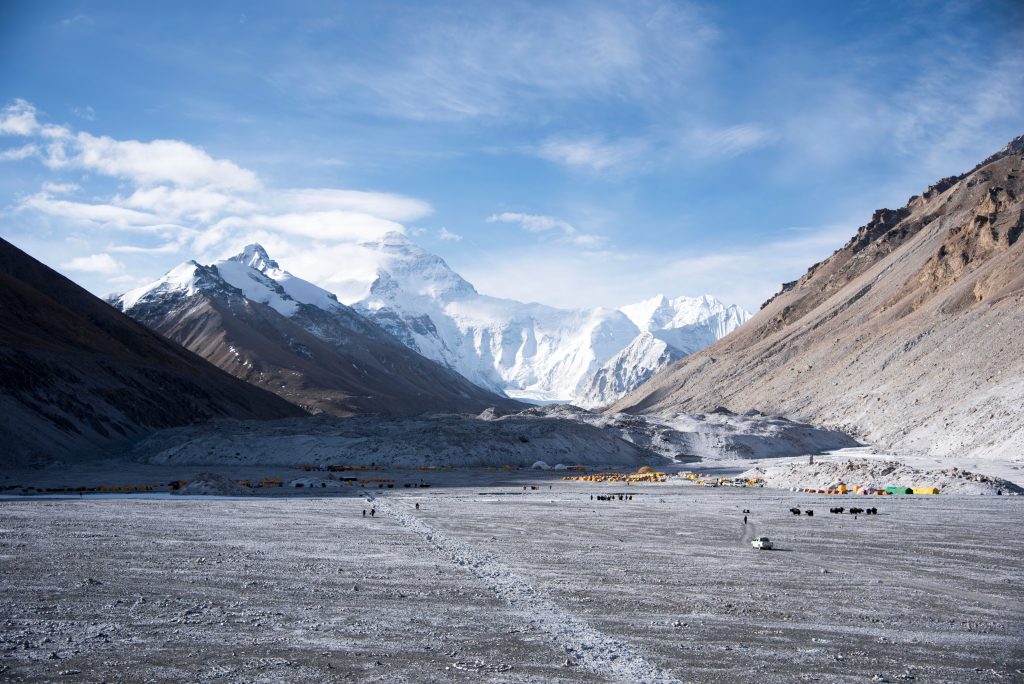
The Everest trail delivers something ABC simply cannot: the world’s highest mountain, up close. Views of Everest don’t really open up until you’re well above Namche, but when they do, at places like Tengboche, Dingboche, and especially from Kala Patthar, they’re staggering.
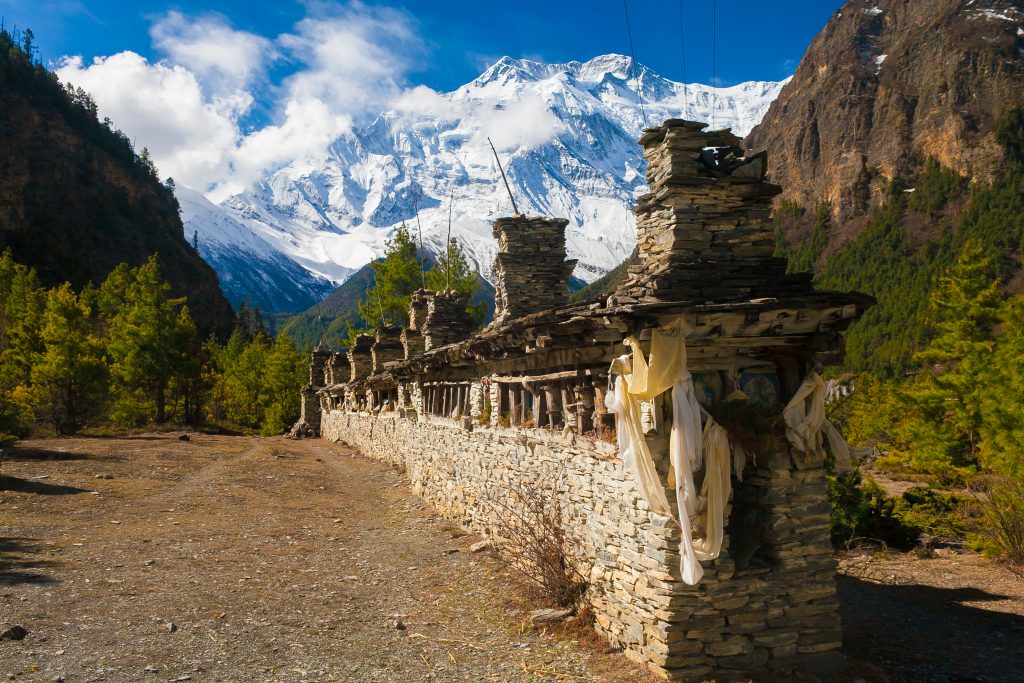
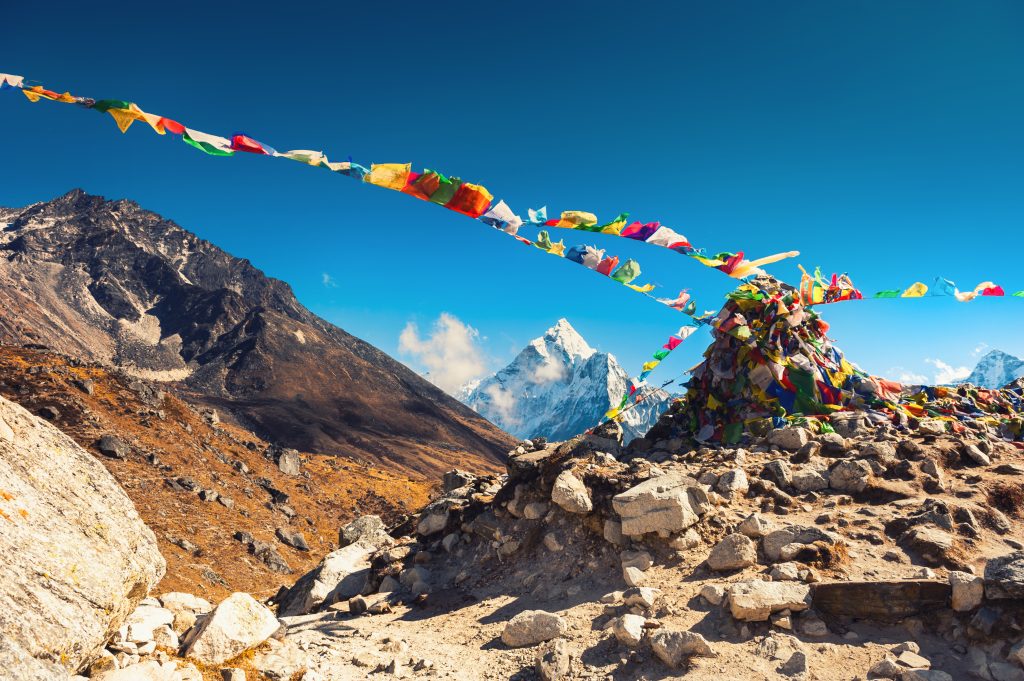
The culture is distinct too. Sherpa villages are deeply Buddhist, with mani stones, prayer flags snapping in the wind, and monasteries like Tengboche (3,867m) that have stood for over a century. It feels ancient in a way that’s hard to replicate. For a deeper understanding of what makes this region special, check out our trekking in Nepal for beginners guide before you set off.
The downside: EBC is also considerably more crowded, especially in peak spring season. The trail from Lukla to Namche can feel like a freeway on busy days in April and October.
Best Season for Each Trek
Both treks share the same two prime windows.
Spring (March to May): Rhododendrons bloom on Annapurna. Clear skies dominate on Everest. Temperatures are mild at lower altitudes, cold but manageable up high. Crowds peak in April and May on EBC.
Autumn (September to November): Post-monsoon clarity makes this arguably the better season for mountain views. Less crowded than spring on most trails. October is the golden month for both.
Avoid the monsoon season (June to August) unless you genuinely enjoy hiking in thick cloud, leeches on the lower trails, and the occasional washed-out path. Winter (December to February) is possible but cold enough that Thorong La often closes on the Annapurna Circuit. EBC is doable in winter but significantly harder.
Which Trek is Better for Beginners?
This is where most people go wrong: they treat “beginner” as a fixed category rather than a spectrum.
If you’ve never done multi-day trekking before, Annapurna Base Camp is the smarter first choice. Lower altitude means a more forgiving acclimatization curve, the shorter duration reduces total fatigue accumulation, and it’s easier to bail out if something goes wrong. Plenty of fit beginners complete EBC every year, but they tend to be people who trained seriously and had the flexibility to take extra acclimatization days.
The Annapurna Circuit sits somewhere in between: longer than ABC and with a higher pass, but with more cultural variety and flexibility to shorten the route if needed.
If you already have trekking experience above 3,000 meters and you’re fit, EBC is absolutely achievable. Just don’t skip acclimatization days. That’s where people get into trouble.
You can also read our full guide to Pokhara travel since it’s the base for most Annapurna treks. It’s a city worth lingering in for a few days before and after.
The Verdict: Annapurna or Everest Base Camp?
Choose Annapurna Base Camp if: you have 10 to 12 days, you’re new to high-altitude trekking, you want a lower budget, or you want more cultural and natural variety.
Choose Everest Base Camp if: you want to see Everest, you have 14 to 16 days, you have some trekking experience or are seriously fit, and the iconic factor matters to you.
Choose the Annapurna Circuit if: you have three weeks, you want the most complete trekking experience in Nepal, and you’re ready for a genuine adventure rather than just a trail.
There’s no wrong answer here. Both treks will change how you see the world. According to Nepal Tourism Board data, the Annapurna and Everest regions together host over 150,000 trekkers annually, and nearly all of them finish wishing they had more time.
Frequently Asked Questions
Is Annapurna Base Camp easier than Everest Base Camp?
Generally, yes. Annapurna Base Camp tops out at 4,130 meters compared to EBC’s 5,364 meters. The lower altitude means less risk of acute mountain sickness and a more forgiving acclimatization schedule. Duration is also shorter at 7 to 12 days versus 12 to 16 days for EBC.
Can a beginner do Everest Base Camp?
A fit beginner can, but it requires serious preparation. You need to be comfortable hiking 6 to 8 hours a day for consecutive days, ideally with some prior trekking experience. Never skip acclimatization days on EBC, no matter how good you feel. The altitude on EBC is unforgiving when people rush.
How much does each trek cost in 2026?
Annapurna Base Camp runs roughly $600 to $1,200 depending on whether you hire a guide and agency. Everest Base Camp tends to cost $1,000 to $1,800, with the Lukla flights adding $400 to $650 in aviation costs alone. Both figures are from Pokhara and Kathmandu respectively, excluding international airfare.
Which trek has better mountain views?
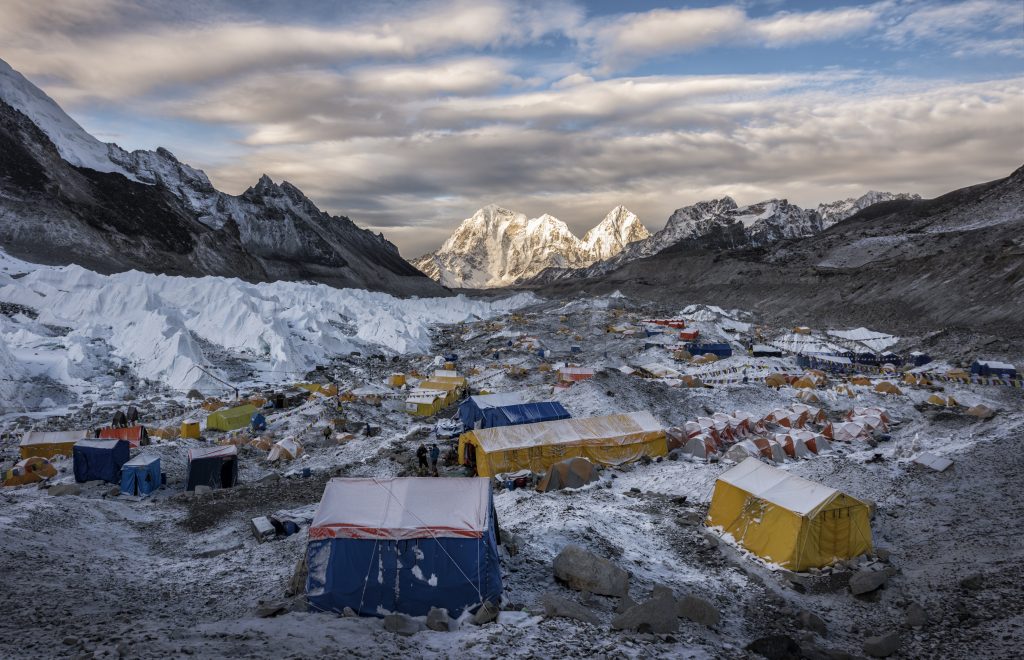
EBC gives you closer views of Everest and the famous Khumbu Icefall. ABC drops you into the Annapurna Sanctuary, which many trekkers describe as more dramatic because you’re surrounded by mountains on all sides. Both deliver extraordinary views. It comes down to whether you want to look at Everest or be inside a mountain amphitheater.
Do I need a guide for these treks?
Nepal made registered guides mandatory for most trekking regions in April 2023. For both Annapurna and Everest regions, you are legally required to trek with a licensed guide. Solo, unsupported trekking is no longer permitted on these trails.
What permits do I need for each trek?
For Annapurna Base Camp: ACAP permit (NPR 3,000) and TIMS card (NPR 2,000, currently optional in the Annapurna region in 2026). For Everest Base Camp: Sagarmatha National Park permit (approx. NPR 3,390) and Khumbu Pasang Lhamu Rural Municipality permit (NPR 2,000). No TIMS required in the Everest region.
When is the best time to do either trek?
Spring (March to May) and autumn (September to November) are ideal for both. October is widely considered the single best month for mountain clarity and trail conditions. Avoid the monsoon season from June to August if at all possible.
Can I do both the Annapurna and Everest Base Camp trek in one Nepal trip?
Yes, but you’ll need at least four to five weeks. Many serious trekkers do ABC or the Annapurna Circuit first since it’s accessible from Pokhara, then travel back to Kathmandu for a rest before flying to Lukla for EBC. It’s a challenging but deeply rewarding combination.