



Step-by-step dumplings + classic tomato-sesame achar
Table of Contents
- Read Also
- What you’ll make
- Ingredients
- Equipment (simple)
- Step-by-step: Make the momo
- Optional: Turn steamed momo into “kothey” (pan-fried + steamed)
- Make the classic momo achar (the real Nepali feel)
- How to serve (Nepali-style)
- Troubleshooting (so you don’t waste a batch)
- Storage (practical for meal prep)
- Quick note on “authenticity”
- Questions Answered
- Next Up
If you’ve eaten momo in Nepal, you already know the “secret” isn’t only the dumpling. It’s the full combo: a thin wrapper, a juicy filling, and a bold tomato-sesame achar on the side.
This recipe stays close to common Nepali home/restaurant methods: simple wheat-flour dough, a seasoned filling, steamed momos (with options to fry/pan-fry), and a classic momo achar built around roasted tomatoes and toasted sesame.


What you’ll make

- Steamed momo (the classic; you can also pan-fry or deep-fry if you want)
- Classic momo achar (tomato + sesame base, roasted and blended)
Ingredients
A) Dough (wrappers)
- All-purpose flour (maida) or plain flour
- Water
- Salt
- (Optional) a little oil
This “flour + water + salt (and sometimes oil)” dough method is a standard momo approach used in many Nepali momo recipes.
Rule of thumb: you want a firm-but-pliable dough (slightly stiffer than naan dough), so the wrappers stay thin without tearing.
B) Filling (choose one)
Option 1: Chicken filling (visitor-friendly)

- Minced chicken
- Finely chopped onion
- Garlic + ginger (minced or paste)
- Chopped cilantro (coriander leaves)
- Salt + black pepper
- Optional: a little cumin/coriander powder
Option 2: Veg filling (easy and common)
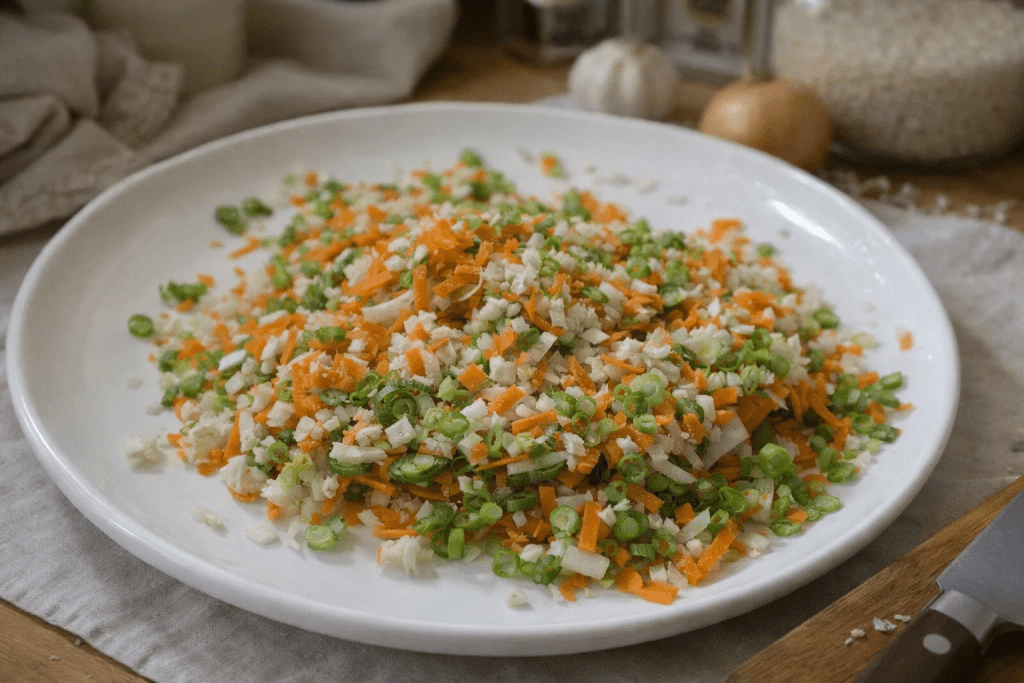
- Finely chopped cabbage
- Grated carrot (optional but nice)
- Finely chopped onion or scallions
- Garlic + ginger
- Cilantro
- Salt + pepper
Option 3: Buff filling (very common in Nepal)
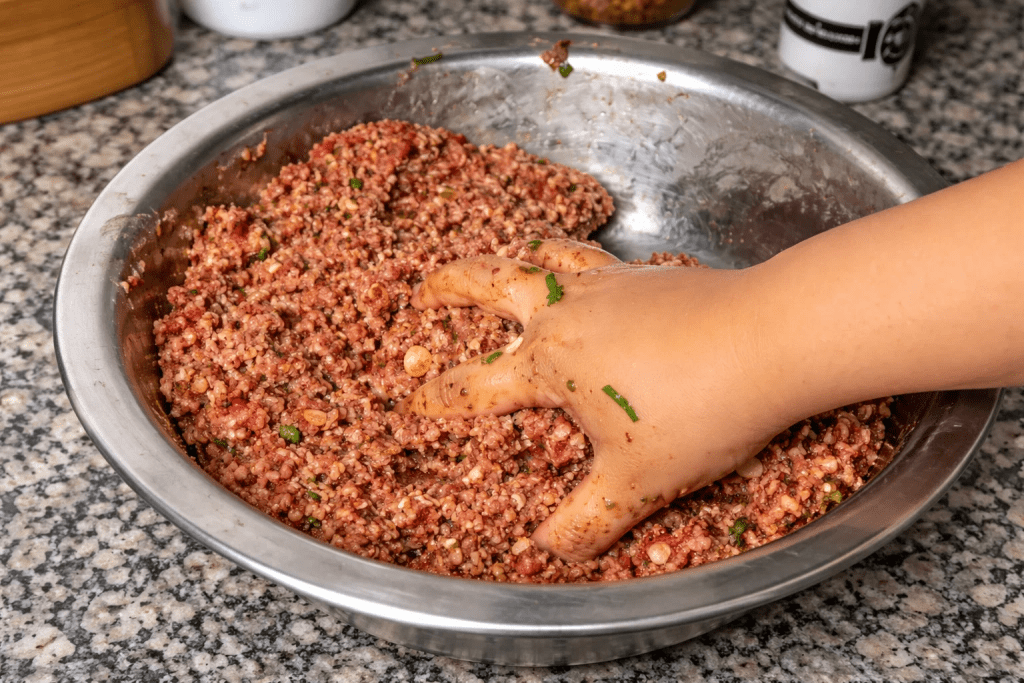
“Buff momo” (water buffalo) is widely common in Nepal; you can replicate it by using minced buffalo if available, or substitute with beef/lamb depending on your preference and dietary comfort.
Juiciness tip (important): Add 1–2 tablespoons of water to the filling mix and stir well. Many momo cooks do this so the steamed dumpling stays juicy.
C) Classic Nepali momo achar (tomato-sesame)
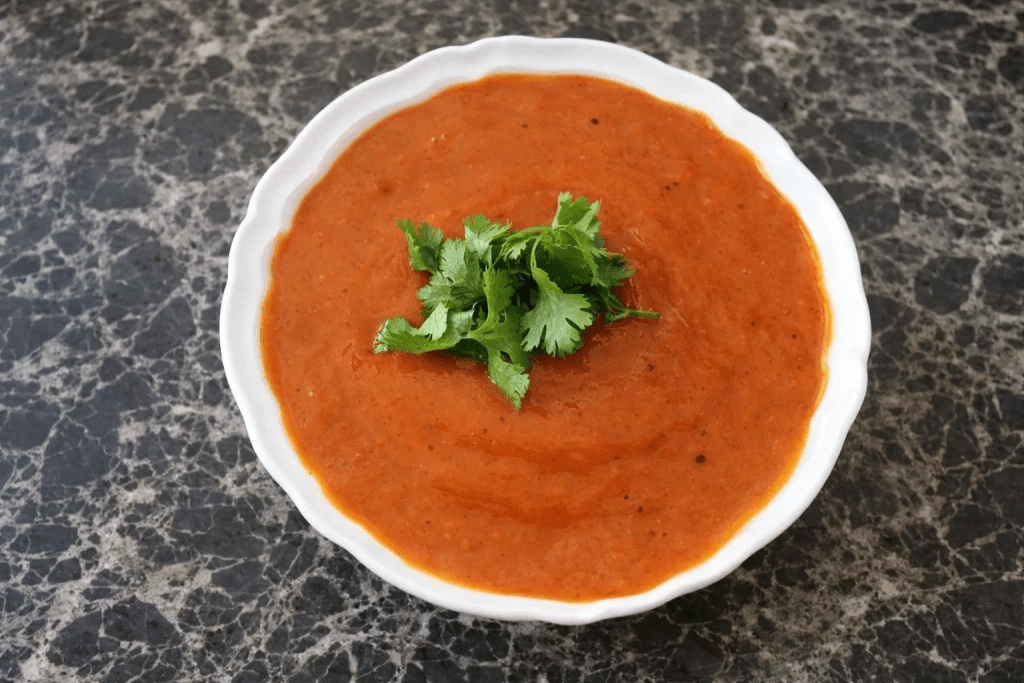
This version is consistent across multiple Nepali recipe references: roast tomatoes, toast sesame/cumin/mustard, grind, blend with aromatics and lime.
You’ll need:
- Tomatoes (roasted until charred)
- Sesame seeds
- Cumin seeds
- Mustard seeds
- Garlic
- Ginger
- Fresh chilies (or dried red chilies)
- Cilantro
- Lime zest + lime juice
- Salt
- Optional: timur (Nepali Sichuan pepper), asafetida (hing)
Equipment (simple)
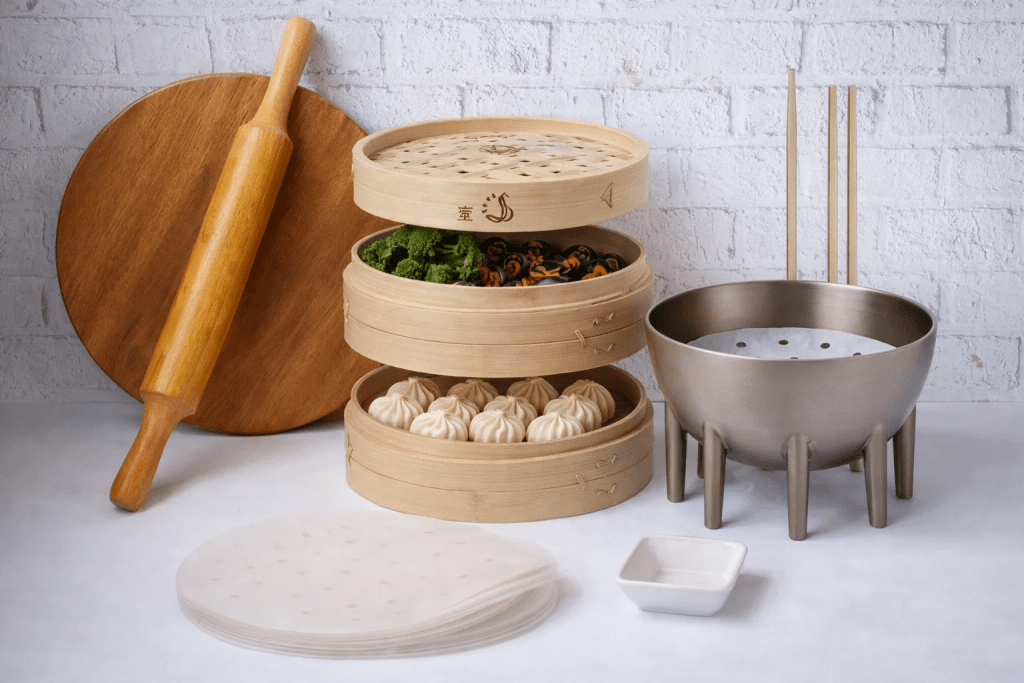
- A steamer (momo steamer, bamboo steamer, or any pot + steaming rack)
- Mixing bowls
- Rolling pin (or a bottle works in a pinch)
- Parchment/cabbage leaves/oiled steamer liner to prevent sticking
Step-by-step: Make the momo
Step 1) Make and rest the dough (15 minutes hands-on + 30 minutes rest)

- In a bowl: mix flour + salt.
- Add water gradually and mix until shaggy.
- Knead 8–10 minutes until smooth and elastic.
- Cover and rest for 30 minutes.
That rest is not optional if you want easy rolling. A common momo method is to knead until homogeneous and rest before shaping.
Step 2) Make the filling (10–15 minutes)
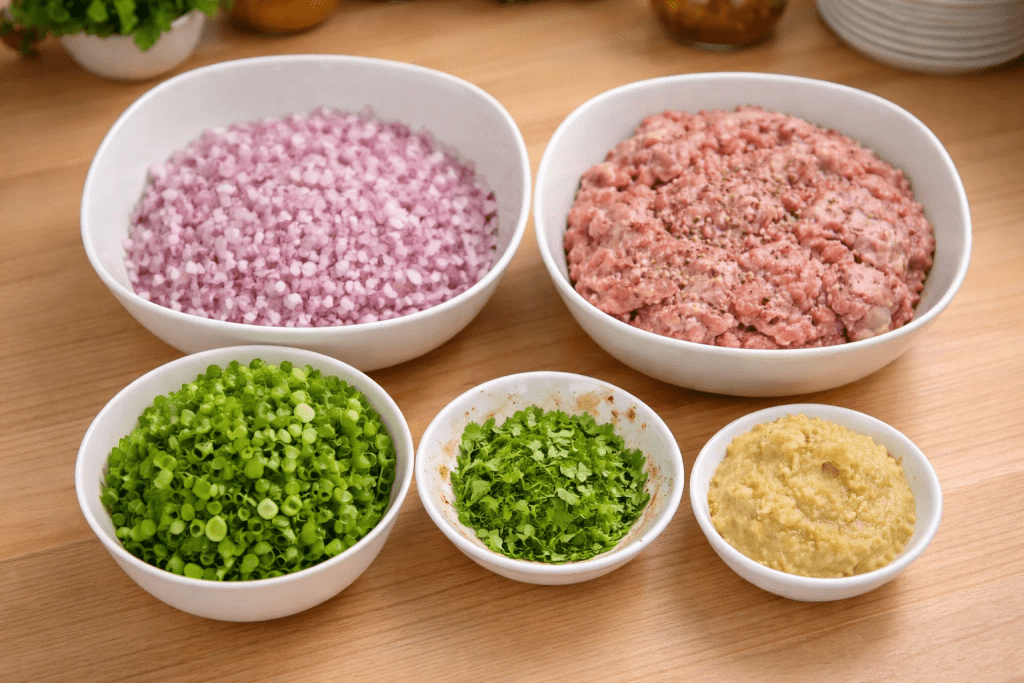
- Combine your chosen filling ingredients.
- Mix thoroughly until it looks slightly “sticky” (this helps bind).
- Add 1–2 tbsp water and mix again (for juiciness).
- Taste-check seasoning by cooking a tiny spoonful in a pan.
Step 3) Shape wrappers (the part that gets faster with practice)
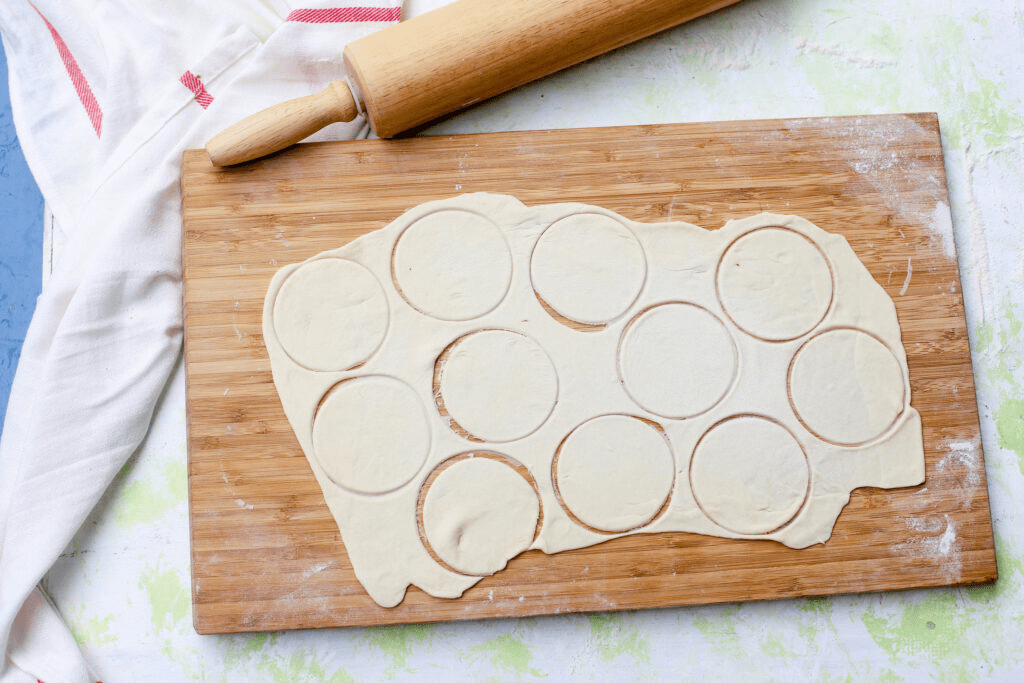
- Roll dough into a log.
- Cut into small pieces (think: large grape / small walnut size).
- Flatten each piece and roll into a thin circle:
- slightly thicker in the center
- thinner on the edges
- slightly thicker in the center
Wrapper goal: thin enough to look delicate, strong enough not to tear when pinching.
Step 4) Fill and fold (basic pleated “round momo”)
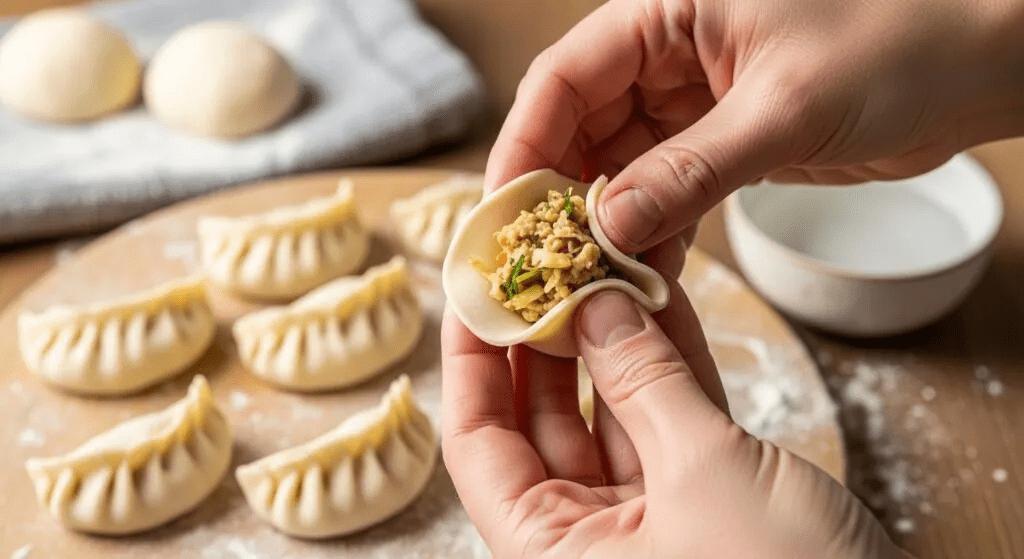
- Place the wrapper on your palm.
- Add filling (don’t overstuff).
- Pinch pleats around the edge, rotating as you go.
- Twist and seal at the top.
Don’t stress about perfect shapes. The first batch is always “learning momo.”
Step 5) Steam (10–12 minutes)
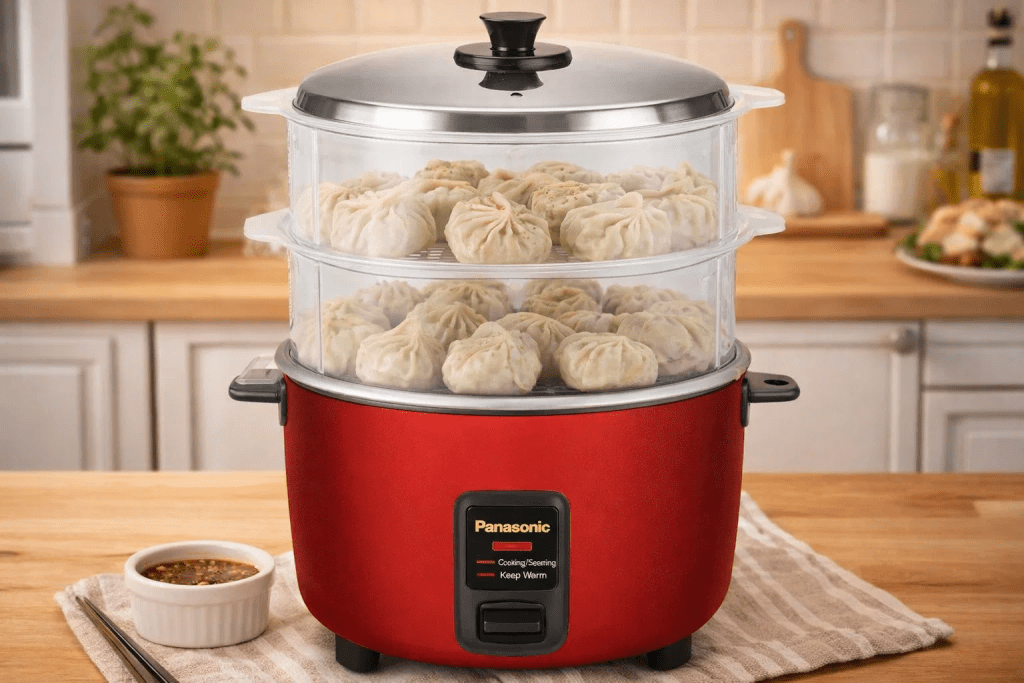
- Lightly oil the steamer tray or line it.
- Place momos with space between them.
- Steam until wrappers look slightly translucent and feel firm.
Steaming is the classic method; momos can also be pan-fried or deep-fried depending on the style you want.
Food safety note: If using chicken/buff, make sure the filling is fully cooked. If you’re unsure, steam 2–3 minutes longer and cut one open to check.
Optional: Turn steamed momo into “kothey” (pan-fried + steamed)
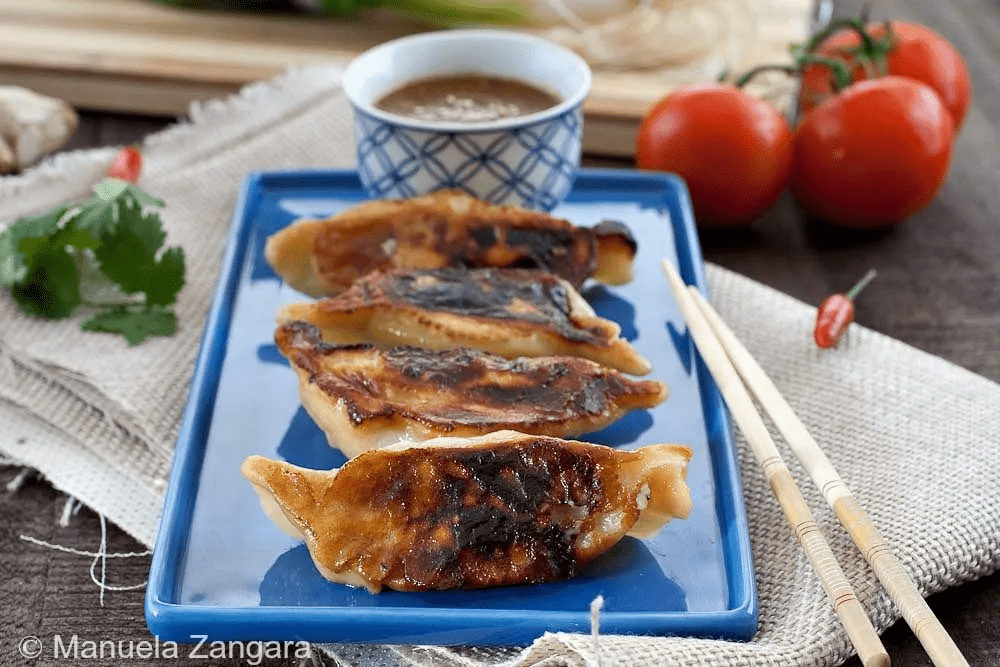
- Heat a pan with a little oil.
- Place steamed momos and crisp the bottoms.
- Add a splash of water, cover, and steam 1–2 minutes to re-soften the wrapper.
This gives you that crispy-soft contrast many momo fans love.
Make the classic momo achar (the real Nepali feel)
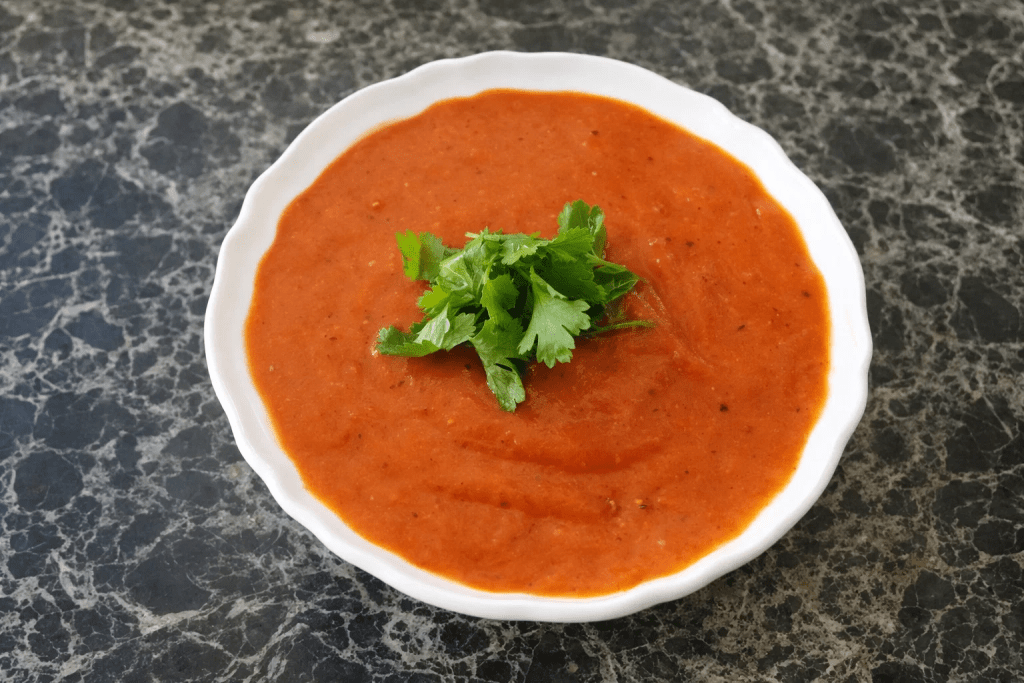
This achar method is consistent in both iNepal and Explore Nepal recipe instructions: roast tomatoes, toast sesame/cumin/mustard, grind into powder, blend with aromatics, lime, and spices.
Step-by-step achar
- Roast tomatoes until the skin chars (oven or open flame).
- Peel off charred skin; keep the flesh.
- Toast sesame + cumin + mustard seeds in a pan until aromatic (don’t burn).
- Grind toasted seeds into a powder.
- Blend: roasted tomatoes + seed powder + cilantro + chilies + garlic + ginger + salt + lime zest/juice.
- Optional: add timur or hing if you have it.
Adjust texture: Add a spoon of water if you want it more “dip-like,” or keep thick for a punchier sauce.
How to serve (Nepali-style)

- Hot momo, straight from the steamer
- Achar on the side (or for jhol lovers: thinned into a warm, soupy sauce)
Eating tip: Take one bite first without drowning it—then dip more aggressively once you know the spice level.
Troubleshooting (so you don’t waste a batch)
Wrappers tearing
- Dough too dry → add a tiny splash of water and knead again
- Dough not rested → rest 20–30 minutes
- Rolled too thin in the center → keep center slightly thicker
Momos sticking to steamer
- Always oil or line the steamer
- Avoid overcrowding (steam needs to circulate)
Filling turns dry
- Add a bit of water while mixing (big difference)
- Don’t oversteam
Achar tastes “flat”
- Add more lime juice and salt
- Toast sesame properly (aroma matters)
- Add a little more chili/garlic
Storage (practical for meal prep)
- Freeze uncooked momos on a tray first, then bag them.
- Steam from frozen (add a few extra minutes).
- Achar keeps best refrigerated and tastes even better after a few hours.
Quick note on “authenticity”
There isn’t one single momo recipe in Nepal. Homes and momo shops vary—especially the achar (tomato-sesame, peanut/soybean, or jhol versions). But the methods above align with common Nepali recipe references for momo dough and classic achar preparation.


