


Discover the Magic of Trekking in Nepal Through Its Lesser-Known Trails
When people think of Trekking in Nepal, iconic routes like Everest Base Camp and the Annapurna Circuit usually steal the spotlight. But Nepal is so much more than just these popular paths. For those seeking authentic adventures and soulful solitude, there’s a whole world of hidden trails waiting to be explored. These lesser-known treks offer not only raw natural beauty but also a deep connection to culture, tradition, and spirituality.
If you’re someone who craves more than just crowded base camps and wants to experience Trekking in Nepal through its quieter, untouched routes, you’re in for a real treat. Let’s dive into some of Nepal’s best-kept secrets—perfect for those who want to take the road less traveled.


1. Kanchenjunga Base Camp Trek – A Remote Gateway to Trekking in Nepal
Located in eastern Nepal, this offbeat trek takes you to the base of the world’s third-highest peak. It’s peaceful, less commercialized, and offers intimate interactions with the local Limbu and Rai communities.
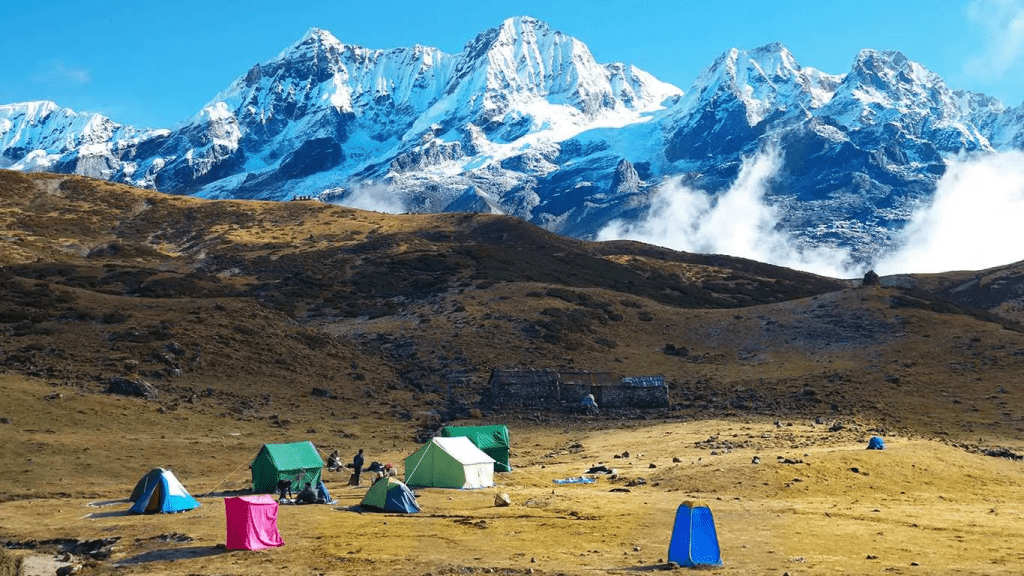
Why Go? This trail truly reflects the essence of Trekking —breathtaking mountains, thick forests, and age-old culture minus the crowd.
2. Upper Dolpo Trek – Dive into the Soul of Trekking in Nepal
One of the most isolated regions in the country, Upper Dolpo is deeply rooted in Tibetan culture. It’s raw, it’s rugged, and it’s real. The route introduces you to cliff-side monasteries, high passes, and the serene Shey Phoksundo Lake.
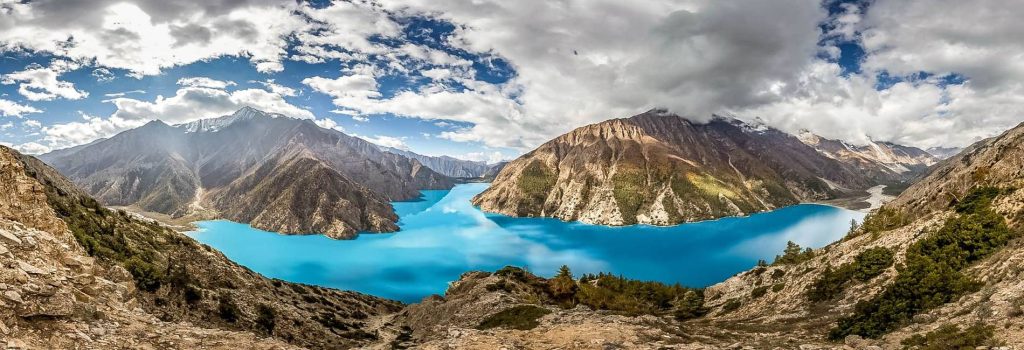
What’s Unique? Few places offer such a spiritual and cultural blend. It’s Trekking at its purest.
3. Rara Lake Trek – Tranquility Beyond Imagination
Far removed from mainstream routes, the Rara Lake trek leads you to Nepal’s largest and one of its most pristine lakes. In fact, picture-perfect scenery, peaceful vibes, and crystal-clear waters make this trek ideal for nature lovers.
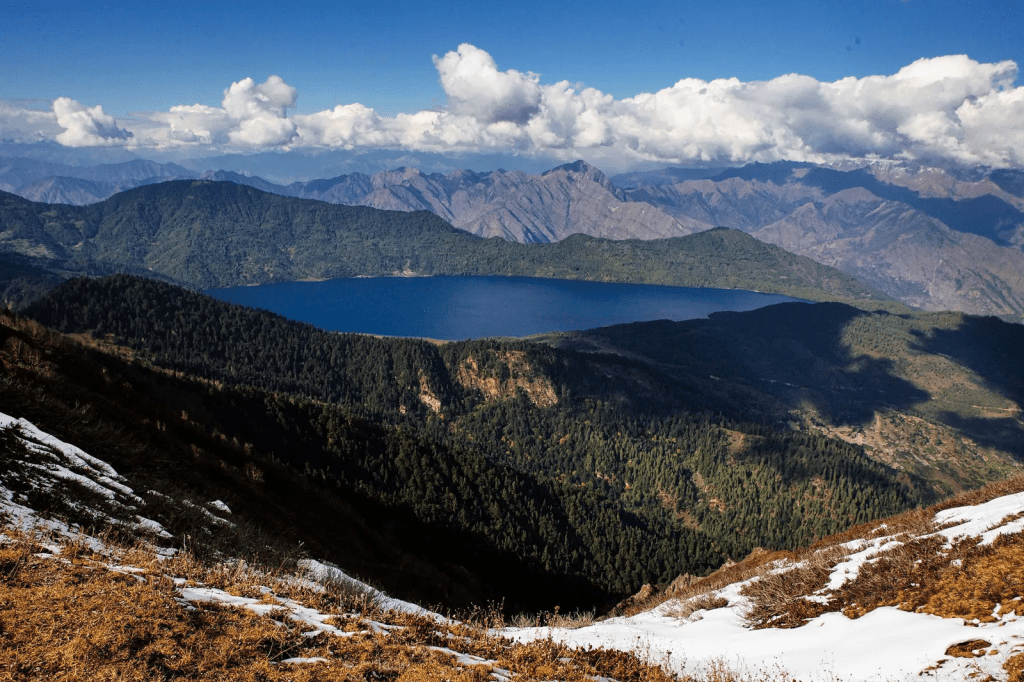
Why You’ll Love It: For anyone wanting a calming, immersive experience of Trekking, Rara Lake is a must.
4. Makalu Base Camp Trek – Raw Wilderness Awaits
If you want wild terrain, incredible biodiversity, and dramatic mountain views, this trek delivers. The journey is physically demanding, but the solitude and beauty make it worthwhile.
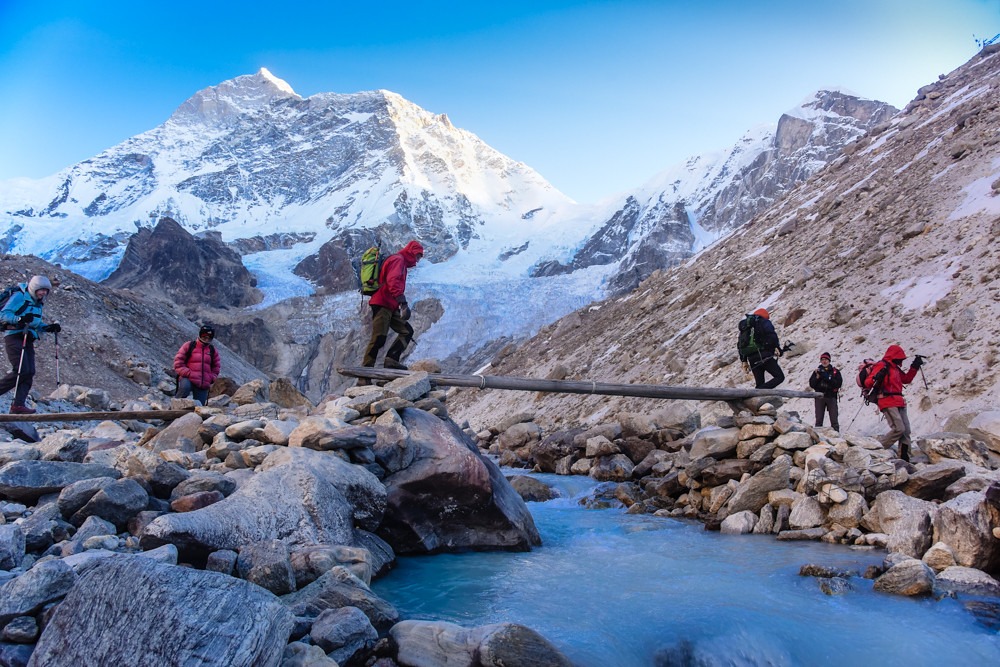
Highlight: Spot rare wildlife and enjoy panoramic views of Makalu, Everest, and more—real rewards of Trekking.
5. Tsum Valley Trek – Spiritual Bliss in a Hidden World
A sacred Himalayan valley where ancient monasteries and deep Buddhist roots still flourish, Tsum Valley is ideal for those seeking inner peace and spiritual adventure.
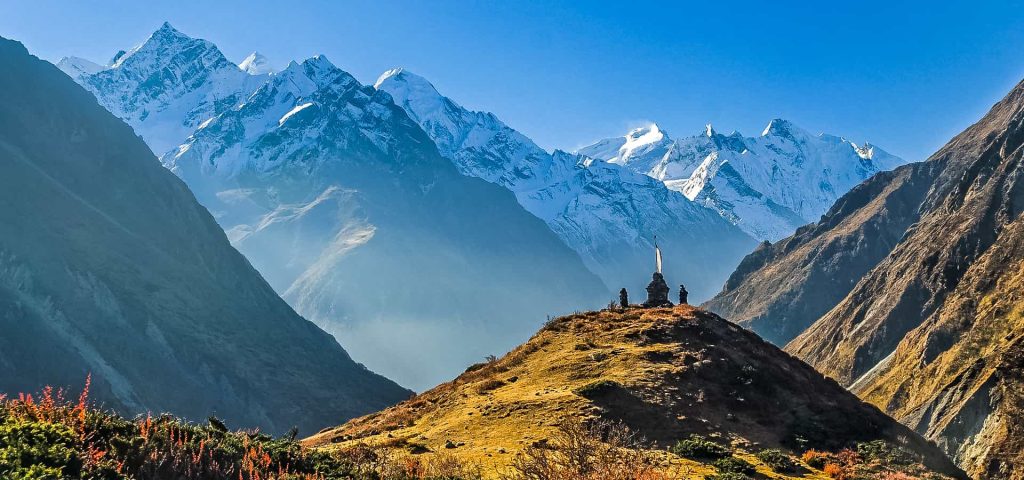
The Experience: From friendly locals to peaceful mountain trails, this route encapsulates the soulful side of Trekking.
6. Arun Valley Trek – A Journey Through Untamed Beauty
This lesser-known trek is a treasure trove of biodiversity, flowing rivers, and remote villages. The contrast between lowland agriculture and alpine terrain makes it truly unique.
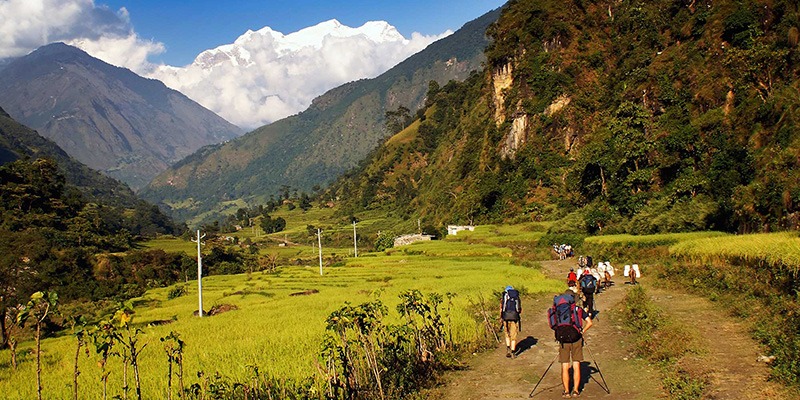
What Stands Out? Incredible mountain vistas and meaningful cultural encounters—an authentic slice of Trekking life.
7. Gosaikunda Lake Trek – Sacred and Scenic
One of Nepal’s most revered sites, Gosaikunda Lake is not just a trek; in fact is a spiritual journey. Pilgrims and trekkers alike are drawn to its serene blue waters and panoramic mountain surroundings.
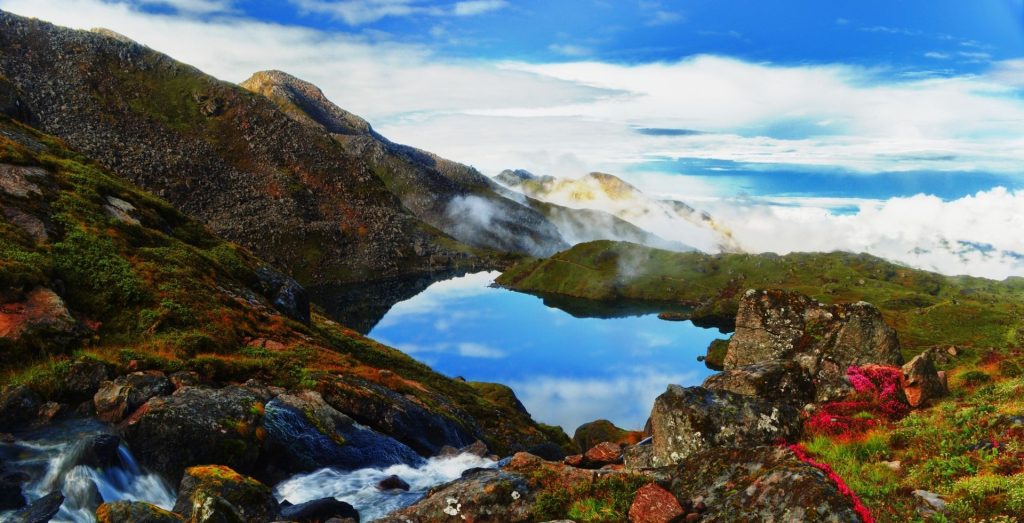
Cultural Note: The blend of spiritual energy and natural splendor makes this trek a sacred chapter of Trekking.
Final Thoughts: Trekking in Nepal Beyond the Ordinary
There’s so much more to trekking in Nepal than brochures show — hidden trails, rich culture, and breathtaking offbeat adventures await. Beyond the well-trodden trails of Everest Base Camp lie hidden routes that offer something deeper—quiet moments, rich cultural encounters, and a sense of connection you won’t find in the crowds. Whether you’re soaking in the serenity of Rara Lake or tracing the ancient trails of Tsum Valley, these journeys stay with you long after the trek ends.
So pack your gear, clear your mind, and choose a path less traveled. Trekking in Nepal isn’t just an adventure—it’s a journey into the heart of the Himalayas.