



While Chitwan National Park draws the crowds, its quieter eastern neighbor offers arguably the wilder experience. Parsa National Park remains one of Nepal’s least-visited protected areas, despite hosting a genuinely impressive rebound in its tiger population over the past decade. This guide explores the park’s history, wildlife, and everything you need to know before planning a visit to this often-overlooked corner of the Terai.
Understanding Parsa National Park means understanding a conservation success story still unfolding in relative obscurity. So, let’s dig into how this park came to be, and why it deserves more attention than it currently gets.
From Hunting Ground to Protected Wilderness
Long before conservation entered the picture, the forest now protected within Parsa National Park was known locally as Char-Koshe-Jhadi, a name referring to the sheer thickness and width of the woodland stretching across this part of the Terai. For generations, this dense forest served as a hunting ground for Nepal’s ruling class, much like neighboring Chitwan.


Becoming a Wildlife Reserve
That changed in 1984, when the area was formally established as Parsa Wildlife Reserve, covering 499 square kilometers across Parsa, Bara, and parts of Makwanpur districts. The reserve’s founding goal centered specifically on protecting the Asian wild elephant and preserving what remained of its Char-Koshe-Jhadi habitat, a forest type that once stretched across the entire Terai from east to west.
Expansion and Upgrade to National Park
In 2015, the protected area grew significantly, with 128.39 square kilometers added in Bara district, including the ecologically important Halkhoriya Lake. This expansion brought the park’s total area to 627.39 square kilometers. Two years later, on July 3, 2017, the Nepali government upgraded the site from a wildlife reserve to full national park status, making it the 12th national park in the country.
A buffer zone of 285.3 square kilometers, established back in 2005, surrounds the park across Bara, Parsa, and Makwanpur districts, home to roughly 14,000 households and around 85,000 people across two sub-metropolitan and three rural municipalities.
Where Parsa National Park Sits
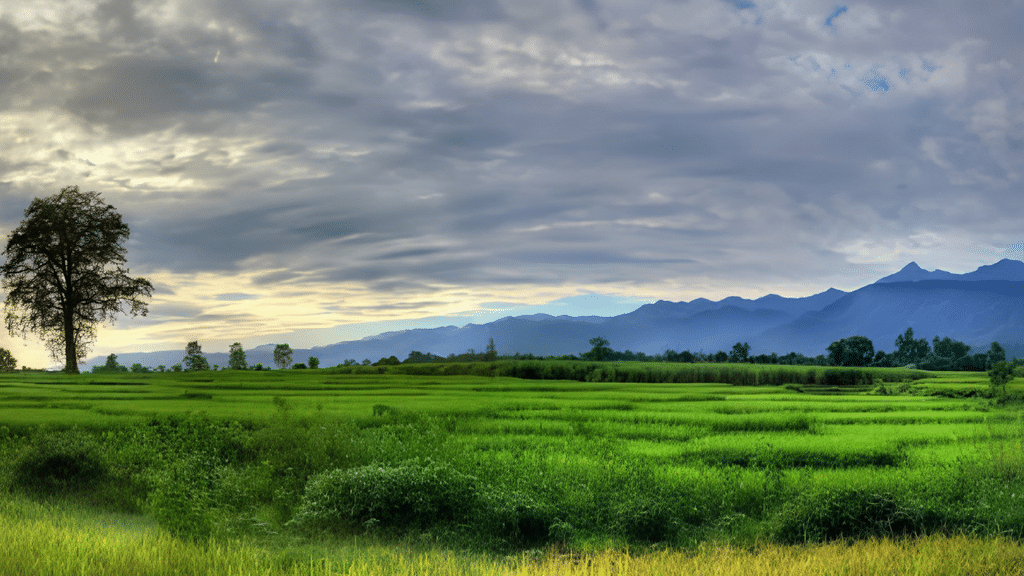
Parsa National Park occupies the inner lowland plains of south-central Nepal, spanning elevations between 435 and 950 meters within the Sivalik, or Churia, Hills. The nearest major city is Birgunj, making the park reasonably accessible from Nepal’s southern border region.
Natural and Political Boundaries
The East Rapti River and Sivalik Hills form the park’s natural boundary to the north, while the Hetauda-Birgunj highway marks its eastern edge. To the south, a forest road defines the boundary, and to the west, Parsa connects directly with Chitwan National Park, a UNESCO World Heritage Site.
Part of a Larger Tiger Landscape
This connection to Chitwan isn’t just geographic convenience. Together with India’s Valmiki Tiger Reserve to the southwest, Parsa and Chitwan form the Chitwan-Parsa-Valmiki Tiger Conservation Unit, a combined protected landscape of roughly 3,549 square kilometers. This cross-border cooperation gives wildlife, particularly wide-ranging species like tigers and elephants, considerably more room to move than any single park could offer alone.
A Genuine Tiger Conservation Success Story
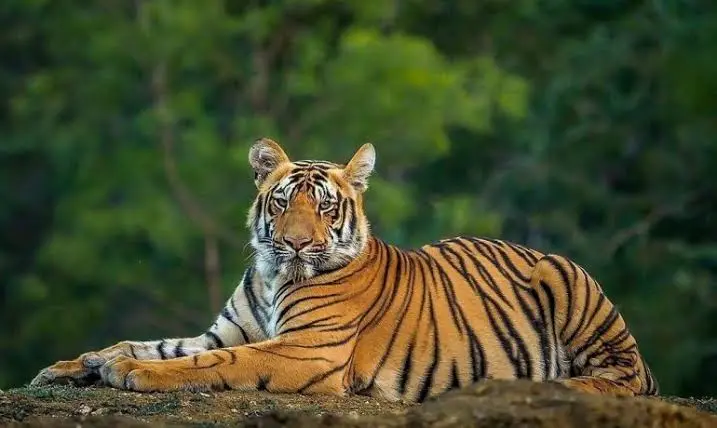
Perhaps the most compelling reason to pay attention to Parsa National Park is its remarkable tiger recovery over the past two decades.
The Numbers Tell the Story
A camera-trapping survey conducted in 2008 estimated just four adult Bengal tigers resident within the park. By February 2017, a follow-up three-month camera-trapping survey revealed the presence of 19 Bengal tigers, nearly a fivefold increase. This dramatic rise reflects both improved habitat protection and the park’s tighter ecological connection to neighboring Chitwan.
Gaur Numbers Are Climbing Too
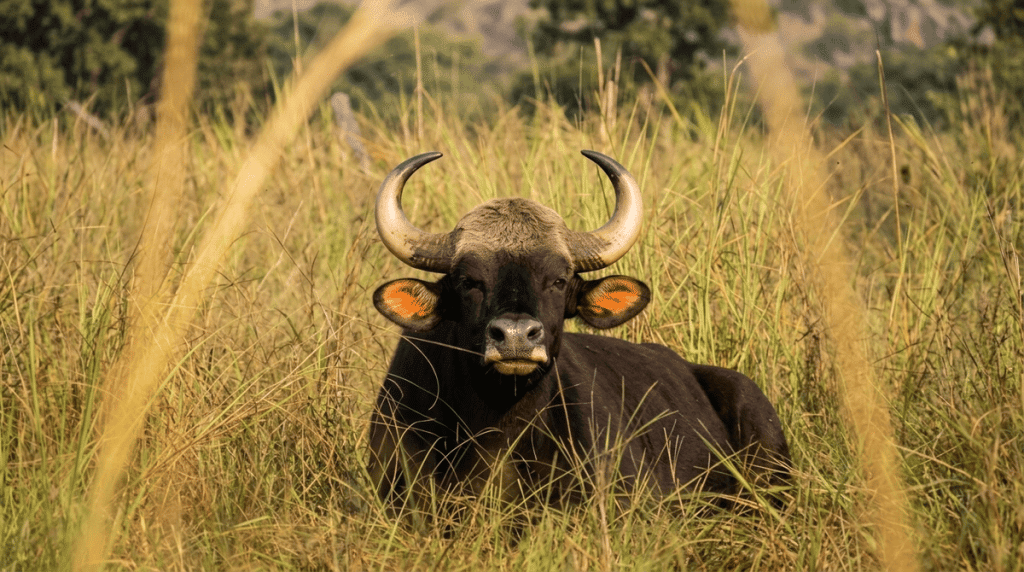
Tigers aren’t the only species showing encouraging growth. A 2008 census recorded 37 gaur, or Indian bison, within the reserve. By 2016, that number had risen to 105, another strong signal that the park’s conservation efforts are working across multiple species simultaneously.
The Wildlife of Parsa National Park
Beyond its headline tiger population, Parsa supports an impressively diverse range of species across mammals, birds, and reptiles.
Large Mammals
Alongside Bengal tigers and Asian wild elephants, the park is home to one-horned rhinoceros, sloth bears, and leopards. Sambar deer, hog deer, blue bull, four-horned antelope, striped hyena, jungle cat, palm civet, and pangolins round out the park’s broader mammal community.
A Genuine Birdwatcher’s Destination
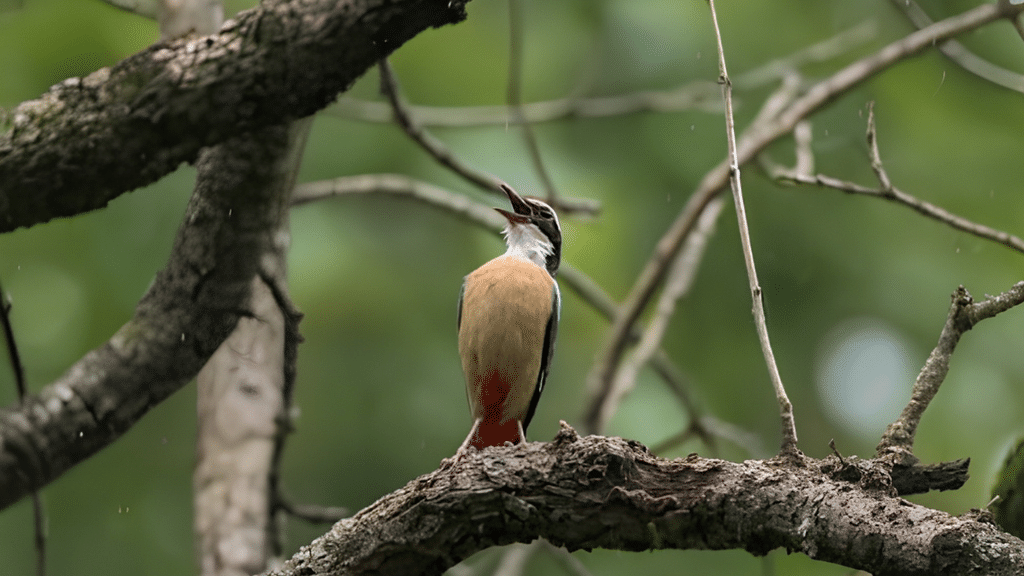
More than 500 species of resident and migratory birds pass through or live within Parsa National Park. Notable sightings include the endangered great hornbill, alongside black storks, white storks, peacocks, and the striking sarus crane. Birders can also spot white-breasted kingfishers, paradise flycatchers, large racquet-tailed drongos, and golden-backed woodpeckers throughout the park’s forest and wetland habitats.
Reptiles Worth Watching For
The park’s reptile population includes king cobras, common cobras, pythons, and both banded and common kraits, alongside yellow and golden monitor lizards. While encounters are relatively rare, these species reflect the ecological richness of the park’s forest floor and riverine habitats.
The Forest Itself
Roughly 90 percent of Parsa National Park is covered in sal forest, Nepal’s dominant lowland hardwood species. Pine trees appear in the park’s higher elevations, while khayar and sisau trees line the riverbanks. In total, researchers have documented 336 plant species within the park, 60 of which are edible, reflecting both the ecological and practical value of this forest to surrounding communities.
Dudheshwor Temple: A Hilltop Site of Worship and Views
Beyond its wildlife, Parsa National Park holds genuine religious significance. Dudheshwor Temple, dedicated to Lord Shiva and Goddess Parvati, sits atop a hill within the park, drawing pilgrims alongside wildlife tourists. Beyond its spiritual importance, the temple’s hilltop position offers sweeping views over the surrounding Terai lowlands, making it a worthwhile stop even for visitors primarily focused on wildlife.
Things to Do in Parsa National Park
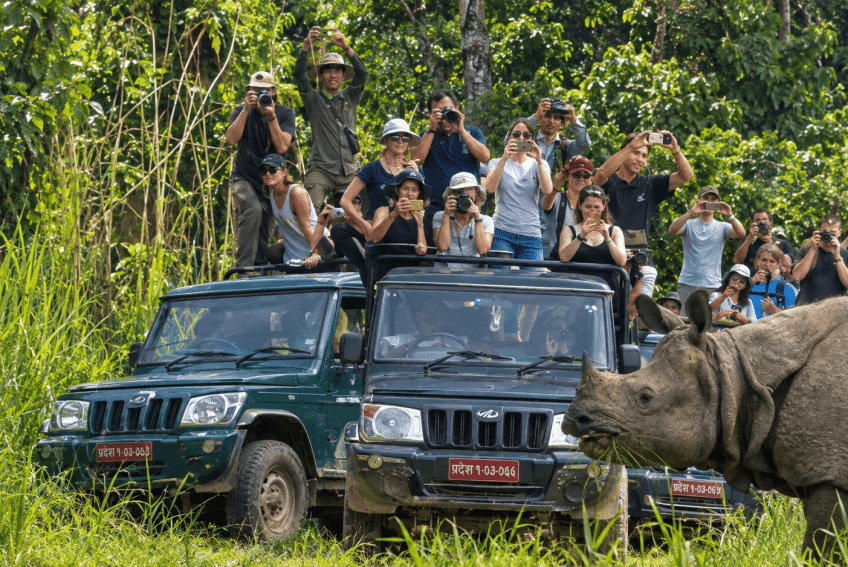
Unlike Chitwan’s more built-up tourism infrastructure, Parsa offers a genuinely rawer safari experience, built around a handful of well-established activities.
Elephant Back Safari
Three elephant camps operate within the park, located near Amlekhgunj in Bara district, Pratappur in Makwanpur district, and Gaduwaline in Parsa district. These camps offer elephant-back safaris, considered one of the best ways to get close to the park’s wildlife while remaining relatively safe from larger animals like tigers and rhinos.
Jeep and Jungle Drives
Jungle drives can be arranged from the park headquarters as well as from Amlekhgunj, Gaduwaline, and Pratappur, offering a faster-paced way to cover more ground and increase your chances of spotting larger mammals across the park’s varied terrain.
Canoe Rides
For a quieter, water-based perspective, canoe rides through the park’s rivers and wetlands offer opportunities to spot birds, reptiles, and other wildlife along the waterways, particularly around areas like Halkhoriya Lake.
Watch Towers and Bird Watching
Several watch towers positioned throughout the park allow visitors to observe wildlife, including elephants and tigers on occasion, from a safe, elevated vantage point. The tower near the park headquarters is particularly popular among birdwatchers hoping to catch both resident and migratory species.
Best Time to Visit
Parsa National Park’s climate follows a fairly predictable seasonal pattern, which shapes the best time to plan your visit.
Winter
Winter brings moderate temperatures with clear blue skies during the day, though nighttime temperatures can drop below freezing, so pack accordingly if visiting during this period.
Spring
Spring runs from roughly January through March, bringing hot, dry conditions and scarcer water sources, conditions that can actually improve wildlife visibility as animals congregate near remaining water bodies.
Summer
Summer, spanning April through June, brings hot and humid days, with temperatures regularly exceeding 40 degrees Celsius. This period demands careful hydration and sun protection if you plan to visit.
Monsoon
Monsoon season runs from July through September, bringing regular rainfall that refreshes the landscape but can also complicate travel and safari logistics.
Best Window for Bird Watching
For the richest birdwatching experience, plan your visit between September and November, or February and April, when migratory birds join the park’s resident species, creating particularly active viewing conditions from the park’s various watch towers.
Why Choose Parsa Over Chitwan?
Given its proximity and ecological connection to Chitwan National Park, a natural question arises: why choose Parsa instead? The answer largely comes down to crowds and authenticity. Parsa remains genuinely under-visited compared to its more famous neighbor, offering a noticeably quieter, less commercialized safari experience.
For travelers who have already experienced Chitwan, or who simply prefer a less touristed alternative with comparable, and in some respects improving, wildlife populations, Parsa National Park offers a compelling reason to venture slightly further off the well-worn path.
Final Thoughts
Parsa National Park represents one of Nepal’s genuine conservation success stories, quietly unfolding just east of its more famous neighbor. From a nearly fivefold increase in its tiger population to a steadily growing gaur herd, this park demonstrates what sustained protection efforts can achieve, even with relatively modest tourist infrastructure. Whether you’re drawn by the chance to spot a Bengal tiger, explore Dudheshwor Temple’s hilltop views, or simply experience the Terai’s dense sal forest without the crowds, Parsa National Park offers a rewarding, still largely undiscovered corner of Nepal’s protected wilderness.
Frequently Asked Questions
Where is Parsa National Park located?
Parsa National Park is located in south-central Nepal, spanning the Parsa, Bara, and Makwanpur districts, near the city of Birgunj.
When did Parsa become a national park?
Parsa was established as a wildlife reserve in 1984 and was formally upgraded to national park status on July 3, 2017.
How many tigers live in Parsa National Park?
A 2017 camera-trapping survey recorded 19 Bengal tigers, up from just four estimated in 2008.
What animals can I see at Parsa National Park?
Visitors may spot Bengal tigers, Asian wild elephants, one-horned rhinos, gaur, sloth bears, leopards, and over 500 recorded bird species.
How is Parsa National Park connected to Chitwan?
Parsa borders Chitwan National Park to the west, and together with India’s Valmiki Tiger Reserve, they form the Chitwan-Parsa-Valmiki Tiger Conservation Unit.
Is Parsa National Park less crowded than Chitwan?
Yes, Parsa remains significantly less visited than Chitwan, offering a quieter, more undisturbed safari experience with comparable wildlife.


