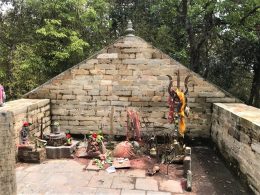



Nepal’s last census counted roughly 125 wild tigers inside a single western park, more than any other protected area in the country. That park is Bardia National Park, and almost nobody outside serious wildlife circles has heard of it. Most first-time visitors to Nepal book Chitwan without a second thought, drive down from Kathmandu, and never realize that the better tiger odds sit a full day further west, in a jungle that sees a fraction of the crowds.
Here’s what most guides won’t tell you. The reason Bardia works so well for wildlife is the same reason it stays quiet: it is hard to reach. That inconvenience is a filter, and the payoff is real.
Why Bardia National Park Is Worth the Extra Effort
Covering 968 square kilometers, this is the largest and most undisturbed national park in Nepal’s Terai lowlands. Sal forest, riverine grassland, and the braided channels of the Karnali River give it a wildness that Chitwan lost years ago to resorts and day-trippers.


The tiger story is the headline. Nepal’s 2018 count put Bardia at 87 tigers. Four years later the number had climbed to around 125, one of the sharpest recoveries of any tiger habitat on the planet. A fresh national census got underway in December 2025 and the results are expected to be announced around July 29, 2026, on International Tiger Day, so the current figure may well rise again.
Numbers aside, the experience is different. In Chitwan you share sightings with a dozen jeeps. In Bardia you might sit at a river bend for three hours with two guides and no one else in sight, waiting for a striped shape to step out of the grass. Some travelers who have done big safaris in Botswana and Tanzania come away preferring Bardia’s slow, unpolished intimacy.
The Wildlife You Might Actually See
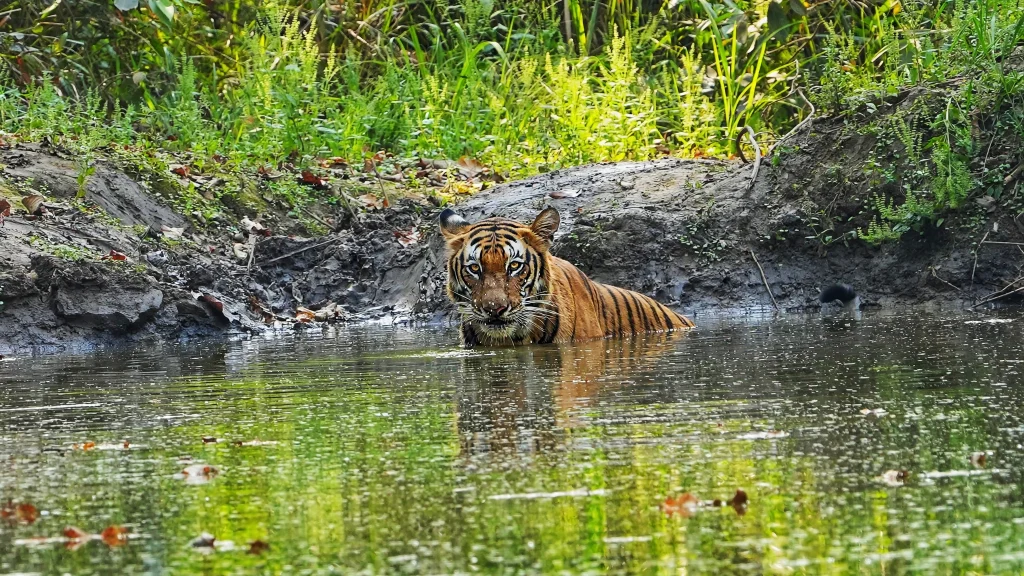
Tigers are the draw, but they are far from a sure thing. Plenty of visitors wait a full day and see nothing bigger than a spotted deer, then get lucky on the final morning. That unpredictability is part of the deal, and honestly it is what makes a sighting mean something.
Beyond the tiger, the park shelters more than 30 mammal species. The list includes:
- Greater one-horned rhinoceros, reintroduced here and now breeding steadily
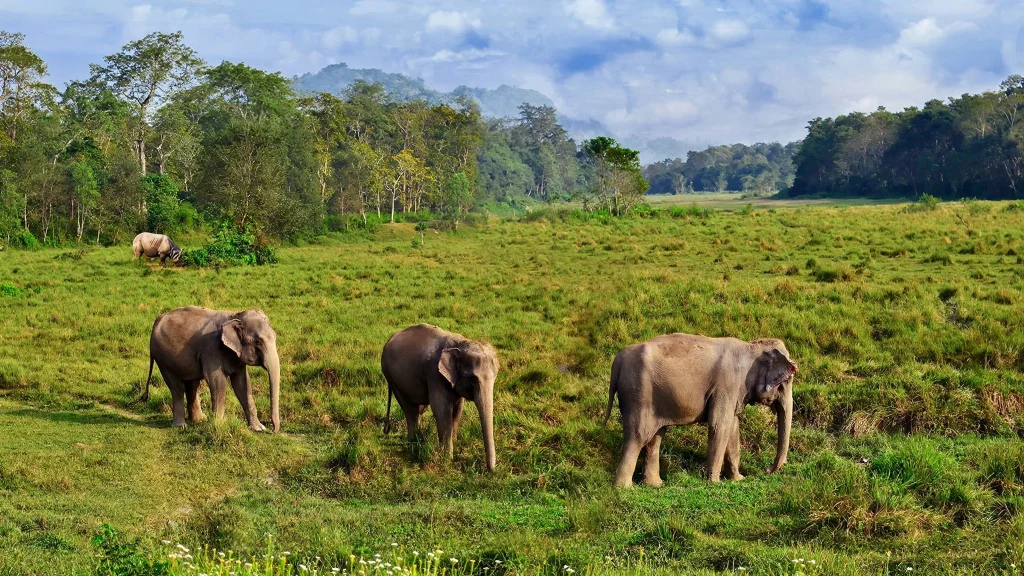
- Wild Asian elephants, including a few famously large tuskers
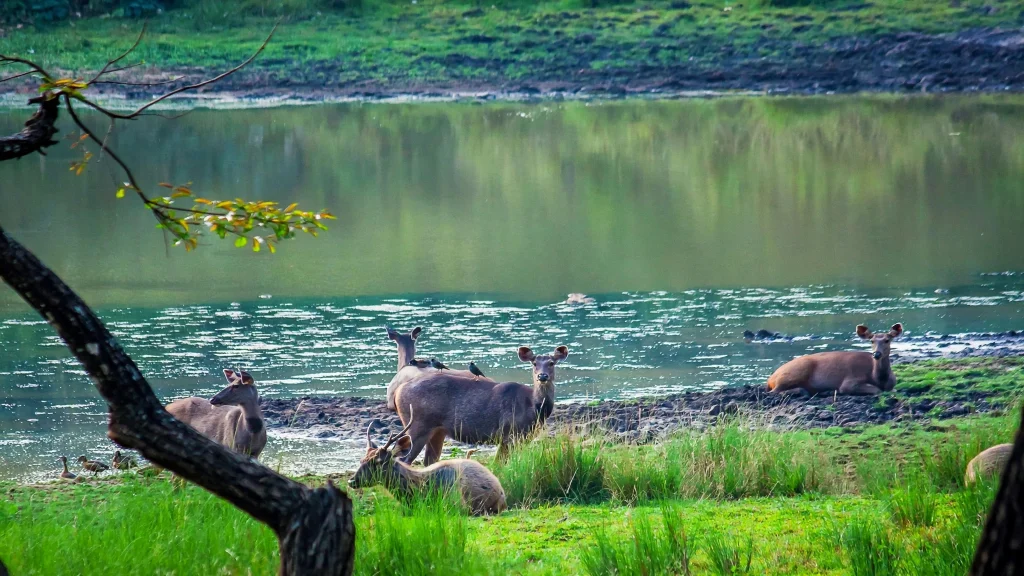
- Swamp deer, spotted deer, and the rare blackbuck antelope on the park’s western edge
- Gharial and mugger crocodiles basking along the riverbanks
- The endangered Gangetic river dolphin, sometimes surfacing in the Karnali
Birders do well here too. Roughly 230 species have been recorded, among them the Bengal florican, the lesser florican, and the tall, elegant sarus crane. Bring binoculars even if birds are not your main reason for coming.
Types of Safari and What Each One Costs You in Effort
There are a few ways to explore, and they suit different appetites for risk and comfort.
Jeep safari
The gentlest option. You cover more ground, reach distant grasslands and watering holes, and stay off the forest floor. Good for families and anyone nervous about being on foot around large animals.
Walking safari
This is Bardia’s signature. Small groups of two or three people trek in with two licensed guides, moving quietly toward rivers and clearings where tigers and rhinos drink. It is thrilling and, yes, genuinely wild. Guides carry no weapons, so they read the jungle constantly and will pull you back the moment something feels off. Do not attempt this without a licensed guide, ever.
Boat and rafting trips
Floating the Karnali or Babai gives you a different angle on the park, drifting past crocodiles and, if fortune smiles, a surfacing dolphin. It pairs nicely with a morning jeep run.
Permits, Fees, and the Practical Fine Print
A licensed guide is mandatory inside the park. That is not an operator upsell, it is regulation, and given you are walking in habitat shared with tigers and elephants, it is a rule you will be glad exists.
On entry fees, expect some variation depending on where you look. As of 2026, the Nepal Tourism Board lists the Bardia entrance fee at NPR 1,000 per person per day for foreign nationals, NPR 500 for SAARC nationals, and NPR 50 for Nepali citizens. Some tour operators quote closer to NPR 1,500 per day for foreigners, and park fees are revised periodically, so confirm the current rate with your lodge before you go. Whatever the figure, it is almost always folded into your package price, so you rarely hand cash over at a counter. The permit is valid for a single day, which means a three-day safari needs three tickets.
You can read the official park summary on the Nepal Tourism Board’s Bardiya page, which lists activities, wildlife, and access details straight from the source.
How to Get to Bardia National Park
Distance is the whole reason this place stays quiet, so plan the journey carefully. The fast route is a one-hour flight from Kathmandu to Nepalgunj, followed by a roughly three-hour, 95 kilometer drive to the park headquarters at Thakurdwara. A new terminal at Nepalgunj airport was around 95 percent complete in late 2025 and slated to open by December, which should smooth out what has long been a rough regional hub.
If you would rather save the airfare, the overland option runs about 516 kilometers by road from Kathmandu. Budget the better part of a day, or split it across two with an overnight stop. Buses do the route, but most travelers on a schedule fly at least one leg.
Best Time to Visit
Timing changes everything about your odds. The dry months from October through March bring comfortable temperatures and steady wildlife activity. April through June turn hot and dry, with afternoons hitting up to 42 degrees Celsius, and that heat is exactly what drives tigers, rhinos, and elephants to the shrinking watering holes. April and May are widely considered the prime tiger-tracking window for that reason.
Monsoon runs July through September. Trails flood, leeches appear, and roads can wash out, though the jungle turns an electric green and lodges drop their prices. If your trip hinges on tiger sightings, aim for spring. If you want quiet, cheap, and lush, and you accept the trade-offs, the rainy season has its own reward. For a wider view of seasonal timing across the country, our guide to the best time to visit Nepal breaks it down month by month.
A Word on Safety
Wild means wild. Tiger attacks in and around the Bardiya area claimed 36 lives over a recent five-year span, most of them locals gathering firewood or fodder in buffer-zone forests, not tourists on guided safaris. Still, the statistic is a reminder that this is not a zoo. Stay with your guide, keep quiet, never wander off alone, and follow instructions without arguing. Do those things and the risk to a visitor stays very low.
Where to Stay
Accommodation clusters around Thakurdwara, near the park entrance. Options run from simple community-run guesthouses charging a few dollars a night to comfortable jungle lodges with pools, guided packages, and naturalists on staff. Booking a lodge that includes guides and permits is usually the easiest path, since it bundles the logistics that would otherwise eat your time. If you are pairing Bardia with other wildlife stops, compare it against the more accessible option in our complete Chitwan National Park guide, and for the bigger picture on what roams these forests, see our overview of wildlife in Nepal.
Frequently Asked Questions
Is Bardia better than Chitwan for tigers?
For tiger sightings specifically, most experienced guides say yes. Bardia holds Nepal’s densest tiger population and sees far fewer visitors, so the walking safaris feel wilder and less crowded. Chitwan is easier to reach and has more infrastructure, which suits travelers short on time.
How many days do you need in Bardia National Park?
Three full days is the sweet spot. Tiger sightings take patience, and a single day rarely gives you enough attempts. With three days you can mix a walking safari, a jeep run, and a river trip, which spreads your chances across different habitats.
How much does a Bardia safari cost?
Costs vary widely by lodge and package. Budget travelers can manage on modest community guesthouses plus daily guide and permit fees, while mid-range lodge packages that bundle everything run higher. Confirm current entry fees separately, since they are revised from time to time.
What is the best time of year to spot a tiger?
April and May. The intense pre-monsoon heat pushes animals toward the rivers and watering holes, and the thinning vegetation makes them easier to see. October through March is also good, with milder weather but slightly lower dry-season concentration.
Do I need a guide inside the park?
Yes, a licensed guide is legally required for all activities inside Bardia. This is a safety regulation, not an optional extra, because you are entering active tiger and elephant habitat.
How do I get to Bardia from Kathmandu?
The quickest way is a one-hour flight to Nepalgunj, then a three-hour drive to the park. Overland from Kathmandu is roughly 516 kilometers and takes most of a day, so many travelers fly at least one direction.
Can I visit Bardia during the monsoon?
You can, and prices drop, but expect flooded trails, leeches, and the chance of road closures. Wildlife is harder to spot in the tall wet-season grass. Spring and autumn are the reliable windows.
Is Bardia safe for families with children?
Jeep and boat safaris are well suited to families, since they keep you off the forest floor. Walking safaris are better left to older kids and adults who can stay quiet and follow guide instructions closely.