



When most travelers think of Nepal, their minds instantly drift to snow-capped Himalayan peaks, freezing high-altitude mountain passes, and chilly mornings in Kathmandu or Pokhara. But if you head south into Nepal’s tropical lowlands during September, an entirely different world opens up.
September marks the tail end of the monsoon season. While the rest of the country prepares for the bustling autumn trekking rush, Chitwan National Park undergoes a breathtaking transformation. The jungles are intensely green, the rivers are flowing full, the air is warm, and wildlife is actively roaming the revitalized landscape. If you are looking for a vibrant, uncrowded escape that blends wildlife adventure with lush tropical beauty, Chitwan in September is your ultimate destination.
The Magic of Chitwan in September
1. Emerald Landscapes and Peak Lushness
Following months of rain, Chitwan’s vast grasslands, dense sal forests, and winding riverbanks burst into life. The foliage is a striking, hyper-vibrant emerald that you won’t see during the dry winter months. Photographers and nature lovers will find endless inspiration here; every leaf glistens, the air is remarkably clear of dust, and the post-monsoon sunlight casts a golden glow over the plains.


2. Thriving Wildlife and Active Animals
Monsoon moisture brings abundance to the park. Herbivores have plenty of fresh grazing grounds, which in turn attracts predators and makes wildlife spotting dynamic. September is a fantastic time to see:
- The Greater One-Horned Rhinoceros: Frequently spotted bathing in the rivers or grazing in the lush tall grass.
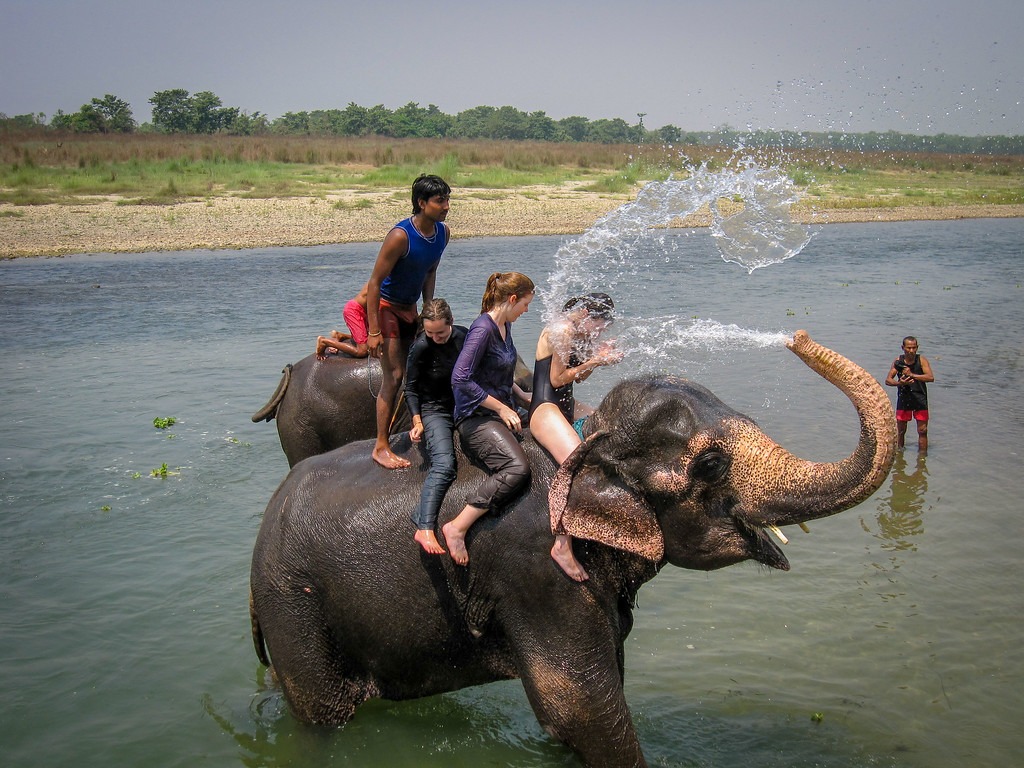
- Asian Elephants: Both wild herds and park-managed elephants navigating the river corridors.
- Birdlife Galore: Migratory and resident birds are exceptionally active, making it a paradise for birdwatchers.
- Sloth Bears and Bengal Tigers: While shyer, the deep jungle provides rich foraging grounds if you venture out on guided jeep safaris.
3. Fewer Crowds, Authentic Solitude
Because September sits right on the shoulder of the peak tourist season, you won’t have to share your jungle experience with massive tour groups. Resorts and lodges are quieter, guides have more time to share deep insights, and you can experience the tranquility of the Rapti River at sunset without the hustle and bustle.
What to Expect from the Weather (and How to Handle It)
September brings lowland warmth with daytime temperatures often hovering comfortably around 30°C (86°F), accompanied by high humidity.
You will need to dodge occasional brief showers—after all, it is the post-monsoon transition. However, these rain showers are typically short-lived afternoon or evening bursts rather than all-day washouts. They leave behind dramatic cloud formations over the Terai plains, cooler evening breezes, and freshly washed air that makes the jungle smell incredible.
Packing Tips for September:
- Quick-Dry Clothing: Lightweight, breathable fabrics that handle humidity well.
- Rain Protection: A compact travel umbrella, a lightweight rain jacket, or a poncho.
- Waterproof Gear: Dry bags or protective covers for your camera, smartphone, and electronics.
- Insect Repellent: Essential for tropical wetlands after the rains.
- Sturdy Footwear: Comfortable walking shoes or leech-resistant socks if you plan on guided jungle walks.
Top Experiences You Can’t Miss
- Canoe Ride Down the Rapti River: Drift silently down the water on a traditional hand-carved wooden canoe. Watch mugger crocodiles and gharials sunning themselves on the banks while kingfishers dart across the water.
- Jeep Safari Adventures: Traverse the deep interior tracks of the park. Jeeps allow you to cover more ground than walking safaris, increasing your chances of spotting larger wildlife deeper in the forest.
- Tharu Cultural Experience: Spend an evening visiting a local Tharu village. Learn about their unique indigenous culture, architecture, and traditional stick dances that celebrate the rhythms of lowland life.
Frequently Asked Questions
Is Chitwan National Park open in September?
Yes, Chitwan National Park remains open year-round. While certain deep-forest jungle walking tracks might occasionally be managed based on heavy localized rainfall, jeep safaris, canoe rides, and resort activities operate smoothly.
How do I get to Chitwan from Kathmandu or Pokhara?
You can reach Chitwan (Sauraha or Kasra) via a scenic tourist bus ride along the Prithvi Highway (approximately 5 to 6 hours), or take a quick 20-minute domestic flight from Kathmandu to Bharatpur, followed by a short 30-minute taxi or resort jeep transfer.
Will it rain the entire time I am there?
No. September showers are usually sporadic, falling in quick bursts; often in the late afternoon or overnight. You will still have plenty of bright, clear windows of sunshine throughout the day for safaris and exploration.
What should I wear for a jungle safari?
Opt for neutral-colored clothing (greens, khakis, browns) to blend into the natural environment. Long sleeves and lightweight long trousers are recommended to protect against sun and insects.


