



When most people think of Nepal, their minds instantly drift to snow-capped giant peaks, prayer flags fluttering in alpine winds, and the legendary trails of Everest and Annapurna. But hidden beneath the shadow of the mountains, stretching across the southern border along the Indian plains, is an entirely different world. This is the Terai Arc Landscape; a sprawling mosaic of dense sub-tropical sal forests, tall elephant grass savannahs, and winding river systems.
This lush lowland is home to one of Asia’s most charismatic apex predators: the Bengal tiger (Panthera tigris tigris).
For decades, tiger populations globally teetered on the brink of extinction. Yet, through rigorous community-led conservation, rigorous anti-poaching patrols, and expanded protected habitats, Nepal achieved a historic milestone. The latest 2026 national tiger survey recorded an astounding 429 wild tigers across the country, nearly four times the count recorded in 2010.


Nepal is now divided into five magnificent national parks where these magnificent striped cats roam free. Whether you are an avid wildlife photographer, an adventure seeker looking for an off-the-beaten-path jeep safari, or a conscious traveler eager to witness conservation in action, these five lowland sanctuaries offer the ultimate wildlife journey.
The Big Five: Nepal’s Tiger Sanctuaries
1. Chitwan National Park (Bagmati Province)
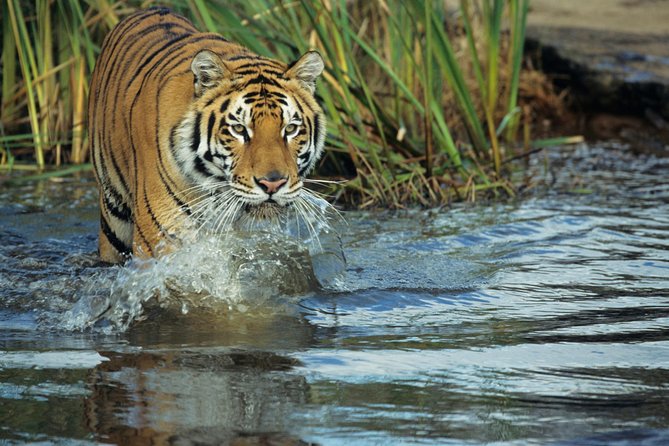
- Latest Tiger Estimate (2026): 145 tigers (park and surrounding forests)
- The Vibe: Nepal’s iconic tiger stronghold, highly accessible, and deeply rich in biodiversity.
As Nepal’s first national park and a UNESCO World Heritage Site, Chitwan is the crown jewel of Terai tourism. Its classic mix of dense sal forests, oxbow lakes, and vast grasslands creates an ideal habitat for both tigers and the endangered Greater One-Horned Rhinoceros. Because of its well-established infrastructure, traveling here is seamless, making it the most popular destination for families, first-time safari-goers, and wildlife enthusiasts. While you share the park with more travelers, the sheer density of wildlife; including leopards, sloth bears, and hundreds of bird species; guarantees an unforgettable experience.
2. Bardiya National Park (Lumbini Province)
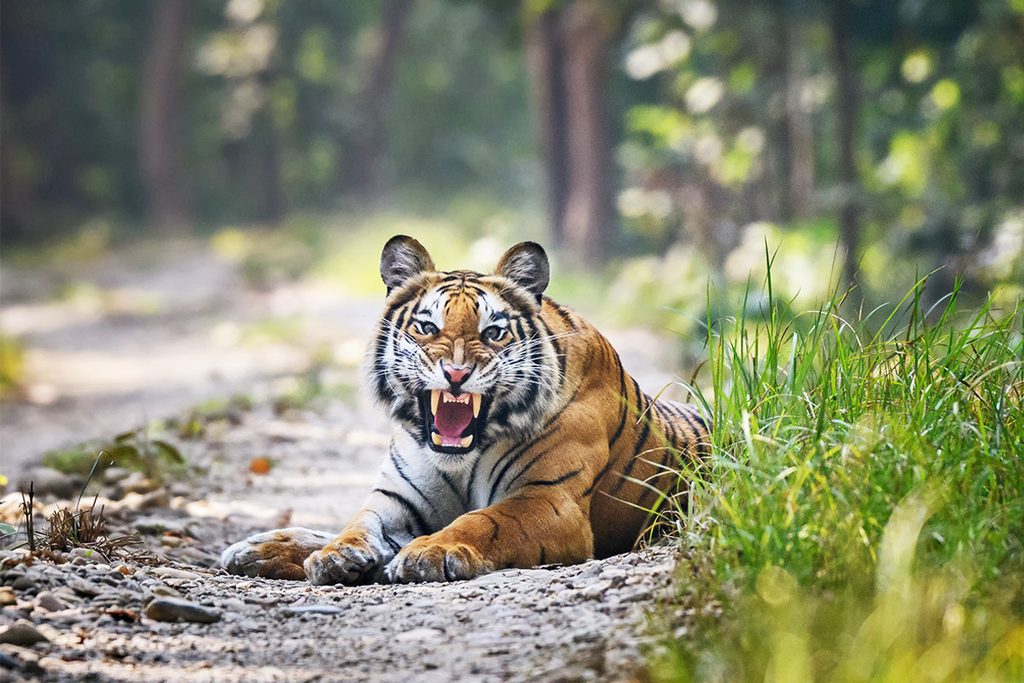
- Latest Tiger Estimate (2026): 112 tigers
- The Vibe: Wild, remote, crowd-free, and widely considered the holy grail for serious tiger trackers.
Located in Nepal’s far western region, Bardiya is the largest protected area in the Terai. Spanning pristine riverine forests and the roaring Karnali River system, Bardiya offers a true wilderness experience. Despite a slight dip in numbers in the recent 2026 census (down from 125 in 2022), Bardiya remains legendary among wildlife biologists and photographers. Because visitor pressure is lower and open riverbeds allow for better visibility, many seasoned guides argue that Bardiya offers some of the highest sighting probabilities in Asia for those willing to spend a few days tracking on foot or in open jeeps.
3. Parsa National Park (Madhesh Province)
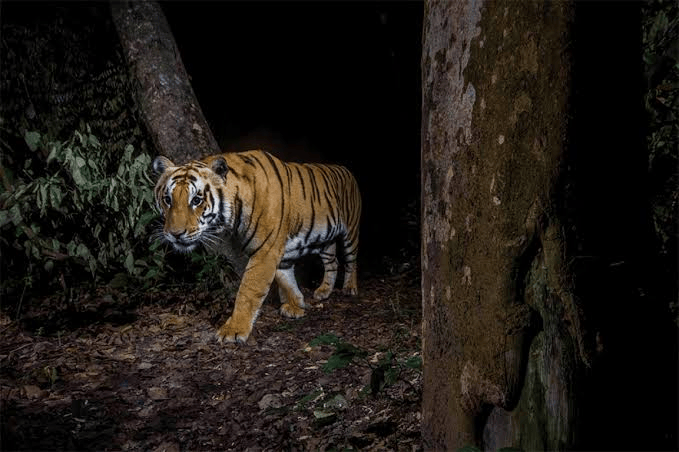
- Latest Tiger Estimate (2026): 71 tigers
- The Vibe: The untamed neighbor of Chitwan; rugged, forested, and quietly growing.
Directly adjacent to Chitwan, Parsa National Park shares the same vital ecological corridor but receives a fraction of the tourists. Characterized by hilly terrain, tropical sal forests, and winding streams, Parsa has shown remarkable growth in its tiger population in the 2026 census. It is an incredible destination for travelers seeking a raw, secluded adventure. Exploring Parsa feels like stepping back in time; a quiet sanctuary where tigers roam undisturbed through thick jungle canopies.
4. Banke National Park (Lumbini Province)
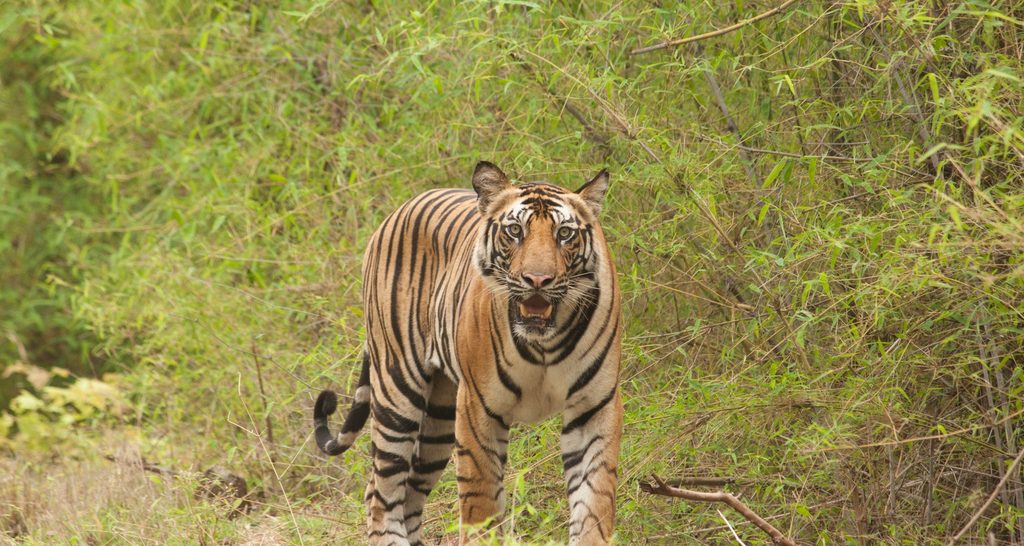
- Latest Tiger Estimate (2026): 51 tigers
- The Vibe: The ultimate conservation corridor connecting landscapes across borders.
Established primarily to protect critical transboundary movement corridors between Bardiya and Indian reserves, Banke National Park is an inspiring conservation success story. Once heavily degraded, natural regeneration and dedicated protection have transformed Banke into a thriving breeding ground that now supports 51 tigers. While tourism infrastructure here is still developing compared to Chitwan or Bardiya, it represents the beating heart of landscape-level wildlife connectivity in South Asia.
5. Shuklaphanta National Park (Sudurpashchim Province)
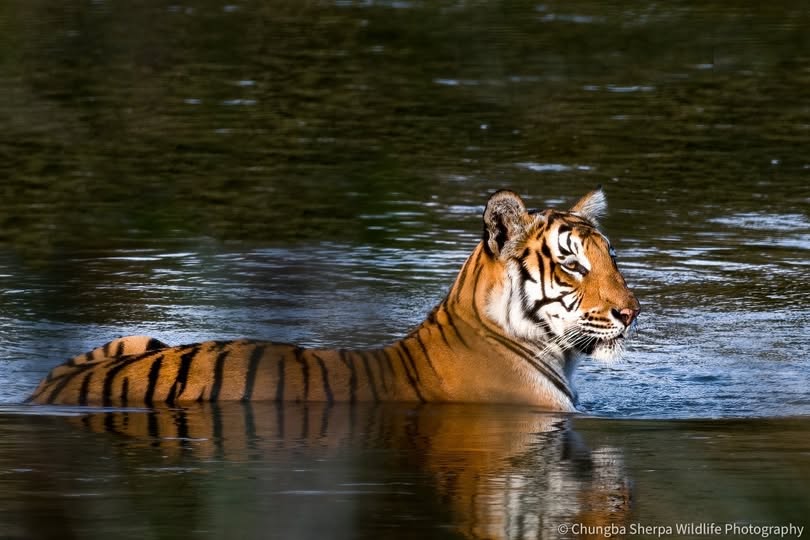
- Latest Tiger Estimate (2026): 50 tigers
- The Vibe: Far-western grasslands, wide-open horizons, and untouched wilderness.
Tucked away in the extreme southwestern corner of Nepal, Shuklaphanta is famous for holding the largest herd of swamp deer (barasingha) in the world. Alongside its sweeping phaantas (vast open grasslands) and marshy wetlands, it shelters a robust and healthy population of 50 tigers. If you want to escape the usual tourist circuit and experience the raw, sweeping vistas of the western Terai, Shuklaphanta is an offbeat paradise waiting to be explored.
Chitwan vs. Bardiya: Which Safari is Right for You?
Choosing where to go depends entirely on the kind of travel experience you are looking for:
- Choose Chitwan if: You want easy travel logistics from Kathmandu or Pokhara, desire a high chance of spotting rhinos alongside tigers, and prefer comfortable eco-lodges with diverse cultural and jungle activities.
- Choose Bardiya if: You crave a remote expedition feel, prefer silence over bustling safari crowds, want to track tigers on foot with expert naturalists, and are looking for multi-day wilderness immersion along pristine river systems.
Frequently Asked Questions (FAQs)
When is the best time to visit Nepal’s Terai national parks for tiger sightings?
The dry winter and spring months, from October through March; are widely considered the best time to visit. During this period, vegetation dies back, water sources become concentrated, and grass is often burned back or lower, making it significantly easier to spot tigers resting near riverbanks or moving through open terrain.
Are walking safaris safe in tiger country?
Yes, but strictly under the guidance of experienced, licensed local naturalists and armed park scouts. Walking safaris in parks like Bardiya offer an intimate, adrenaline-pumping connection to the jungle, teaching you how to read alarm calls, track footprints, and understand wildlife behavior safely.
How do I get to these parks from Kathmandu?
- Chitwan: Accessible via a scenic 5-to-6-hour drive along the Prithvi Highway, a short tourist bus ride, or a quick 20-minute domestic flight to Bharatpur followed by a short drive.
- Bardiya & Shuklaphanta: Best accessed by taking a domestic flight from Kathmandu to Nepalgunj (for Bardiya) or Dhangadhi (for Shuklaphanta), followed by a jeep transfer to the park gateway.
What is being done to protect Nepal’s tigers?
Nepal employs a zero-poaching framework supported by the Nepal Army, local community-based anti-poaching units, and strict habitat management. Local communities living in park buffer zones receive direct benefits from tourism revenue and ecotourism employment, transforming former poachers into passionate wildlife protectors.


