



When most travelers think of Nepal, they imagine towering Himalayan peaks, ancient trekking routes, and spiritual mountain monasteries. But beyond the mountains lies an entirely different world waiting to be explored. A wildlife safari in Nepal reveals lush jungles, riverine grasslands, and misty forests that are home to some of Asia’s most iconic and endangered species. From Bengal Tigers and Greater One-Horned Rhinos to elusive Red Pandas and Snow Leopards, Nepal offers a rare chance to experience raw wilderness across dramatically diverse ecosystems within a single journey.
This dramatic elevation range creates a remarkable variety of habitats that support more than 200 mammal species, over 900 bird species, hundreds of reptiles and amphibians, and thousands of plant species.
A wildlife safari in Nepal offers opportunities to encounter Bengal Tigers, Greater One-Horned Rhinos, Asian Elephants, Red Pandas, Snow Leopards, Sloth Bears, Gharials, Wild Water Buffaloes, and countless bird species across national parks, conservation areas, and community-managed forests.

Why Nepal Is One of Asia’s Best Wildlife Destinations
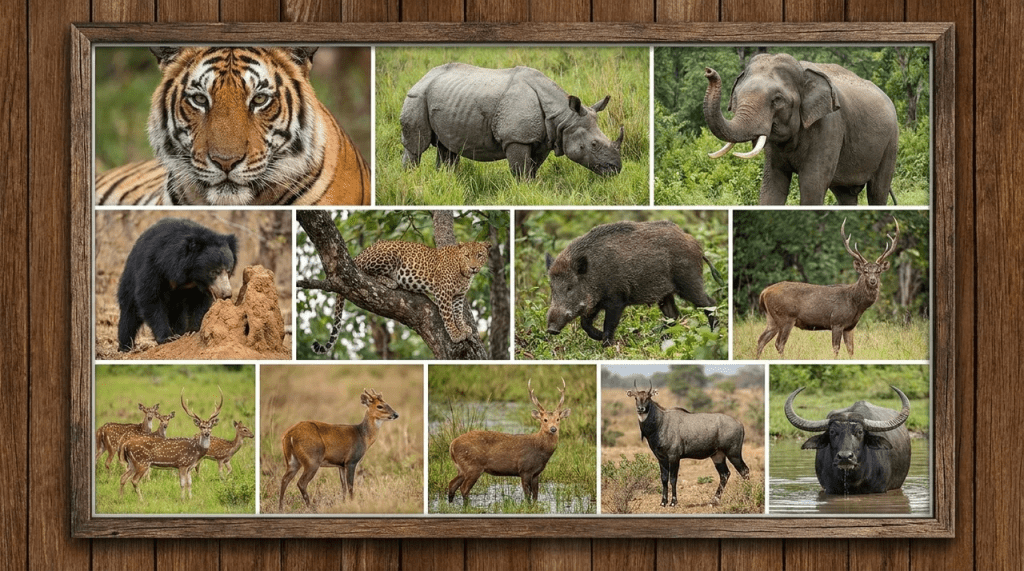
Nepal isn’t your typical wildlife destination. What makes it special is the incredible variety packed into a small country; you can experience completely different ecosystems within just a few days of travel.
Here, your safari might take you deep into lush tropical jungles in the lowlands, while another journey leads you into crisp alpine forests where rare mountain species live.
What really sets Nepal apart is how wildlife tourism blends with local life and landscapes. You’ll find community-led conservation areas where local people actively protect wildlife, walking safaris that bring you closer to nature at a slower, more immersive pace, and some of Asia’s richest birdwatching zones.
And the best part? Many of these experiences sit within UNESCO-listed protected areas, making them globally recognized conservation hotspots.
In Nepal, it’s possible to spot a one-horned rhinoceros in the morning in the southern plains, and just a few days later find yourself trekking through forests that are home to elusive red pandas in the hills.
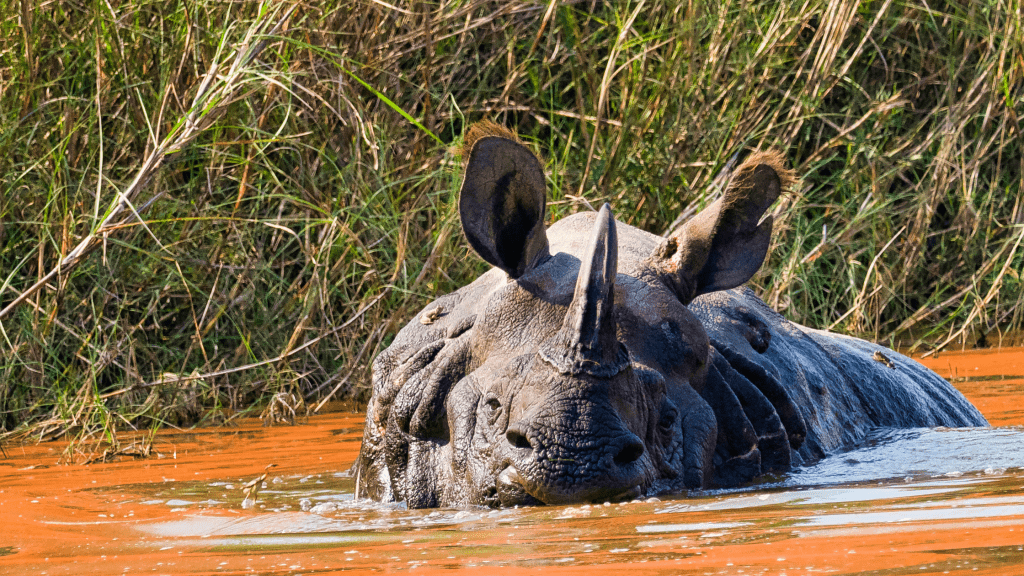
It’s this rare combination of diversity, proximity, and authentic experience that makes Nepal one of Asia’s most unforgettable wildlife destinations.
- Tropical jungle safaris
- Alpine wildlife expeditions
- Community-based conservation tourism
- Walking safaris
- Birdwatching opportunities
- Combined wildlife and trekking experiences
- UNESCO-listed protected areas
- High wildlife density in relatively compact regions
Visitors can potentially see rhinos in the morning and be trekking through Red Panda habitat a few days later.
Nepal’s Wildlife Regions
Nepal might look small on the map, but when it comes to wildlife, it feels like several different countries packed into one. In just a few days of travel, you can go from hot, humid jungles filled with rhinos and elephants to cold Himalayan forests where red pandas and snow leopards survive in silence.
That contrast is what makes Nepal so special for wildlife lovers.
The Terai Lowlands: Nepal’s Jungle Heart
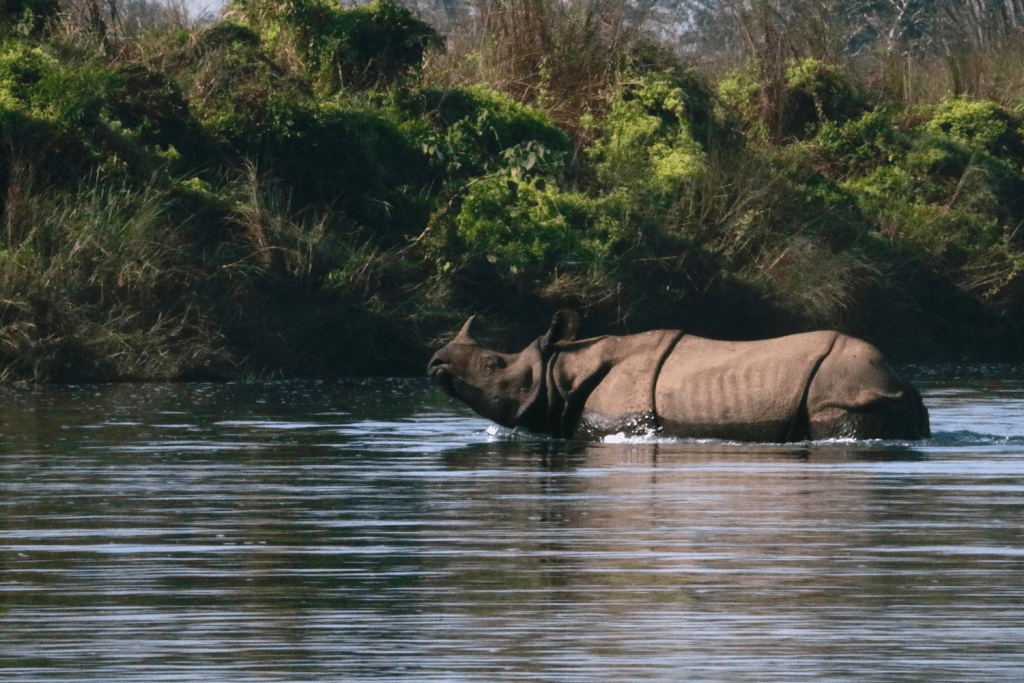
Down in the southern plains of Nepal, along the border with India, lies the Terai region. This is where most of Nepal’s famous jungle safaris happen. The landscape here is flat, green, and dense; full of life.
This region includes some of the country’s most important national parks like Chitwan, Bardiya, Shuklaphanta, Parsa, and Banke. Each of them plays a key role in protecting Nepal’s wildlife.
And the wildlife here is exactly what you’d imagine when you think of an Asian jungle safari; but even richer.
You might come across Bengal tigers moving quietly through tall grass, one-horned rhinos resting near water, or herds of deer disappearing into the forest. Asian elephants, sloth bears, leopards, wild boars, and even wild buffaloes all share this ecosystem.
The rivers and wetlands bring another layer of life; gharial and mugger crocodiles sunbathing on sandbanks, and sometimes even a king cobra slipping through the grass.
Birdlife is just as impressive. From the rare Bengal florican to graceful sarus cranes and hornbills flying above the canopy, the skies are never empty here.
Chitwan National Park: The Classic Jungle Experience
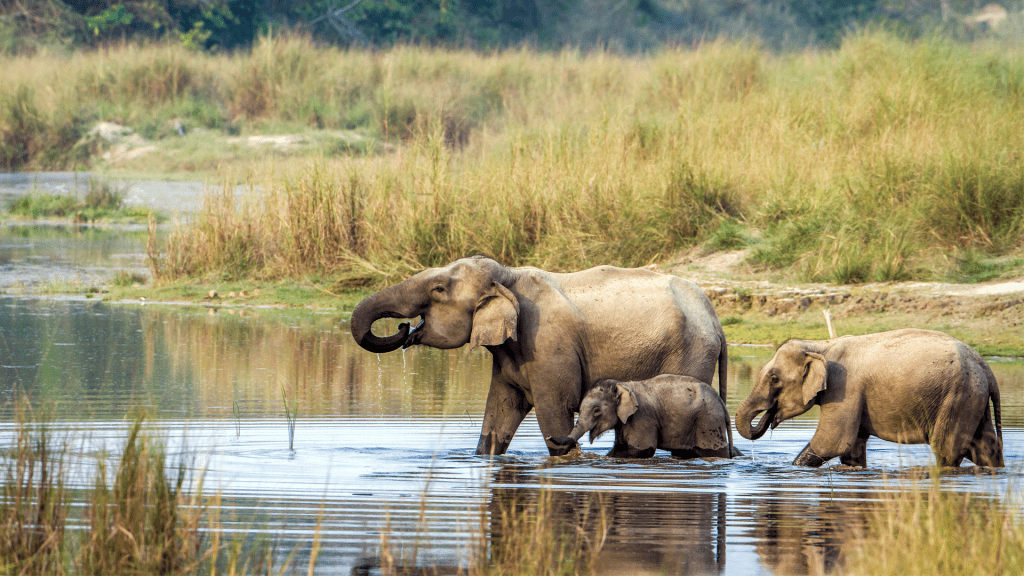
If there is one place that defines wildlife tourism in Nepal, it’s Chitwan National Park.
Established in 1973 and later recognized as a UNESCO World Heritage Site, Chitwan is Nepal’s most popular safari destination; and for good reason.
Here, wildlife sightings are almost guaranteed. Rhinos are commonly seen, crocodiles are easy to spot, and elephants are frequent visitors near water sources. Tigers and leopards are harder to find, but not impossible.
What makes Chitwan special is not just the animals, but how you experience them. You can explore the jungle in a jeep, drift silently along rivers in a canoe, or walk through forest trails with a guide who reads the jungle like a storybook. Even village visits and birdwatching walks add to the experience.
The park is incredibly rich in biodiversity, supporting hundreds of species of mammals, birds, reptiles, and fish.
The best time to visit is usually between October and April, when the weather is comfortable and wildlife sightings are more frequent. By May, the heat increases, but animals gather near water, making them easier to spot.
Bardiya National Park: The Wild, Untouched Jungle
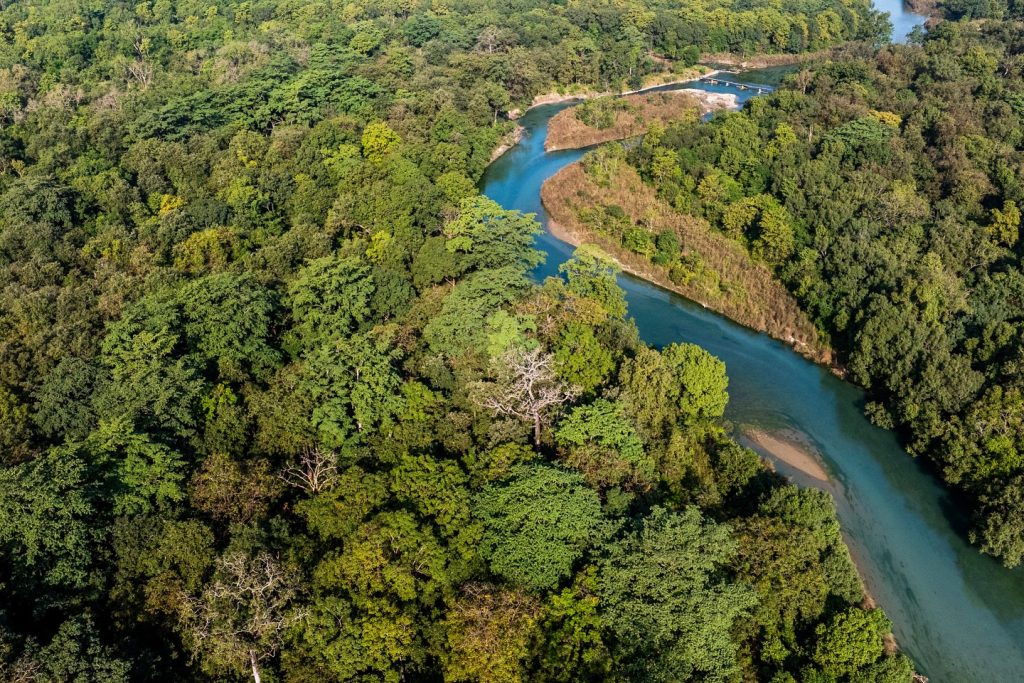
If Chitwan is the classic safari, Bardiya is the wild one.
Located in western Nepal, Bardiya feels more remote, quieter, and far less crowded. This is where many wildlife photographers come hoping for one thing; a glimpse of a Bengal tiger in the wild.
And Bardiya gives one of the best chances in Nepal.
The forest here is vast and less disturbed, which means animals roam more freely. Tigers, elephants, leopards, sloth bears, and deer are all present, and even the rare Gangetic dolphin can sometimes be found in nearby rivers.
With over 400 species of birds, Bardiya is also a dream for birdwatchers.
The best time to visit is from February to May, when dry vegetation makes it easier to spot wildlife and animals gather near shrinking water sources.
Shuklaphanta: The Hidden Grassland Giant
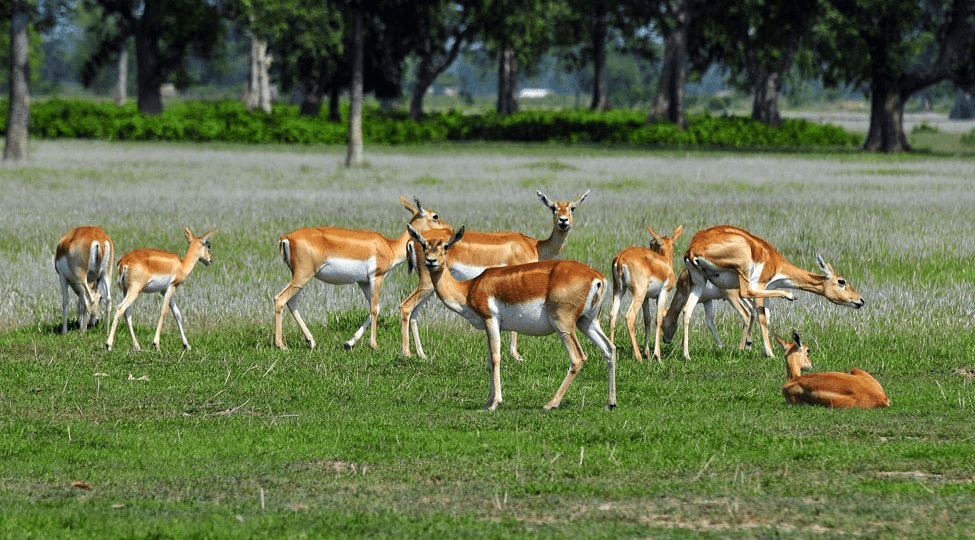
Far in the west lies Shuklaphanta National Park; one of Nepal’s most underrated wildlife destinations.
Unlike dense forests, Shuklaphanta is known for its wide, open grasslands. It has one of the largest continuous grassland areas in Asia, and it feels completely different from other parks in Nepal.
It is especially famous for its huge population of swamp deer, along with tigers, elephants, and the rare Bengal florican.
Because it’s less visited, the experience here feels more peaceful and raw; almost untouched.
The best time to visit is between November and April.
Parsa and Banke: The Quiet Connectors
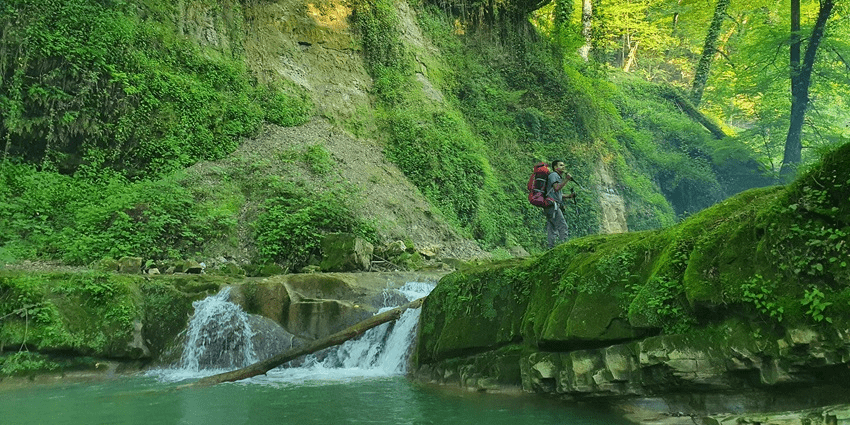
Parsa and Banke don’t always get the attention they deserve, but they play an important role in Nepal’s wildlife ecosystem.
These parks act as wildlife corridors, connecting habitats between Nepal and India. Tigers, leopards, sloth bears, deer, and elephants move through these areas, keeping the ecosystem alive and connected.
They may not be as famous, but they are crucial for conservation.
Eastern Nepal: The Red Panda Forests
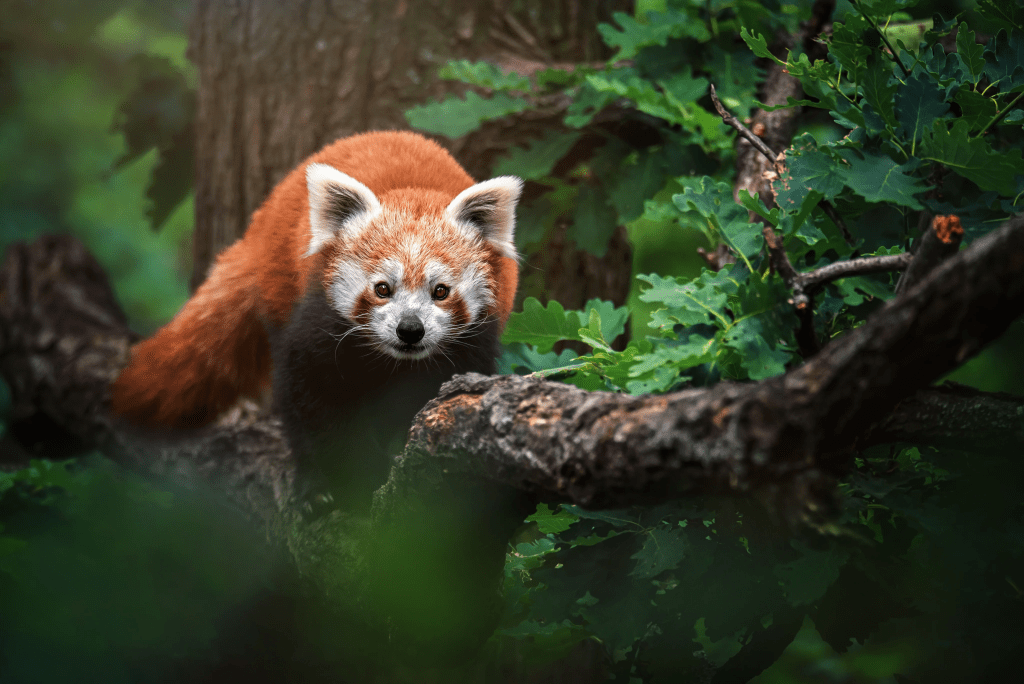
If you move toward eastern Nepal, the landscape changes again; this time into cool, misty forests filled with bamboo and rhododendron.
This is red panda territory.
Places like Ilam, Panchthar, and Taplejung are known for red panda sightings. These animals live high in the hills, usually between 2,200 and 4,000 meters, in quiet bamboo forests.
They are shy, endangered, and incredibly special to see in the wild.
The best time for tracking them is from October to December, when the weather is clear and sightings are more likely, or in spring when the forests bloom with rhododendrons.
The Himalayas: Home of the Snow Leopard
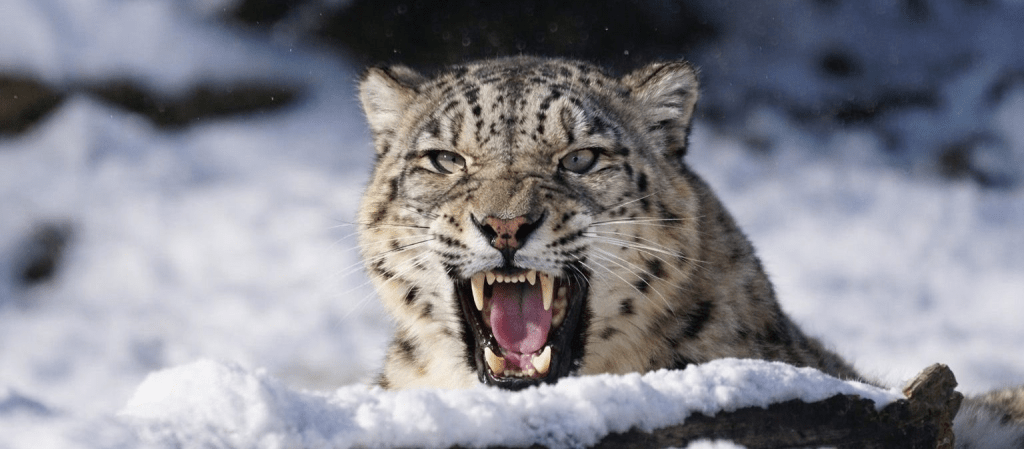
Higher up in the mountains, the wildlife becomes even more mysterious.
Here lives the snow leopard; often called the “ghost of the Himalayas.”
Seeing one is extremely rare, but expeditions in places like Shey Phoksundo, Sagarmatha, Annapurna, and Kanchenjunga Conservation Areas give you a chance.
Alongside them, you’ll find Himalayan blue sheep, tahr, musk deer, marmots, wolves, and massive birds like golden eagles and lammergeiers circling the cliffs.
Winter months from January to March offer the best chance, as prey animals move to lower altitudes.
Birdwatching Paradise
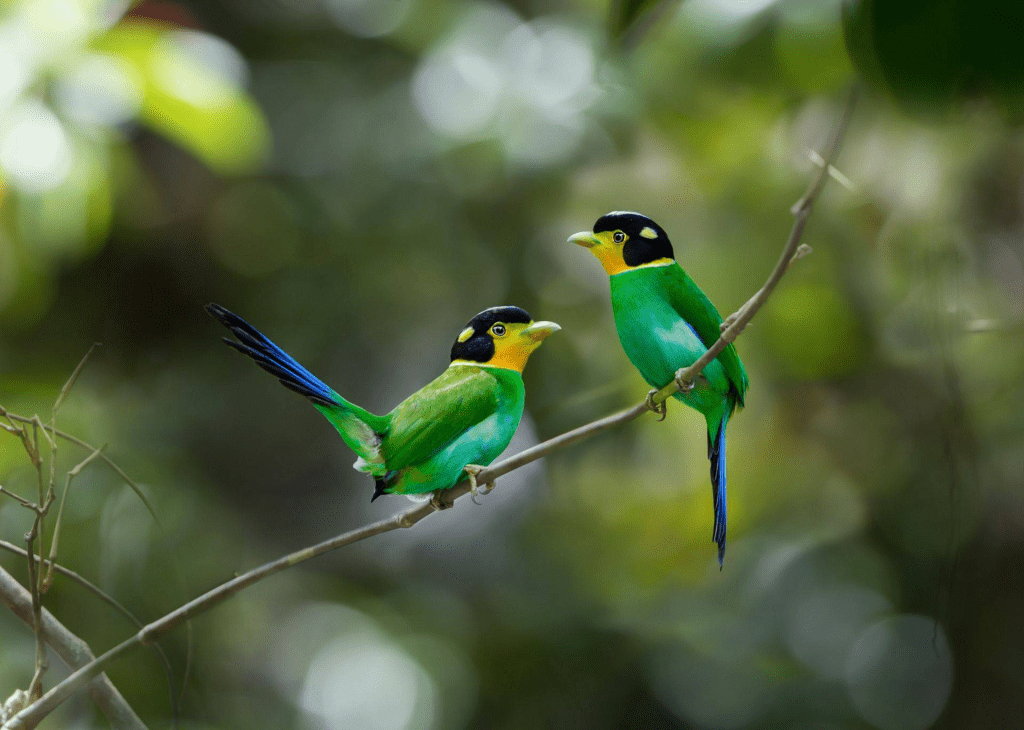
Nepal is also one of the best birdwatching destinations in Asia, with more than 900 bird species recorded.
Chitwan, Bardiya, Koshi Tappu, Phulchoki, and Shivapuri are some of the top spots.
From rare species like the spiny babbler (found only in Nepal) to elegant cranes and hornbills, birdlife here is incredibly diverse.
Wildlife Safari Costs in Nepal
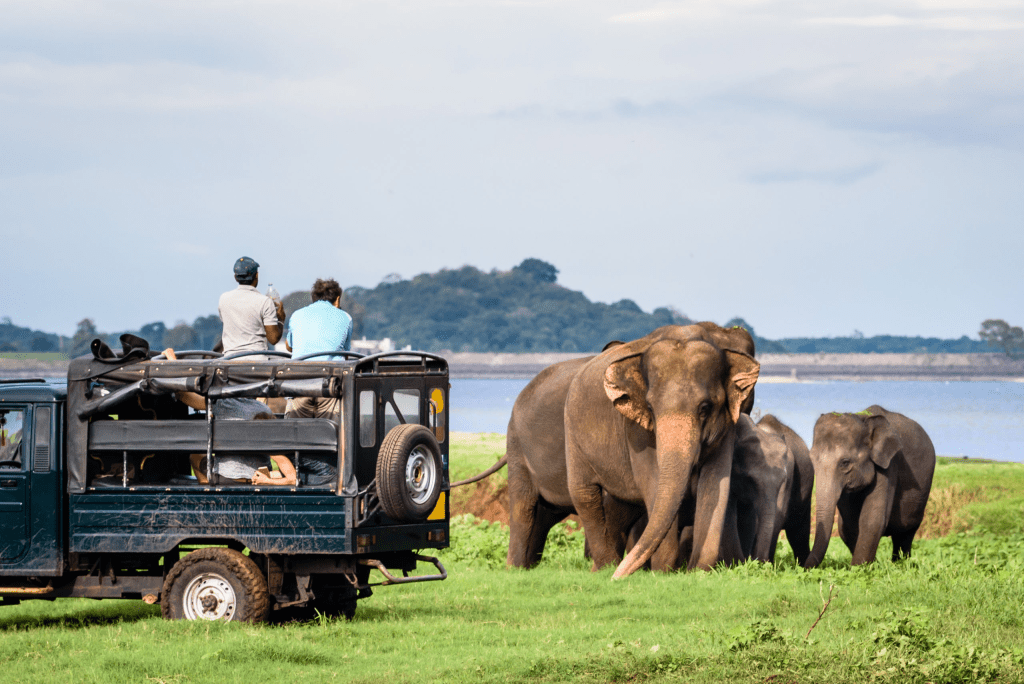
Wildlife travel in Nepal can fit different budgets.
A jeep safari in Chitwan might cost around $30–80, while a full-day experience in Bardiya goes up to $120. Specialized experiences like red panda tracking or snow leopard expeditions can go much higher due to logistics and permits.
Best Time for Wildlife in Nepal
In general, October to May is the best window for safaris.
- October–November: Comfortable weather and great visibility
- February–May: Peak wildlife activity
- December–January: Best for birdwatching
- Monsoon season: Lush and green, but harder for sightings
Each species also has its own “best time,” depending on behavior and climate.
Responsible Wildlife Travel
Wildlife tourism in Nepal only works if it respects nature.
That means choosing ethical guides, supporting local communities, and avoiding anything that disturbs animals or their habitats.
Simple things matter; not feeding wildlife, keeping distance, and leaving no trace behind.
Because in the end, the goal is not just to see wildlife; it’s to make sure it’s still here for the future.
Frequently Asked Questions About Wildlife Safari in Nepal
Can you see tigers in Nepal?
Yes. Bardiya and Chitwan offer the best opportunities.
Where can I see rhinos in Nepal?
Chitwan National Park is Nepal’s premier rhino destination.
Is Nepal good for birdwatching?
Yes. Nepal hosts over 900 bird species despite covering less than 0.1% of the world’s land area.
Can tourists see Red Pandas in Nepal?
Yes. Community-based tracking programs in Ilam, Panchthar, and Taplejung provide some of the world’s best Red Panda viewing opportunities.
Which is better, Chitwan or Bardiya?
Chitwan is more accessible and diverse, while Bardiya offers a more remote wilderness experience and better tiger-viewing potential.
Conclusion
A wildlife safari in Nepal reveals a side of the country that exists far beyond the Himalayas. From rhinos grazing in the floodplains of Chitwan and Bengal Tigers prowling Bardiya’s forests to Red Pandas hiding in eastern cloud forests and Snow Leopards roaming the high Himalayas, Nepal offers one of the most diverse wildlife experiences in Asia. Whether you’re a first-time safari traveler, wildlife photographer, birder, or conservation enthusiast, Nepal’s protected landscapes deliver unforgettable encounters across every ecological zone of the country.


