


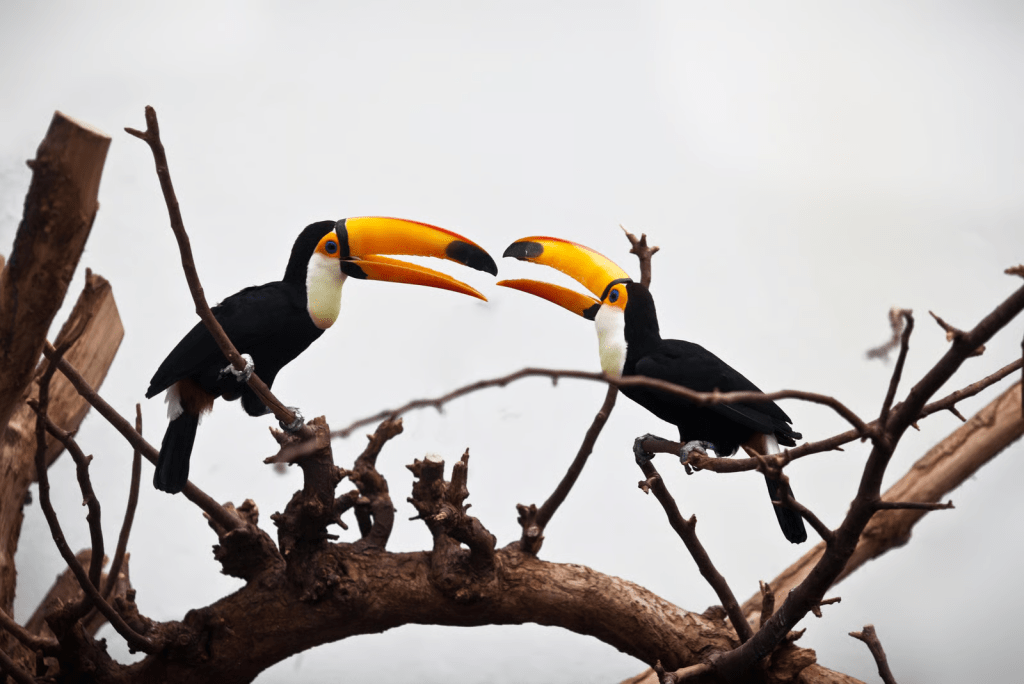
Picture this: it’s 6am and the jungle is already alive. A pair of hornbills cuts across a patch of morning mist. Your jeep idles at the edge of a clearing, engine off, and 20 meters ahead, a one-horned rhino is grazing like the world is entirely hers. No fence. No glass barrier. Just you, a trained naturalist, and one of the planet’s most iconic creatures going about her morning routine.
That’s Chitwan. And once you’ve sat in that silence, you understand why people reroute their entire Nepal trip around it.
Chitwan National Park is Nepal’s first national park, covering 952.63 square kilometers of lowland jungle, grassland, and river channels in the inner Terai. It became a UNESCO World Heritage Site in 1984, and for good reason. Few places on earth pack this much wildlife into this small an area and make it this accessible. Most visitors combine it with Kathmandu and Pokhara, spending three days here before flying or busing back north.


Here’s what most guides won’t tell you: Chitwan isn’t just a box to tick. Done right, it’s the part of Nepal you’ll talk about longest after the trek is over.
Wildlife: What You’ll Actually See
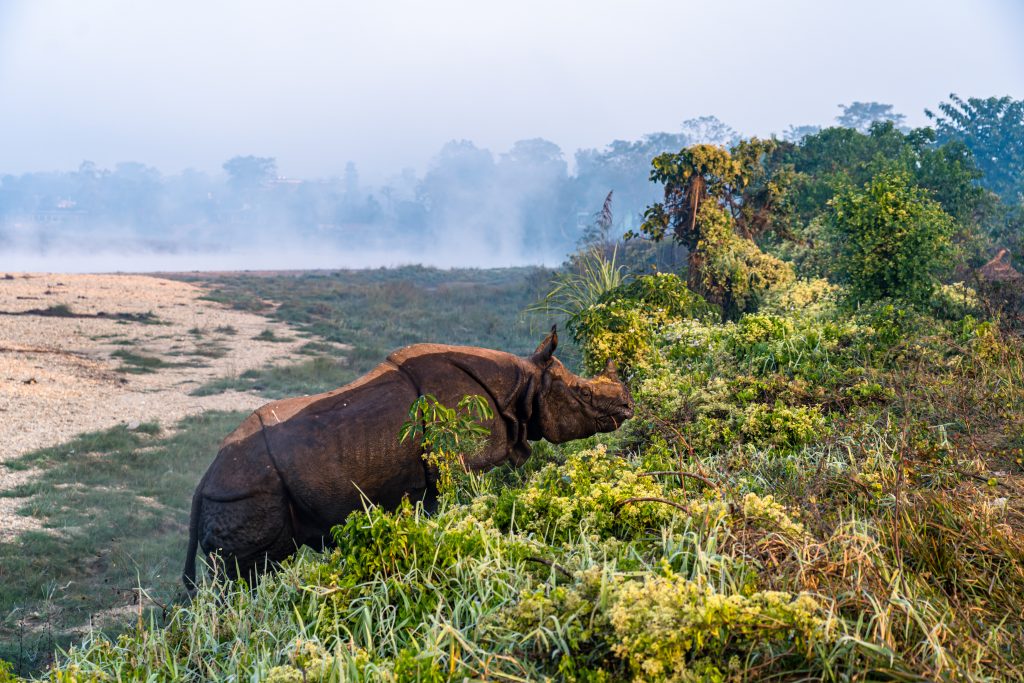
The park is home to 68 mammal species, 544 bird species, and some of the densest one-horned rhino populations on the planet. Approximately 694 rhinos live here now, a comeback story that started from fewer than 100 individuals in the 1960s. You will almost certainly see one. The 90-plus percent sighting rate on morning jeep safaris is not marketing. It’s just how Chitwan works.
Tigers are a different story. Around 128 (based on last official count) roam the park, but the dense sal forest makes sightings genuinely rare. Expect a 10 to 15 percent chance on a three-day visit. That sounds low, but context matters: most of Chitwan’s neighboring parks in India have similar or worse odds. Spotting a tiger here is a real event, not a guaranteed package item. Chase it too hard and you’ll miss everything else.
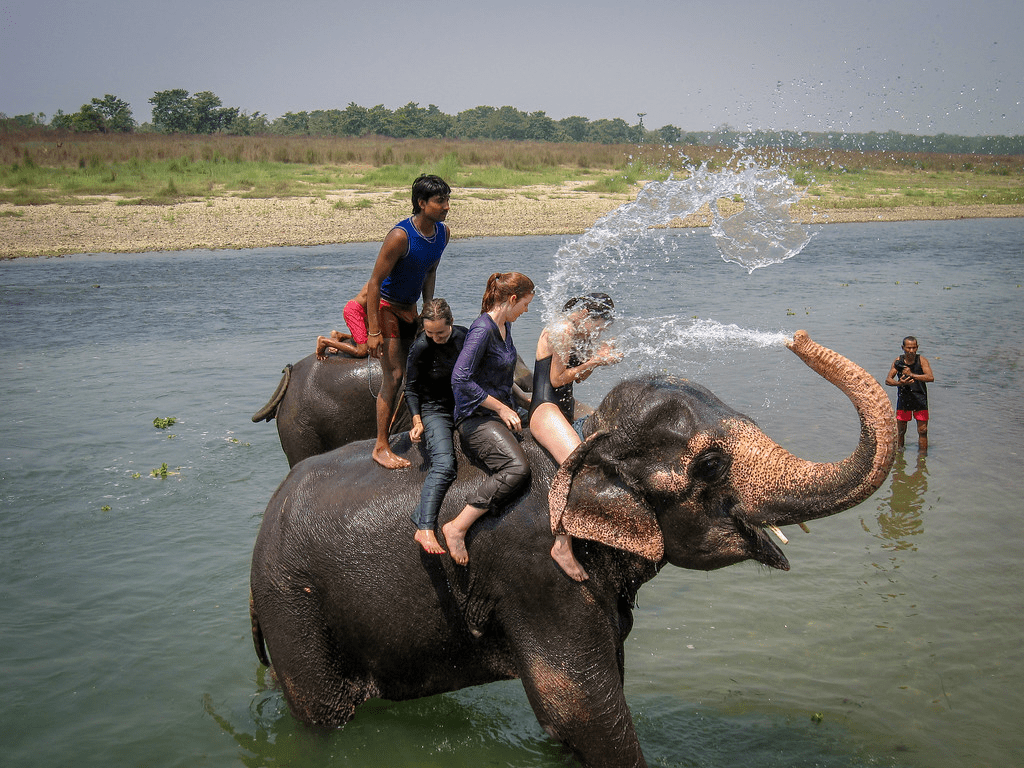
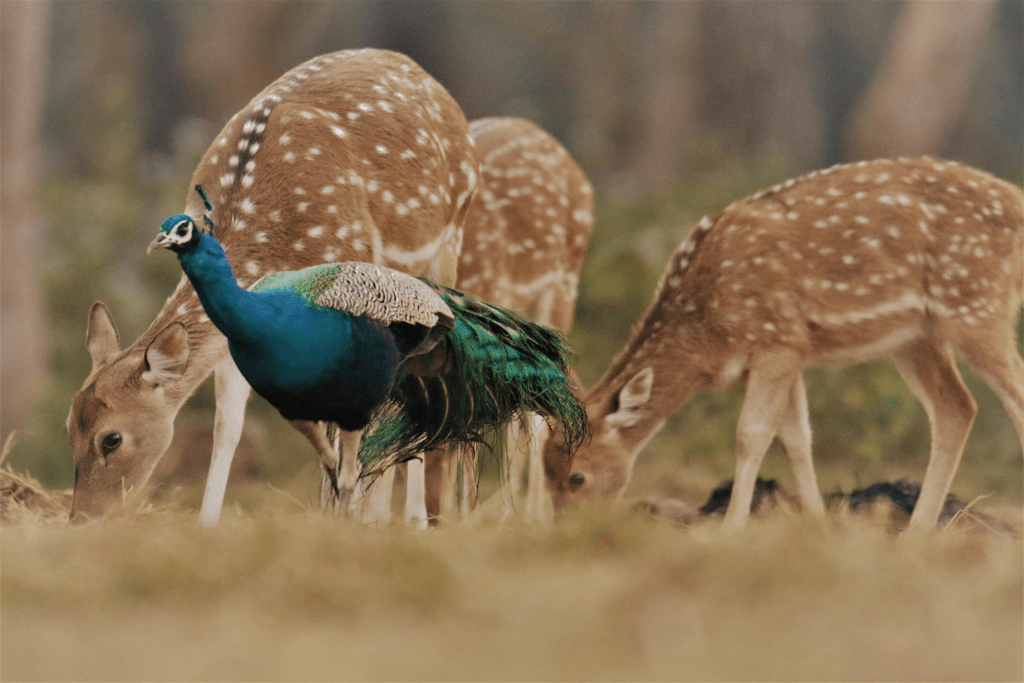
Wild elephants, around 50 of them, move through the park’s corridors and can occasionally be spotted near waterholes and grass meadows in the dry season. Gharial crocodiles rest on the sandbanks of the Narayani and Rapti rivers in the morning hours. Spotted deer are practically everywhere. Sloth bears, leopards, and smooth-coated otters round out the upper-tier sightings, each one a genuine reward.
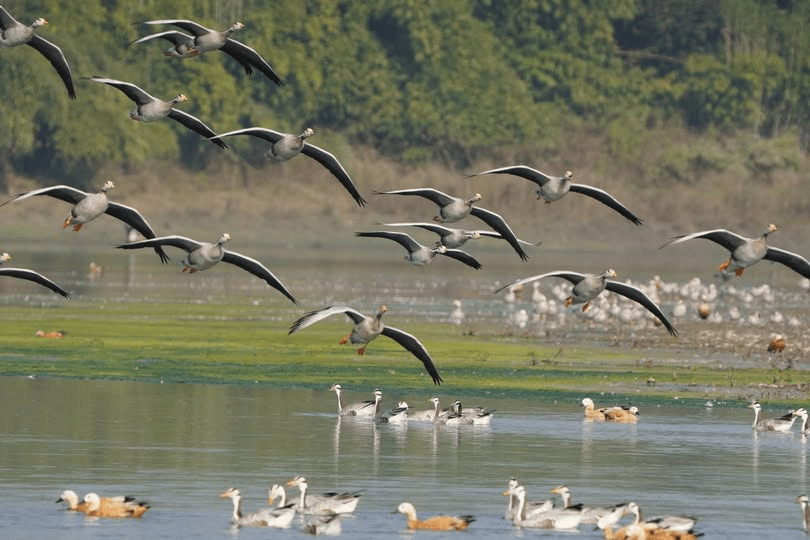
For birdwatchers, Chitwan is world-class. Over 500 species have been recorded inside the park. Look for giant hornbills, Bengal floricans, the stork-billed kingfisher, and, in winter months, flocks of migratory birds arriving from Central Asia. Bring binoculars and build in at least one dedicated morning walk along the river.
Safari Types: Which One Is Worth It
There are four main ways to experience the park. Each has a different feel, and smart visitors mix at least two of them.
Jeep Safari
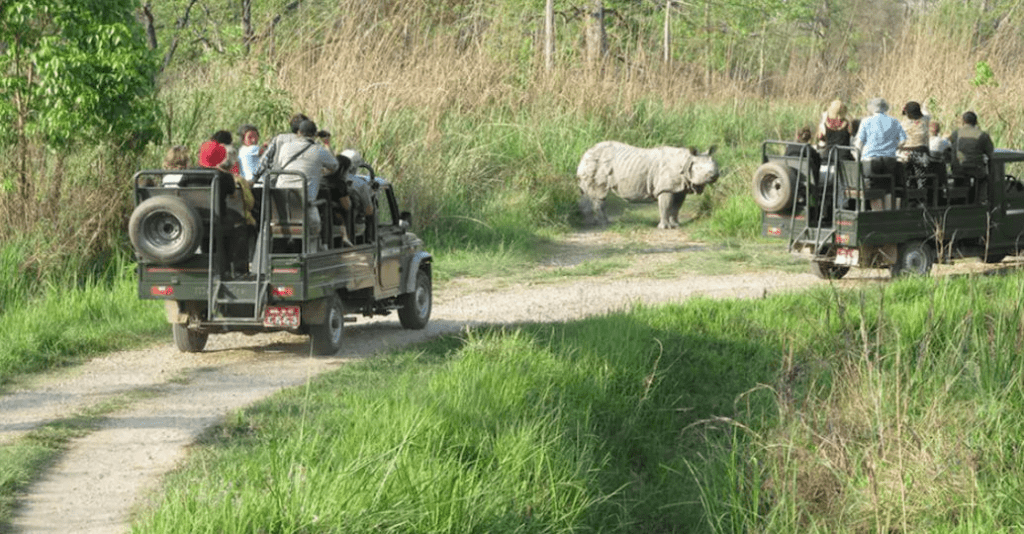
This is the backbone of any Chitwan visit. An open-sided 4WD carries six to eight passengers, a driver, and a naturalist guide through the park’s core zone. Morning drives (starting around 6am) are significantly better than afternoon ones for large mammal sightings. For 2026, the price for a shared jeep has risen slightly due to fuel costs. Expect to pay between NPR 5,000 and 7,000 ($38 to $52) per person for a standard half-day program including the mandatory guide and entry permit. Private vehicles run NPR 10,000 to 15,000 total. Morning drives last four to six hours.
Canoe Safari
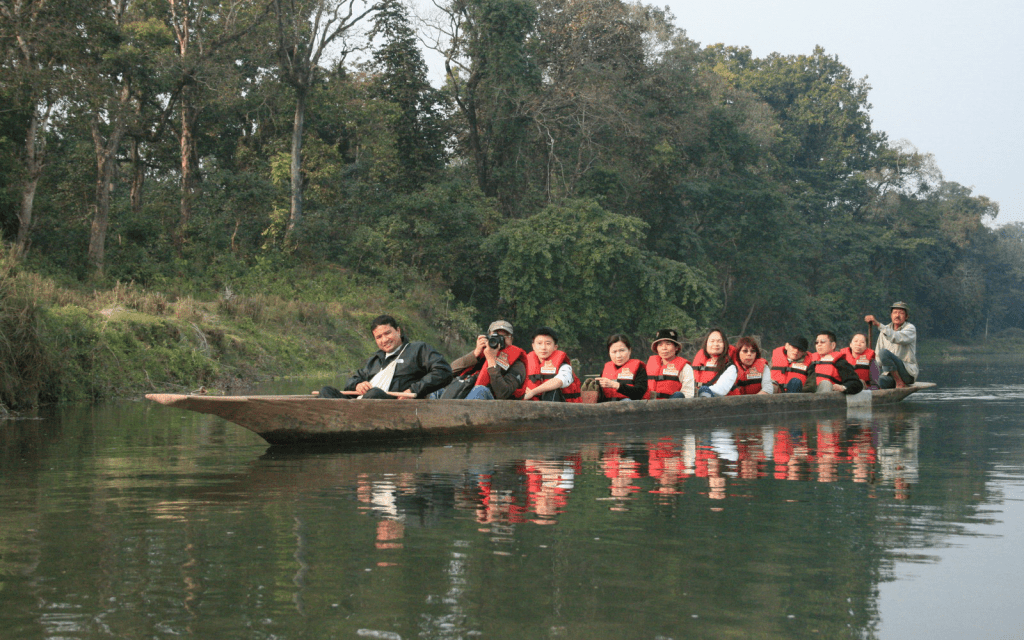
A quieter experience. You drift downstream on the Rapti or Narayani River in a dugout canoe, scanning the banks for gharials, mugger crocodiles, kingfishers, and the occasional rhino coming down to drink. The pace is slow. Conversations are whispered. It pairs beautifully with a jeep safari as part of a full-day package, and most lodges include it in their three-night programs.
Jungle Walking Safari
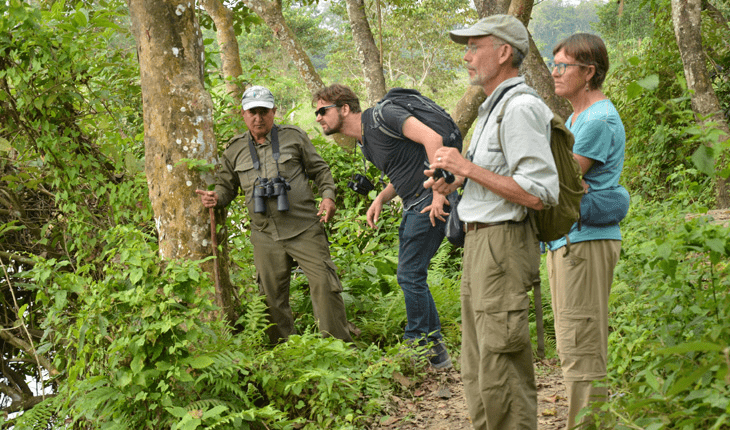
The most underrated option by far. You go on foot with an armed naturalist through a buffer zone of the park, reading tracks, listening for alarm calls, and understanding the jungle in a way a jeep simply can’t offer. Yes, you can encounter rhinos on foot. No, you will not be mauled if you stay calm and listen to your guide. A half-day walk costs around NPR 1,500 to 2,500 per person. Book it through a reputable lodge with certified guides, not a random tout in Sauraha.
Elephant Activities
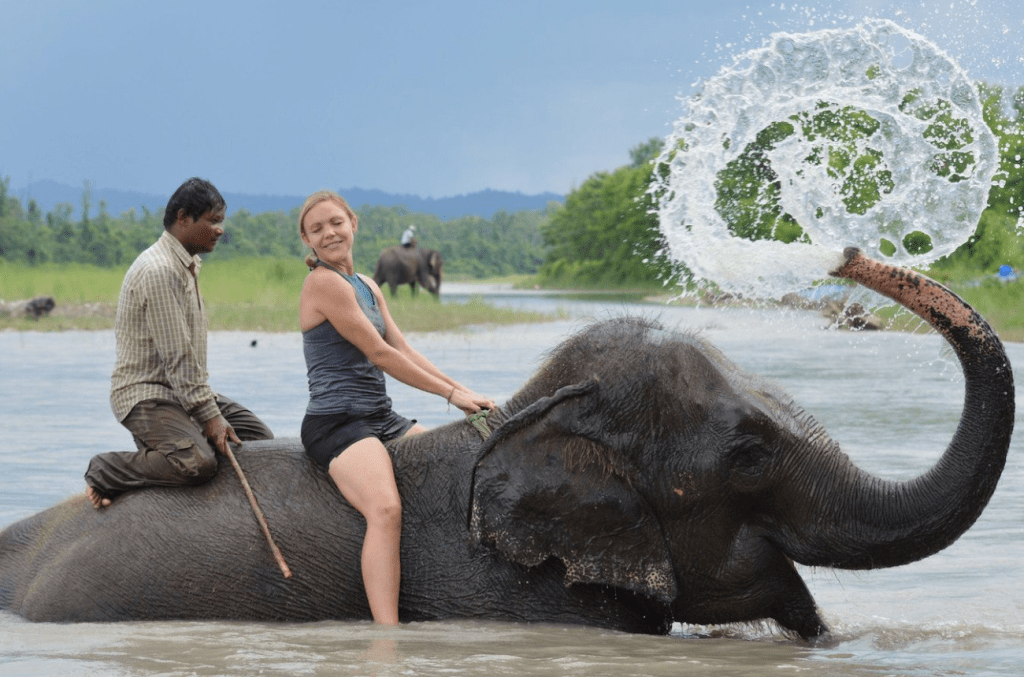
Traditional elephant-back safaris have been phased out by most responsible operators since 2022 due to well-documented animal welfare concerns. Skip them. What’s worth visiting instead is the government-run elephant breeding center near Sauraha. For NPR 300, you can watch domesticated elephants being cared for, including babies in the bathing area. It’s brief and honest.
Best Time to Visit Chitwan
October to March is the sweet spot. Days are dry, clear, and mild, sitting between 15°C and 28°C. Vegetation is lower after the monsoon, making animals much easier to spot. Rhinos gravitate toward waterholes and open grassland. Tiger sightings peak in March and April as water sources shrink and animals concentrate around fewer points.
April and May are hotter, pushing up to 38°C, but sightings can actually be excellent for the same reason: animals cluster near water.
Avoid the monsoon window from June through September. Most park roads flood. Safari programs become limited or halt entirely. Leeches are relentless on walking trails. Some lodges close. It’s not the time.
If you’re already planning a Nepal trip and wondering about timing the whole country, check out our guide on the best time to visit Nepal for a full seasonal breakdown.
Getting to Chitwan
Chitwan sits about 150 km southwest of Kathmandu. That sounds close. It’s not always fast.
By road, tourist buses and private cars take four to six hours depending on traffic on the Prithvi Highway. Due to ongoing road expansion projects on the Narayanghat-Mugling stretch, 6 to 8 hours is a safer “real-world” estimate for the bus from Kathmandu. A tourist bus ticket from Kathmandu costs NPR 600 to 800. Private cars run NPR 5,000 to 7,000 and are worth considering if your time is short. The drive itself is scenic in stretches, passing the gorge sections near Kurintar.
The faster option: fly to Bharatpur Airport from Kathmandu’s domestic terminal. Flights take 25 minutes and cost around $80 to $100 one way. Sauraha, the main visitor hub, is a 30-minute taxi ride from Bharatpur.
Where to Stay: Sauraha and Beyond
Sauraha is the main base for the vast majority of visitors. It’s a village of 30-plus lodges, guesthouses, restaurants, and souvenir shops, all running along the bank of the Rapti River directly opposite the park boundary. You can watch rhinos from the far bank while eating breakfast.
Budget guesthouses run $10 to $25 per night. Mid-range options, which are genuinely comfortable, sit in the $40 to $80 bracket. Upscale boutique lodges, mostly operated by conservation-focused operators, charge $150 to $300. A few properties located inside or adjacent to the park, like Tiger Tops, offer all-inclusive immersive programs at $350 to $600 per night. These make sense for wildlife photographers or travelers who want to go deep without daily commutes to the gate.
Book accommodation with safari packages included. Most three-night programs bundle two jeep safaris, one canoe ride, a cultural program, and all meals for $120 to $200 per person depending on the tier. This is almost always better value than booking activities separately on arrival.
Entry Fees and Costs
Foreign visitors pay NPR 2,000 (around $15) per day as a park entry fee. This is charged each time you enter the park, so a three-day stay with two morning safaris means two separate entry payments. SAARC nationals pay NPR 1,000. Nepalese citizens pay NPR 150.
On top of entry fees, budget for safari costs: NPR 4,000 to 6,000 for a shared jeep, or NPR 1,500 to 2,500 for a guided walk. A canoe ride typically runs NPR 1,000 to 1,500. Most lodge packages bundle these together, which simplifies the math significantly.
All in, a solid three-night Chitwan experience with accommodation, meals, and safaris runs roughly $150 to $250 per person at the mid-range level.
Beyond the Safari: What Else to Do
Tharu cultural performances happen most evenings in Sauraha, and the best ones are genuinely worth attending. Stick dancing, traditional songs, and fire performances tied to the indigenous Tharu community who have lived in the Terai for centuries. Ask at your lodge for the community-run shows at the Tharu Community Centre rather than the diluted resort versions.
Sunrise and sunset on the Rapti River are free and stunning. Rent a bicycle and cycle through the village and surrounding farmland for an hour. Visit the elephant breeding center in the late morning when the elephants are most active. These cost almost nothing and round out the experience well.
And if this is your first time in Nepal, consider pairing Chitwan with either Kathmandu or Pokhara. Read our Nepal travel guide for first-time visitors to see how a typical route comes together.
Practical Tips Before You Go
- Wear muted, earth-toned clothing on safaris. Bright colors make animals flee and irritate experienced guides.
- Book morning safaris, not afternoon ones. Animal activity drops significantly after 9am in the heat.
- Bring strong insect repellent. The Terai mosquitoes are relentless from September onwards and active in the evenings year-round.
- Don’t leave valuables in your jeep. Rhesus macaque monkeys treat open windows as an invitation.
- Carry cash. ATMs exist in Sauraha but run dry on busy weekends.
- Follow every instruction your guide gives immediately. This isn’t theater. Encounters with rhinos on foot can escalate in seconds.
- Combine the canoe trip and walking safari on the same day for maximum value. Most lodges can arrange this as a full-day program.
For detailed information on permits and conservation rules, check the official Chitwan National Park website.
If you’re planning a longer Nepal itinerary, don’t miss our guide to Pokhara, Nepal’s adventure capital and another natural wonder just a few hours north.
Frequently Asked Questions About Chitwan National Park
How many days do I need in Chitwan National Park?
Three nights is the sweet spot. It gives you two or three morning safaris, time for a canoe ride and walking safari, and an evening cultural program. Two nights works but feels rushed. One night is barely enough to justify the travel. If you’re serious about wildlife photography, go for four or five nights.
What is the best time of year to visit Chitwan?
October through March is ideal for wildlife sightings and comfortable weather. February and March are particularly good for birds. April offers excellent large mammal sightings as water sources concentrate animals. Avoid June through September when the monsoon floods most roads and limits safari access.
What is the park entry fee for foreign visitors?
The entry fee is NPR 2,000 per person per day for foreigners, which is roughly $15. This fee is charged each time you enter the park, so factor it into your daily safari budget. It is separate from any fees paid to your lodge or safari operator.
Is it possible to see tigers in Chitwan?
Yes, it is possible, but not guaranteed. Around 120 Bengal tigers live in the park, but they move through dense sal forest that makes sightings genuinely difficult. Your odds on a three-day visit are roughly 10 to 15 percent. That number improves slightly in March and April when animals concentrate near waterholes. Go in with realistic expectations and you’ll enjoy every sighting you do get, whether it’s a tiger or a rhino two meters from your jeep.
Are elephant-back safaris ethical in Chitwan?
Most reputable operators have stopped offering elephant-back safaris due to longstanding welfare concerns about the training and working conditions of domesticated elephants. Skip it and visit the elephant breeding center instead for a responsible alternative. You’ll still see elephants up close, just without the ethical baggage.
How do I get from Kathmandu to Chitwan?
Two options: road or air. Tourist buses take four to six hours and cost NPR 600 to 800. Private cars are faster at three to four hours and cost NPR 5,000 to 7,000. Alternatively, fly to Bharatpur Airport in 25 minutes for around $80 to $100, then take a 30-minute taxi to Sauraha. If your time is tight, fly. If budget matters, take the tourist bus.
What should I pack for a Chitwan safari?
Neutral, earth-toned clothing is essential. No bright reds or whites on jeep safaris. Bring a good pair of binoculars for bird watching and distant wildlife, strong insect repellent, sunscreen, a hat, and a light jacket for early morning drives in cooler months. A small daypack works fine. Your phone camera is adequate for rhinos at close range, but bring a zoom lens if large mammal photography is your priority.
Is Chitwan safe to visit?
Chitwan is very safe for tourists. The risks that do exist, such as encounters with rhinos or sloth bears on walking trails, are managed by trained, armed naturalists who know the park well. Follow their instructions without hesitation and stay in your vehicle during jeep safaris. The village of Sauraha is calm, tourist-friendly, and has very low crime. Solo travelers, including solo women, visit and report feeling safe here regularly.