



Most of the children living in Nepal’s residential care homes are not orphans. UNICEF Nepal puts the figure at up to 85 percent with at least one living parent. That single number should reshape how any visitor thinks about the offer to volunteer in Nepal, because it means the most popular placement sold to foreigners, a week or a month in a children’s home, often sits on top of a family separation that money helped create.
Volunteering here can still do real good. It depends almost entirely on what you sign up for, who you work through, and whether the work would exist if you were not paying to do it.
Why Nepal Became a Voluntourism Destination
Nepal is cheap, welcoming, and English is widely spoken in the tourism economy. Placement agencies noticed that combination years ago. A foreign volunteer can fly into Kathmandu, pay a program fee, and be placed with a school, a clinic, or a care home within days.


Demand grew sharply after the 2015 earthquake. Good intentions arrived faster than any system to channel them. Some organizations used the surge well. Others discovered that vulnerable children attract donations, and that a steady supply of paying volunteers is easier to secure than a steady supply of local funding.
Traditions and needs vary enormously across the country. A landslide-affected ward in Sindhupalchok does not need what a Terai municipality needs, and neither resembles the situation in a Kathmandu squatter settlement. Agencies that sell one generic “Nepal experience” rarely account for that.
The Orphanage Problem, Explained Plainly
Nepal’s residential care sector is regulated but uneven. Government figures cited in Nepali media put the number of registered child care homes at 489 as of 2021, concentrated heavily in the Kathmandu Valley. Monitoring in five districts during 2020 and 2021 counted 3,382 children across 163 homes.
Registration is not the same as quality. Nepal’s Children’s Regulation of 2022 raised the bar: homes must meet infrastructure standards, keep boys and girls housed separately and safely, train staff in child rights, and treat reunification with parents or guardians as the priority rather than the exception.
Here is the part that most program brochures leave out. UNICEF warns that background checks on volunteers are frequently not carried out, and that short stays expose children to repeated cycles of attachment and loss. A child who says goodbye to a warm stranger every three weeks is not being helped. Some operators go further and actively recruit children from poor rural families with promises of schooling, because a home full of children generates income.
None of that means every children’s home in Nepal is exploitative. Many are run by committed Nepali staff doing difficult work with almost no budget. It does mean that a foreigner cannot tell the difference from the outside in a week, and that paying to enter is the wrong way to find out.
The Test to Apply Before You Book
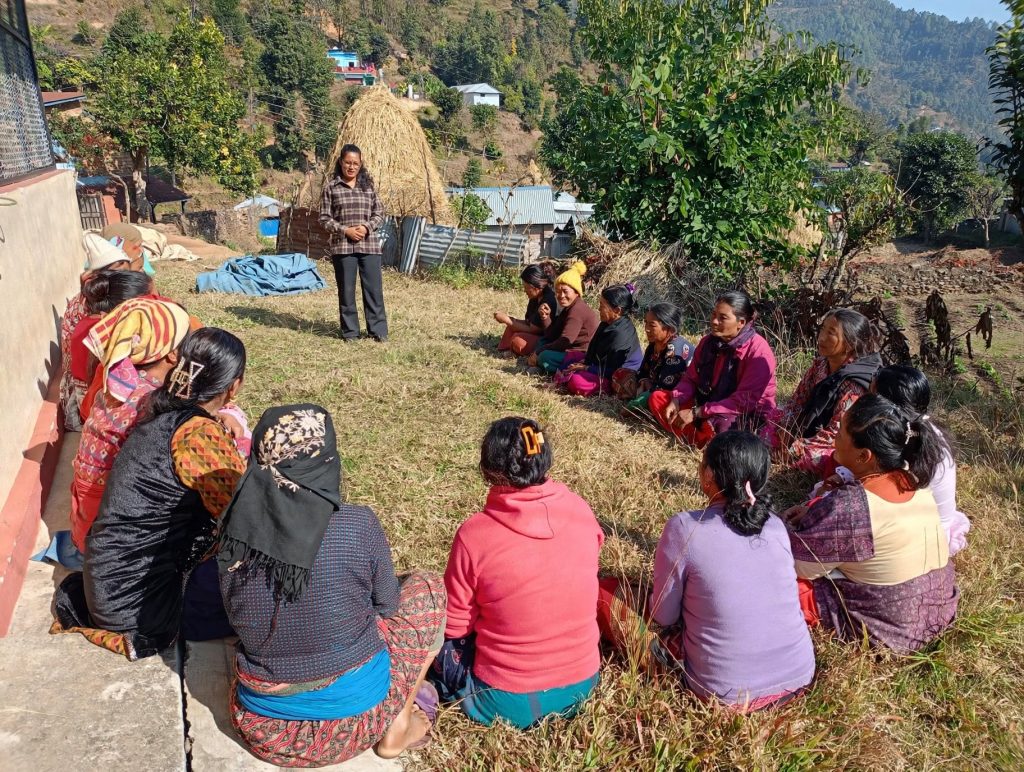
Ask one question about any placement: would a qualified Nepali be doing this job if I were not paying to do it? If yes, your presence is displacing local employment in a country where youth unemployment drives mass labor migration. If the honest answer is that nobody would do it, ask whether the task actually needs doing.
Three further filters are worth applying.
- Qualification match. Would you be permitted to do this work at home? Teaching a class, assisting at a birth, laying brick on a school wall. If not, doing it in Nepal is not more acceptable, it is less.
- Duration. Most genuinely useful roles need months, not days. Skilled short missions exist, but they are specific: a surgical team, an auditor, a curriculum trainer.
- Who holds the plan. A Nepali organization with its own priorities that occasionally uses volunteers is a very different thing from a foreign agency that invents placements to fill seats.
Placement Types Compared
| Placement type | Typical risk | When it can work |
|---|---|---|
| Residential children’s home | High. Attachment harm, weak vetting, demand-driven institutionalization | Rarely for visitors. Support family reunification programs financially instead |
| Teaching English in a school | Medium. Displaces paid Nepali teachers if untrained | Qualified teachers on multi-month placements, co-teaching with local staff |
| Medical and dental camps | Medium to high. Scope creep by unlicensed students | Licensed practitioners working under a registered Nepali partner, within your own scope |
| Construction and rebuilding | Medium. Unskilled labor is abundant and cheap locally | Structural engineers, trainers, or funded projects using paid local crews |
| Conservation and trail work | Lower. Seasonal, tangible, community managed | Community forest groups, national park buffer zones, waste projects |
| Skills transfer: IT, accounting, marketing | Low. Builds capacity that stays | Remote or in person, with a defined deliverable and a local counterpart |
Visas and the Legal Picture
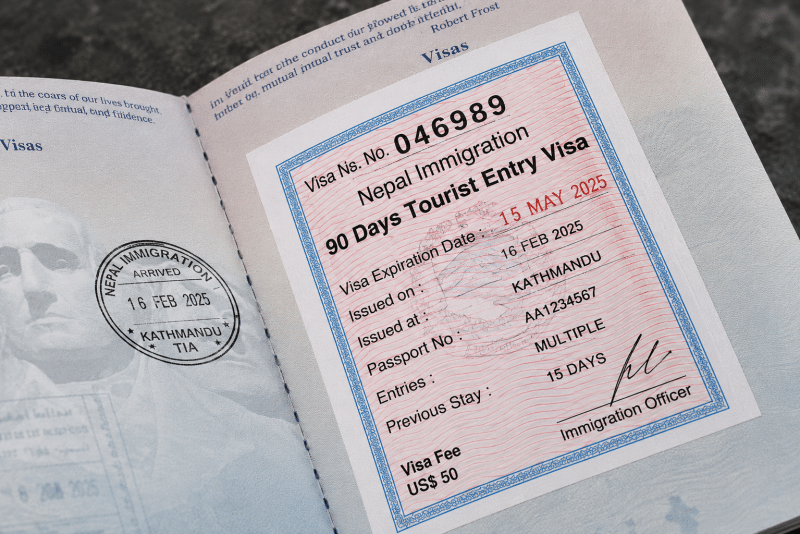
Nepal has no dedicated volunteer visa category in general practice. Most volunteers arrive on a tourist visa, issued on arrival or through the electronic system, typically for 15, 30, or 90 days, extendable in monthly increments at the Department of Immigration in Kathmandu or Pokhara.
A tourist visa does not confer the right to paid work. Unpaid volunteering occupies a gray zone that immigration officers generally tolerate for short, genuine, unpaid placements, and formal long-term arrangements with international NGOs run through separate approvals. Ask your host organization in writing which status applies to you, and keep a copy. Do not let an agency tell you the question does not matter.
Check current visa fees and rules directly with the Department of Immigration before traveling, since fees and extension rules change.
Where the Money Goes
Program fees in Nepal commonly run from a few hundred to a few thousand US dollars for placements of two to twelve weeks. Fees are not automatically a red flag. Hosting a stranger costs real money: food, a bed, a coordinator’s time, transport, translation.
The flag is opacity. A credible organization can tell you what share covers your accommodation, what share goes to the host project, and what share is agency margin. If nobody will give you that breakdown in writing, you are buying an experience, not funding a program.
Run the comparison honestly. If your two-week placement costs US$900 and a Nepali teaching assistant earns a modest monthly salary, ask whether your money would achieve more as a direct grant than as an airfare and a homestay bill. Sometimes the answer is still that you should come, because you bring a skill nobody local has yet. Often it is not.
Better Ways to Contribute
UNICEF Nepal’s own guidance is blunt: people without professional qualifications should reconsider hands-on work with children, and should instead support agencies that rebuild communities and keep families together. Those programs are less photogenic. They also work.
- Fund family reunification and kinship care. Placing a child with an aunt, grandparent, or older sibling costs far less than institutional care and produces better outcomes.
- Spend locally on the way through. Community homestays, locally owned lodges, Nepali-run agencies, and local guides put money directly into households. See our guide to village homestays near Kathmandu.
- Pay properly when you trek. Fair wages, insurance, and correct loads for porters matter more than a donation later. Our guides on hiring a trekking guide and tipping guides and porters cover the norms.
- Offer a skill remotely. Nepali nonprofits routinely need website work, grant writing, bookkeeping, data systems, and English editing. None of that requires a flight.
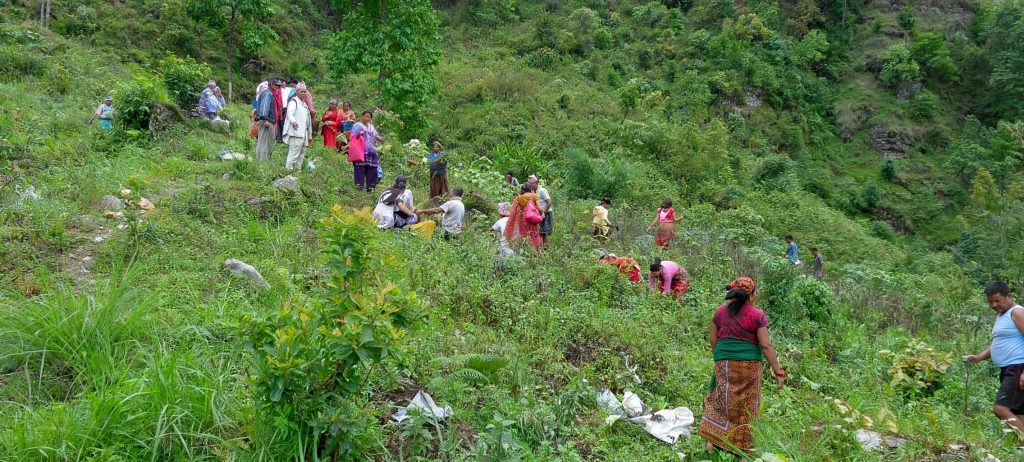
- Join environmental work. Community forest user groups, buffer zone committees, and waste initiatives take seasonal help, and the output is measurable.
Vetting an Organization: A Short Checklist
- Is it a registered Nepali organization, and can it show registration and an affiliation with the Social Welfare Council where required?
- Who leads it, and are Nepali staff in decision-making roles rather than only delivery roles?
- Does it request a police check or child protection clearance from you? A placement involving children that asks for nothing should end your interest.
- Is there a written child protection or safeguarding policy, and will they send it?
- Can you speak to a past volunteer they did not select for you?
- Does the work continue when no volunteers are present?
- Are photographs of identifiable children used in their marketing? Heavy use is a warning sign.
Conduct Once You Arrive
Dress modestly outside tourist districts, especially at schools and religious sites. Learn a few dozen words of Nepali, and remember that Nepali is a second language for many communities, including Tamang, Newar, Maithili, Tharu, and Sherpa speakers.
Ask before photographing anyone, and do not photograph children in care settings at all. Accept that your host’s way of doing things reflects constraints you cannot see from six weeks of residence. Raise safeguarding concerns through the organization’s own channel first, and escalate to the National Child Rights Council or your embassy if a child appears to be at risk.
Leave the project better documented than you found it. A clear handover note is often the most durable thing a short-term volunteer produces.
Frequently Asked Questions
Is volunteering in orphanages in Nepal illegal?
No, it is not banned outright, but it is discouraged by UNICEF and by child protection organizations, and care homes are regulated under Nepal’s Children’s Regulation of 2022 with reunification treated as the priority. Legality is not the useful test here. The risk of harm is.
Do I need a special visa to volunteer in Nepal?
Most short-term volunteers travel on a tourist visa, which does not permit paid work. Longer or formal placements with registered organizations follow separate approval routes. Confirm your status in writing with your host before you travel, and verify current rules with the Department of Immigration.
How much should a volunteer program cost?
Fees vary widely, from a few hundred to several thousand US dollars depending on length and inclusions. What matters is the breakdown. A program that cannot separate your living costs from the host project’s share and its own margin has not earned your money.
Can I volunteer for just one week?
For work with children, no. For a defined technical task with a clear deliverable, sometimes. Short stays suit funded, skill-specific missions, not relationship-based roles.
What is the best time of year to volunteer in Nepal?
Autumn, roughly late September to November, and spring, roughly March to May, offer stable weather and easier travel. Note that Dashain and Tihar close many schools and offices for several weeks in autumn, so confirm the working calendar with your host.
Is it safe to volunteer in rural Nepal?
Generally yes, with normal precautions. Road travel is the main hazard, monsoon landslides disrupt hill routes between June and September, and health facilities outside cities are limited. Carry comprehensive insurance and register with your embassy for longer stays.
Can I combine volunteering with trekking?
Yes, and many people do. Keep the two separate in your planning and budget. Trekking costs are substantial on their own, as our line-by-line trekking cost breakdown shows.
What if I discover the placement is harmful once I am there?
Stop participating in the harmful activity, document what you saw, and report it to the organization’s safeguarding contact. If children are at risk, contact the National Child Rights Council or your embassy. Do not simply finish the placement quietly and post the photographs.
The Short Version
Volunteering in Nepal is worth doing when your skill is genuinely scarce, your stay is long enough to matter, and the organization would continue without you. Anything else is tourism with a better story attached, and in the case of residential care for children, it can be actively damaging. Be the visitor who asks the awkward questions before booking.
NepalVue publishes practical, researched guides to traveling and working in Nepal responsibly. Explore more of our responsible travel coverage, save this guide for your planning file, and share it with anyone weighing a placement.


