



The Physiology of Hypoxia: What Happens to the Brain in the Death Zone
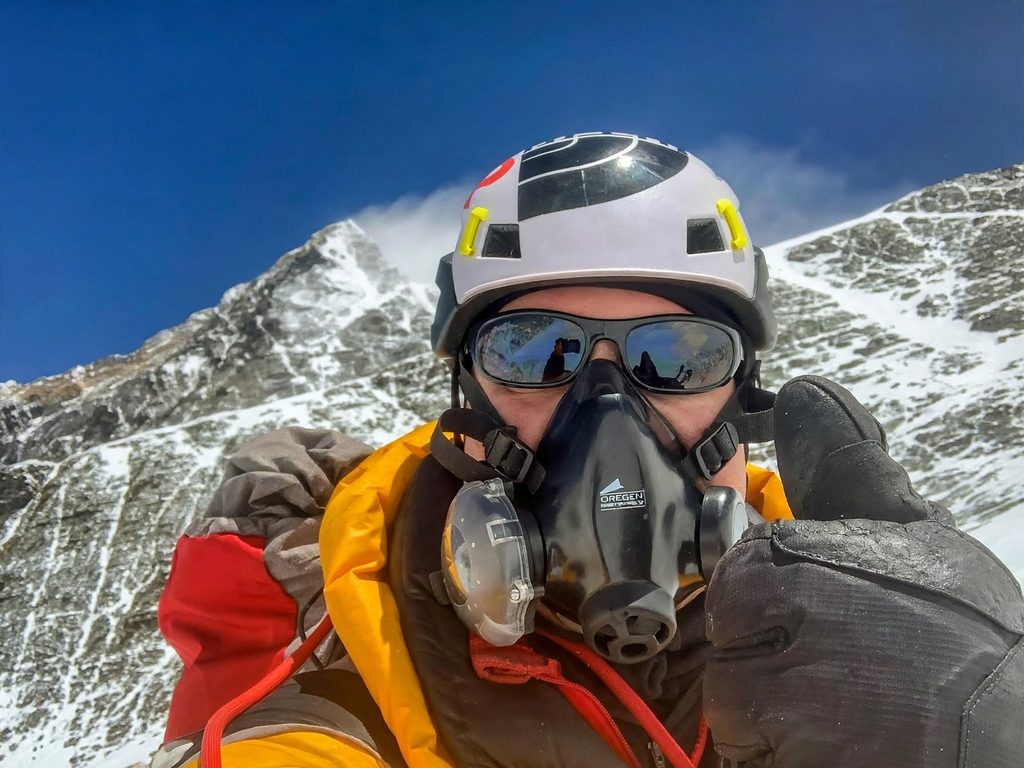
At 2am on a summit push above the South Col, a climber stops to adjust a crampon strap and cannot work out the sequence of movements. Thirty seconds pass. The task is one they have done a thousand times. Nothing hurts, nothing feels wrong, and that is the problem. High altitude hypoxia degrades judgment before it produces obvious symptoms, which is why so many serious mountain accidents involve competent people making decisions that look inexplicable afterward. This article explains the mechanism: how oxygen reaches the brain, what measurements have actually been taken on Everest, what imaging shows afterward, and where the science remains uncertain.
What Hypoxia Means, Precisely
Hypoxia is a shortage of oxygen in body tissue. Hypoxemia, a related term, means low oxygen in arterial blood. At altitude the cause is not a change in the composition of air. Oxygen still makes up about 21 percent of it. What falls is barometric pressure, and with it the partial pressure of oxygen, which is the force driving oxygen from the lungs into the blood.
On the summit of Everest, barometric pressure sits around a third of its sea-level value. Each breath delivers roughly a third of the oxygen molecules it would at the coast. Nothing about the lungs has changed. Physics has.


Above about 8,000 meters, climbers use the informal term “death zone,” meaning the altitude band where the body cannot acclimatize indefinitely and deteriorates regardless of fitness. It is a descriptive label from mountaineering, not a physiological threshold with a sharp edge.
The Numbers from 8,400 Meters
Most altitude physiology is measured in chambers or at research stations. In 2007, the Caudwell Xtreme Everest expedition did something unusual: it drew arterial blood from climbers on the mountain itself.
Michael Grocott and colleagues published the results in the New England Journal of Medicine in 2009. Four samples were taken at 8,400 meters on the Balcony, where barometric pressure measured 272 mm Hg. Mean arterial oxygen partial pressure, written PaO2, was 24.6 mm Hg. The lowest single value recorded was 19.1 mm Hg.
Context makes those numbers legible. A healthy adult at sea level sits around 90 to 100 mm Hg. In a hospital, a patient at 24.6 mm Hg would be a resuscitation emergency. These climbers were walking.
| Measure | Typical sea level | 8,400 m on Everest (Grocott et al., 2009) |
|---|---|---|
| Barometric pressure | ~760 mm Hg | 272 mm Hg |
| Arterial PaO2 | ~90 to 100 mm Hg | Mean 24.6 mm Hg (range 19.1 to 29.5) |
| Arterial PaCO2 | ~40 mm Hg | Mean 13.3 mm Hg |
Note the carbon dioxide figure. At 13.3 mm Hg it is extremely low, the result of sustained heavy breathing. That matters more than it first appears, and the next section explains why.
Why the Brain Suffers First
Brain tissue is roughly 2 percent of body weight and consumes around 20 percent of resting oxygen. It stores almost no oxygen reserve. Supply interruption shows up in function within seconds.
Several compensations kick in as a climber ascends, and each carries a cost.
Hyperventilation
Breathing rate and depth increase, pulling more oxygen in. Carbon dioxide is blown off in the process, which raises blood pH and produces respiratory alkalosis. Low carbon dioxide is also a potent constrictor of cerebral blood vessels. So the same response that improves oxygen uptake tends to reduce blood flow to the brain. Two mechanisms work against each other, and the net effect varies between individuals.
Increased cerebral blood flow
Hypoxia itself dilates cerebral vessels, pushing more blood through to compensate. Competition between hypoxic dilation and hypocapnic constriction is one reason individual responses to altitude differ so widely.
Red blood cell production
Over days to weeks, the kidneys release erythropoietin and the body makes more red cells, raising oxygen-carrying capacity. Blood also becomes more viscous, which has its own circulatory costs. Acclimatization is a trade, not a fix.
What Imaging Shows After an Expedition
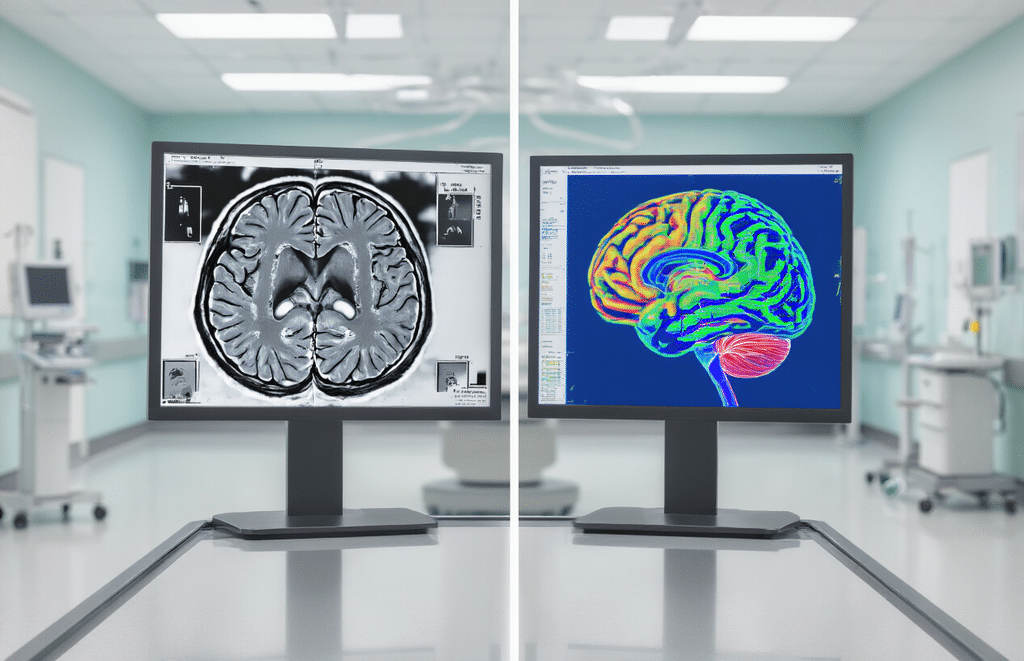
A prospective cohort study published in PLOS ONE in 2015 by Kottke, Pichler Hefti and colleagues followed the 2013 Swiss High Altitude Medical Research Expedition to Himlung Himal, a 7,126-meter peak in Nepal, climbed without supplemental oxygen. Thirty-eight climbers completed 3T MRI scanning before and after.
Findings were more nuanced than the headlines that followed:
- No new white matter lesions appeared after the expedition. Lesions were already present at baseline in 22 of the 38 climbers, and were small and clinically unimportant.
- Cerebrospinal fluid fraction increased slightly and white matter fraction decreased slightly. Grey matter change was not statistically significant.
- Three climbers developed new cerebral microhemorrhages in the splenium of the corpus callosum. All three had been above 7,000 meters. Compared with the rest, they had lower minimum blood oxygen saturation, more days below 75 percent saturation, and higher maximum sleeping altitude.
- Acute mountain sickness scores did not distinguish the three climbers with microhemorrhages from those without.
Limits deserve equal weight. Three people is a very small subgroup. Only one post-expedition scan was performed, so nobody knows whether the changes were transient or permanent. Fewer than half the climbers went above 7,000 meters, and no camp exceeded that height. Applying these results to repeated 8,000-meter expeditions goes beyond what the study tested.
Older reporting, including widely circulated 2008 coverage of Everest and K2 climbers, framed this area as proof that climbing “kills brain cells.” Evidence is considerably messier than that. Some studies find structural changes, some find none, sample sizes are small, and baseline differences between climbers are large.
Cognition: What Degrades, and When
Research on cognitive performance at altitude is substantial but inconsistent, partly because studies differ in altitude, speed of ascent, acclimatization status, and the tests used.
Broad patterns that recur across the literature:
- Complex tasks degrade before simple ones. Reaction time on a basic test often holds up while planning, sequencing, and error monitoring deteriorate.
- Insight degrades alongside performance. Climbers frequently rate their own functioning as normal while performing measurably worse, which is the dangerous part.
- Speed of ascent matters independently of absolute altitude. Rapid ascent to a given height produces worse outcomes than reaching it slowly.
- Variation between individuals is large and not well predicted by fitness.
Meta-analyses, including work published in 2024 and 2025 on both acute and long-term exposure, generally confirm measurable decline across multiple cognitive domains, with larger effects at greater altitude. Effect sizes vary between analyses and the underlying studies are heterogeneous. A careful reader should treat the direction of the finding as well supported and the precise magnitude as unsettled.
When It Becomes a Medical Emergency
Hypoxia at altitude exists on a continuum with two serious syndromes at the severe end.
High altitude cerebral edema, or HACE, involves swelling of the brain. Ataxia, meaning loss of coordination, is the classic early sign, along with confusion and altered consciousness. Progression can be rapid and it is life threatening.
High altitude pulmonary edema, or HAPE, involves fluid accumulation in the lungs. Breathlessness at rest, a dry then productive cough, and marked exercise intolerance are typical.
Both conditions share one treatment principle: descend. Oxygen, portable hyperbaric bags, and medication can buy time, but descent is the intervention that works.
| Condition | Key early signs | Primary action |
|---|---|---|
| Acute mountain sickness | Headache plus nausea, fatigue, poor sleep | Stop ascending; descend if worsening |
| HACE | Ataxia, confusion, drowsiness, behavior change | Immediate descent; oxygen; evacuate |
| HAPE | Breathlessness at rest, cough, very low exercise tolerance | Immediate descent; oxygen; evacuate |
Nothing here is a substitute for medical advice or training. Trekkers heading above 3,000 meters should read current guidance and carry appropriate insurance. Our guides to the Everest Base Camp trek and Manang valley on the Annapurna Circuit cover acclimatization scheduling on two of Nepal’s most-walked high routes.
Does Adaptation Change the Picture?
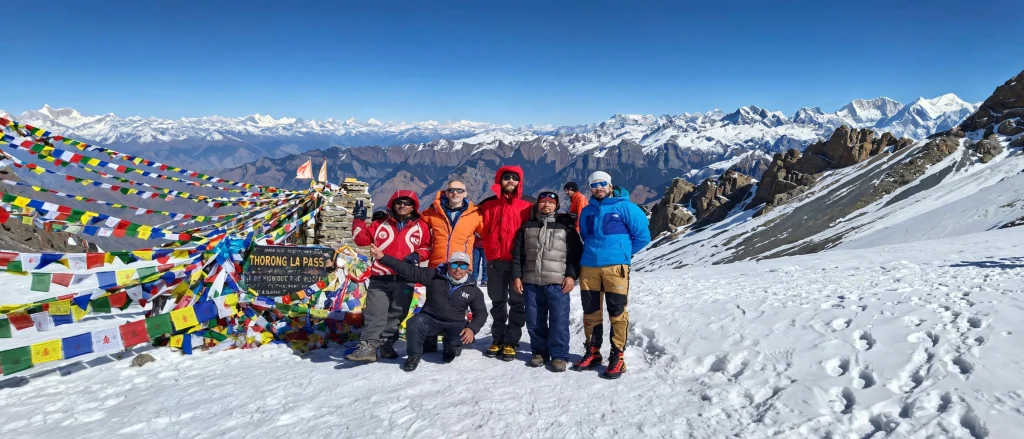
Populations with long residence at altitude show physiological differences from lowland visitors. Among Tibetan and Sherpa communities in Nepal’s high valleys, researchers have documented patterns of oxygen handling that differ from the classic lowlander response, including differences linked to the EPAS1 gene.
Two cautions belong here. First, these are population-level findings, and individuals vary widely within any community. Second, adaptation is not immunity. People from high-altitude communities also develop altitude illness, and Sherpa and other Nepali high-altitude workers carry substantial occupational risk on expeditions, often with more exposure days than the clients they support. Framing any community as naturally immune is both inaccurate and convenient in ways that should make readers uncomfortable. Our piece on Sherpa communities covers that history, and Nepal’s mountaineering history sets the labor question in context.
Practical Implications for Trekkers and Climbers
The physiology leads to a small number of practical conclusions, and they are unglamorous.
- Ascent rate is the variable you control. Above roughly 3,000 meters, limiting increases in sleeping altitude and building in rest days remains the best-supported protective measure.
- Do not use how you feel as your only instrument. Impaired insight is part of the condition.
- Decide descent thresholds before you are hypoxic, and write them down. A decision made at 5,000 meters is more reliable than one made at 7,500.
- Travel with people willing to overrule you, and agree in advance that they can.
- Treat ataxia as an emergency, not an inconvenience. If someone cannot walk a straight line, that is a descent decision.
Frequently Asked Questions
What exactly is the death zone?
It is a mountaineering term for altitudes above roughly 8,000 meters, where the body deteriorates continuously and cannot acclimatize indefinitely. It is a useful descriptive label rather than a precise physiological boundary.
Is brain damage from altitude permanent?
Unresolved. The 2015 Himlung Himal study found small structural changes and, in three climbers, new microhemorrhages, but it included only one post-expedition scan, so persistence was not tested. Evidence across the wider literature is mixed and sample sizes are small.
Does supplemental oxygen prevent cognitive decline?
It raises available oxygen substantially and reduces the physiological stress of extreme altitude. It does not restore sea-level conditions, and flow rates used on 8,000-meter peaks still leave climbers hypoxic.
Does being fit protect you?
Fitness helps you move efficiently and recover, but it does not reliably predict susceptibility to altitude illness. Very fit people get acute mountain sickness, HACE, and HAPE. Fitness can even increase risk indirectly by letting someone ascend faster.
How low does blood oxygen saturation go at extreme altitude?
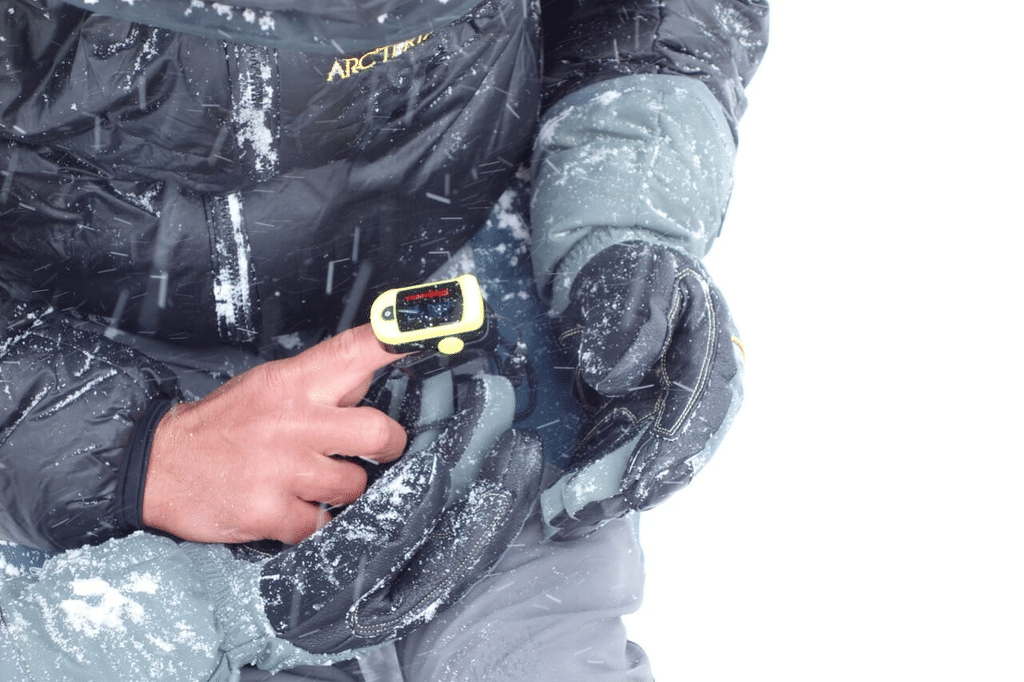
Readings in the 60s and lower have been recorded on 8,000-meter peaks. In the Himlung Himal cohort, climbers who later showed microhemorrhages had spent multiple days below 75 percent saturation. Values this low would be treated as critical at sea level.
Can you train to tolerate hypoxia before a trip?
Pre-acclimatization using hypoxic tents or chambers is used by some climbers and has some physiological support, but evidence on real-world outcomes is limited and the protocols vary widely. It does not replace a sensible ascent profile.
Do children and older trekkers face different risks?
Age alone is not a straightforward predictor of altitude illness. Children can be harder to assess because symptoms are easily mistaken for ordinary tiredness or upset. Anyone with cardiac, pulmonary, or neurological conditions should get medical advice before a high-altitude trip.
What should be in a high-altitude first aid plan?
At minimum: a clear descent plan with named decision points, communication capability, appropriate insurance covering helicopter evacuation, and at least one person in the group trained in recognizing HACE and HAPE. Medication should be discussed with a travel medicine professional before departure.
The Short Version
Oxygen pressure, not oxygen percentage, is what falls with altitude. Brain tissue is the least tolerant organ of that fall, and its earliest casualty is the quality of your thinking rather than anything you can feel. Measurements taken on Everest confirm that climbers operate at arterial oxygen levels that would be treated as emergencies anywhere else. Respect that, build your schedule around it, and decide in advance who gets to call the retreat.
If this was useful, save it for your next high-altitude trip and share it with the people you will be climbing with. NepalVue covers Nepal’s mountains, trails, and the science behind them, and there is more to explore.
Sources: Grocott et al., “Arterial Blood Gases and Oxygen Content in Climbers on Mount Everest,” New England Journal of Medicine, 2009; Kottke et al., “Morphological Brain Changes after Climbing to Extreme Altitudes,” PLOS ONE, 2015.


