


More first-time rafters get their start on the Trishuli than on every other river in Nepal combined. There is a simple reason for that, and it is not the rapids. Trishuli River rafting happens on the exact stretch of highway almost every visitor already drives between Kathmandu, Pokhara, and Chitwan, which means you can bolt a genuine whitewater adventure onto a trip you were taking anyway. Once the monsoon eases off in late September, that convenience turns into one of the easiest big thrills in the country.
Here’s what most guides won’t tell you upfront: the river’s biggest selling point is where it sits, not how hard it hits. The put-in is right on the Prithvi Highway. You do not burn a day getting there. You raft on the way.
Why Trishuli River Rafting Is Nepal’s Most Popular Run
Nepal has wilder rivers. The Karnali is bigger, the Sun Kosi is longer, the Bhote Koshi is steeper and frankly scarier. So why does the Trishuli pull more rafters than all of them?


Access, mostly. Charaudi, the usual starting point, sits about 80 km west of Kathmandu, roughly a three-hour drive by tourist bus or private vehicle. From Pokhara it is around 119 km east, four hours or so. Either way you are dropping into the water off a road you were probably driving already.
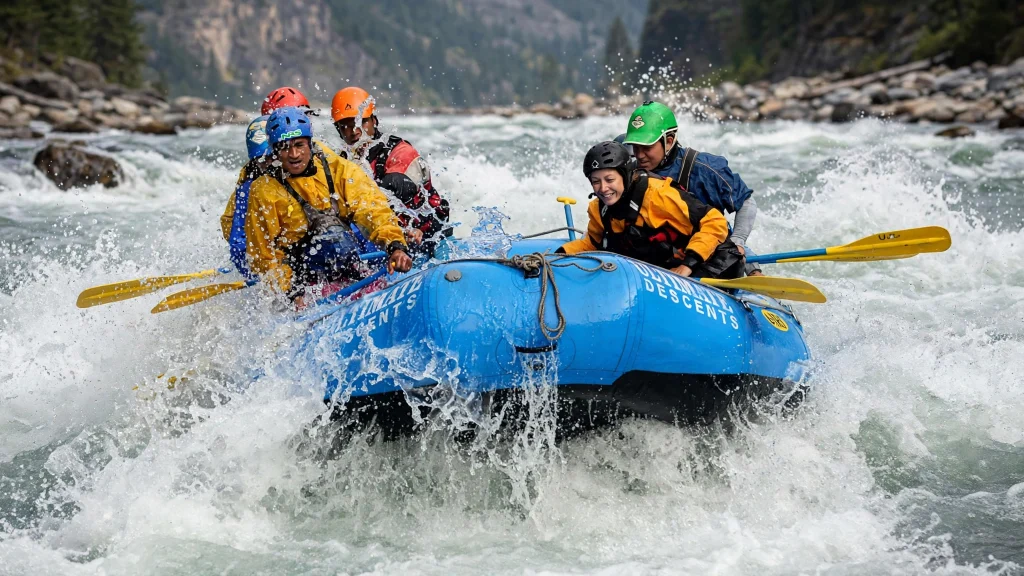
The rapids help too. On the standard section they run Grade II to III, which in plain terms means fun, splashy, and forgiving. You get real waves and a few moments where the whole boat has to paddle hard together, but the river leaves room for mistakes. Guides toss around names like Ladies Delight, Upset, and Surprise, and they are exactly as playful as they sound.
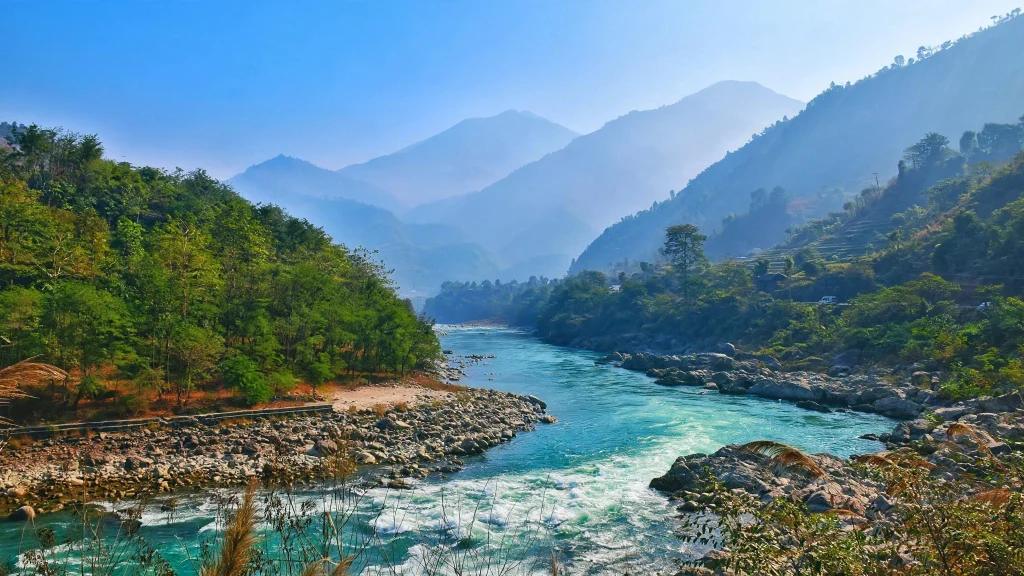
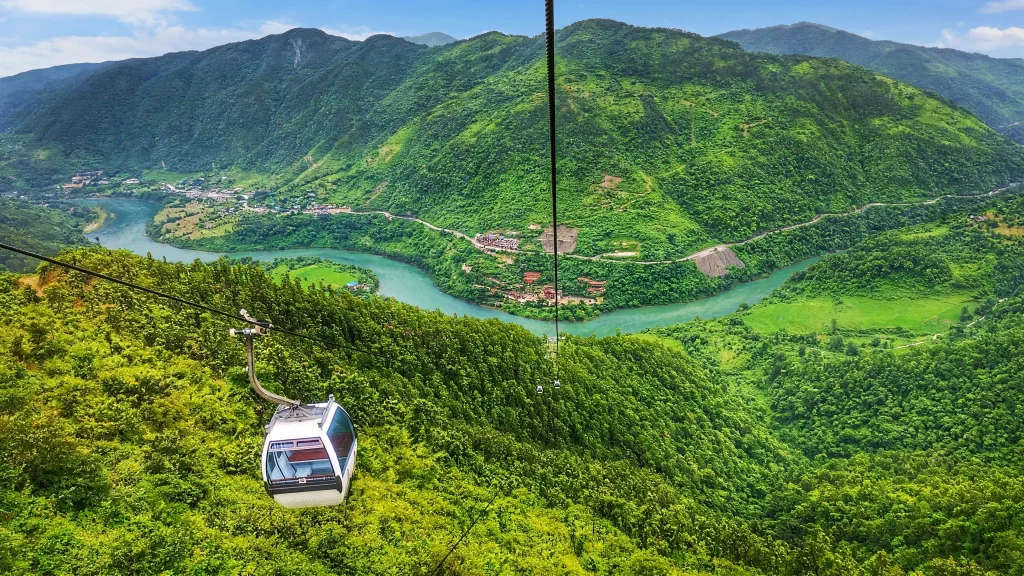
It is scenic in a way that catches first-timers off guard. Terraced hills climb from the banks, suspension bridges hang overhead, and the Manakamana cable car glides across the sky near the end of the one-day route. You finish around Kurintar, where the cable car station makes a natural stopping point.
What “After Monsoon” Actually Means for the River
Timing is everything on the Trishuli, and this is where a lot of visitors get it wrong.
During July and August, monsoon rain swells the river. Water levels spike, the current speeds up, and rapids that are normally friendly turn pushy and unpredictable. Most reputable operators either pause commercial trips or restrict them during peak monsoon. It is not the time for a beginner to learn.
Then September arrives, the rains taper, and the river settles into its best form. From late September through November you get the sweet spot: water high enough to be exciting but stable enough to be safe, paired with clear post-monsoon skies and green, freshly washed hills. Many rafters consider October the single best month here.
Spring, from March to May, is the other prime window. Water runs a touch lower and the rapids feel slightly calmer, which some beginners actually prefer. Winter trips happen too, though the water is cold and you will want a wetsuit.
Getting There and Choosing Your Route
A one-day trip is what most travelers do, and it is genuinely satisfying. You typically put in at Charaudi and take out near Kurintar, covering somewhere between 15 and 38 km depending on the exact section your operator runs. Time on the water usually lands at three to four hours, though a fuller day with lunch and transport can stretch to five or six hours door to door.
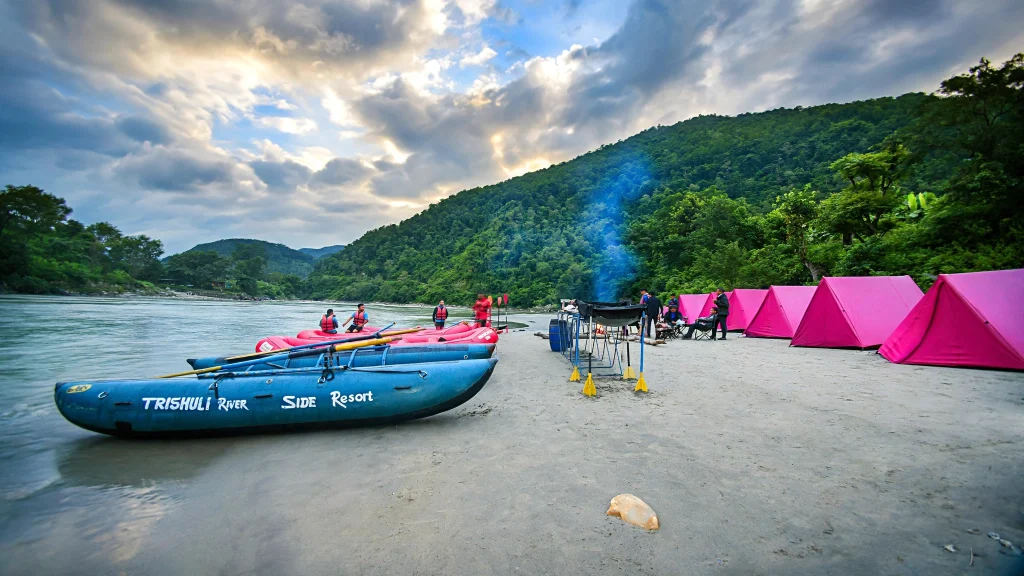
Longer options exist for people who want to camp. A one-night, two-day trip adds a riverside camp on a sandy beach, and that is where the Trishuli quietly becomes magical. Something about a bonfire on the bank, the river running all night, and nothing but hills in every direction stays with you. Two and three-day expeditions push further downstream toward Narayanghat, sometimes flowing straight into a Chitwan safari.
If you are already mapping your route through the country, line up your rafting day with the rest of the plan. Since the river sits on the road to both lakeside and the jungle, many people raft en route to the Pokhara valley or on the way down to Chitwan National Park.
What a Typical One-Day Trip Looks Like
- Early morning departure from Kathmandu or Pokhara by bus or private vehicle
- Roughly three hours of driving to reach the put-in near Charaudi
- A safety briefing covering paddling, commands, and what to do if you fall out
- Three to four hours on the water with a mix of rapids and calm stretches
- A riverside lunch, usually included in the package
- Take-out near Kurintar, then onward travel or the drive back
What It Costs
Prices swing a lot depending on group size, whether transport is private or shared, and who you book with. As of early 2025, here is roughly what to expect.
A one-day trip for foreign visitors generally runs between USD 25 and USD 55 per person, with the higher end reflecting private transport and smaller groups. Nepali citizens often pay around NPR 2,500, while the foreigner rate at some operators sits closer to NPR 3,500. Larger groups almost always bring the per-person price down, so it pays to raft with others.
A one-night, two-day camping package costs more, commonly in the USD 100 to USD 200 range per person. That covers gear, guides, camp, and meals. Prices do change, so confirm the current rate and exactly what is included before booking. Ask specifically whether transport, lunch, and any river or park fees are part of the quoted number.
Safety, Gear, and What to Bring
Here is where most first-timers overthink things. Trishuli River rafting is considered safe for beginners when you go with a licensed, professional operator. You wear a life jacket and helmet the whole time, a trained guide steers and calls commands from the back, and a safety kayaker often shadows the raft to help anyone who ends up in the water. Falling out happens, it is part of the fun, and the calm pools after each rapid make climbing back in easy.
A few things separate a good day from a soggy, miserable one. Pack these:
- Quick-dry clothes and a swimsuit worn underneath
- A change of dry clothes and a towel for afterward
- Sandals or old shoes with a strap, never flip-flops that float away
- Sunscreen and sunglasses with a retainer strap
- A waterproof bag or dry sack for anything you cannot afford to soak
- A little cash for snacks, tips, and the cable car if you fancy a ride
Leave your phone in the vehicle unless it lives in a genuinely waterproof case, and even then, tether it. Rivers do not return what they take. When choosing an operator, check that they are registered and that their safety kit looks newish rather than sun-bleached and cracked. Cheap is not worth much when the gear has seen a decade of hard use.
How Trishuli Compares to Other Nepal Rivers
If the Trishuli is the friendly introduction, the Bhote Koshi is the caffeinated cousin: shorter, steeper, and packed with near-continuous Grade IV rapids, all within a similar drive of Kathmandu. The Seti near Pokhara runs gentler still, warm and mellow, and often gets recommended for families with younger kids. For genuine multi-day wilderness, the Sun Kosi and the far-western Karnali are the legendary big expeditions.
For a first river, though, the Trishuli is hard to beat. It asks little of you, delivers real whitewater, and slots neatly into a plan you already have. Getting your broader timing right matters just as much, so it is worth reading up on the best time to visit Nepal before you lock in dates.
Frequently Asked Questions
Is Trishuli River rafting safe for beginners?
Yes. The standard section runs Grade II to III rapids, exciting but forgiving, and you go with a trained guide, a full safety briefing, a life jacket, and a helmet. It ranks among the most beginner-friendly whitewater runs in Nepal, especially in the calmer post-monsoon and spring windows.
When is the best time for Trishuli rafting?
Late September through November is the prime post-monsoon window, with October often singled out as the best month. March to May is the other strong season. Peak monsoon in July and August brings high, fast water and generally is not recommended for beginners.
How long does a Trishuli rafting trip take?
A one-day trip usually involves three to four hours on the water, or five to six hours once you count transport and lunch. Two and three-day camping trips are available for anyone who wants to spend a night on the river.
How much does Trishuli River rafting cost?
As of early 2025, a one-day trip for foreign visitors typically costs around USD 25 to USD 55 per person, depending on group size and transport. A one-night, two-day camping package usually runs USD 100 to USD 200 per person. Always confirm the current price and what is included.
How do I get to the Trishuli River from Kathmandu?
The usual put-in at Charaudi is about 80 km west of Kathmandu, roughly a three-hour drive along the Prithvi Highway. From Pokhara it is around 119 km east, about four hours. Because the river sits on the main road, most rafters fold the trip into travel toward Pokhara or Chitwan.
What grade are the Trishuli rapids?
The standard commercial section runs Grade II to III. During monsoon the river can push into higher, more powerful water, which is exactly why operators favor the drier post-monsoon and spring seasons for beginner trips.
Do I need to know how to swim?
Being a strong swimmer is not required, since your life jacket keeps you afloat and guides are trained to recover anyone who falls out. That said, comfort in water helps you relax and enjoy the ride. Tell your guide beforehand if you are a nervous or non-swimmer.
Can I combine rafting with a trip to Chitwan or Pokhara?
Absolutely, and most people do exactly that. The take-out near Kurintar drops you right back on the highway, so you can raft in the morning and carry on to the jungle or the lakeside the same afternoon. That flexibility is a big part of why the Trishuli suits time-limited travelers.
Planning tip: for current entry requirements, festival dates, and official travel updates, check the Nepal Tourism Board before you go.