



August often gets a bad reputation among travelers. It sits in the middle of monsoon season, and rain can feel like a dealbreaker. However, this month actually hides some of the best places to visit in Nepal in August, if you know where to look. Green hills, thinner crowds, and vibrant festivals all come together right now. So, instead of avoiding Nepal in August, consider embracing it. This guide walks you through verified, rain-friendly destinations. Along the way, you’ll find trekking routes, cultural hubs, and wildlife parks that shine even when the skies open up.
Why Visit Nepal in August Despite the Monsoon?
First, let’s address the obvious concern. Yes, August brings frequent rain to most of Nepal. Still, showers usually arrive in short bursts, often during afternoons or nights. Mornings, on the other hand, tend to stay clear and cool. Because of this pattern, you can still explore comfortably if you plan around the weather.
Moreover, the monsoon transforms the landscape. Rice paddies turn a brilliant emerald green. Waterfalls swell with fresh runoff. Rivers rush through valleys with extra energy. Consequently, photographers and nature lovers often prefer this season over the dry, dusty months.


Additionally, tourist numbers drop sharply in August. That means shorter lines at temples, better hotel rates, and a more relaxed pace everywhere you go. If budget and solitude matter to you, this is genuinely one of the best times to visit.
Finally, several regions sit in the Himalayan rain shadow. These areas receive little to no monsoon rainfall, even while the rest of the country gets soaked. That single fact opens up a surprising number of places to visit in Nepal in August, especially for trekkers.
Upper Mustang: The Top Rain-Shadow Escape
Upper Mustang deserves the top spot on this list. Sitting behind the Annapurna and Dhaulagiri ranges, it barely receives any monsoon rain. As a result, trekkers get clear skies and dry trails throughout August.
The region feels like a different world entirely. Windswept cliffs, ancient cave dwellings, and Tibetan-style monasteries line the route. Eventually, the trail leads to Lo Manthang, a walled city once forbidden to outsiders. Along the way, you’ll also pass centuries-old chortens and rugged canyon scenery.
Because Upper Mustang requires a special permit, it stays relatively uncrowded even in peak trekking seasons. In August, that exclusivity becomes even more pronounced. Consequently, this trek offers both cultural depth and genuine solitude.
Nar Phu Valley: A Hidden Trans-Himalayan Gem
Next, consider Nar Phu Valley, tucked between the Annapurna and Manaslu regions. Like Mustang, it lies in a rain shadow, so August rainfall stays minimal here too.
Nar Phu remained closed to foreign trekkers until fairly recently. Therefore, the trail still feels untouched by mass tourism. Traditional Tibetan Buddhist villages, dramatic gorges, and the Kang La Pass all await hikers willing to venture off the beaten path.
Since the route demands a restricted-area permit and a guide, it naturally filters out casual tourists. For adventurous travelers, though, that’s precisely the appeal.
Upper Dolpo: Nepal’s Remote Trans-Himalayan Frontier
If you crave true remoteness, Upper Dolpo should top your list. This far-western region inspired the famous documentary Caravan and remains one of Nepal’s least-visited areas.
Because Dolpo sits deep within the rain shadow, August conditions stay dry and stable. Turquoise lakes, including the sacred Phoksundo Lake, sit against a backdrop of barren peaks. Meanwhile, ancient Bon and Buddhist monasteries dot the landscape.
Reaching Dolpo takes effort, since flights and permits add both time and cost. Nevertheless, travelers who make the journey often call it one of the most rewarding treks in the entire Himalayas.
Manang and the Upper Annapurna Circuit
The upper section of the Annapurna Circuit, particularly between Manang and Muktinath, also benefits from rain-shadow protection. Consequently, this stretch stays noticeably drier than the lower Annapurna trails.
Trekkers here can still cross the dramatic Thorong La Pass, visit the sacred Muktinath temple, and wander through the dramatic Kali Gandaki Valley. Lower sections of the circuit, however, do get heavier rain and leeches. So, many August trekkers choose to fly or drive to Manang first, skipping the wettest portions entirely.
Kathmandu Valley: Culture, Temples, and Festivals
Not every great destination requires a multi-day trek. Kathmandu Valley remains one of the best places to visit in Nepal in August for culture lovers. Rain here tends to fall in short evening bursts, leaving mornings free for sightseeing.
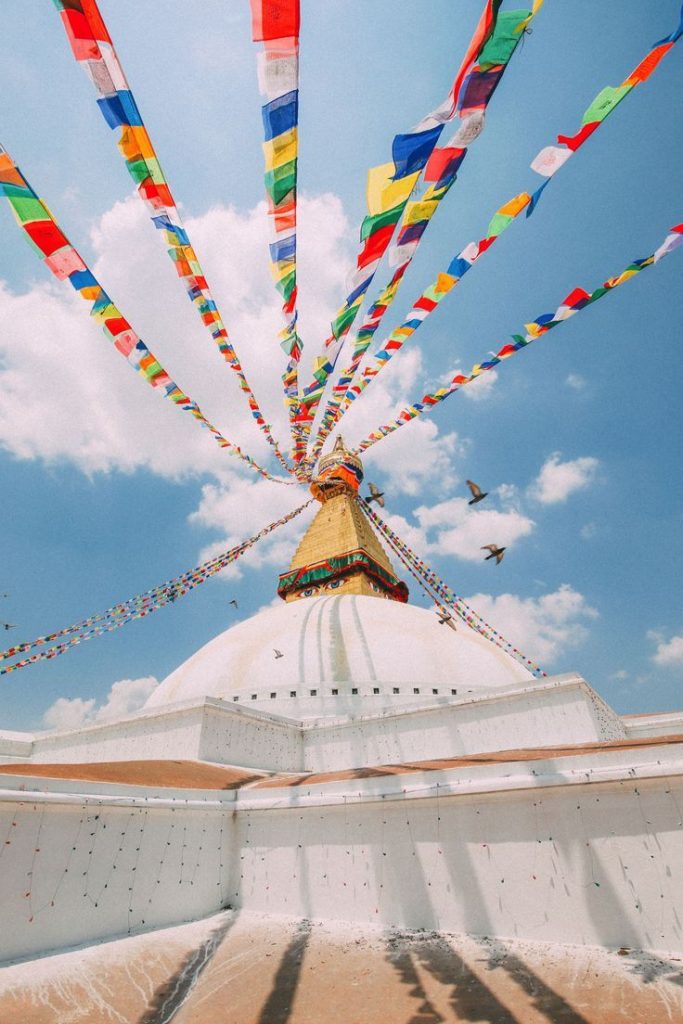
Boudhanath Stupa, Swayambhunath Temple, and Kathmandu Durbar Square all stay open and accessible. Furthermore, August crowds are noticeably thinner than during peak autumn months. That means more space to appreciate the intricate wood carvings and pagoda-style architecture up close.
August also happens to be one of the most festival-rich months in the Nepali calendar. More on that below.
Bhaktapur and Patan: Living Museums of Newar Art
Just outside Kathmandu, Bhaktapur and Patan offer equally rich experiences. Both cities showcase remarkable Newar architecture, with pagoda temples, royal palaces, and pottery squares packed into compact, walkable centers.
Patan’s Krishna Mandir draws huge crowds during Krishna Janmashtami, making August an especially lively time to visit. Bhaktapur, meanwhile, hosts elaborate Gai Jatra processions that wind through its narrow, red-brick streets. Since both cities sit at lower elevations, rain does interrupt sightseeing occasionally. Even so, indoor museums and covered courtyards give you plenty to explore between showers.
Pokhara: Lakeside Calm and Green Hills
Pokhara transforms beautifully during monsoon season. The surrounding hills turn a deep, saturated green, while Phewa Lake often reflects dramatic, cloud-streaked skies.
Although the Annapurna range hides behind clouds more often in August, occasional clear mornings still reward early risers with stunning mountain views. Meanwhile, boating on Phewa Lake, visiting the Peace Pagoda, or relaxing in a lakeside café all remain enjoyable regardless of weather.
Because Pokhara serves as the gateway to several treks, it also makes a practical base. From here, you can easily arrange trips to Mardi Himal or the upper Annapurna region.
Bandipur: A Charming Hilltop Retreat
Bandipur rarely gets the attention it deserves. This preserved Newar hill town sits along the old trade route between Kathmandu and Pokhara, offering cobblestone streets and traditional architecture without the crowds.
In August, mist often drifts through the surrounding hills, creating an atmospheric, almost dreamlike setting. Short hikes to nearby caves and viewpoints stay manageable even with occasional rain. As a result, Bandipur works well as a peaceful, low-key stop between bigger destinations.
Chitwan National Park: Wildlife Without the Rain-Shadow Excuse
Chitwan proves that lowland Nepal still belongs on your August itinerary. Although rainfall here runs higher than in the hills, activities continue largely uninterrupted.
Jeep safaris, canoe rides, and guided jungle walks let you spot rhinos, crocodiles, and diverse birdlife. Additionally, monsoon rain keeps the park lush and the wildlife active near water sources. Consequently, wildlife sightings can actually improve compared to the dusty dry season.
Just pack quick-dry clothing and a good rain jacket, since afternoon showers are common here.
Tansen: Festival Central in the Hills
Tansen, in Palpa district, comes alive during August like almost nowhere else. A week-long celebration kicks off with Janai Purnima and continues through Gai Jatra, Ropai Jatra, and Bagh Jatra. Colorful processions, traditional dances, and street performances fill the town throughout.
Beyond the festivities, Tansen offers pleasant hill-town charm, mountain views, and a slower pace year-round. Visiting during this particular week, however, adds an unforgettable cultural layer to the trip.
Kalinchowk and Ilam: Short Hikes and Tea Gardens
For travelers short on time, Kalinchowk and Ilam offer accessible escapes from the city. Kalinchowk, known for its cable car and hilltop temple, delivers misty, atmospheric views without requiring a lengthy trek.
Ilam, meanwhile, sits in eastern Nepal and is famous for its rolling tea gardens. Rain actually enhances the scenery here, deepening the green of the tea bushes and clearing the air between showers. Both destinations suit travelers who want nature without committing to a full multi-day trek.
Festivals That Make August Special
Beyond scenery, August timing lines up with several major Nepali festivals. Janai Purnima falls on the full moon of Shrawan, when Hindu men change their sacred threads. The following day typically brings Gai Jatra, a uniquely Nepali blend of remembrance and satire, where families who lost loved ones join costumed processions.
Depending on the lunar calendar, Krishna Janmashtami and Teej may also fall in August or slip into September. Krishna Janmashtami draws devotees to temples like Patan’s Krishna Mandir. Teej, meanwhile, fills the streets with women dressed in red saris, dancing and singing for marital happiness. Because exact dates shift yearly with the lunar calendar, it’s worth checking a current festival calendar before you book your trip.
Practical Tips for Traveling in Nepal in August
Before you pack your bags, keep a few practical points in mind. Temperatures in the lowlands, including Kathmandu, typically range between 20°C and 30°C. Higher regions, meanwhile, stay considerably cooler, especially at night.
Pack lightweight, quick-dry clothing along with a reliable rain jacket. Waterproof footwear also helps enormously on muddy lower trails. Additionally, if you’re trekking below 3,000 meters, bring leech socks or salt, since leeches are common in wet, forested areas.
Domestic flights occasionally face monsoon delays, so build flexibility into your itinerary. Finally, book rain-shadow treks like Upper Mustang or Dolpo well in advance, since permits and flights can fill up despite the low-season timing.
Final Thoughts on Visiting Nepal in August
Ultimately, the best places to visit in Nepal in August reward travelers who plan smartly around the monsoon. Rain-shadow regions like Upper Mustang, Nar Phu, and Upper Dolpo deliver clear, dry trekking conditions. Meanwhile, cultural hubs like Kathmandu, Bhaktapur, and Tansen burst with festival energy this time of year. Even lowland Chitwan keeps its wildlife safaris running rain or shine.
So, rather than ruling out Nepal because of the season, consider it a chance to see the country differently. With fewer crowds, greener landscapes, and richer cultural moments, August might just surprise you.
Frequently Asked Questions
Is August a good time to visit Nepal?
Yes, August works well if you choose the right destinations. Rain-shadow regions like Upper Mustang stay dry, while cultural cities and wildlife parks remain open and lively throughout the month.
Which places in Nepal don’t get much rain in August?
Upper Mustang, Nar Phu Valley, Upper Dolpo, and the upper Annapurna Circuit near Manang all sit within the Himalayan rain shadow, so they receive minimal monsoon rainfall.
Can you trek in Nepal during August?
Yes, though it’s best to stick to rain-shadow routes. Lower-altitude treks often become muddy and leech-prone, while trans-Himalayan trails like Mustang and Dolpo stay dry and accessible.
What festivals happen in Nepal in August?
Janai Purnima and Gai Jatra typically fall in August, along with Krishna Janmashtami and sometimes Teej, depending on the lunar calendar that year.
Is Chitwan National Park open in August?
Yes, Chitwan stays open year-round. Jeep safaris, canoe trips, and jungle walks continue during monsoon season, and wildlife sightings near water sources can actually improve.
What should I pack for Nepal in August?
Bring quick-dry clothing, a waterproof jacket, sturdy waterproof shoes, and leech protection if you’re trekking at lower altitudes. Layers help too, since higher regions stay cool even in summer.


