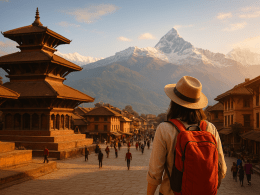



Shopping in Kathmandu can quickly turn overwhelming. Every alley in Thamel seems to offer another shop full of colorful textiles, gleaming metal bowls, and hand-painted scrolls. Choosing the right gifts from Nepal, though, doesn’t have to be complicated once you know what to look for. This guide walks through the most meaningful souvenirs, where to find them, and how to make sure you’re bringing home something genuinely authentic.
Nepal’s handicraft tradition runs deep, shaped by centuries of Buddhist, Hindu, and Himalayan culture. So, let’s explore the gifts from Nepal that carry real cultural weight, along with practical tips for buying, bargaining, and getting everything home safely.
Pashmina Shawls: Nepal’s Signature Textile
Few gifts from Nepal carry as much prestige as a genuine pashmina shawl. Made from the soft undercoat of the Chyangra, a Himalayan mountain goat living at altitudes above 14,000 feet, authentic pashmina is remarkably light yet exceptionally warm.
What to Look For
Genuine pashmina should feel soft, lightweight, and warm all at once, rather than heavy or scratchy. Look specifically for labels reading “100% Pashmina” or “Chyangra Pashmina,” since extremely cheap shawls are often synthetic blends rather than the real thing.
Where to Buy
Jawalakhel and Patan are known for certified weavers producing genuine pashmina, offering more reliable quality than many general tourist shops. Thamel also carries plenty of options, though prices there tend to run higher, and quality can vary significantly between stores.
Thangka Paintings: Sacred Buddhist Art
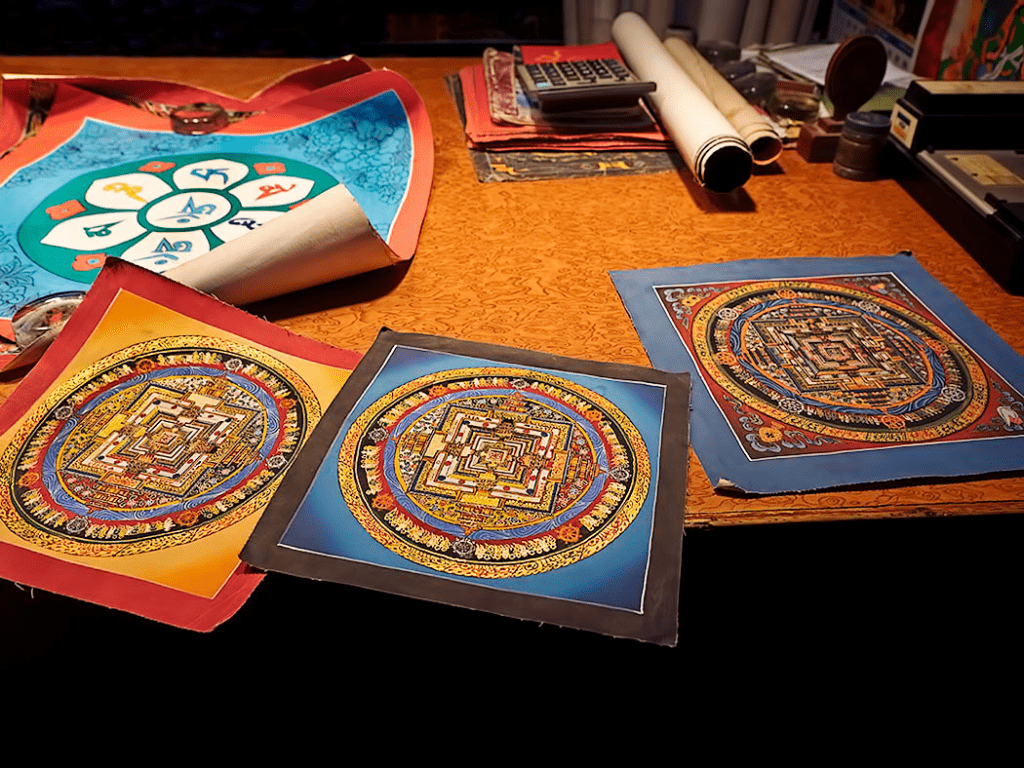
Thangka paintings originated in Nepal and remain one of the country’s most spiritually significant art forms. These intricate scroll paintings depict Buddhist deities, mandalas, and scenes from religious teachings, traditionally used as tools for meditation rather than pure decoration.
The Craftsmanship Behind Each Piece
A single thangka can take weeks or even months to complete, with skilled artists sometimes incorporating real gold and silver dust into the finer details. Because of this labor-intensive process, more expensive thangkas often justify their price through genuinely exceptional craftsmanship.
Where to Buy
Patan has built a reputation for authentic thangka art, home to generations of trained painters. Bhaktapur and Kathmandu also offer thangka shops, though travelers should watch for mass-produced reprints, particularly in heavily touristed areas of Thamel.
Singing Bowls: The Sound of Himalayan Meditation
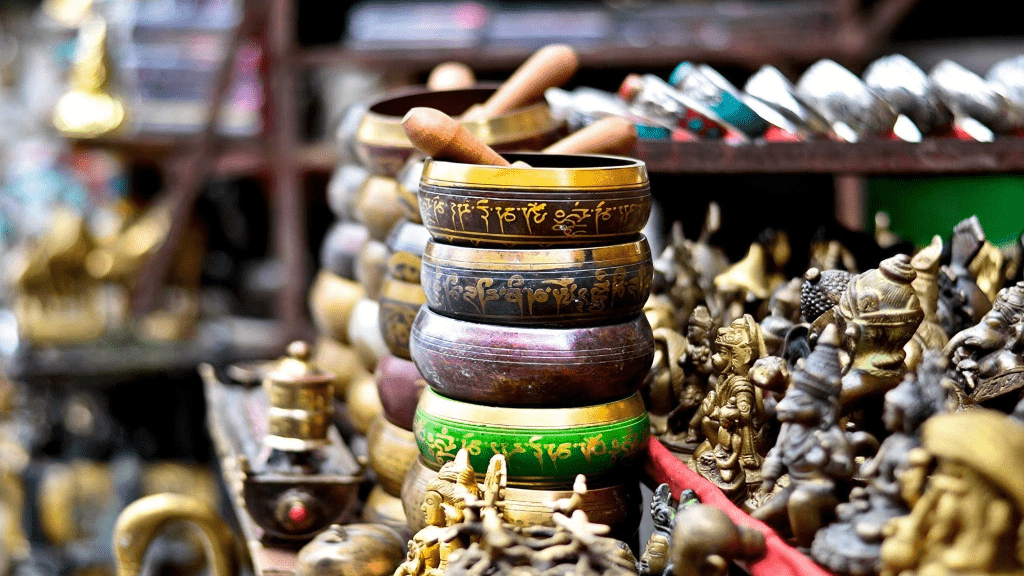
Singing bowls have become one of the most recognizable gifts from Nepal, prized for the calming vibrations they produce when struck or circled with a wooden mallet. Rooted in centuries-old meditation and healing traditions across Nepal, Tibet, and India, these metal bowls remain popular among practitioners seeking relaxation and focus.
How to Choose a Good One
Before buying, always test the bowl yourself. A well-made singing bowl produces a long, steady, resonant tone, rather than a short, dull clang. Nepal remains one of the world’s largest producers of these bowls, so quality and craftsmanship vary considerably between vendors.
Where to Buy
Thamel and the areas surrounding Boudhanath Stupa offer some of the widest selections, given their strong association with Tibetan Buddhist culture and practice.
Khukuri Knives: A Symbol of Nepali Heritage
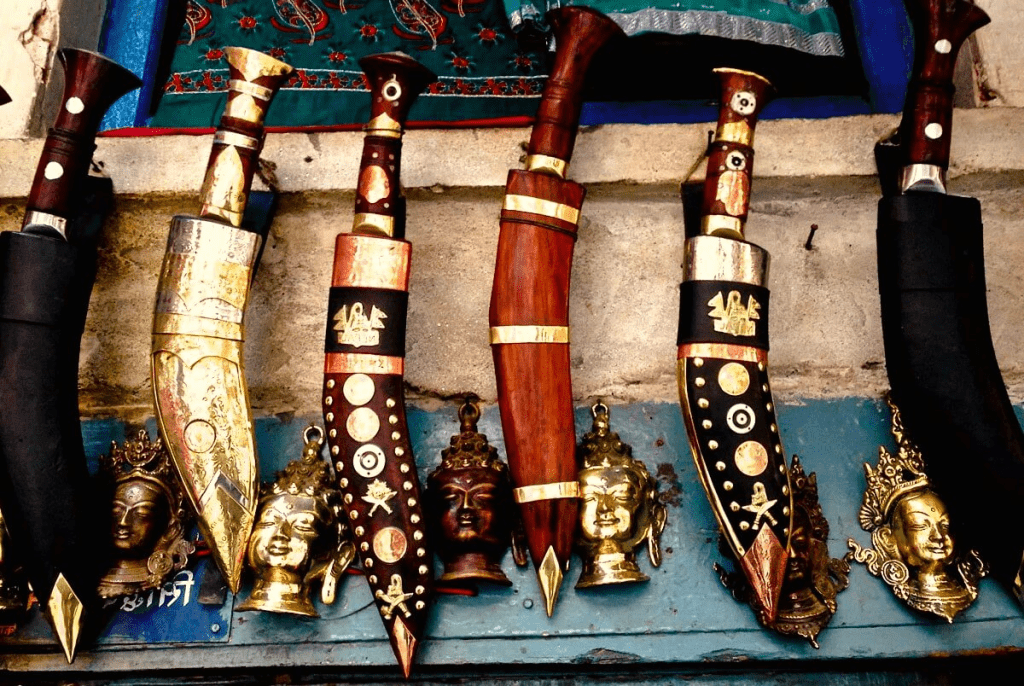
The khukuri, a distinctive curved blade traditionally carried by Gurkha soldiers, stands as one of Nepal’s most historically significant gifts. Whether displayed on a wall or used practically, it represents a genuine piece of the country’s military heritage and cultural identity.
Buying and Packing Considerations
Small khukuri knives typically cost around NPR 1,500, though prices rise with size, craftsmanship, and decorative detail. Since this is a bladed item, it must always be packed in checked luggage, wrapped securely, when flying home.
Lokta Paper Products: Nepal’s Handmade Paper Tradition
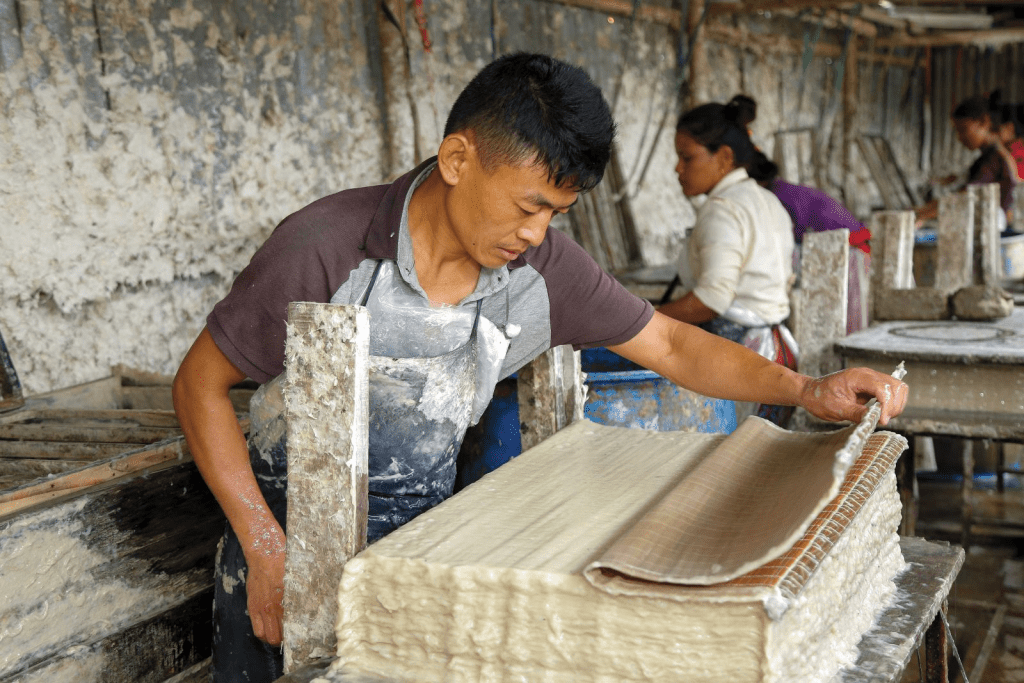
Made by hand from the bark of the lokta shrub, this traditional rice paper has become a defining part of Nepal’s souvenir industry. Beyond its historical use in manuscripts and religious texts, lokta paper today appears in journals, photo albums, greeting cards, and decorative items.
Where to Buy
Thamel, Kathmandu’s broader old city, and Bhaktapur all offer lokta paper products at reasonable prices, with small notebooks typically costing around NPR 150, making them an easy, affordable gift option.
Prayer Flags: Colorful Symbols of Peace
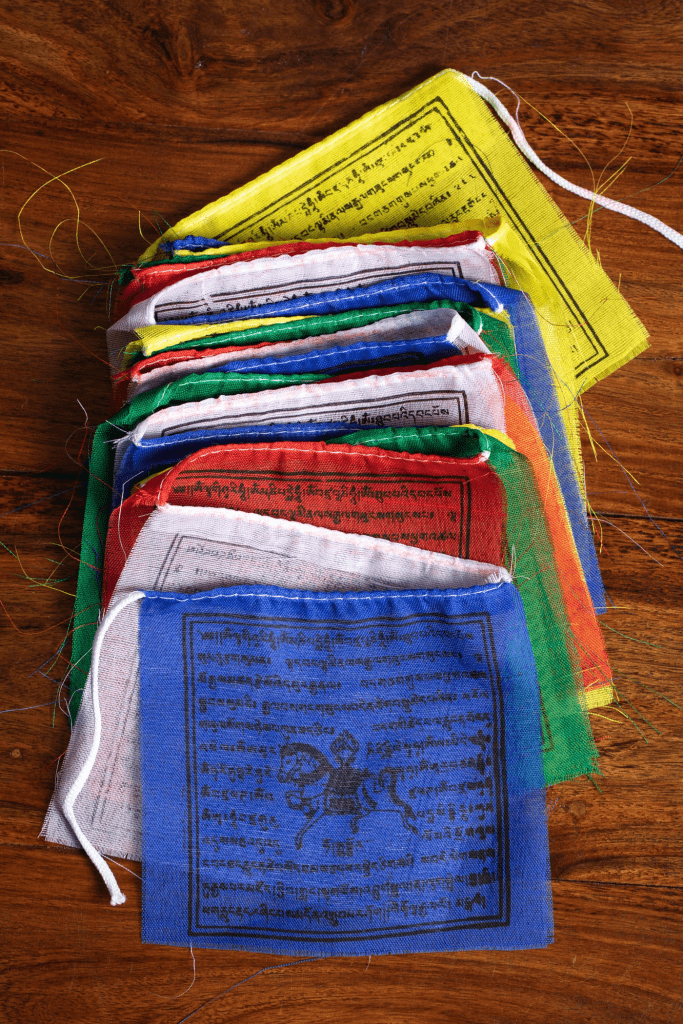
Strings of Buddhist prayer flags, printed with sacred mantras and symbols, are a common sight throughout Nepal’s temples, mountain passes, and city streets. According to tradition, when wind passes over the flags, it carries the printed prayers outward as silent blessings.
What to Know Before Buying
Prayer flags come in various sizes and materials, with silk versions typically costing more than cotton alternatives. Each color used in the flags carries its own symbolic meaning, adding a layer of significance beyond their decorative appeal.
Where to Buy
Thamel and Asan Bazaar both offer a wide range of prayer flags, making them one of the easiest and most portable gifts from Nepal to bring home.
Pottery and Ceramics From Bhaktapur
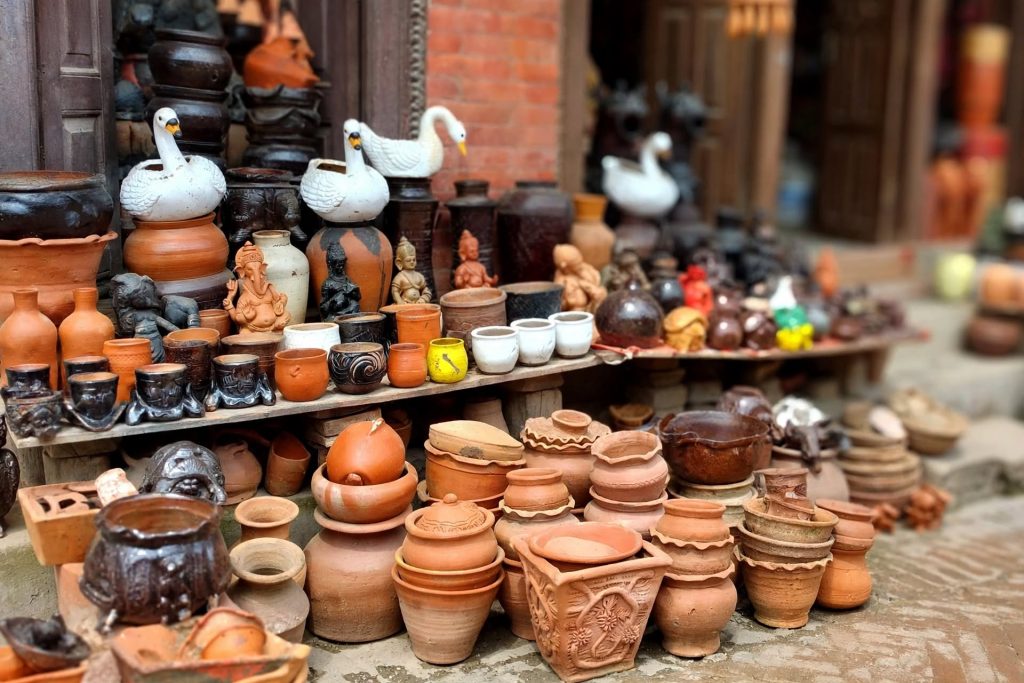
For a gift tied to a specific place and tradition, Bhaktapur’s pottery offers something special. Rooted in the city’s centuries-old Newari craftsmanship, hand-thrown clay pots, bowls, and decorative pieces reflect a living artisan tradition still practiced daily in Bhaktapur’s famous Pottery Square.
Where to Buy
Bhaktapur itself remains the best place to purchase pottery directly from the artisans who made it, offering both authenticity and the chance to watch the craft in progress before you buy.
Dhaka Fabric and Woven Textiles
Dhaka, a brightly patterned handwoven fabric, holds deep cultural significance in Nepal, most famously used to make the Dhaka topi, Nepal’s traditional cap. Scarves, bags, and clothing made from this fabric make colorful, distinctly Nepali gifts.
Where to Buy
Asan Bazaar is particularly well known for dhaka fabric, alongside other everyday Nepali goods sold at local, rather than tourist-inflated, prices.
Metalwork, Wood Carvings, and Buddha Statues
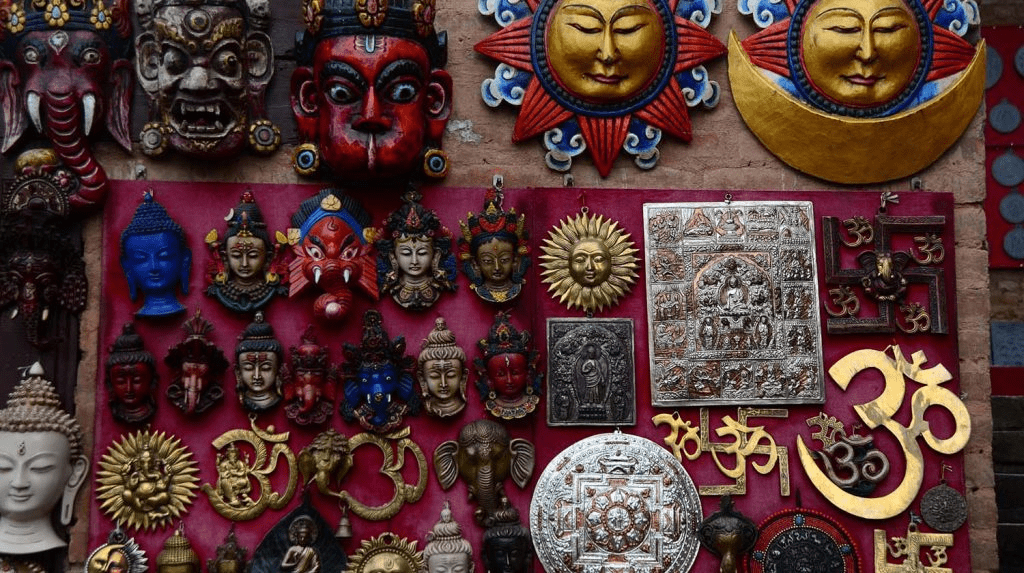
Nepal’s metalworkers and woodcarvers produce everything from small decorative figurines to large, intricately detailed Buddha statues. These pieces often reflect Newari craftsmanship traditions passed down through generations of artisan families.
Where to Buy
Patan is particularly renowned for its skilled metalworkers and woodcarvers, offering some of the finest craftsmanship available anywhere in the valley.
Local Tea, Spices, and Everyday Nepali Goods
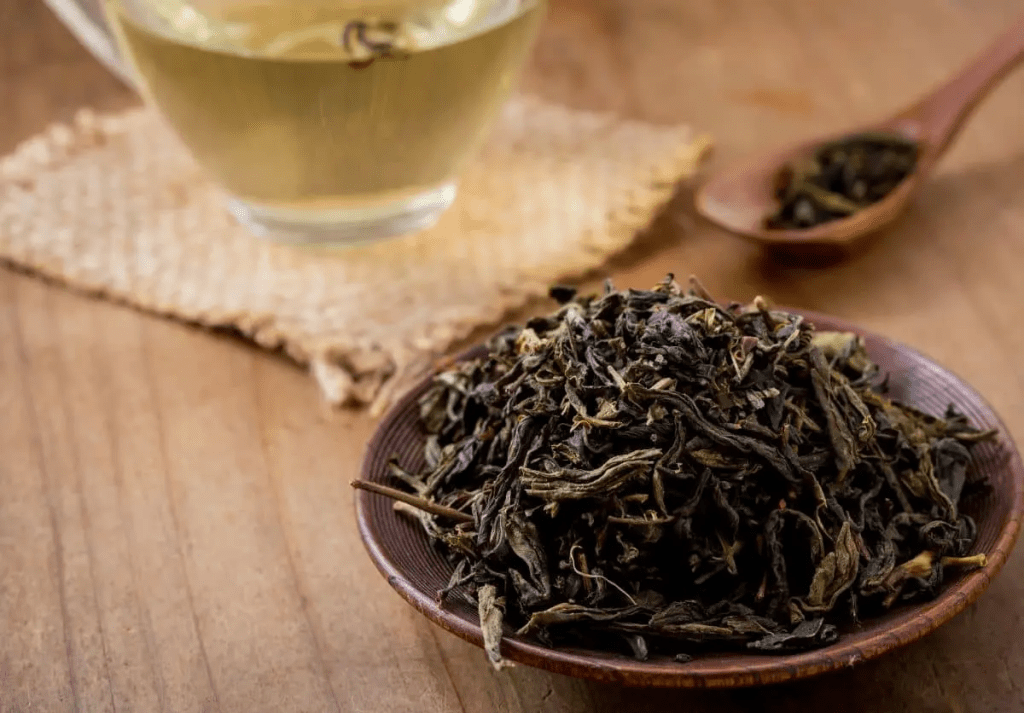
For a smaller, budget-friendly gift, Nepal’s tea and spices offer a genuinely local taste to bring home. Orthodox teas from Ilam, along with packaged spices and coffee, make practical, easy-to-pack souvenirs that avoid the fragility concerns of statues or bowls.
Where to Buy
Asan Bazaar remains the go-to spot for spices, tea, and other everyday Nepali goods, typically priced well below what you’d find in more tourist-focused areas.
Understanding Prices and Bargaining
Gift prices in Nepal vary enormously depending on category, quality, and location.
Typical Price Ranges
Small trinkets like magnets and keychains generally cost between NPR 100 and 300. Mid-range gifts, including scarves, tea, and handmade bags, typically fall between NPR 500 and 2,000. Premium items like pure pashmina shawls, fine thangka paintings, or high-quality singing bowls can range from NPR 5,000 to over 50,000, depending on authenticity and craftsmanship.
How to Bargain Respectfully
Bargaining is a completely normal part of shopping in Nepal’s markets and small shops. A reasonable starting point is offering around 60 to 70 percent of the initial asking price, then negotiating from there in a friendly, lighthearted manner rather than an aggressive one.
Where to Shop for Gifts From Nepal
Different neighborhoods across the Kathmandu Valley specialize in different types of goods.
Thamel remains the most accessible starting point, offering a bit of everything from pashmina to singing bowls, though often at higher prices than local markets. Asan Bazaar is known for spices, dhaka fabric, and metal crafts at more local pricing. Patan specializes in fine art, thangka paintings, and metalwork, while Bhaktapur is the place for pottery and ceramics. The areas around Boudhanath Stupa and Swayambhunath offer Tibetan-inspired gifts reflecting the strong Buddhist heritage of those neighborhoods.
Avoiding Fakes and Knowing Export Rules
A few precautions help ensure your gifts from Nepal are both authentic and legal to bring home.
Watch for Imitations
Following Nepal’s 2015 earthquake, a wave of Chinese-owned shops began selling cheaper imitations of traditional Nepali designs, particularly in pashmina, beads, and handicrafts. Buying from established, certified workshops, particularly in areas like Jawalakhel and Patan, helps ensure you’re getting authentic, locally made goods rather than imported copies.
Know What You Cannot Export
Nepal restricts the export of certain items. Antiques older than 100 years require special permission from the Department of Archaeology before they can leave the country. Wildlife-based products, including anything made from fur, bone, or ivory, are illegal to export entirely, regardless of where they were purchased.
Packing Your Gifts Safely for the Journey Home
A little care in packing protects your souvenirs during the long trip home.
Fragile items like singing bowls, salt lamps, or glass pieces should be wrapped in thick clothing or bubble wrap before packing. Liquids and items like honey should go inside sealed bags within your checked luggage. As mentioned earlier, khukuri knives must always travel in checked baggage, never carry-on, and should be wrapped securely to avoid damage or confiscation.
Final Thoughts
Choosing gifts from Nepal offers far more than a shopping errand. Each item, whether a hand-painted thangka, a resonant singing bowl, or a length of woven dhaka fabric, carries genuine craftsmanship and cultural meaning behind it. By buying from trusted artisans, bargaining respectfully, and packing thoughtfully, you bring home more than a souvenir. You bring home a small, authentic piece of Nepal’s living culture, made by the hands that continue to carry these traditions forward.
Frequently Asked Questions
What are the most popular gifts from Nepal?
Popular gifts include pashmina shawls, thangka paintings, singing bowls, khukuri knives, lokta paper products, and prayer flags.
How can I tell if a pashmina shawl is authentic?
Look for labels reading “100% Pashmina” or “Chyangra Pashmina,” and be wary of unusually cheap shawls, which are often synthetic blends.
Is bargaining acceptable when buying gifts in Nepal?
Yes, bargaining is normal in local markets. Starting at 60 to 70 percent of the asking price is a reasonable approach.
Can I bring a khukuri knife home in my carry-on luggage?
No, khukuri knives must be packed securely in checked luggage, since they cannot be carried onto flights as hand luggage.
Are there restrictions on exporting souvenirs from Nepal?
Yes, antiques over 100 years old require special permission, and wildlife-based products like fur, bone, or ivory are illegal to export.
Where is the best place to buy authentic thangka paintings?
Patan is widely considered the best place to buy authentic thangka paintings, thanks to its long-standing tradition of skilled artists.