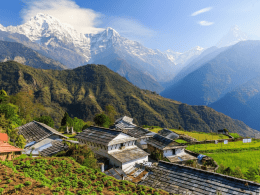



Picture this: you’re standing on a ridge at 3,800 meters, the air so clean it almost stings, and the entire Annapurna massif is laid out before you in a line of white that stretches across half the sky. Not a single cloud. Not a wisp of haze. Just pure, impossible Himalayan grandeur. That kind of morning only happens if you time your trip right. Get it wrong, and you’ll spend a week staring at fog, wondering where the mountains went.
Choosing the best time to visit Nepal is the single biggest decision that will shape your entire trip. It affects everything: whether you see mountain views or clouds, whether trails are dry or a muddy mess, whether teahouses are packed or half-empty, and whether you pay peak-season prices or score serious discounts. Nepal has four distinct seasons, and each one delivers a completely different experience.
Let’s break it down month by month so you can figure out exactly when to book that flight.


Nepal’s Four Seasons at a Glance
Before we dive into the monthly breakdown, here’s the big picture. Nepal’s weather follows a rhythm driven by the monsoon cycle. You’ve got four seasons to work with:
- Spring (March to May): Warming temperatures, rhododendron blooms, moderate crowds
- Summer/Monsoon (June to August): Heavy rainfall, lush green landscapes, lowest prices
- Autumn (September to November): Clear skies, peak trekking weather, biggest crowds
- Winter (December to February): Cold nights, crisp visibility, fewer tourists
Now let’s get specific.
January: Cold but Crystal Clear
January is the coldest month in Nepal. Kathmandu sees daytime temperatures around 4 to 17 degrees Celsius, and at higher altitudes, nights regularly drop below freezing. Most high-altitude passes above 4,000 meters are covered in snow and impassable.
But here’s what most guides won’t tell you: the visibility in January is stunning. Cold, dry air means zero haze. If you’re a photographer or you simply want Himalayan views without the crowds, January delivers. Lower-altitude treks like Ghorepani Poon Hill and the Dhampus circuit remain accessible. Chitwan National Park is also excellent in January because locals cut the tall elephant grass, making wildlife spotting far easier than at any other time of year.
Expect discounted hotel rates and empty trails. You’ll practically have the teahouses to yourself.
February: Winter Loosens Its Grip
February is a transitional month. Temperatures in Kathmandu climb to about 4 to 19 degrees Celsius during the day. Mornings still bite, but by noon the sun is warm and the air smells different. Spring is coming.
This is a smart month for budget travelers. Prices haven’t bounced back to peak-season levels yet, but the weather is already improving. Lower treks are comfortable, and you might catch early rhododendron blooms at lower elevations toward the end of the month. Wildlife safaris in the Terai lowlands are still in their prime.
March: Spring Arrives and the Mountains Turn Pink
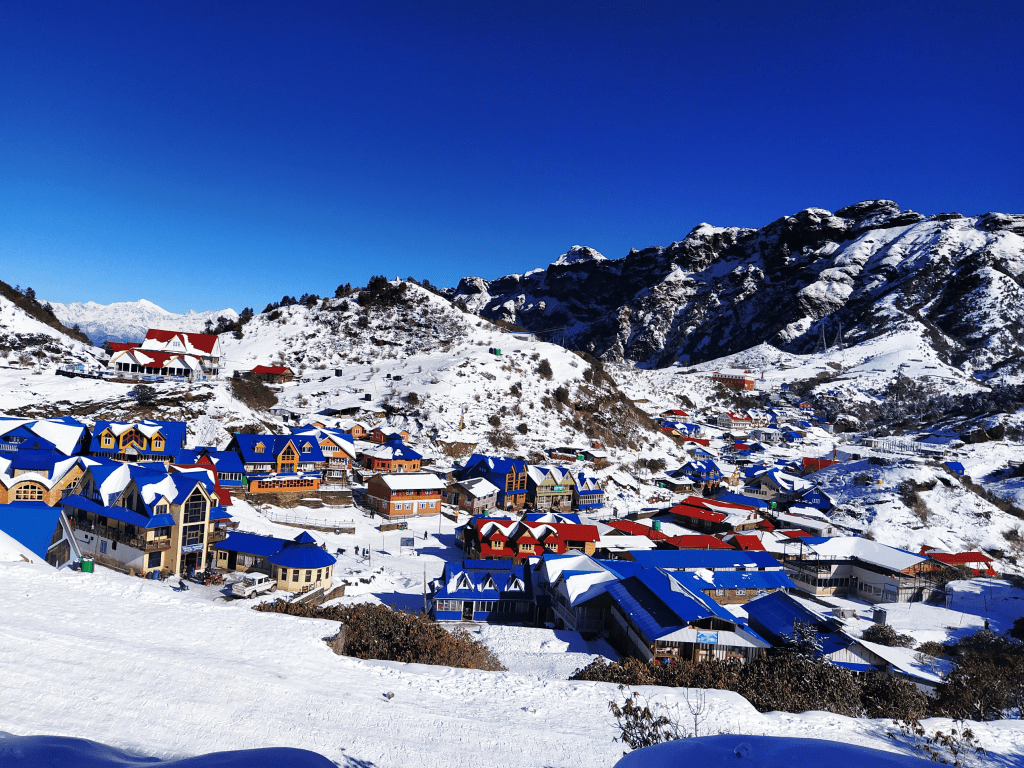
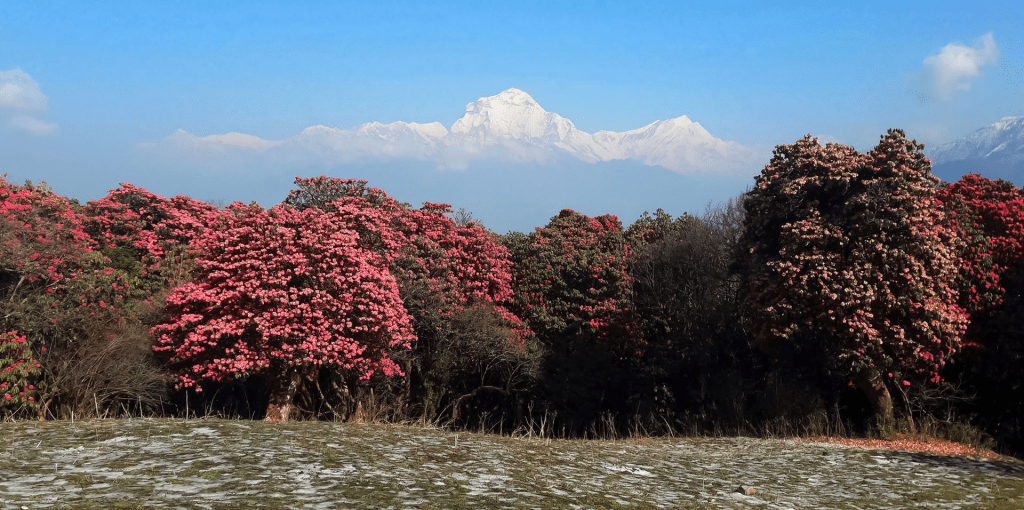
March marks the real start of Nepal’s spring trekking season. Daytime temperatures are pleasant, hovering around 16 to 23 degrees Celsius at mid-elevations. The trails below the tree line explode with rhododendron blooms in shades of red, pink, and white. It’s one of the most visually spectacular months to trek anywhere in the Himalayas.
Holi falls in early March (March 2 in the hills, March 3 in the Terai for 2026). If you happen to be in Kathmandu or Pokhara during the festival, prepare to get absolutely covered in colored powder. It’s chaotic, joyful, and unforgettable.
Trails get busier in March, but nothing compared to October. You’ll share the path with other trekkers, but it won’t feel overwhelming. High passes are starting to open up again after winter.
April: The Sweet Spot of Spring
April is arguably the best spring month for trekking. Temperatures are warm, visibility remains strong, and the rhododendrons are at their peak at higher elevations. Most major trekking routes are fully open, including Everest Base Camp and the Annapurna Circuit.
There’s a catch, though. By late April, afternoon haze starts building in lower valleys. Mornings tend to be clear, but don’t expect the razor-sharp visibility you’d get in October or November. Plan your mountain viewpoints for early morning, and you should be fine.
April is also when many cultural events take place across the Kathmandu Valley. Bisket Jatra, the Newari New Year celebration, happens in Bhaktapur and involves massive chariot processions through narrow medieval streets. It’s worth a detour if you’re in the area.
May: Hot, Humid, and Hazy
May is the last month before the monsoon hits, and you can feel it building. Temperatures in Kathmandu reach 28 to 30 degrees Celsius, humidity climbs, and afternoon thunderstorms become more frequent. Visibility drops noticeably.
Trekking is still possible but less comfortable. Experienced trekkers sometimes use May for higher-altitude routes where temperatures stay manageable, but the lowlands are genuinely hot. Rafting season starts picking up as river levels rise.
If you’re on a tight budget and don’t mind some heat, May offers low-season pricing with most services still operational. Just pack light, breathable clothing and bring a good rain jacket.
June: The Monsoon Begins
The monsoon typically arrives in mid-June. Scattered afternoon showers turn into daily downpours, humidity spikes, and the landscape transforms from dusty brown to electric green almost overnight. Leeches appear on lower-altitude trails. Landslides occasionally block roads.
This is where most people go wrong: they write off the entire monsoon as a no-go period. The truth is, certain parts of Nepal sit in a rain shadow and receive very little monsoon precipitation. Upper Mustang, Dolpo, and parts of Manang remain surprisingly dry through the summer months. If you’ve ever wanted to trek in Mustang without the crowds, June is your window.
Kathmandu’s cultural sites remain fully accessible. The rain usually comes in intense bursts followed by clear spells, not as endless gray drizzle.
July: Peak Monsoon
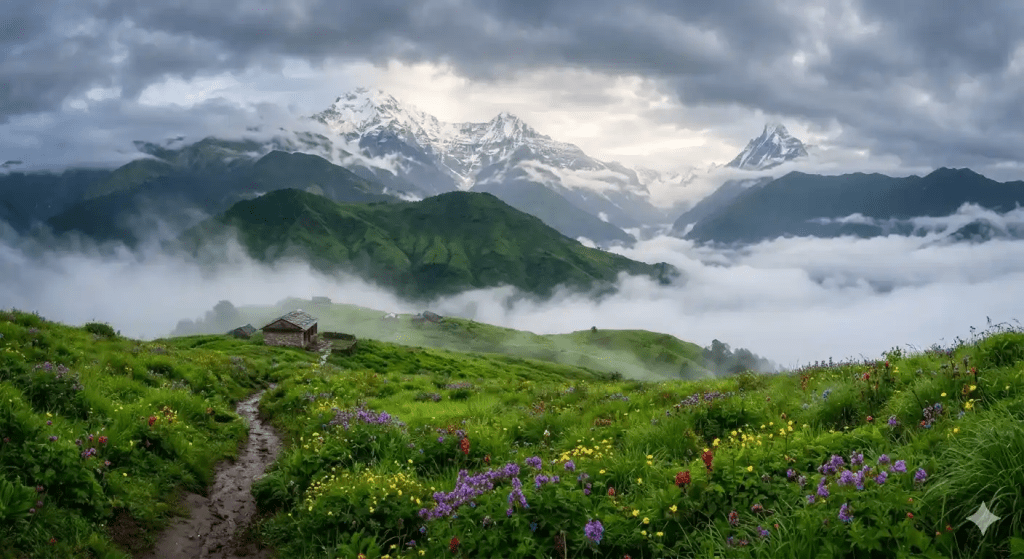
July is the wettest month. Kathmandu alone receives around 350mm of rainfall. Trails in the Annapurna and Everest regions are muddy, slippery, and often shrouded in cloud. Mountain views are rare.
So why would anyone come? For one, prices are at their absolute lowest. Hotel rooms in Thamel that cost $80 in October might go for $25 in July. Fewer tourists also means more authentic cultural interactions. You’ll be the only foreigner at the local teashop, not one of fifty.
Rafting and kayaking are at their best as rivers swell with monsoon runoff. The Trisuli, Bhote Koshi, and Sun Koshi offer world-class whitewater during this period.
August: The Monsoon Fades Slowly
August is still firmly monsoon territory, but rainfall starts decreasing in the second half of the month. Temperatures remain warm, vegetation is at its most lush, and waterfalls along popular trekking routes are absolutely raging.
A handful of festivals happen in August. Gai Jatra in the Kathmandu Valley is a uniquely Nepali celebration where families who lost someone in the past year parade through the streets in elaborate costumes. It’s equal parts somber and celebratory.
By late August, experienced trekkers start heading out to beat the autumn rush. It’s a gamble on weather, but the payoff is empty trails.
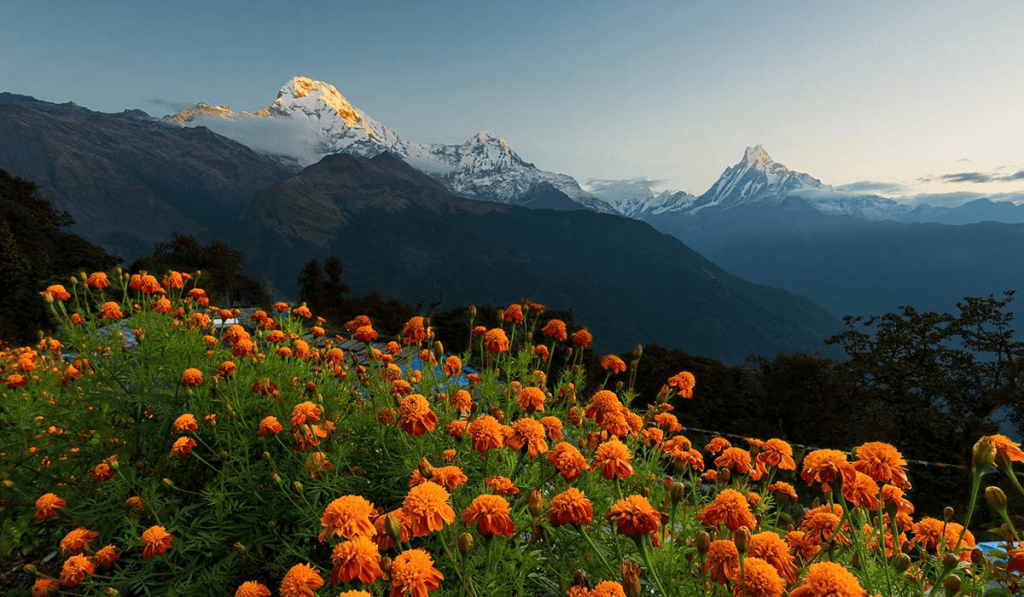
September: The Transition Month
September is when Nepal starts to wake up after the monsoon. Early September still gets rain, sometimes heavy. But by mid-to-late September, the skies begin clearing and the air takes on that post-monsoon freshness that makes autumn trekking legendary.
Here’s the insider tip: if you start a two-week trek in mid-September, you’ll hit the best weather window by the time you reach higher elevations. Trail permits are easier to get, teahouses aren’t full yet, and you’ll pay slightly less than peak October rates.
The risk? A late monsoon could mean rain during your first few days. Pack accordingly and stay flexible with your itinerary.
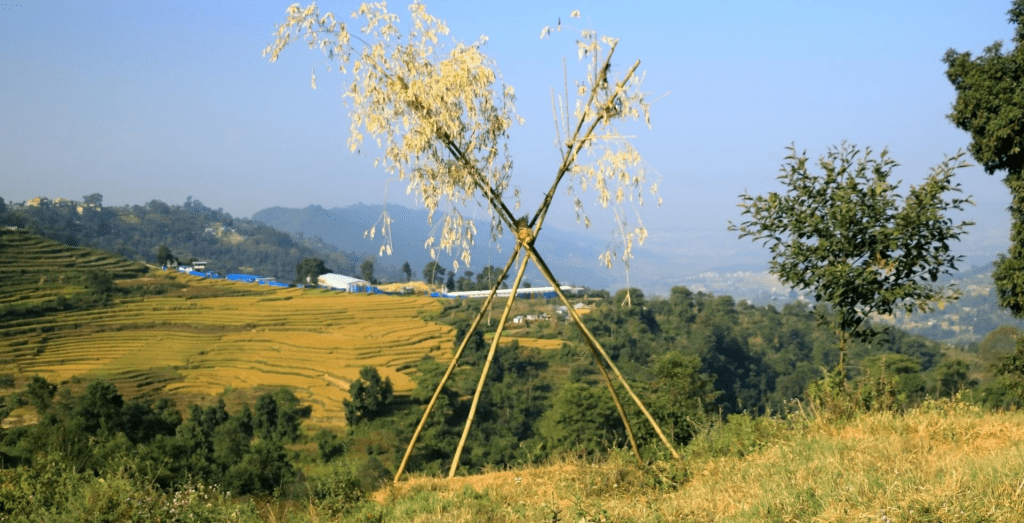
October: The King of Months
October is the single most popular month to visit Nepal, and for good reason. The monsoon is gone. Skies are deep blue. Temperatures are perfect for trekking, with daytime highs around 20 to 25 degrees Celsius at mid-elevations. Mountain visibility is at its absolute peak.
Dashain, Nepal’s biggest festival, falls in October (October 11 to 21 in 2026). The entire country shuts down for about a week. Bamboo swings pop up in every village, families gather, and there’s an energy in the air that’s hard to describe unless you’ve felt it. If you’re in Nepal during Dashain, expect some businesses and transportation services to close temporarily.
The downside? Crowds. Popular routes like Everest Base Camp and the Annapurna Circuit are packed. Teahouses fill up by early afternoon. Permits sell quickly. Book everything well in advance if you’re planning an October trek.
November: Clear Skies, Thinner Crowds
November might be the smartest month to visit Nepal. You still get the incredible post-monsoon clarity, possibly even better than October, with significantly fewer trekkers on the trails. Temperatures start cooling, especially at altitude, but it’s nothing a decent down jacket can’t handle.
Tihar, the festival of lights, typically falls in early November (November 6 to 10 in 2026). It’s Nepal’s version of Diwali, with oil lamps illuminating every doorstep, marigold garlands draped across everything, and Laxmi Puja bringing entire neighborhoods together in the evenings. Genuinely magical to witness.
By late November, high-altitude passes start getting cold enough to discourage casual trekkers. Serious mountaineers and experienced hikers still find the conditions manageable. Lower-altitude cultural tours and jungle safaris remain comfortable.
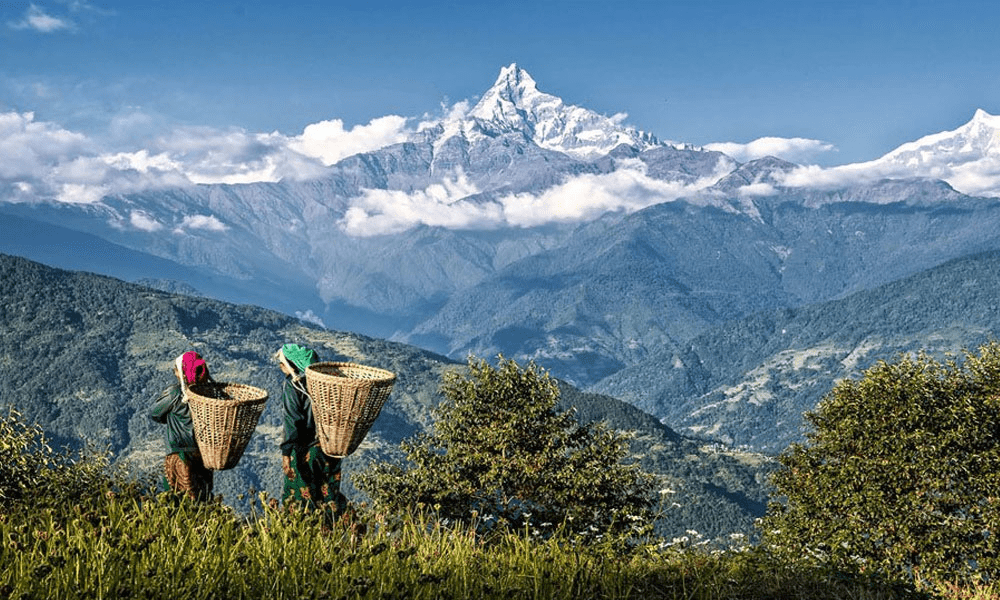
December: Quiet, Cold, and Scenic
December marks the beginning of winter. Kathmandu sees temperatures between 8 and 21 degrees Celsius, dropping further at elevation. High passes close for the season, and the trekking world shifts to lower routes.
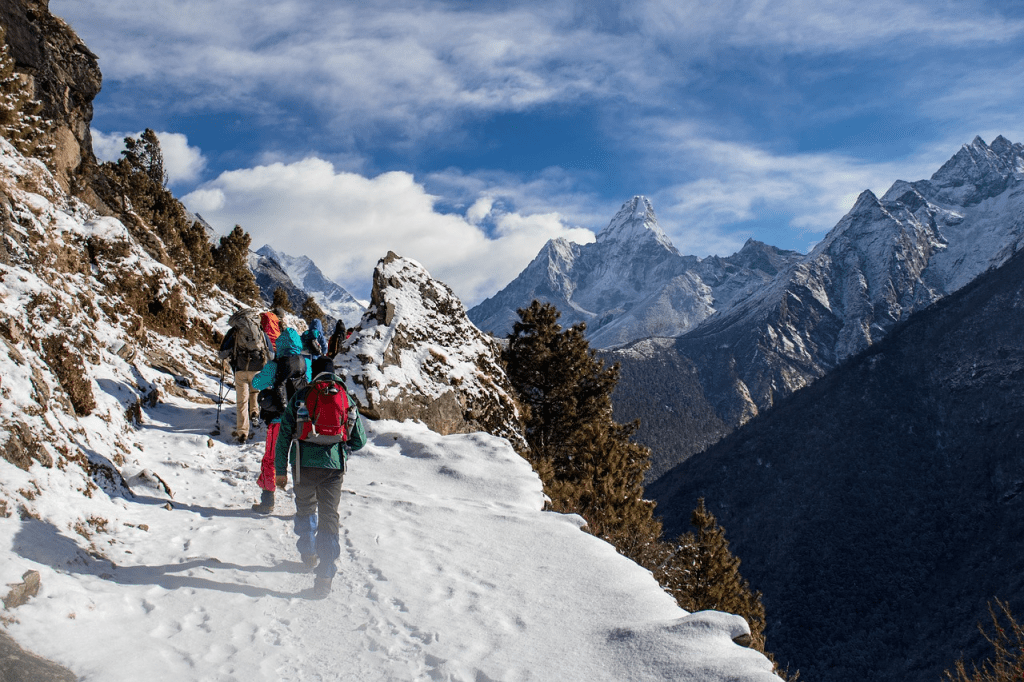
But December has a charm that attracts a certain kind of traveler. Skies are clear, mornings are frosty, and the mountain views from places like Nagarkot or Sarangkot are breathtaking without any competition for the best viewpoint. Mountain flights from Kathmandu (30-minute scenic flights along the Himalayan range) are at their best in December because the air is so clean.
It’s also a wonderful month for cultural exploration. Temples and heritage sites in the Kathmandu Valley are blissfully uncrowded. Pokhara is peaceful. And if you head south to Chitwan or Bardia, the weather in the Terai is still quite pleasant.
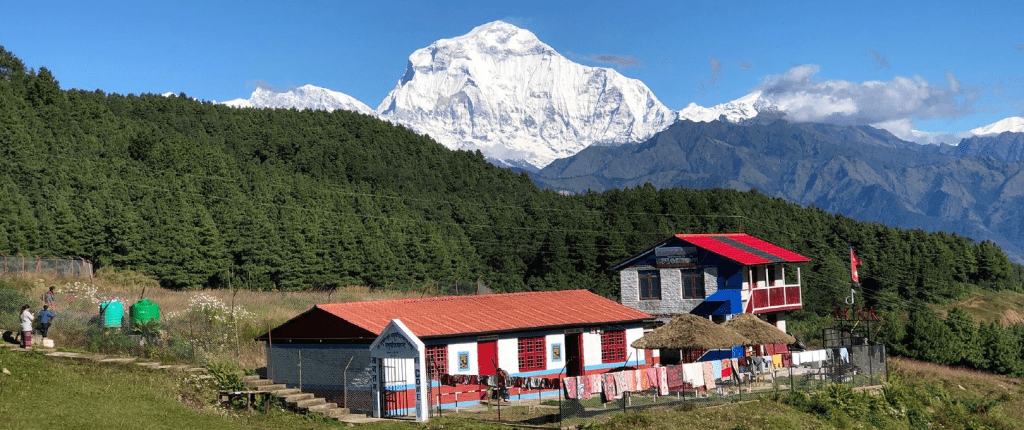
Quick Reference: Best Activities by Season
- High-altitude trekking (EBC, Annapurna Circuit): October, November, March, April
- Lower-altitude trekking (Poon Hill, Mardi Himal): Year-round except peak monsoon
- Wildlife safaris: January, February, March, October, November
- Whitewater rafting: July, August, September, October
- Cultural tours and city exploration: October, November, February, March
- Photography (mountain views): October, November, December, January
- Budget travel: June, July, August, January, February
- Rain-shadow treks (Mustang, Dolpo): June, July, August
So When Should You Actually Go?
If you want the safest bet for mountain views and trekking, October and November are hard to beat. If you want flowers and fewer crowds, aim for March or April. If you’re chasing deals and don’t mind some rain, the monsoon months offer incredible value and a Nepal that most tourists never see.
There is no truly “bad” time to visit Nepal. Every month has something going for it. The key is matching the season to what you actually want to do. A wildlife safari in January, a cultural deep-dive in August, a Himalayan trek in October: they’re all completely different trips to the same country.
For more on planning your Nepal adventure, check out our Nepal first-time visitors guide and our detailed trekking in Nepal for beginners guide. You might also find our Nepal festivals calendar helpful for lining up your trip with a major celebration.
For official visa and entry requirements, check the Nepal Department of Immigration website. The Nepal Tourism Board also publishes seasonal travel advisories worth reviewing before you finalize dates.
Frequently Asked Questions
What is the best month to visit Nepal for trekking?
October is widely considered the best month for trekking in Nepal. Skies are clear, temperatures are comfortable (20 to 25 degrees Celsius at mid-elevations), and mountain visibility is at its peak after the monsoon clears out. November and April are close seconds.
Can you visit Nepal during monsoon season?
Yes, and many travelers love it. Prices are 30 to 50 percent lower, crowds are minimal, and the countryside is spectacularly green. Rain-shadow regions like Upper Mustang and Dolpo stay relatively dry. Cultural sites in Kathmandu remain accessible year-round. Just expect daily afternoon rain showers in most areas.
Is December too cold to visit Nepal?
Not at all, unless you’re planning high-altitude treks above 4,000 meters. Kathmandu enjoys pleasant daytime temperatures of 8 to 21 degrees Celsius. Lower-altitude treks, wildlife safaris in Chitwan, and cultural sightseeing are all comfortable in December. Just bring warm layers for mornings and evenings.
When is the cheapest time to visit Nepal?
The monsoon months of June through August offer the lowest prices on accommodation, flights, and guided tours. January and February also bring discounted rates, though not as dramatically. You can save 30 to 50 percent compared to peak-season (October/November) prices on hotels and trekking packages.
What festivals can I experience in Nepal?
Nepal celebrates festivals almost every month. Holi (March) is the colorful spring festival. Dashain (October) is the biggest national celebration, lasting 15 days. Tihar (November) is the beautiful festival of lights. Other notable festivals include Bisket Jatra in April, Gai Jatra in August, and Maghe Sankranti in January.
Is spring or autumn better for trekking in Nepal?
Autumn (October/November) generally wins for mountain visibility and weather stability. Spring (March/April) offers warmer temperatures, stunning rhododendron blooms, and fewer crowds on the trails. Both are excellent. If mountain views are your top priority, choose autumn. If wildflowers and a quieter experience appeal more, spring is the way to go.
How far in advance should I book a Nepal trip?
For peak season (October/November), book trekking permits, guides, and teahouse accommodations at least two to three months in advance. Popular routes like Everest Base Camp fill up quickly. For off-season travel, a few weeks of lead time is usually plenty. Flights to Kathmandu tend to be cheapest when booked three to four months ahead.
What should I pack for Nepal regardless of the season?
Layers are essential no matter when you visit. Temperatures can swing 20 degrees between morning and afternoon. Always bring a quality rain jacket, broken-in hiking boots, sunscreen (UV is intense at altitude), and a reusable water bottle. For trekking, add a warm fleece, thermal base layers, and a headlamp.