



Roughly one in five young Nepalis is unemployed, yet remittances sent home by workers abroad now top 11 billion dollars a year, close to a quarter of the entire economy. Those two numbers explain almost everything about the modern Nepal lifestyle. A generation is caught between a country it loves and an economy that often cannot hold it, and the way it responds, by leaving, by building online, by protesting in the streets, is reshaping daily life faster than at any point in living memory.
Here is what most travel guides will not tell you. The young people you meet in a Kathmandu cafe in 2026 are not living the same lives their parents did, and they are not waiting politely for the world to change around them.

How work is reshaping the Nepal lifestyle
Go back fifteen years and a respectable career meant a government post, a bank job, or a one-way ticket to the Gulf. That script is breaking apart.


Freelancing has gone from an awkward side hustle to a genuine career. Thousands of young Nepalis now bill clients in Europe and North America while sitting in apartments in Baluwatar or lakeside Pokhara. Web development, graphic design, video editing, and content writing lead the pack, and Nepal regularly ranks among the top 30 countries by freelancer count on Upwork. A rate of 20 dollars an hour, modest by Western standards, works out to around 2,700 Nepali rupees, which comfortably beats most local salaries.
What makes this possible is connectivity. Nepal had more than 23 million internet users by 2025, and broadband in the major cities is now fast enough for video calls and large file transfers that would have stalled a decade ago. A laptop and a stable connection have quietly become the most aspirational possessions among urban youth.
It is not a frictionless dream, though. PayPal still does not operate in Nepal, so freelancers route payments through Payoneer, Wise, or slow bank transfers that eat into margins. Tax rules for online income remain fuzzy, and many young earners simply do not know how to declare what they make. Plenty of talented people still burn out chasing inconsistent gigs.
The pull of working abroad
For all the optimism around remote work, the dominant story of young Nepali working life is still migration. Nepal issued more than 800,000 labor permits in a single recent fiscal year, including over 500,000 first-time approvals. Gulf states and Malaysia absorb the overwhelming majority, somewhere around 90 percent of formal labor migration, with the United Arab Emirates, Saudi Arabia, and Qatar taking the largest shares.
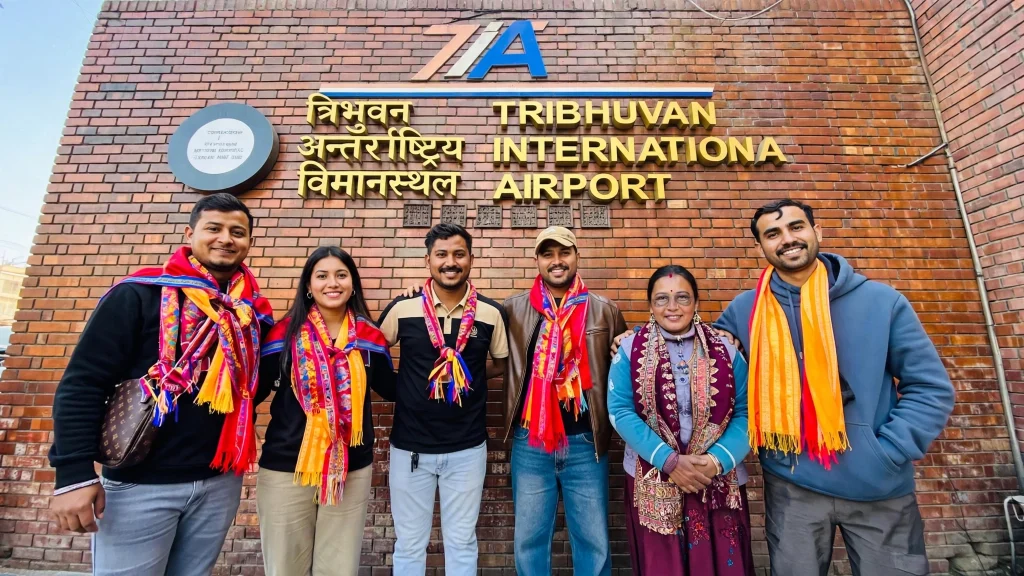
Money flows back in extraordinary volumes. Remittances reached about 11.25 billion dollars between mid-2024 and mid-2025, and early figures for the following fiscal year showed inflows jumping more than 27 percent. Depending on how you count, that money makes up somewhere between a fifth and a third of national GDP. It pays school fees, builds concrete houses in hill villages, and keeps entire districts afloat.
There is a quieter shift underway too. Migration is slowly diversifying beyond the Gulf, with more young people heading to Japan, South Korea, Australia, and parts of Europe for study and skilled work. Ask a 22-year-old in Kathmandu about their five-year plan and there is a decent chance it involves a language course and a visa application.
City living, cafes, and the rise of a leisure culture
Daily life in urban Nepal looks dramatically more cosmopolitan than it did a generation ago. Coffee, of all things, has become a marker of the modern Nepal lifestyle. Specialty roasters and third-wave cafes have spread across Kathmandu, Lalitpur, and Pokhara, and a flat white now competes with milk tea as the social drink of choice among twentysomethings. If you want to understand how fast tastes are moving, the country’s growing coffee and tea culture tells the story better than almost anything else.
Weekends revolve around these spaces. Friends gather to work, gossip, swipe through reels, and plan short trips out of the valley. Thamel still pulls the late-night crowd with live music and rooftop bars, while quieter neighborhoods like Jhamsikhel have built a reputation for brunch spots and craft beer. For a fuller picture of the capital’s rhythms, our Kathmandu travel guide maps out where locals actually spend their time.
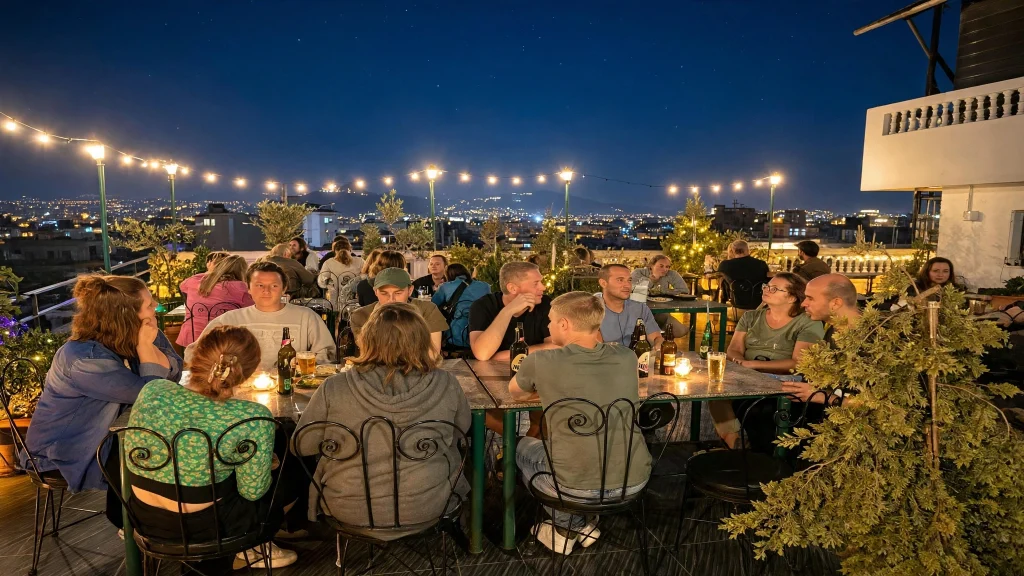
Play has gone digital as well. Gaming, both mobile and PC, has a passionate following, and homegrown content creators pull serious audiences on YouTube and TikTok. Music is having a moment, with Nepali hip-hop, indie rock, and folk-fusion acts selling out venues that would have struggled a few years back. Futsal courts, once rare, now dot city neighborhoods and have become the default after-work hangout for young men and a growing number of women.
A generation that lives online
No description of young Nepali life makes sense without social media. Instagram and TikTok are not just entertainment here, they are where identity, business, activism, and friendship all collide. Small entrepreneurs sell clothes and momos through Instagram pages. Aspiring comedians build careers in 60-second clips.
That digital fluency turned political in a way nobody saw coming. In September 2025, the government tried to ban more than two dozen social media platforms, and the backlash was immediate and historic. A youth-led, anti-corruption uprising, organized partly through a Discord server that ballooned past 100,000 members, brought down the sitting government within days. The 2025 Gen Z protests ended with an interim leader chosen through an online poll and, months later, a national election that swept a young, reform-minded leadership into power.
Whatever happens next politically, that moment changed how young Nepalis see themselves. They proved that the same phones their elders scolded them for could topple a government. Confidence like that does not fade quickly.
What it costs to live the Nepal lifestyle
Money shapes every choice. A young professional sharing a flat in Kathmandu might spend somewhere around 15,000 to 30,000 rupees a month on rent depending on the neighborhood, with daal bhaat at a local eatery still available for 150 to 250 rupees. Coffee culture is pricier, with a cappuccino at a trendy cafe running 250 to 400 rupees, which is precisely why it signals a certain status.
Salaries have not kept pace with aspirations, and that gap is the engine behind both the freelancing boom and the migration wave. Travelers curious about how far money stretches here can dig into our budget travel guide, and the same arithmetic that helps a backpacker also explains why so many locals weigh a foreign salary against a domestic one and reluctantly choose the airport.
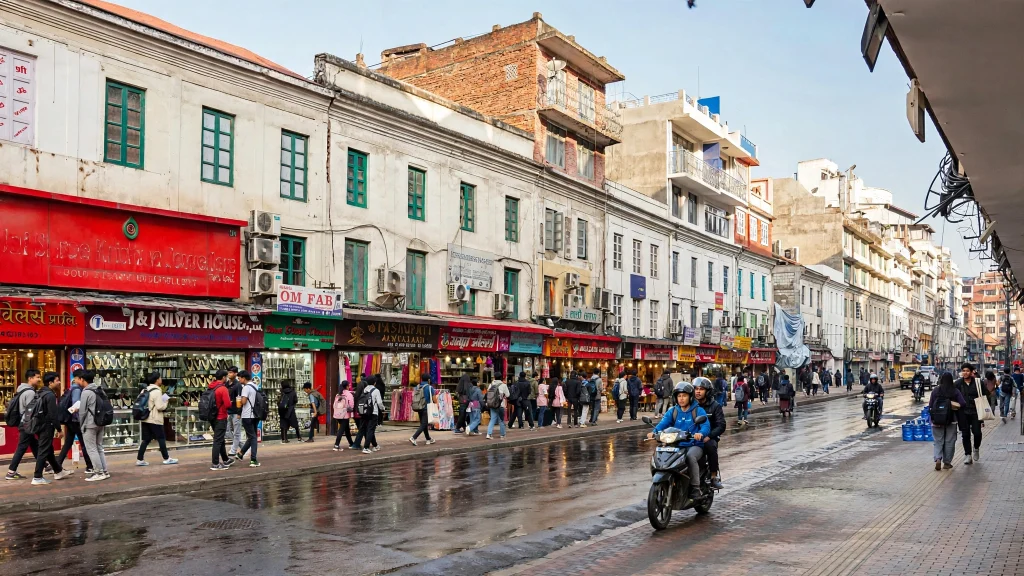
Tradition has not gone anywhere
It would be a mistake to read all this as Westernization. Festivals still empty out the cities every autumn as young people travel home for Dashain and Tihar, smartphones in hand to film the rituals their grandparents perform. Arranged introductions coexist with dating apps. A software developer who codes for a German client by day might still touch his parents’ feet for blessings and fast for a religious holiday.
That blend is the most distinctive feature of the contemporary Nepal lifestyle: deeply online and globally connected, yet still anchored in family, faith, and an attachment to the mountains. Domestic tourism is booming too, with young Nepalis exploring their own country, hiking weekend trails, and chasing waterfalls, a trend the official tourism body at the Nepal Tourism Board has actively encouraged.
The truth is that this generation is improvising a way of living that has no real precedent. They are neither fully their parents nor fully the influencers they follow abroad. They are something new, and they are figuring it out in real time.
Frequently Asked Questions
What is daily life like for young people in Nepal?
For urban youth, a typical day mixes study or work with heavy social media use, time in cafes, and evenings with friends at futsal courts, rooftop bars, or family homes. Daily life balances global digital culture with strong family and festival traditions.
Do most young Nepalis want to work abroad?
A large share do. With youth unemployment around 20 percent and limited high-paying local jobs, hundreds of thousands leave each year for the Gulf, Malaysia, and increasingly Japan, South Korea, and Europe. That said, remote freelancing is creating real alternatives at home.
How big is freelancing in Nepal?
It has grown into a mainstream career path. Nepal ranks among the top 30 countries on Upwork by freelancer count, with web development, design, and content writing leading. The main hurdles are payment access, since PayPal is unavailable, and unclear tax rules.
What was the 2025 Gen Z movement about?
It was a youth-led, anti-corruption uprising sparked by a government attempt to ban social media platforms in September 2025. Organized largely online, it forced the government out within days and led to new leadership through interim arrangements and a later national election.
Is the Nepal lifestyle expensive for young people?
Compared to local salaries, yes. Rent, cafe culture, and modern gadgets stretch budgets thin, which is a major reason so many young people pursue foreign income. Basic living remains cheap by Western standards, but aspirational spending adds up fast.
How important is social media to young Nepalis?
Extremely. Instagram and TikTok drive entertainment, small businesses, and even political activism. The 2025 protests showed that digital platforms are central to how this generation organizes, earns, and expresses itself.
Are traditional values disappearing among Nepali youth?
No. While lifestyles have modernized, festivals, family obligations, and religious practices remain central. Most young Nepalis blend global digital habits with deeply rooted traditions rather than abandoning them.
Where do young Nepalis go to relax and have fun?
Popular options include cafes, futsal courts, live music venues, gaming, and short domestic trips for hiking and waterfalls. Kathmandu’s Thamel and Jhamsikhel and Pokhara’s lakeside are favorite hangout zones.


