


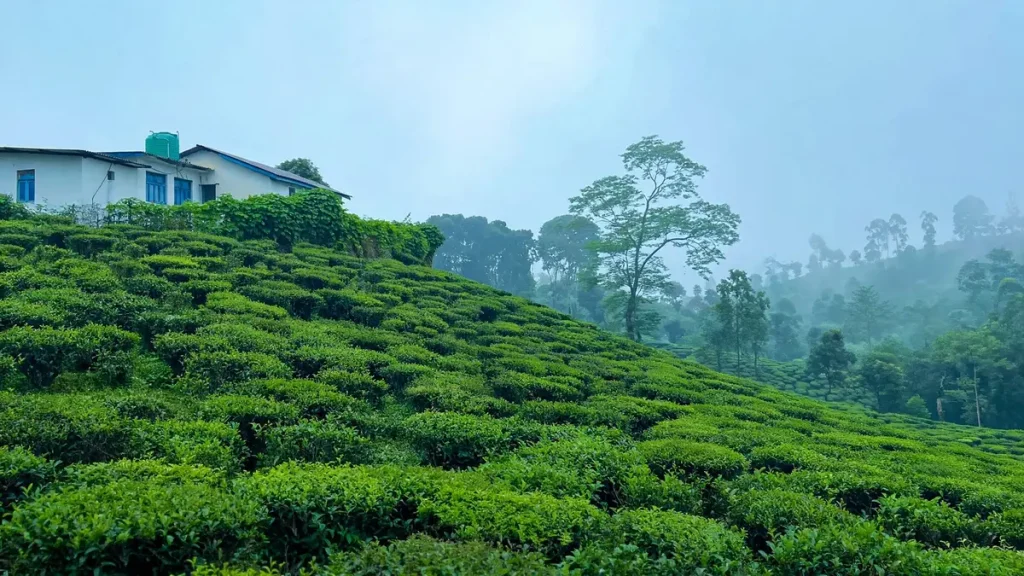
Most travelers who land in Nepal never get more than a two-hour radius from Kathmandu. Roughly 500 kilometers to the east, though, at around 6,000 feet, sits a 240-hectare sweep of manicured green that produces some of the finest orthodox tea in South Asia. That green is the Kanyam tea estate, and if you have only ever seen photos of Nepal’s snow peaks, it will rearrange what you think this country looks like. Rolling hills, hedge-neat rows of tea bushes, mist that rolls in by mid-afternoon, and not a trekking permit in sight.
Here is what most guidebooks bury in a footnote: eastern Nepal is arguably the most underrated corner of the country, and Kanyam is its calling card.
Where Kanyam Tea Estate Actually Is
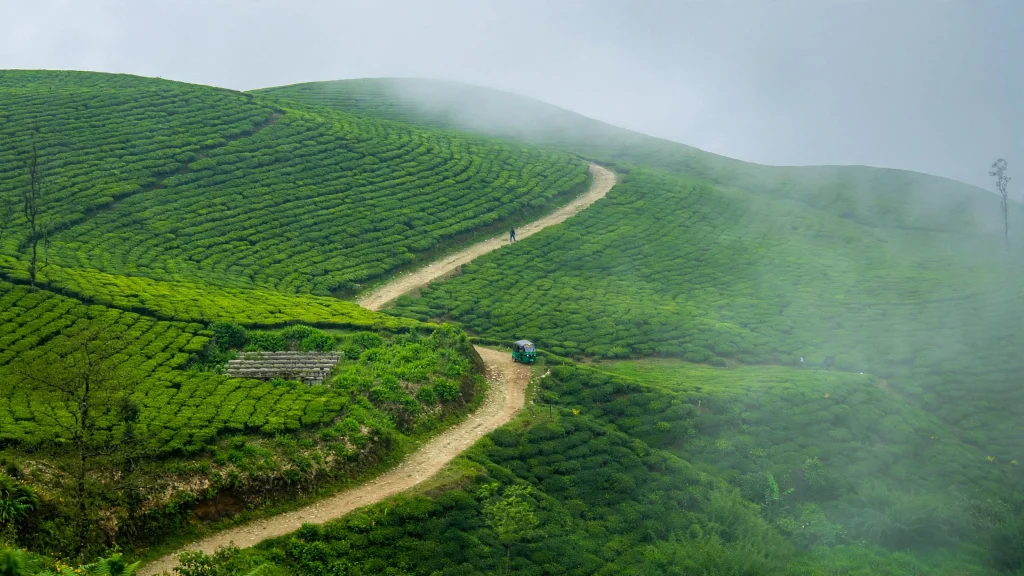
Kanyam sits in Suryodaya Municipality, in Ilam district, tucked into the far eastern hills near the Indian border. Look across the valley on a clear day and you can see the tea slopes of Darjeeling on the other side. The two regions share the same soil, the same elevation band, and honestly the same tea heritage, but Kanyam sees a fraction of the crowds.


Locals call this stretch the “Queen of the East”, and once you stand on the ridge you understand why. The tea gardens were planted in the early 1970s, and today the estate spreads across roughly 240 hectares, cranking out well over 100,000 kilograms of orthodox tea a year for export. Cardamom and ginger farms fill in the gaps between the tea, and Himalayan griffons ride the thermals overhead. It is a working agricultural landscape first and a tourist site second, which is exactly what keeps it feeling real.
Getting to Kanyam From Kathmandu
Reaching Kanyam takes some commitment. That is the honest truth, and it is also why the place has stayed quiet. You have two realistic options.
By air, then road. Fly from Kathmandu to Bhadrapur, a short hop of roughly 45 to 50 minutes. As of early 2025, one-way fares ran approximately USD 100 to 120 depending on season and how early you book. From Bhadrapur airport you pick up a jeep or bus and drive north into the hills. Bhadrapur to Ilam is about 95 kilometers and takes close to 3 hours by car via Charali and Birtamod. Kanyam actually sits before Ilam Bazaar on that road, so you may reach the tea gardens even sooner. Total door-to-door from Kathmandu: half a day if flights cooperate.
By road the whole way. Budget travelers take the night bus. Figure somewhere between 500 and 585 kilometers depending on the route, and a grinding 12 to 16 hours if things go smoothly. Buses leave Kathmandu in the late afternoon and dump you in the east the next morning. It is cheap, it is long, and it is a rite of passage. If your spine can handle it, you save real money.
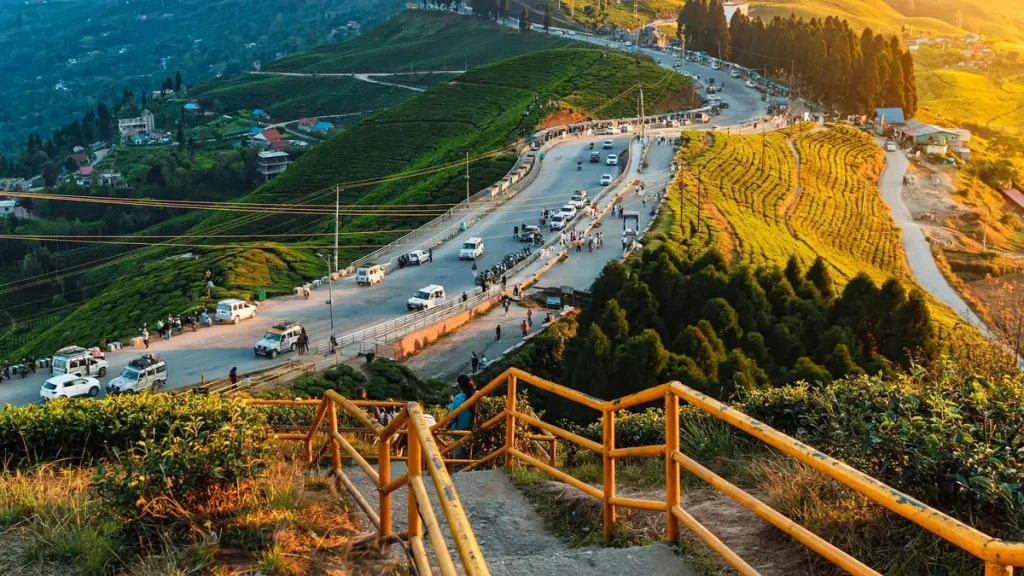
From Ilam Bazaar, if you base yourself there, Kanyam is only 1 to 2 hours back down the road. Many people do it as a day trip and never realize they drove past it on the way up.
What It Costs to Visit
Good news for your wallet. There is no entrance fee to walk through the tea gardens. You can wander the trails, photograph the rows, and watch the pluckers work without paying a rupee at any gate. That is rare for a site this photogenic.
Where you will spend is on where you sleep and what you eat. Accommodation ranges widely. As of early 2025, budget hotels and guesthouses near Kanyam started around USD 23 a night, with boutique resorts and tea-view lodges charging more for the balcony that faces the gardens. Homestays are the move if you actually want to understand the place. You sleep with a local family, eat what they cook, and often get walked through their own small tea plot. Prices are negotiable and usually a fraction of resort rates.
A quick budgeting note
Meals in the hills are cheap. Dal bhat, momos, and endless cups of the local brew rarely dent your budget. The real cost of a Kanyam trip is transport and time, not the tea country itself once you arrive.
Things to Do Around the Kanyam Tea Estate
You could burn a full day here without trying. Start with the obvious: walk the tea slopes early, before the mist arrives and while the light is still low and golden.
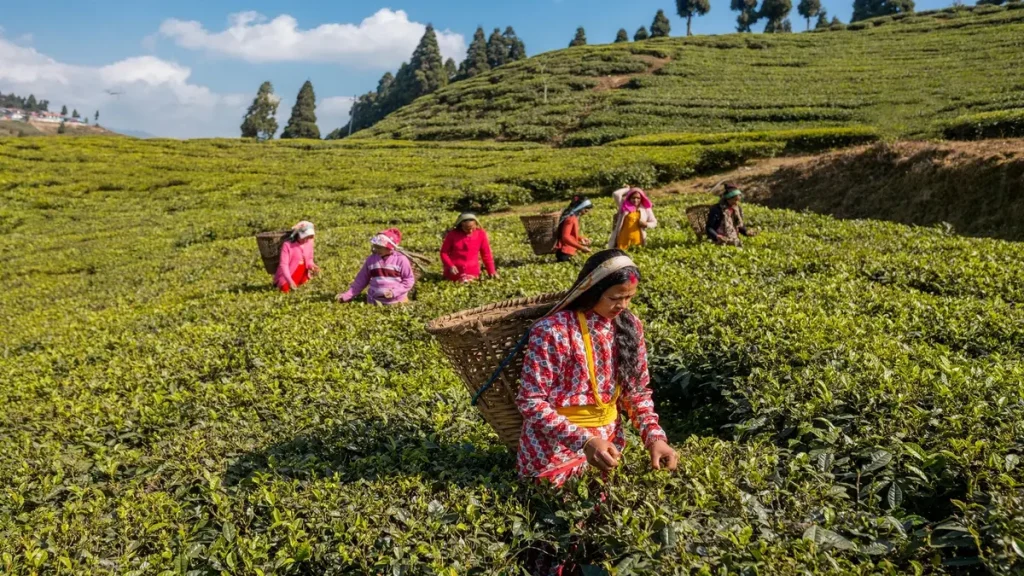
- Tea plucking and factory tours. Time your visit for plucking season and you can watch workers move down the rows, then follow the leaves into a processing facility to see how green becomes the cup in your hand.
- Horse riding and picnics. Kanyam is a beloved weekend spot for Nepali families, and the open lawns are made for a lazy picnic. You can rent a horse for a short ride across the ridge.
- Kanyam Bagaicha. At the heart of the estate sits this cultural and photo spot where you can rent traditional Newari and Limbu dress and shoot portraits among the bushes. It is touristy, sure, and also genuinely fun.
- Tea tasting. Sample orthodox black, green, and white teas at source. The white tea in particular is worth carrying home.
Side trips worth the detour
Kanyam works best as one stop on a wider eastern loop. Shree Antu is the standout. Antu Danda is one of the most famous viewpoints in the region, and on a clear dawn you get a panorama of Kanchenjunga, the third-highest mountain on earth, glowing pink over the tea hills. Set your alarm. It is worth it.
Mai Pokhari, a sacred pond ringed by forest, is another easy add-on. Hindus and Buddhists both hold it holy, and it is protected as a Ramsar wetland site for its biodiversity. Quiet, misty, and a little eerie in the best way.
When to Go for the Best Views
Timing makes or breaks a Kanyam trip. Skip the monsoon. From June through August the hills disappear into cloud and the roads turn treacherous, which cancels the whole reason you came.
October through February is the sweet spot for crisp air and long-distance clarity, when you can see clean across to Darjeeling and, on the best mornings, out to the Himalaya. Spring, roughly March through May, is the other strong window. The tea bushes flush bright green with new growth, temperatures stay mild, and rhododendrons color the higher forests. Autumn gives you views, spring gives you color. Both beat summer by a mile.
Where Kanyam Fits in Your Nepal Trip
Be realistic about distance. Kanyam is not a quick side trip from the usual tourist triangle, so it rewards travelers who have a bit of time and want to see a side of Nepal that most itineraries skip entirely. If you are still shaping your route, our guide on the best time to visit Nepal will help you line up the eastern hills with the right season. First-timers deciding how ambitious to get should also read our Nepal beginner’s travel guide before committing to the long haul east.
Pair it smartly. A classic combination runs Kathmandu, then a few days in Pokhara, and then the flight east to Bhadrapur for the tea country finale. You get lakes, mountains, and tea gardens in one loop, with almost no backtracking.
For official regional context and seasonal notes, the Nepal Tourism Board’s Ilam destination page is a solid starting reference.
Frequently Asked Questions About the Kanyam Tea Estate
Is there an entrance fee to visit Kanyam tea estate?
No. Walking through the tea gardens is free. You can explore the trails, watch tea plucking, and take photos without paying at any gate. You only pay for accommodation, food, transport, and optional extras like horse rides or dress rentals.
How far is Kanyam from Kathmandu?
Roughly 500 to 585 kilometers by road, depending on the route. By bus it is a long overnight haul of about 12 to 16 hours. The faster option is to fly Kathmandu to Bhadrapur in around 45 to 50 minutes, then drive 3 to 4 hours into the hills.
What is the best time of year to visit?
October through February for the clearest long-distance views, and March through May for lush green bushes and mild weather. Avoid the June to August monsoon, when clouds hide the hills and the roads get rough.
Can I stay overnight near Kanyam?
Yes. Options range from budget guesthouses starting around USD 23 a night as of early 2025 to boutique tea-view resorts and local homestays. Homestays give you the most authentic experience and usually the friendliest prices.
What can I do at Kanyam besides looking at tea?
Plenty. Take a tea factory tour, taste orthodox teas at source, ride a horse across the ridge, picnic on the lawns, and rent traditional Limbu or Newari dress for photos at Kanyam Bagaicha. Nearby you can add Shree Antu for sunrise over Kanchenjunga and Mai Pokhari, a sacred forest pond.
Is Kanyam better than Darjeeling for tea?
They share the same soil and elevation, and many visitors find Kanyam just as beautiful with far fewer crowds. The tea quality is excellent, and because it is less commercialized, the experience feels more relaxed and local. If you want tea country without the tourist crush, Kanyam wins.
Do I need a permit or a guide?
No special permit is needed to visit Kanyam. A guide is optional. Local transport, homestay hosts, and estate staff can point you around easily, though hiring a local driver or guide helps if you want to cover Shree Antu and Mai Pokhari in the same trip.
How many days should I spend in the area?
Two to three days is ideal. That gives you a full morning in the Kanyam gardens, a sunrise at Shree Antu, a visit to Mai Pokhari, and enough slack to enjoy the tea and the pace without rushing the long journey there and back.