



At 9:40 on a bright October morning in Kathmandu, Durbar Square is quieter than usual. Shops are shuttered, half the taxis have left the city, and a family in new clothes crosses the brick plaza carrying a steel plate of rice and vermilion. That plate is the festival. If you came looking for a parade, you may spend a week wondering where everyone went. Dashain is Nepal’s largest festival, and most of it happens behind house doors. Knowing where to see Dashain in Nepal means knowing which few moments are genuinely public, which are restricted, and which locations reward a visitor rather than simply putting them in a crowd.
First, Set Your Expectations Correctly
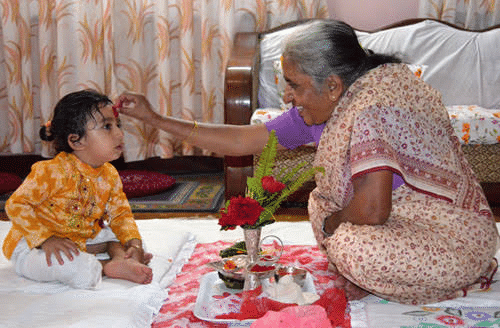
Dashain is not Indra Jatra. Nepal’s jatras are street festivals: chariots, masked dancers, music, crowds that any visitor can join from the pavement. Dashain works the other way round. Its center of gravity is the household puja room, the family kitchen, and the journey home. Public ritual exists, but it is concentrated into roughly three days out of fifteen, and several of the most important ceremonies are closed, restricted, or take place at night behind a courtyard wall.
That is not a disappointment. It changes what you should look for. Instead of a spectacle to photograph, you are watching a country reorganize itself: buses booked out, shops closed, kitchens busy, temple queues at dawn. A traveler who understands that will have a far better week than one waiting for a procession that never comes.


The 2026 Dates You Need
Dashain 2026 falls in Bikram Sambat 2083. Confirm against a current Nepali patro before you book, because tithi timings can shift a day.
| Day | Name | Date (2026) | What a visitor can see |
|---|---|---|---|
| 1 | Ghatasthapana | Sunday, October 11 | Private household rite. Nothing public. |
| 7 | Fulpati | Saturday, October 17 | State reception in Kathmandu. Partly viewable. |
| 8 | Maha Ashtami | Sunday, October 18 | Temple crowds by day. Night rites restricted. |
| 9 | Maha Navami | Tuesday, October 20 | Taleju Temple opens. Vehicle and tool puja everywhere. |
| 10 | Vijaya Dashami | Wednesday, October 21 | Tika day. Household, not public. |
| 15 | Kojagrat Purnima | Sunday, October 25 | Full moon, Lakshmi puja, late card games at home. |
For the wider festival calendar, including Tihar and Chhath, see our confirmed 2026 festival dates guide. For closures and transport, read what actually closes during Dashain before you build an itinerary around these days.
Kathmandu Durbar Square: The Most Public Days
Kathmandu’s old royal square carries more official Dashain ritual than anywhere else in the country, concentrated into days seven, eight and nine.
Fulpati, Day 7
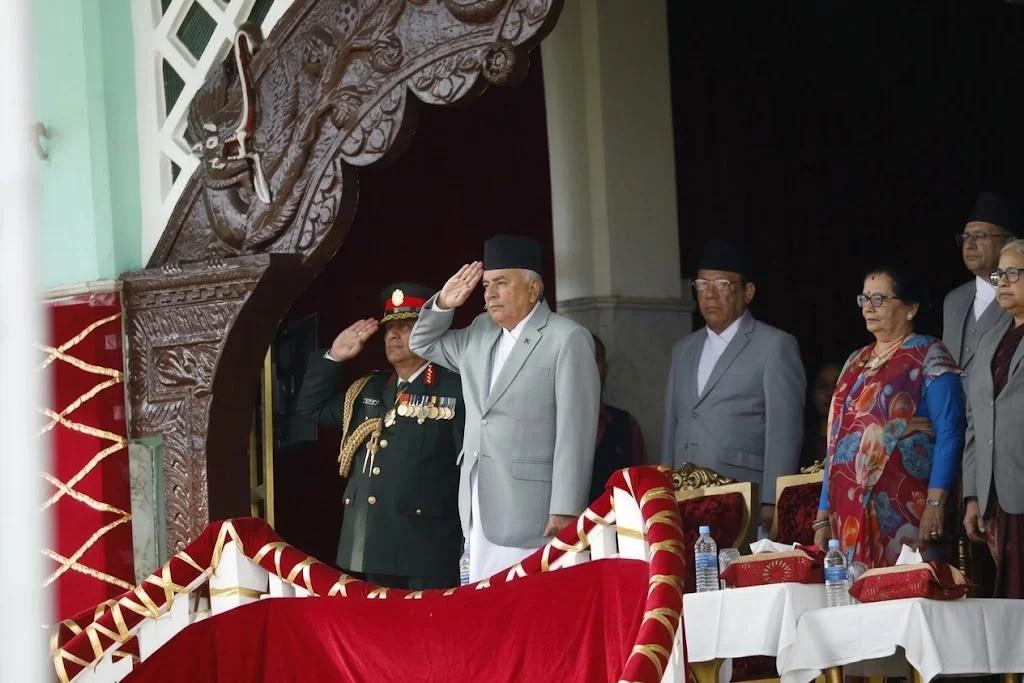
Sacred plants, flowers and a kalash are brought from the old palace at Gorkha to Kathmandu, a journey traditionally carried on foot over roughly 169 km by Magar bearers. In Kathmandu the materials are received with a state ceremony involving the Nepal Army, a gun salute, and senior officials. Since Nepal became a republic in 2008, the president receives Fulpati in place of the king.
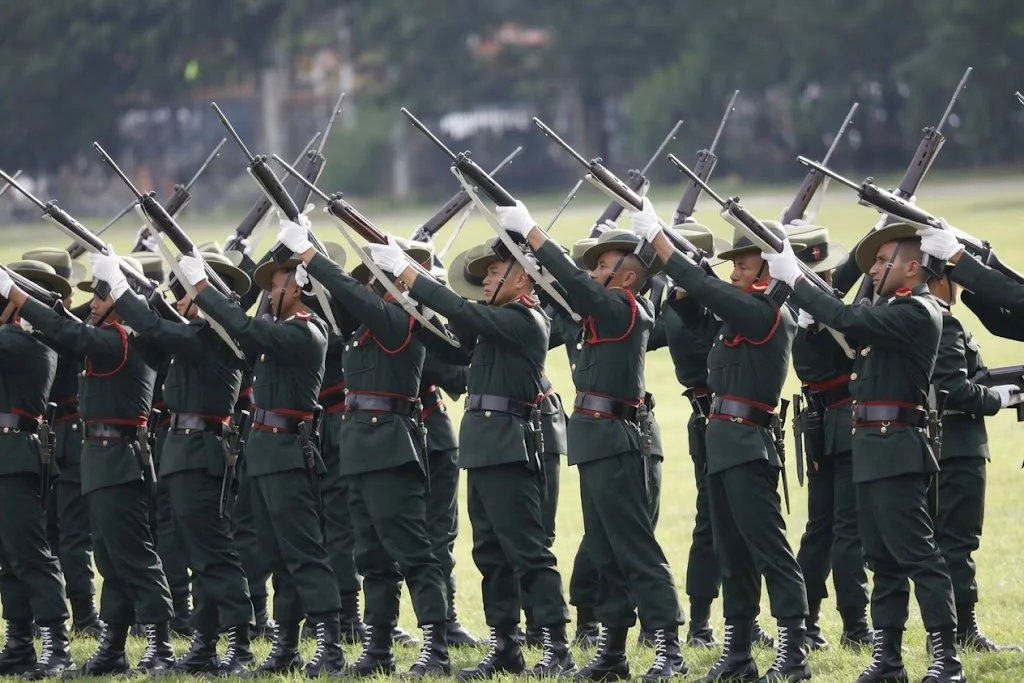
What you can actually see: the reception area around Tundikhel and the route toward Hanuman Dhoka. Expect security cordons, a large local crowd, and a short ceremony rather than a long procession. Arrive by mid-morning, stand well back from barriers, and accept that your view may be partial. Police may close sections without notice.
Maha Ashtami, Day 8
Daytime at Durbar Square is busy with worshippers. After dark, the Kot courtyard inside the Hanuman Dhoka complex hosts Kalratri, the night of the fierce form of the goddess, when the army conducts large-scale animal sacrifice. That ceremony is not a tourist event. Access is controlled, and in practice it is limited to officials, participants, and accredited press. Do not plan around attending it.
Maha Navami, Day 9
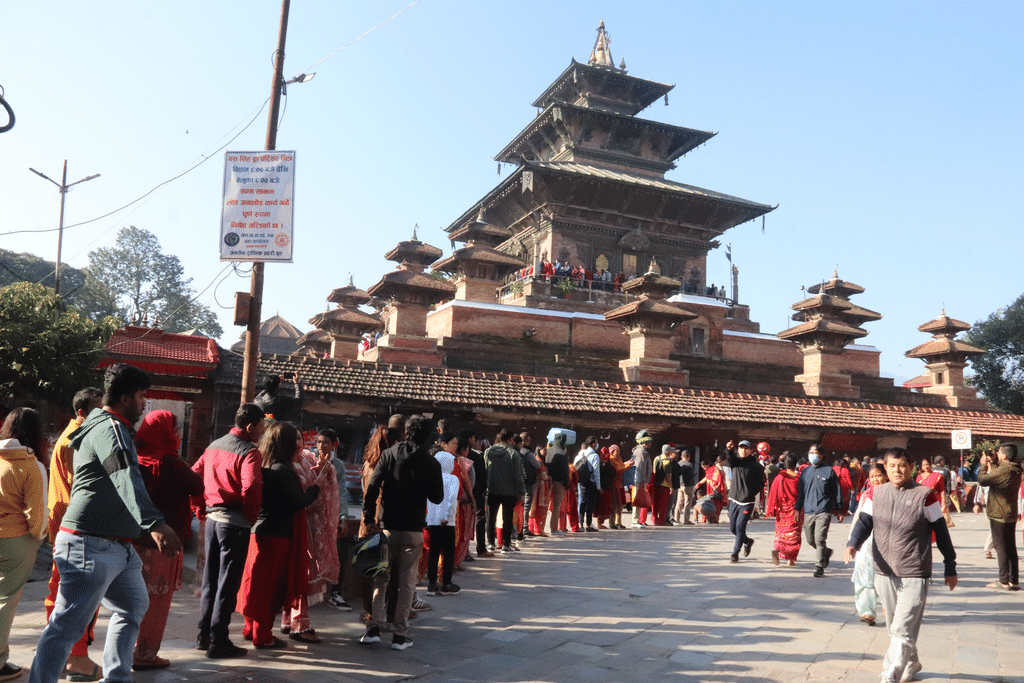
Navami is the single best day for a visitor who wants to see something genuinely unusual. The Taleju Bhawani Temple at Kathmandu Durbar Square, closed all year, opens to devotees on this one day. Queues form early and run for hours. Recent reporting describes access as limited to Hindu devotees, so if you are not Hindu, do not assume you can enter. Ask a local official at the gate rather than joining the line and finding out at the front.
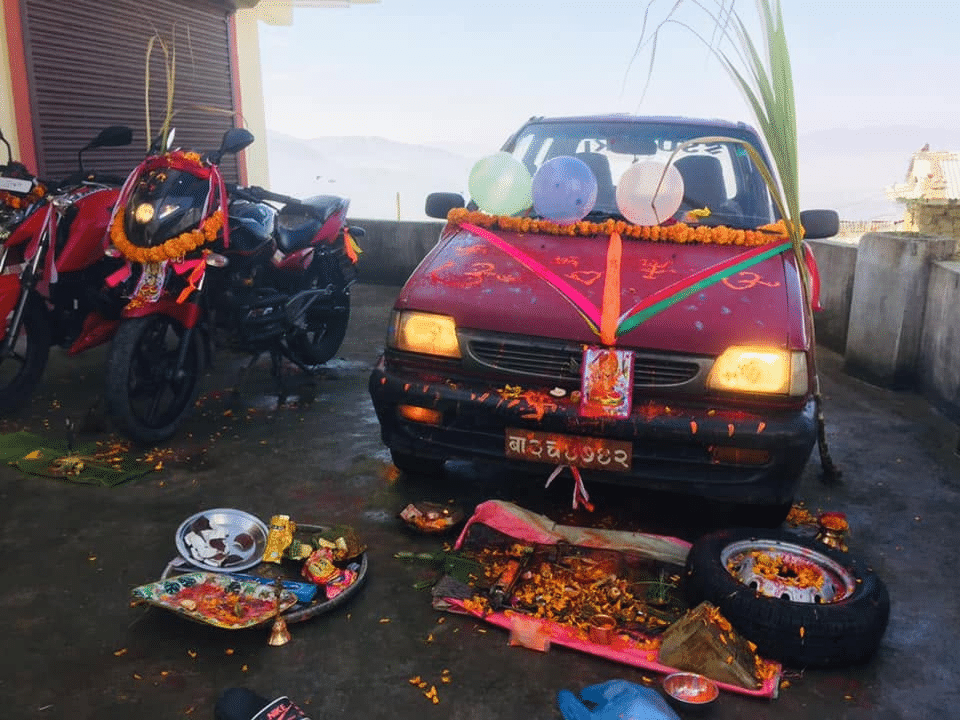
Navami is also when Nepal blesses its tools. Taxis, buses, motorcycles, printing presses, machine shops and kitchens are decorated with marigold and given puja. Walk any working neighborhood, Teku or Balaju or Kalimati, and you will see garlanded vehicles and small offerings on engine hoods. Photograph the flowers freely. Ask before photographing a sacrifice.
Patan and Bhaktapur: Newar Dashain Is Its Own Festival
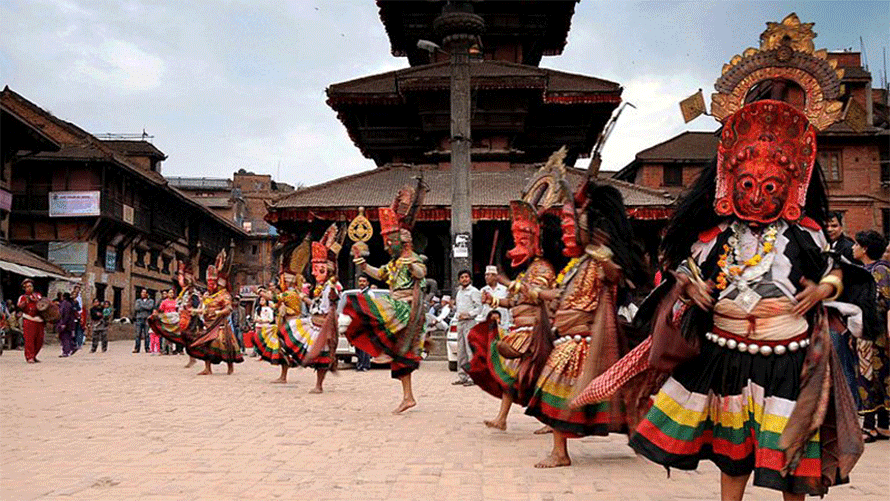
Among Newar communities the festival is called Mohani, and it is not simply a local version of the same thing. Emphasis falls on Khadga Puja, the worship of blades and weapons, on lineage deity worship, and on a household calendar that does not always match the hill Bahun-Chhetri pattern. Malashree Dhun, the devotional melody you will hear on every radio and bus from Ghatasthapana onward, comes from this Newar tradition.
Patan Durbar Square and Bhaktapur Durbar Square stay open to ticketed visitors through the festival, and both are calmer than usual because residents are at home. Courtyards, or bahals, in the back lanes of Patan are where you may notice jamara growing in doorways and small offerings at lineage shrines. Look, do not enter. A bahal is residential space.
If Newar ritual interests you, our guide to attending a Newari jatra respectfully covers the public side of Newar festival life, which behaves quite differently from Dashain.
Gorkha: Where the Fulpati Begins
Gorkha Durbar sits on a ridge above the town, roughly 140 km northwest of Kathmandu, a four to five hour drive in normal traffic and longer in festival weeks. Its Kalika temple is the origin point for the Fulpati carried to Kathmandu, and in the days before day seven the site is busy with pilgrims.
Be realistic about access. The Kalika shrine’s inner sanctum is closed to non-Hindus year-round, and during Dashain queues at the hilltop can be long. What you get is the climb, the ridge view toward Manaslu on a clear morning, and a working pilgrimage town at its busiest point of the year. Go for the atmosphere and the setting, not to get inside the shrine.
Dakshinkali and the Sacrifice Temples
Dakshinkali, about 22 km south of Kathmandu at the edge of the valley, is the best-known sacrifice temple in the region. Saturdays and Tuesdays draw worshippers all year, and during Ashtami and Navami the road backs up for kilometers.
Understand what you are choosing to see. Animal sacrifice here is a religious offering, not a display. Meat is taken home and eaten as prasad. Some visitors find it straightforward, others find it upsetting, and both reactions are common. If you are unsure, do not go and then film it. Photography of sacrifice is frequently resented, and in several shrines it is prohibited outright.
Bhadrakali near Tundikhel, Guhyeshwari near Pashupatinath, and Naxal Bhagwati in central Kathmandu are smaller and easier to reach. Our guide to Kathmandu temples during Dashain and Navaratri covers the valley circuit in detail, so this article will not repeat it.
Village Nepal: Swings, Kites, and the Part Most Visitors Miss
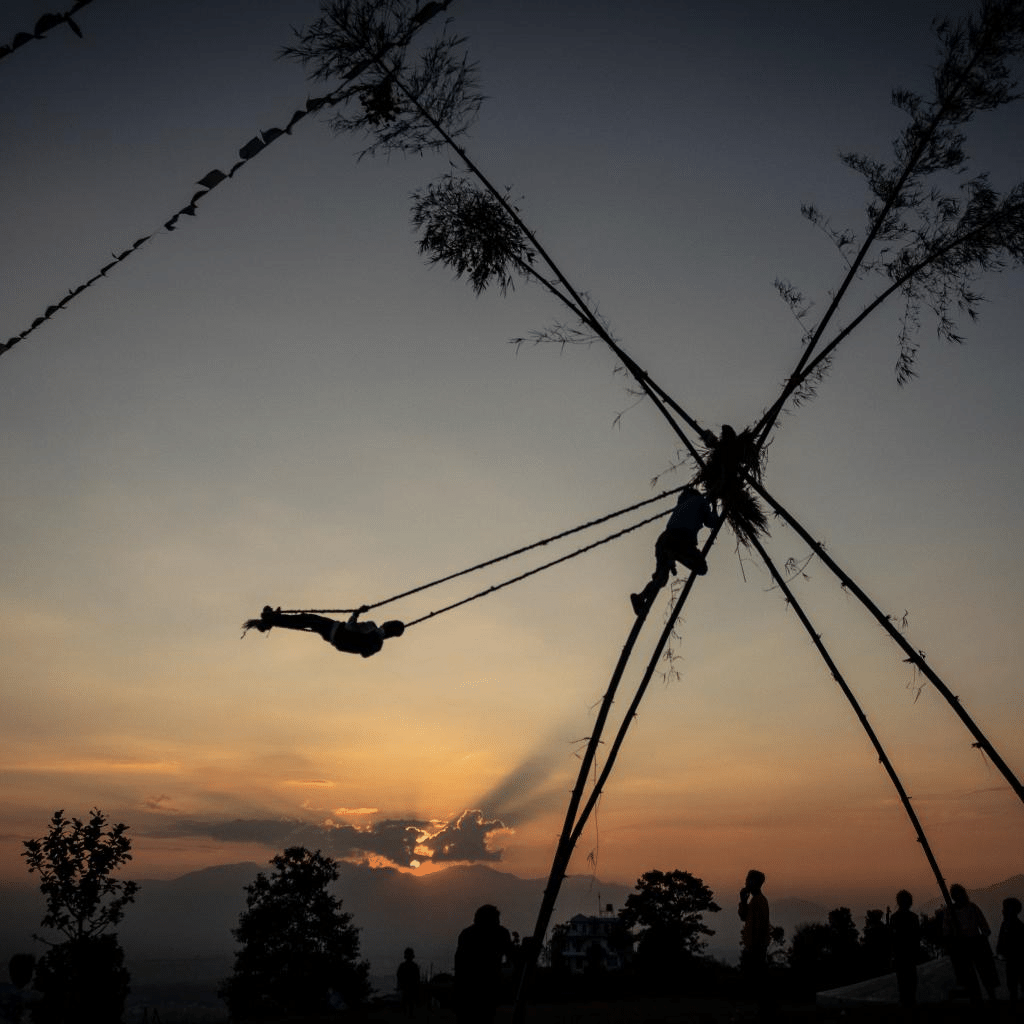
Bamboo swings, called ping or linge ping, go up about a week before Ghatasthapana on village ground and stay until after Tihar. Some reach around 20 feet. Children dominate them, adults take turns in the evening, and in many communities there is a belief that you should leave the ground at least once during Dashain.
Swings are the most photogenic public element of Dashain, and they are also the element NepalVue has already covered in depth. See Dashain swings near Kathmandu and the swings of Lalitpur for specific locations. Here is the point worth adding: swings are a rural and peri-urban phenomenon. Central Kathmandu has very few. To see them well you need to get 20 to 40 km out of the city, toward Bungamati, Chapagaun, Sankhu, Nuwakot or the Kavre hills.
Kite flying was once near-universal in the valley during Dashain and has declined in dense urban areas, partly because of overhead cables and building density. You will still see kites over Kirtipur, Bhaktapur’s edges and hill towns in the week before Dashami.
Places Where Dashain Is Not the Main Event
Traditions vary by community and region, and a visitor who assumes the whole country is doing the same thing will misread what they see.
- Eastern hills: Among many Kirat communities, including Rai and Limbu groups, the principal festivals are Ubhauli and Udhauli, tied to the Mundhum tradition rather than to the Durga cycle. Some households observe Dashain as a social holiday, some observe it fully, and some decline it as a marker of hill Hindu dominance. All three positions exist and are worth knowing about.
- Himalayan Buddhist communities: In Solukhumbu, Mustang, Manang and Dolpo, Dashain is largely a national holiday rather than a religious one. Lodges stay open, staff may still travel home, and the local festival calendar runs on Lhosar and monastery events instead.
- Terai districts: Durga Puja pandals, a public and visible form closer to what visitors expect from a festival, are common in towns such as Birgunj, Janakpur and Biratnagar. Public image immersion, or visarjan, on Dashami is far more of a street event in the Terai than anywhere in the hills.
- Vegetarian and non-sacrificing Hindu households: Plenty of families offer coconut, pumpkin, cucumber or sugarcane in place of an animal. Animal-welfare campaigns have pushed this further in recent years. Assume nothing from one household about the next.
For background on the range of communities involved, see our guide to the ethnic groups of Nepal.
Practical Planning for the Festival Fortnight
Transport
Long-distance buses and domestic flights sell out for roughly four days before Dashami and again for three to four days after. Book Kathmandu to Pokhara, Chitwan or the east at least two weeks ahead. Highway traffic on the Prithvi and Mugling routes is heavy, and journeys that normally take six hours can take nine or ten.
Opening Hours
World Heritage sites in the Kathmandu Valley generally stay open through Dashain, but ticket office hours can be shortened and museum buildings inside the squares may close on Dashami itself. Government offices and banks close for several days around Navami and Dashami. Small shops and family restaurants often shut for a week or more. Tourist-area restaurants in Thamel and Lakeside mostly keep running.
What to Carry
- Cash. ATM queues lengthen before the holiday and some machines run empty for a day or two.
- Conservative clothing for temple visits: covered shoulders and knees, shoes easily removed.
- Patience with photography. Ask first, every time, especially at shrines and during family rites.
Timing Your Visit
October is peak trekking season, which means Dashain overlaps with the busiest trail weeks of the year. Trails themselves are less affected than cities, though some teahouse staff go home and a few kitchens run short-handed. If your priority is the festival, base yourself in the Kathmandu Valley for days seven to ten. If your priority is trekking, start before Ghatasthapana or after Kojagrat Purnima to avoid the worst transport crush.
A Realistic Four-Day Plan for Days 7 to 10
| Day | Morning | Afternoon | Evening |
|---|---|---|---|
| Fulpati | Tundikhel area for the reception | Asan and Indra Chowk markets at their busiest | Patan Durbar Square, quiet and lit |
| Ashtami | Valley temple circuit, early start | Rest, the city is congested | Stay out of Hanuman Dhoka after dark |
| Navami | Taleju queue if eligible, very early | Vehicle puja in working neighborhoods | Bhaktapur, calm and largely empty |
| Dashami | Day trip to a village for swings | Nothing is open, plan a walk | Accept an invitation if one comes |
Notice what the last cell says. The best Dashain experience available to a visitor is not a location at all. It is a household invitation, which happens more often than travelers expect, usually through a guide, a host family or a homestay. If that happens, read our companion guide on Dashain traditions and meaning before you go, and treat the invitation as the privilege it is.
Frequently Asked Questions
Can tourists watch Dashain rituals?
Public ones, yes. Temple worship, vehicle puja, Fulpati’s state reception and village swings are all open. Household tika, lineage rites and the army ceremonies at Kot are not. When in doubt, stay outside the doorway and ask.
Is Kathmandu worth visiting during Dashain?
Yes, with adjusted expectations. Streets are emptier and quieter than at any other time of year, heritage squares are pleasant to walk, and air quality often improves. Shopping and local dining options shrink noticeably for about a week.
Can non-Hindus enter Taleju Temple on Maha Navami?
Reporting from recent years describes entry as limited to Hindu devotees. Policy is administered at the gate and can change, so ask an official on the day rather than assuming either way.
Where can I see Dashain swings near Kathmandu?
Head out of the ring road. Bungamati, Chapagaun, Sankhu, Khokana and the Kavre hills all have them. Central Kathmandu has very few because there is no open ground.
Do I have to watch animal sacrifice?
No. Sacrifice happens at specific shrines on specific days, mainly Ashtami and Navami. Avoid Dakshinkali and the Kot courtyard on those dates and you are unlikely to encounter it. Neighborhood sacrifice does occur, so a sight on the street is possible.
Do trekking routes shut down during Dashain?
No. Trails and teahouses keep operating. Staffing can be thinner and some lodge owners travel home, so a remote route may have fewer open kitchens for a few days.
Is photography allowed during Dashain?
Outdoors and in markets, generally yes. Inside temples, often not. During sacrifice and during family tika, ask first and accept a refusal without arguing. A camera pointed at someone’s religious act without permission is the fastest way to give offense.
How far in advance should I book travel?
Two to three weeks for buses and domestic flights around Dashami. Hotels in Kathmandu and Pokhara are easier, because domestic travel runs away from the cities rather than into them.
Before You Go
Check the official festival and holiday listings published by the Nepal Tourism Board, and confirm site access for the Kathmandu Valley monument zones, which are listed by UNESCO World Heritage, since ticket hours shift around the holiday.
Dashain rewards a visitor who slows down and reads the city rather than chasing an event. Save this guide, pair it with our Tihar guide for the fortnight that follows, and explore more of NepalVue for the parts of Nepal that do not fit on a standard itinerary.


