


Nestled in the lush inner Terai plains of southern Nepal, the Tharu community holds a legacy as rich as the dense sal forests they have inhabited for centuries. Renowned as the indigenous caretakers of regions surrounding Chitwan National Park and Bardiya National Park, the Tharu people possess a unique cultural identity shaped by close harmony with nature, distinct architectural traditions, vibrant performing arts, and rich culinary heritage.
For travelers exploring Nepal beyond the high Himalayas, immersive Tharu cultural experiences offer an essential window into the soul of Terai heritage.
1. The Heritage and Resilience of the Tharu People
The Tharu community represents one of Nepal’s oldest indigenous ethnic groups, predominantly inhabiting the lowlands stretching across the Terai belt. Historically living in jungle regions once prone to malaria, the Tharu developed a natural genetic resistance alongside deep traditional knowledge of local ecosystems.


Their lifestyle revolves around agriculture, fishing, animal husbandry, and sustainable forest use. Through centuries of living alongside wild tigers, rhinos, and elephants, the Tharu built a spiritual worldview centered on nature worship, ancestor veneration, and communal living.
2. Key Elements of a Tharu Cultural Experience
A typical Tharu cultural tour in destinations like Sauraha (Chitwan), Meghauli, or Thakurdwara (Bardiya) offers visitors a multi-sensory dive into local traditions.
A. Village Walks and Indigenous Architecture
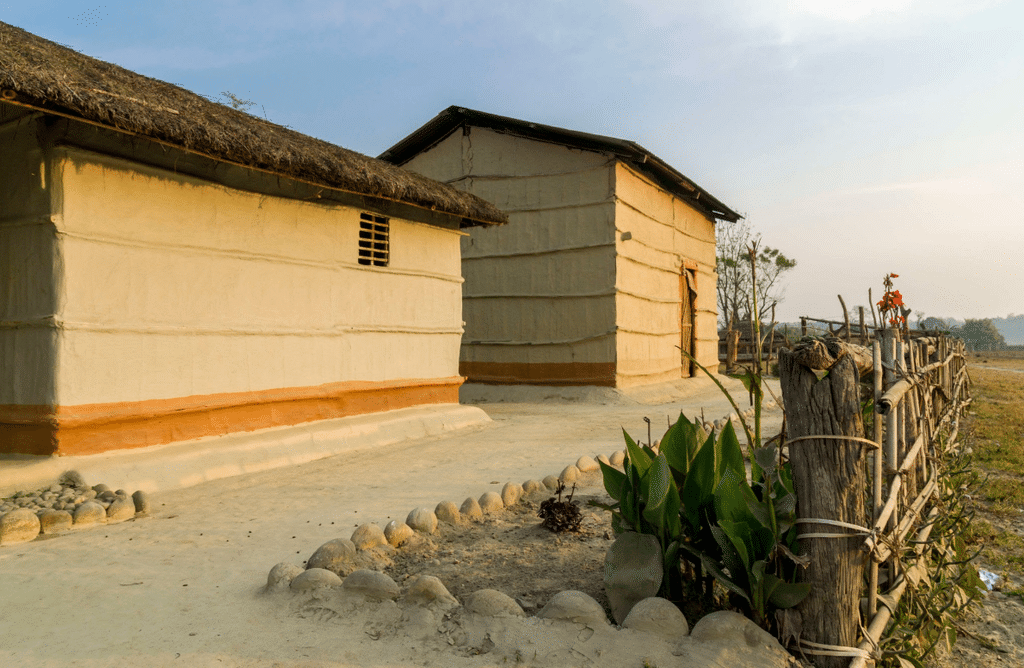
Walking through a Tharu village reveals long, mud-plastered communal houses built from bamboo, elephant grass, and clay. These structures feature:
- Natural Insulation: Thick mud walls and thatched roofs keep interiors cool in scorching summers and warm during winter months.
- Intricate Wall Paintings: Tharu women decorate exterior walls with geometric motifs, floral patterns, and animal depictions using natural earth pigments.
- Communal Living Spaces: Multi-generational families reside under large shared roofs, organizing rooms around central courtyards.
B. Performing Arts: The Famous Tharu Stick Dance
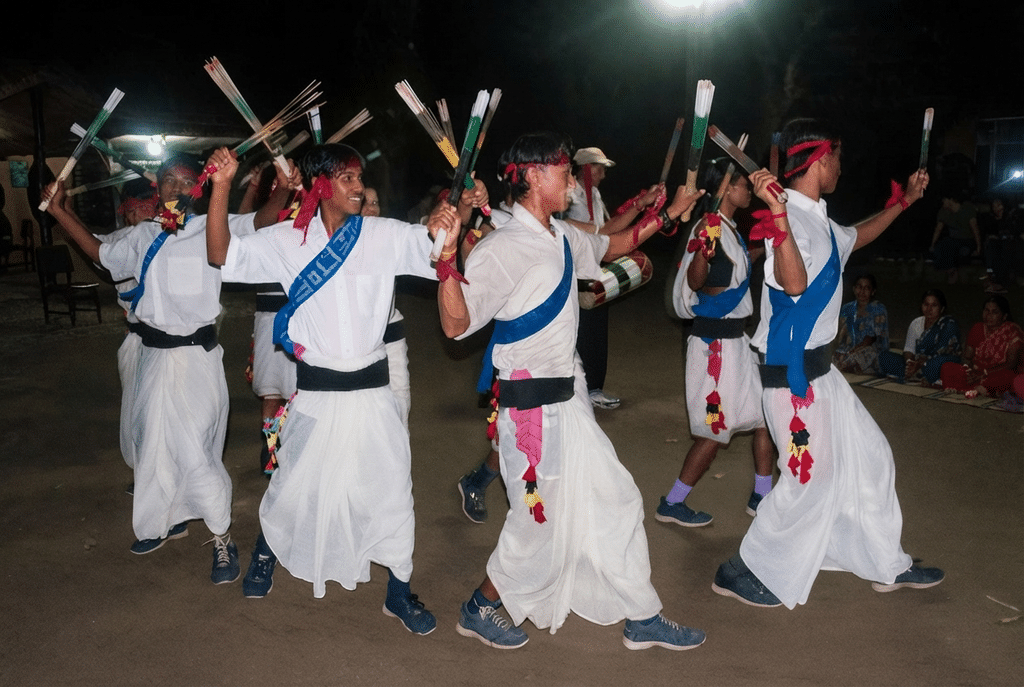
In the evening, cultural centers in Sauraha and local community halls host traditional Tharu dance performances. The highlight is the Tharu Stick Dance (Lathi Nach), a high-energy performance where dancers clad in white traditional attire sync rhythmic stick strikes with heavy drumbeats (Madal).
Other traditional dances include:
- Fire Dance: Dancers manipulate burning torches to symbolize courage and protection.
- Peacock Dance: Energetic movements imitating the grace of native birds in the nearby jungle.
- Jhumra Dance: A popular seasonal group dance performed during agricultural festivals.
C. Authentic Tharu Cuisine (Ghunghi and Dhikri)
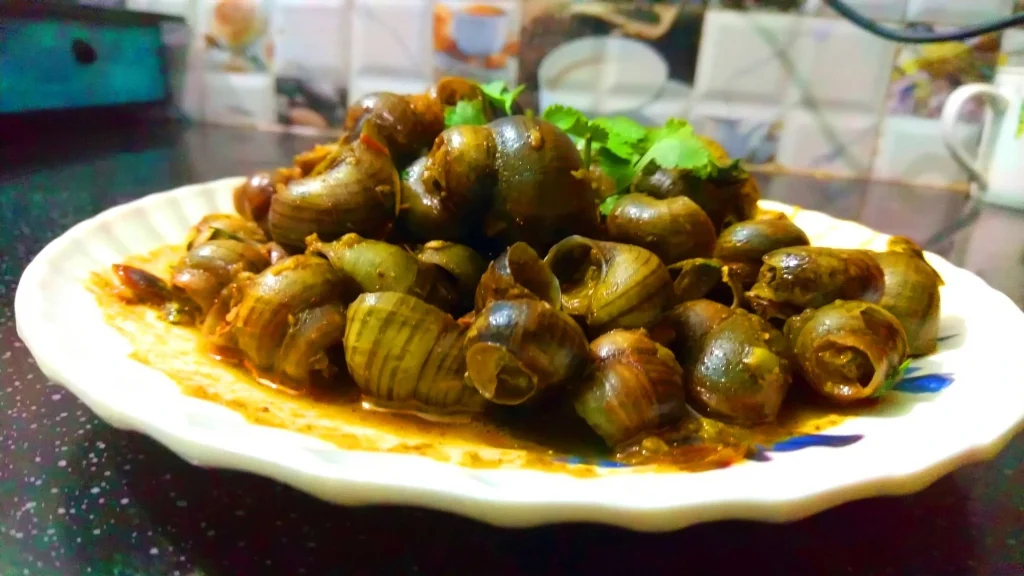
Food is central to understanding Tharu hospitality. A traditional meal highlights local river catches, rice crops, and forest greens:
| Traditional Tharu Dish | Key Ingredients & Description |
| Ghunghi | Edible freshwater snails cooked with local spices and flaxseed powder. |
| Dhikri | Steamed rice-flour dough sticks served with spicy chutney or lentil soup. |
| Chichchar | Sticky steamed rice prepared from native aromatic rice varieties. |
| Anadi Rice Beer | Locally brewed traditional beverage made from fermented sticky rice. |
3. Best Places to Experience Tharu Culture in Nepal
| Destination | Primary Highlights | Travel Style |
| Chitwan (Sauraha & Meghauli) | Cultural centers, Tharu Village Museum, ox-cart rides, village homestays. | Highly accessible, family-friendly |
| Bardiya (Thakurdwara) | Authentic community homestays, untouched rural lifestyle, peaceful atmosphere. | Immersive, off-the-beaten-path |
| Kailali & Kanchanpur | Far-western Tharu festivals (Maghi), traditional crafts, authentic village life. | Deep cultural immersion |
4. Responsible Cultural Tourism Guidelines
To ensure your visit directly benefits local communities:
- Book Community Homestays: Choose indigenous-owned homestays where income goes directly to local families.
- Respect Photography Etiquette: Always ask permission before photographing villagers, children, or household interiors.
- Support Local Artisans: Purchase hand-woven baskets, handmade clay crafts, and traditional textiles directly from village makers.
- Participate in Local Festivals: Plan visits around Maghi (Tharu New Year in mid-January) to witness grand feasts, traditional rituals, and community celebrations.
Frequently Asked Questions
What is a Tharu cultural experience in Nepal?
A Tharu cultural experience allows travelers to immerse themselves in the indigenous lifestyle, architecture, performing arts, and traditional food of the Tharu people living near Chitwan National Park and Bardiya National Park in Nepal’s Terai region.
Where is the best place to experience Tharu culture in Nepal?
The most popular destinations are Sauraha and Meghauli in Chitwan for accessible village tours and cultural programs, and Thakurdwara in Bardiya for authentic, off-the-beaten-path community homestays.
What is the famous Tharu Stick Dance (Lathi Nach)?
The Tharu Stick Dance (Lathi Nach) is a high-energy traditional performance where dancers clash bamboo sticks in rhythmic patterns to the beat of drums (Madal). Originally tied to harvest celebrations, it is now performed during festivals like Maghi and at evening cultural shows.
What are the main dishes in traditional Tharu cuisine?
Signature Tharu dishes include Ghonghi (spiced freshwater snails), Dhikri (steamed rice-flour dough dumplings), Chichchar (steamed sticky rice), and locally brewed rice beer (Anadi or Jand).