


Nepal is a land of beautiful diversity. It holds many ancient communities with deep heritages. The Magar people are among Nepal’s oldest indigenous nationalities. They primarily live in the scenic hills and mid-hills. Their lifestyle remains closely connected to nature, folklore, and ancestral land.
Exploring Magar culture and cuisine reveals an amazing world. Their culture revolves around strong community bonds, spiritual traditions, shamanic practices, and rich culinary heritage. This guide provides an authentic look into their unique traditions and culinary secrets.
The Roots of Magar Identity
The Magar community has a proud and long history in Nepal. Renowned for their bravery, the Magar people have a rich warrior heritage. Many serve with great honor in global military regiments. Yet, their internal community life is peaceful and highly cooperative.


┌─────────────────────────────────────────────────────────┐
│               THE FOUNDATION OF MAGAR IDENTITY          │
├─────────────────────────────────────────────────────────┤
│ • Social Unity: Governed by traditional community rules │
│ • Martial History: Celebrated as brave Gurkha warriors  │
│ • Land Connection: Deeply tied to the beautiful hills   │
└─────────────────────────────────────────────────────────┘
They have their own languages and distinct social structures. Magar settlements stretch from the western river basins to the eastern hills. No matter where they live, they keep their core identity alive. They pass down values from one generation to the next with great pride.
Fascinating Traditions of Magar Culture and Cuisine
The spiritual life of the Magar people is very unique. It shows a beautiful blend of multiple belief systems.
Animism and Nature Worship
At its core, Magar spirituality is based on animism. They worship nature, ancestral spirits, and supernatural forces. They believe that spirits reside in rivers, trees, and massive mountains. Therefore, they treat the environment with immense respect.
Over many centuries, their practices merged with Hinduism and Tibetan Buddhism. This created a beautiful syncretic faith. For example, Magar priests serve as the primary caretakers at famous historical shrines. The legendary Manakamana temple is a prime example of this tradition. Devotees of all backgrounds receive blessings from these respected Magar priests.
The Powerful Shamanic Cult
Shamans hold a vital place in the daily life of the community. The Magar people call their faith-healers Dangar. Meanwhile, spiritual leaders known as Rama or Jhakri perform important healing, ceremonial, and community rituals.
┌─────────────────────────────────────────────────────────┐
│               SHAMANIC ROLES IN THE COMMUNITY           │
├─────────────────────────────────────────────────────────┤
│ │ Dangar: Focuses heavily on spiritual healing        │ │
│ │ Rama / Jhakri: Conducts social and sacred rituals   │ │
│ └─────────────────────────────────────────────────────┘ │
└─────────────────────────────────────────────────────────┘
The Magar people believe the spirits bestow a sacred gift on those called to become shamans. It is a spontaneous yet hereditary path. During sacred rituals, the shaman wears a stunning ceremonial dress. Shamans often decorate this ceremonial attire with beautiful wild bird feathers. During rituals, they enter deep trances to communicate with the spirit world. Through these ceremonies, they pray for good health, abundant harvests, and protection from natural disasters.
Major Festivals That Define Magar Life
Festivals are the beating heart of Magar culture and cuisine. They bring families together to sing, dance, and share traditional meals.
Maghe Sankranti
This is the grandest annual festival for the Magar community. It takes place in mid-January every year. The festival marks an important seasonal transition for livestock and farming. It is a joyful time to welcome married daughters back to their ancestral homes. Families gather to exchange blessings and eat together. The air fills with laughter and the rich aroma of traditional cooking.
Bhume Puja
Also known as Bal Puja, this festival is a beautiful celebration of the Earth. It is especially popular among the Kham Magars of western Nepal. They worship the earth mother, local forests, and clean water sources. They pray for protection for their cattle and prosperous crops. The festival features rhythmic drumming and beautiful group dances.
Rhythmic Music and Traditional Governance
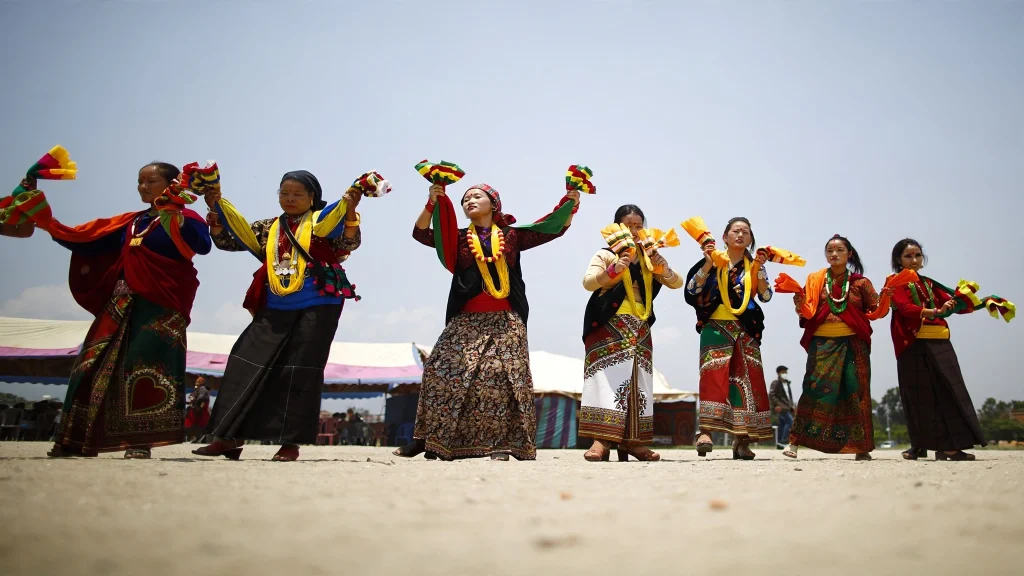
Music and dance run deeply through the veins of every Magar individual. They have created iconic folk dances that are famous across Nepal.
Folk Dances of the Hills
The Kaura and Sorathi dances are energetic and deeply expressive. Dancers wear vibrant traditional clothing and move to the beat of the Khainjadi drum. Other styles include Ghatu, Salaijeu, and Jhabre. These musical performances tell stories of ancient history, love, and seasonal farming cycles.
The Bheja System
The Magar people maintain social harmony through an ancient community-based democratic system. In some regions, they call it Bheja, while in others, they know it as Pancha-Taluk. This group consists of trusted community members. They manage local resources, organize festivals, and resolve disputes peacefully. It keeps the community bonded and strong.
The Flavors of Traditional Magar Cuisine
The culinary side of Magar culture and cuisine is an absolute delight. It showcases a brilliant use of organic hill crops and traditional preservation methods.
┌─────────────────────────────────────────────────────────┐
│               STAPLES OF THE MAGAR TABLE                │
├─────────────────────────────────────────────────────────┤
│ • Batuk: Savory, crisp black lentil patties             │
│ • Dhido: Nutritious, dense porridge from millet flour   │
│ • Sekuwa: Perfectly wood-fired spiced meats             │
│ • Kodo-ko-Raksi: Pure, traditionally distilled alcohol  │
└─────────────────────────────────────────────────────────┘
1. Batuk (The Iconic Lentil Patty)
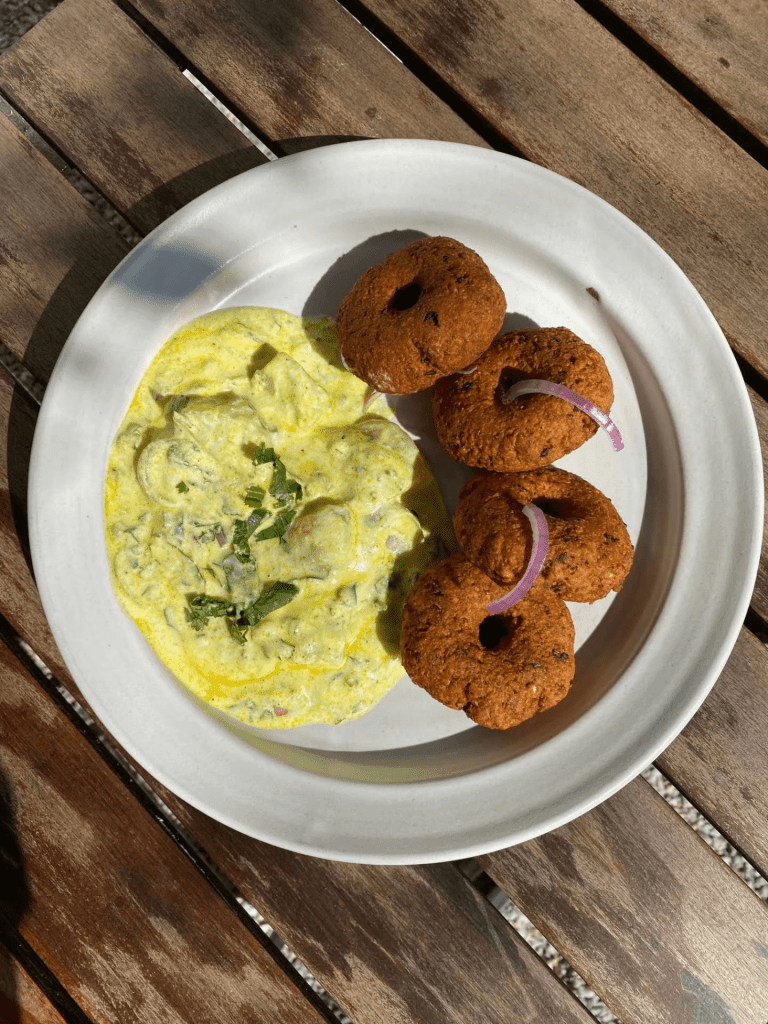
Batuk is the ultimate culinary symbol of the Magar people. It is a savory, golden-brown lentil patty. People often refer to it generally as Bara. It is shaped like a western doughnut with a distinct hole in the middle.
To make authentic Batuk, cooks soak black lentils for more than 24 hours before carefully washing away the outer skins by hand. They then grind the lentils into a thick paste using a traditional stone mortar. Next, they mix in fresh ginger paste, turmeric, and salt before shaping the mixture by hand and deep-frying it until golden and crisp. The result is beautifully crunchy on the outside and wonderfully soft inside. It is full of healthy plant proteins.
2. Spiced Meats: Sekuwa and Sukuti
Meat plays a central role in traditional festive menus. Domestic pork and wild boar are highly prized delicacies. Magar cooks are absolute masters of making Sekuwa. This dish consists of spiced meat skewered and charred over open wood fires. Another favorite is Sukuti, which is dried meat jerky sauteed with fiery mountain herbs.
3. Dhido and Local Greens
In the rugged hills, rice can be quite difficult to grow. Therefore, hardy grains like millet and buckwheat became daily staples. Dhido is a thick, nutritious porridge made by stirring flour into boiling water. Magars love to pair fresh Dhido with wild greens, spicy pickles, or rich meat gravy.
4. Kodo-ko-Raksi and Tarul
No major celebration is truly complete without Kodo-ko-Raksi. This is a potent, clear alcohol made by distilling fermented millet. It is served socially as a sign of warm hospitality. During Maghe Sankranti, it is paired with boiled Tarul (wild yam) and hot Batuk. This combination provides incredible warmth during the cold winter months.
Why This Culinary Heritage Deserves Global Attention
Modern food trends are moving fast toward local, organic ingredients. Traditional Magar food fits this description perfectly. It uses wholesome grains, natural proteins, and zero artificial preservatives.
Eating Batuk from a traditional leaf plate (tapari) is a memorable experience. It connects you directly to the ancient history of the Himalayan foothills. Promoting these dishes helps preserve indigenous knowledge. It also creates exciting new opportunities for sustainable food tourism in Nepal.
Conclusion: Embracing Magar Culture and Cuisine
In conclusion, Magar culture and cuisine represents a beautiful, enduring treasure of Nepal. Their nature-worshipping rituals and vibrant dances bring people together. At the same time, their delicious foods like Batuk offer unforgettable flavors.
Preserving these traditions ensures that Nepal’s rich heritage stays alive. If you ever visit the hills of Nepal, seek out an authentic Magar kitchen. Sip some warm millet raksi, taste a crispy Batuk, and immerse yourself in their wonderful hospitality!
Frequently Asked Questions
What is the main food of the Magar community?
The most famous traditional food is Batuk, a savory black lentil patty. They also enjoy millet porridge called Dhido, grilled Sekuwa meat, and wild yams.
Why is Batuk shaped like a doughnut?
Batuk is shaped with a distinct hole in the middle to ensure even cooking. This traditional design helps the inside stay soft while the outside becomes perfectly crunchy.
What religion do the Magar people follow?
They practice a unique blend of animism, nature worship, Hinduism, and Buddhism. Shamanism is also deeply rooted in their daily spiritual life.
When is the best time to experience Magar culture and cuisine?
The absolute best time is during the Maghe Sankranti festival in mid-January. This is when communities prepare massive feasts and perform traditional dances across Nepal.