



Last updated: Friday, October 30, 2026. Weather is changing fast. Check official updates before you travel.
Rain is falling across much of Nepal, and snow is covering the high mountains. The cause is Cyclone Arnab, which weakened before it arrived. This Nepal weather and snowfall update explains what is happening now, which regions are affected, and what it means for your trip. If you are planning a trek, a city break, or a festival visit, read on.
The short version is reassuring. The storm has been milder than some early estimates suggested. Even so, the high Himalaya remain risky, and hundreds of trekkers are waiting out the snow. So, let’s look at the details.


What Is Happening Right Now?
Cyclone Arnab hit India’s east coast as a powerful storm. It then moved inland and weakened into a deep depression. According to the Department of Hydrology and Meteorology (DHM), it reached Nepal as a strong low-pressure system, along with some influence from westerly winds.
Skies have been cloudy across the country since Thursday. Persistent rain has fallen in the Kathmandu Valley since Thursday night. Light to moderate rain is forecast through Friday, with heavier bursts possible in some places.
How Strong Has the Storm Been?
So far, the effects have been relatively mild, according to DHM. In the 24 hours to Friday morning, the highest rainfall was 50.2 millimeters at the Roshi station in Kavrepalanchok. Many parts of Koshi, Madhesh, Bagmati, Gandaki, and Lumbini provinces received light to moderate rain.
Some private operators had predicted much more. One trekking operator estimated 100 to 200 millimeters of rain and up to 1.5 meters of snow. Official figures have not matched that so far. Treat private estimates as worst-case scenarios, and rely on DHM for the current picture.
The Official Forecast
DHM expects moderate rain and snowfall, with thunder and lightning, in most parts of the country on Friday and Saturday. Here is how it breaks down:
- Koshi, Madhesh, Bagmati, Gandaki, and Lumbini: Moderate rain, with snow at higher elevations. A few places may see heavy rain. One or two places could see very heavy rain or snowfall.
- Karnali and Sudurpashchim: Moderate rain and snowfall in many Himalayan and hill areas, with some hail. One or two spots may see heavy falls.
- Terai: Some areas may see strong winds.
- High mountains: Heavy snowfall, snowstorms, and avalanches remain a risk.
When Will It Ease?
DHM says the cyclone’s effects should ease from Saturday afternoon, October 31. Meteorologist Binod Pokharel noted that the heaviest rain in the eastern half of Nepal was likely from Friday afternoon through the night. Conditions should then gradually improve.
Commercial forecasts still show a possible thunderstorm in Kathmandu on Sunday afternoon. So, expect a gradual clearing, not an instant one.
Snowfall Across the Himalaya
Snow is the main concern for visitors. Let’s look at the regions.
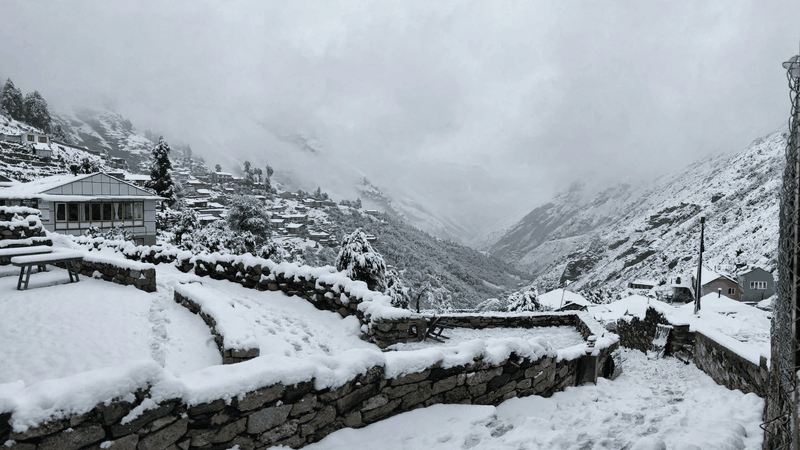
Kanchenjunga and Makalu: Trekkers Waiting It Out
In eastern Nepal, heavy snowfall at higher elevations and steady light rain lower down have stopped travel. About 250 domestic and international tourists are staying in villages along the Kanchenjunga trekking routes in Taplejung District.
Hotels in Ghunsa, Phale, and other settlements are crowded. Others are waiting in Yamphudin and nearby villages on the southern route. Separately, about 60 people, including trekkers heading for Makalu Base Camp via the Lumba Sumba Pass, are in Olangchungola.
The Chief District Officer said no disaster-related incidents had been reported. Visitors have been advised to prioritize safety and stay put until conditions improve.
Everest, Annapurna, and Manaslu
The storm’s clouds were expected to reach the high mountains of eastern Nepal, including Khumbu, from October 28. Snow is likely on high routes. For the Annapurna Circuit, passes such as Thorong La can close for a day or two after heavy snowfall.
Conditions were already difficult before this storm. Reports from mountaineering news outlets say several passes in the Annapurna and Manaslu regions were cut or in poor condition after an earlier storm and floods. In the Manaslu area, the lower valley is still recovering from the October 11 Budhi Gandaki flood, according to local operators.
Why Authorities Are Cautious
Nepal knows the danger of sudden snow. In October 2014, a snowstorm and avalanches killed at least 43 people, including trekkers on the Annapurna Circuit. That memory shapes today’s warnings.
Trekking: What You Need to Know
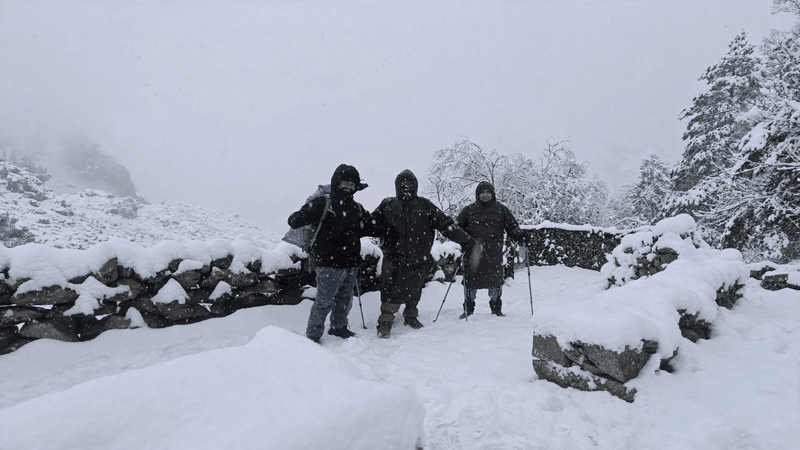
DHM has urged tourists not to travel to high-altitude areas during the adverse weather. Those already there should stay in safe places until it improves.
The Department of Immigration also suspended restricted-area trekking permits from October 29 to 31. This applies to areas such as Upper Mustang and Dolpo. It covers new permits, and officials urged even permit holders not to begin trekking in high-risk areas.
If You Are Already on the Trail
- Stay in your current village. Do not push on to cross a pass.
- Contact your guide and agency. Agree on a plan for the next two days.
- Conserve food, power, and cash. Mobile coverage can be unreliable.
- Keep warm and dry. Cold-related health problems are a real risk.
- Tell someone at home where you are and how you are doing.
If You Have Not Started
Delay your start by a few days if possible. Check with your agency before you leave. Accommodation along popular routes may be full, since stranded trekkers are filling lodges.
After the Snow
Trails can stay dangerous after snowfall stops. Fresh snow raises avalanche risk, hides the path, and slows progress. Ask your guide to judge conditions each morning. Waiting an extra day is almost always the safer choice.
Kathmandu, Pokhara, and the Lowlands
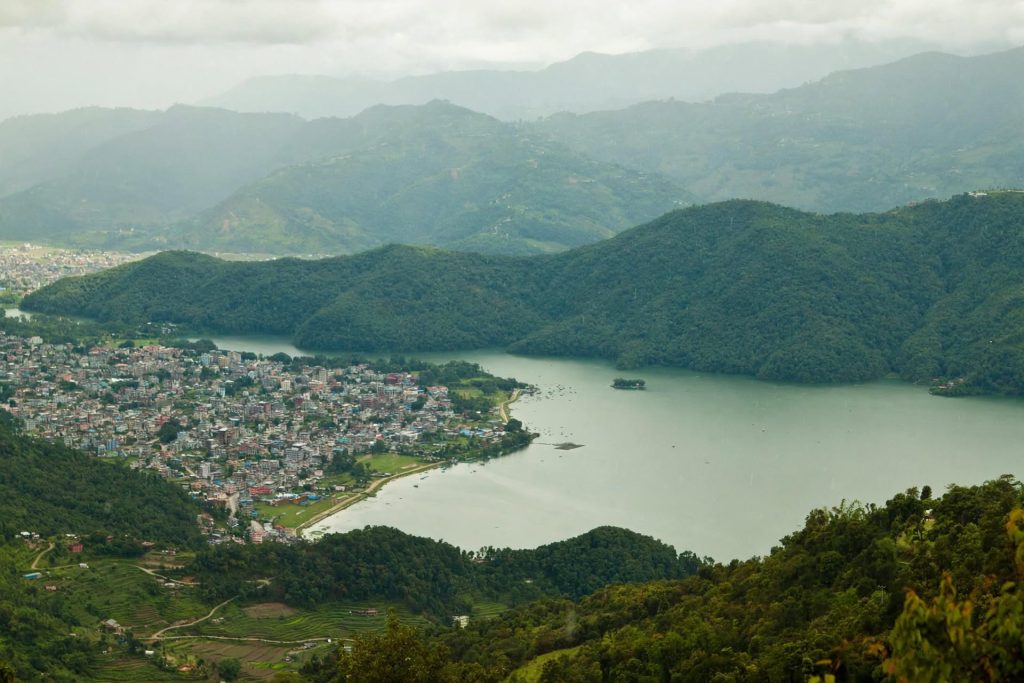
For most city visitors, this storm means rain, not danger. Still, it is worth planning around.
Kathmandu Valley
Expect cool, damp weather. Daytime temperatures are around the high teens Celsius on Friday, with chilly nights. Rain has disrupted daily life, and some people have struggled with commuting. Drizzle and showers may linger into the weekend.
Pokhara and Gandaki Province
Gandaki Province, which includes Pokhara, is forecast to see moderate rain and some heavy falls. Mountain views are likely to be hidden. Postpone sunrise trips to Sarangkot and scenic flights until skies clear. Paragliding is also unlikely in such conditions.
Chitwan and the Terai
The Terai may see moderate rain and some strong winds. Jungle safaris may be shortened or rescheduled. Check with your lodge.
Rain-Day Ideas in Kathmandu
- Visit museums, such as the Patan Museum or the National Museum.
- Book a cooking class or a thangka painting workshop.
- Try a spa or traditional massage.
- Settle into a tea house in Thamel or Patan and enjoy a cup of chiya.
Flights and Road Travel
Weather-dependent flights are the most vulnerable. Domestic mountain flights, such as those to Lukla, depend on clear visibility. Travel-industry outlets have reported disruption to mountain flights. I could not confirm the exact status from official sources. So, check directly with your airline before heading to the airport.
On the roads, heavy rain raises the risk of landslides and washouts. DHM has warned of possible road blockages. Local reports advise extra care on the Prithvi and BP highways.
- Avoid night driving in heavy rain.
- Check road status with local authorities before long trips.
- Allow extra time for delays.
- Landslide risk can continue for a day or two after rain stops.
- Consider postponing non-essential mountain road trips until Sunday or later.
What This Means for Tourism in Nepal
Autumn is peak trekking season, so timing matters. The storm has caused delays and cancellations, but it is short. Most of Nepal is still open, and city sightseeing continues.
There is also good news. Many guides note that clear skies often follow a big storm. Once the cloud lifts, views can be outstanding. November is typically dry, and cold clear mornings are common.
Plan Ahead for Tihar
Tihar, the festival of lights, runs from November 7 to 11, 2026. It begins with Kaag Tihar on November 7. Kathmandu will be decorated with lights, marigolds, and rangoli. If the weather clears, this is a wonderful time to visit.
Be Flexible
Build buffer days into your itinerary. This is wise for any trip in the mountains. Keep your travel insurance details handy, and confirm it covers weather delays and rebooking.
Quick Safety Checklist
- Check DHM forecasts every morning.
- Follow instructions from local authorities and your guide.
- Avoid high passes and avalanche-prone slopes until the snow settles.
- Carry warm layers, a rain jacket, a headlamp, and snacks.
- Keep your phone charged and share your location.
- Respect closures and advisories. They exist for a reason.
Final Thoughts
This Nepal weather and snowfall update shows a storm that is weaker than feared, but still disruptive. Rain is falling across the hills and plains. Snow has stalled trekkers in the east. Conditions should ease from Saturday afternoon, though some uncertainty remains. If you are in Nepal now, stay patient and stay safe. If you are arriving soon, the outlook is promising. After the clouds clear, Nepal’s mountains often look their best.
Frequently Asked Questions
What is the weather like in Nepal right now?
As of October 30, skies are cloudy nationwide. Rain is falling in the hills and Terai, and snow is falling in the high mountains. Kathmandu has seen persistent rain since Thursday night.
Is it snowing in the Himalaya?
Yes. Snow has fallen in higher elevations, including the Kanchenjunga region. Heavy snowfall, snowstorms, and avalanches remain a risk in high-hill and Himalayan areas.
Is it safe to trek in Nepal this weekend?
Officials advise tourists not to travel to high-altitude areas during the storm. Restricted-area permits are suspended until October 31. Postpone treks if you can, and check with your agency.
When will the weather improve in Nepal?
DHM expects the cyclone’s effects to ease from Saturday afternoon, October 31. Some showers may linger, so expect gradual clearing into Sunday.
Are tourists stranded in Nepal?
Around 250 domestic and international tourists are sheltering along the Kanchenjunga trekking routes, and about 60 are in Olangchungola. Authorities report no disaster-related incidents there.
Are flights in Nepal affected by the weather?
Mountain flights depend on visibility and may be delayed or cancelled. Confirm with your airline before traveling to the airport.
Should I cancel my trip to Nepal because of Cyclone Arnab?
Probably not. The storm is short and weaker than feared, and most of Nepal remains open. High-altitude plans may need adjusting, so talk to your agency.
What should I do if I am stuck in the mountains?
Stay in a safe village lodge, conserve supplies, stay in touch with your guide, and wait for conditions to improve. Do not attempt to cross passes.
Will the weather be good for Tihar?
Tihar runs from November 7 to 11. November is typically dry and clear, though forecasts can change. Check updates close to your travel dates.


