


At 6:15 on a June morning, the town below is already sweating. Down in Dharan the thermometer is climbing past 30 degrees and the air sits heavy over the Terai plains. Twenty minutes up the winding highway, a different world begins. Fog drifts across the road in slow ribbons, the temperature drops to a comfortable low-20s, and vendors are lighting stoves for the first tea of the day. This is Bhedetar, and the swing between the plains and this ridge is exactly why people keep coming back.
Sitting at 1,420 meters above sea level on the border of the Sunsari and Dhankuta districts, this ridge town is eastern Nepal’s favorite quick escape. It is close enough to reach in under an hour from Dharan, yet high enough to feel like you have left the heat and crowds behind entirely.
Where Bhedetar Sits and Why the Cool Air Matters
Here is what most guides won’t tell you: this place exists as a tourist town almost by accident. The settlement only really took off after the Dharan to Dhankuta highway was completed in 1982, which turned a quiet ridge into a natural rest stop for travelers heading into the eastern hills.


Geography does the heavy lifting here. Because the ridge straddles two districts and catches moisture rolling up from the plains, the weather flips fast. Locals like to say the fog can swallow the whole bazaar in minutes, then lift just as suddenly to reveal Dharan glittering below. That unpredictability is part of the charm. On a baking day in the southern plains, this hilltop often has cool winds and a serene, cloud-wrapped calm. Temperatures generally range from around 10 degrees Celsius in winter to roughly 25 degrees in summer, which is a genuine relief when the Terai is roasting.
The elevation also means layers. Bring a light jacket even in summer, because once the sun drops behind the ridge the temperature falls quickly and that famous mist rolls back in.
The Views: Everest, Makalu, and the Kanchenjunga Range
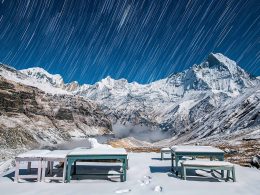
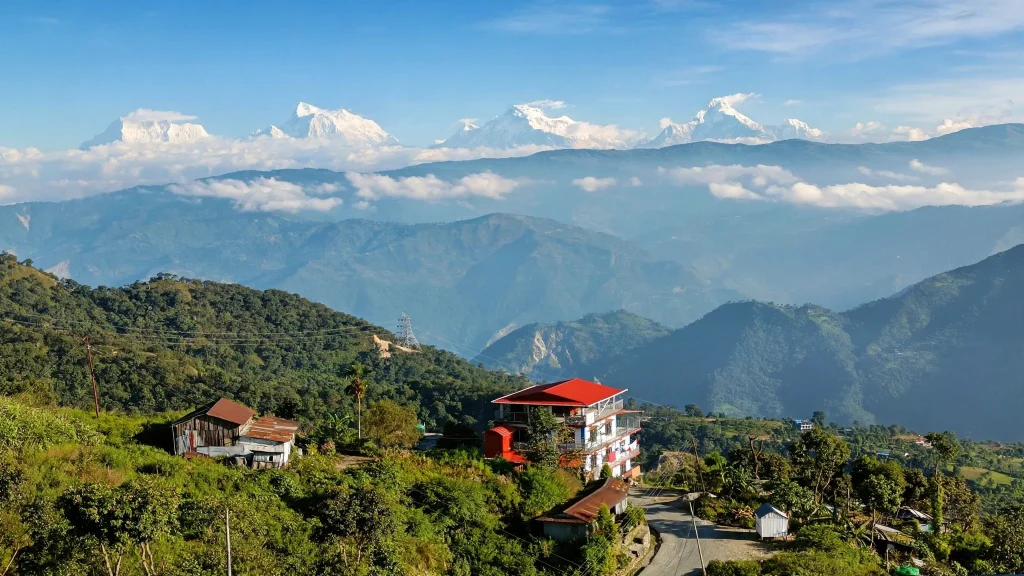
On a clear morning, the payoff is spectacular. Looking north from the ridge, you can pick out a lineup of Himalayan giants including Everest, Makalu, Kanchenjunga, and Kumbhakarna. Clear skies are the catch. Haze and cloud can hide the peaks for days at a stretch, so early mornings between October and December give you the best odds.
Sunrise is the moment to be awake for. As the light hits the snow, the whole northern horizon turns gold while the valleys stay pooled in shadow and fog. If mountain sunrises are your thing, the wider eastern hills reward the effort too, and you can read more about one of the best in our guide to Shree Antu and its Kanchenjunga sunrise viewpoint.
Charles Point and the Story Behind the Name
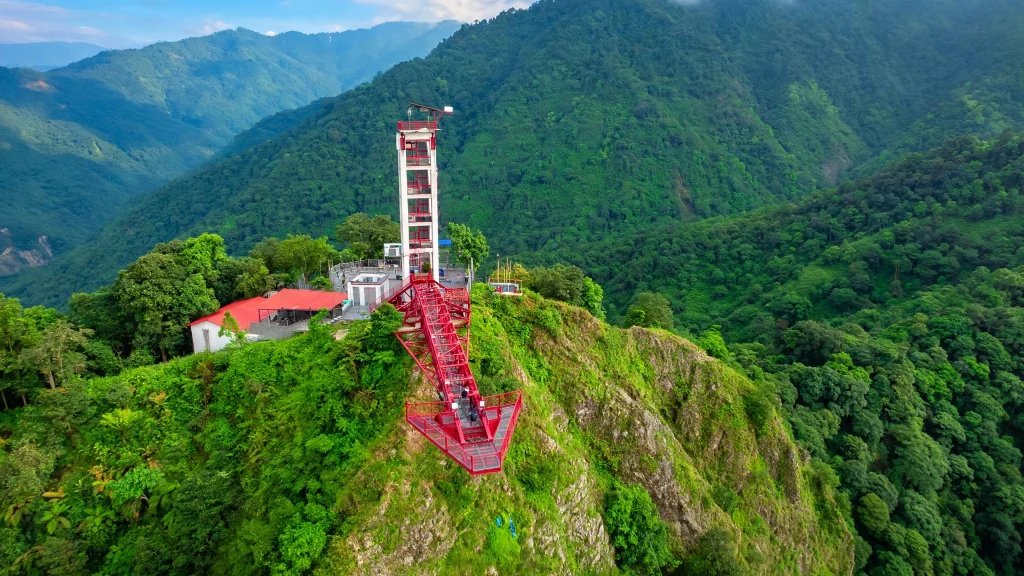
The western hilltop above Bhedetar bazaar is called Shailung Danda, but almost nobody uses that name anymore. Ask a local and they will point you to “Charles Point.” The reason is a bit of royal trivia: Prince Charles of the United Kingdom climbed to this spot during a visit in the 1980s, and the nickname stuck for good.
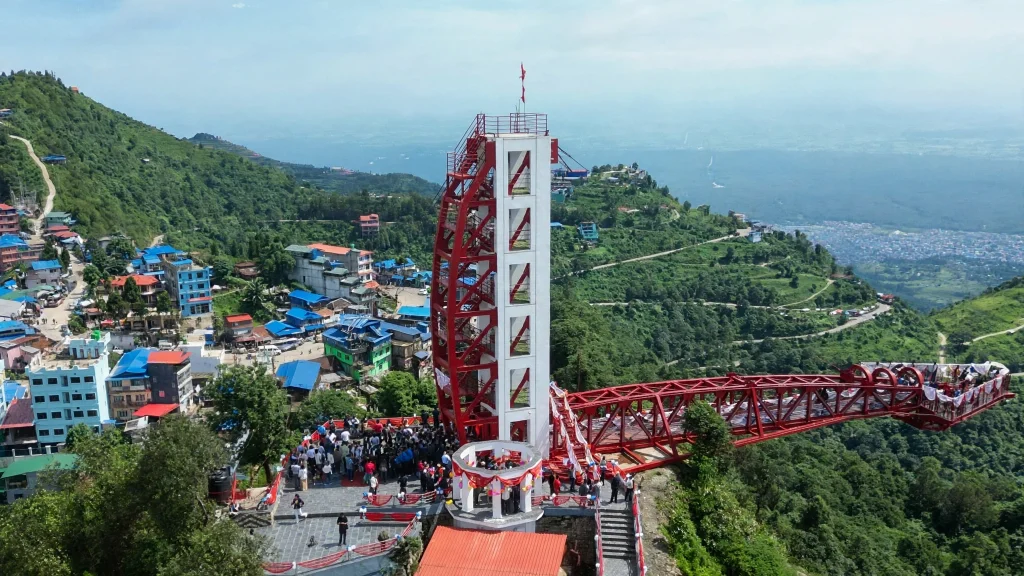
These days a viewing tower marks the site, and it is the obvious place to head for that wide sweep over hills, valleys, and distant peaks. It is a short walk or drive up from the main bazaar, and it works whether you want a sunrise, a sunset, or just a spot to sit with a cup of tea and watch the clouds move.
Things to Do Around Bhedetar
The town is small, but the area around it packs in more than a weekend can cover. A few highlights stand out.
Namaste (Simsuwa) Falls
Roughly a short drive from the bazaar, Namaste Falls drops about 80 meters down a forested cliff. Its shape is said to resemble hands pressed together in the traditional “namaste” greeting, which is how it got its name. Come on a bright day and you can sometimes catch a rainbow forming in the spray near the base. It is a favorite picnic and camping spot, and there is a natural pool for a cold dip if you are brave.
Namje Village
Higher up at around 1,585 meters, Namje is a Magar community village that earned real international attention. After being spotlighted by CNN as one of the world’s lesser-known destinations, it landed on the radar of travelers looking for authentic hill culture. Homestays here let you eat local food, learn about Magar traditions, and watch the weather change roughly every fifteen minutes, which locals swear is not an exaggeration.
Hiking and Birdwatching
The classic walk is the Bhedetar to Rajarani route, a moderate hike of around six hours through rhododendron forest and small villages. Birdlife is rich across these hillsides, so pack binoculars if that is your thing. For a broader look at trekking and slow travel through this corner of the country, our eastern Nepal travel guide covers the wider region.
Paragliding
Since around 2015, the ridge has grown into a paragliding spot thanks to stable thermals and good launch sites. During the peak flying window of roughly October to April, operators run a modest number of flights each month. It is far quieter than Pokhara’s busy scene, which is part of the appeal for anyone who wants the experience without the crowds.
How to Get to Bhedetar
Getting here is genuinely easy, which is the whole point of a quick hill escape.
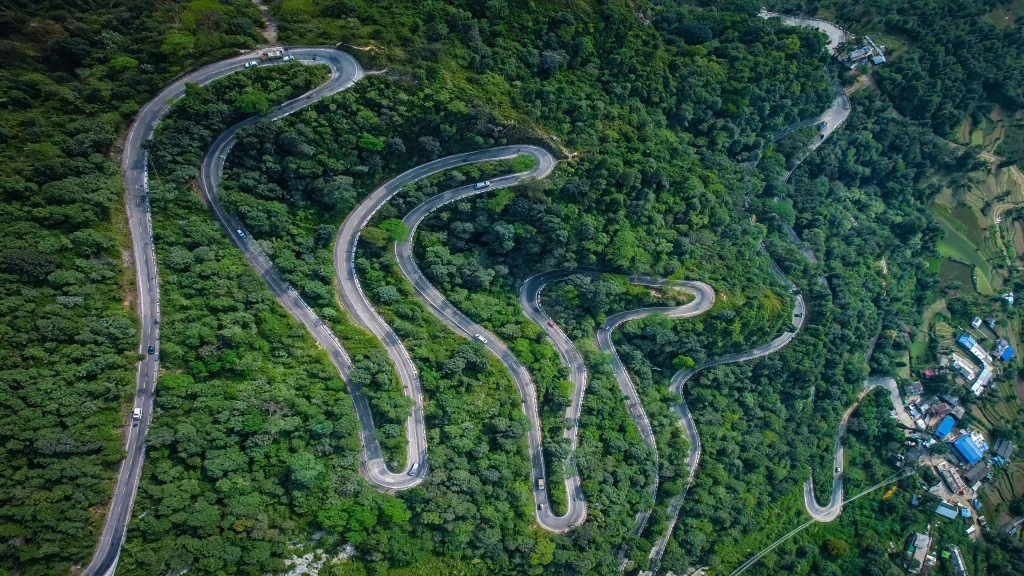
- From Dharan: Bhedetar sits about 16 km uphill along the Dharan to Dhankuta highway. Local buses, jeeps, and taxis run this stretch regularly, and the climb takes under an hour depending on traffic and fog.
- From Kathmandu: Long-distance buses run to Dharan, and the journey typically takes 12 to 15 hours. Options range from basic coaches to VIP sofa seats and AC sleeper buses. From Dharan you connect up to Bhedetar.
- By air: The fastest route is a flight from Kathmandu to Biratnagar, then a taxi or local vehicle to Dharan and up to Bhedetar. This cuts the overland slog down to a couple of hours on the ground.
A quick tip that saves headaches: if you are coming for the mountain views, build in flexibility. Fog and cloud can roll in for a full day, so giving yourself two nights rather than one dramatically improves your chances of a clear sunrise.
Where to Stay and What It Costs
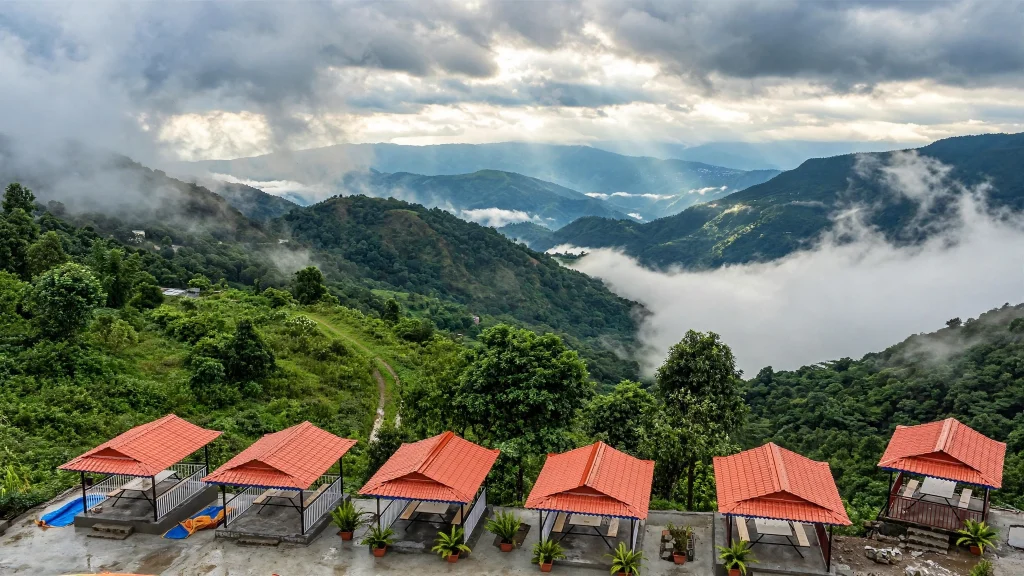
For a town its size, this hill station has a surprising spread of places to sleep. You will find everything from simple guesthouses to mid-range resorts with valley views. As of mid-2026, listings on major booking sites started at around 16 US dollars per night for budget rooms, with a rough average closer to 42 dollars depending on season and comfort level. Prices tend to dip during March, May, and June, so shoulder-season visits stretch your money further.
Many properties lean into the view, so it is worth asking for a north-facing room if the forecast looks clear. Restaurants around the bazaar serve a mix of Nepali staples and simple international fare, and the local tea shops are half the reason to linger.
If you want to string Bhedetar together with more of the eastern hills, the neighboring towns make a natural loop. Our guide to Hile and Dhankuta pairs perfectly with a Bhedetar stop, since they sit along the same highway.
Best Time to Visit Bhedetar
You can visit year-round, and each season has its own personality. That said, timing changes what you get.
For the clearest Himalayan views, aim for September to December, when post-monsoon skies are washed clean and the peaks show up sharp on the horizon. If you are mainly escaping the plains heat, March through June delivers cool, comfortable days. Monsoon months bring heavy green landscapes, dramatic fog, and thundering waterfalls, though views of the high peaks largely disappear behind cloud. Winter is crisp and quiet, with cold nights and some of the sharpest morning visibility of the year.
Practical Tips for Your Trip
- Pack layers. Even summer evenings get cool once the mist settles over the ridge.
- Wake up early. The best mountain views almost always come right after sunrise, before haze builds.
- Carry some cash. Small tea shops, local buses, and village homestays may not take cards.
- Give it two nights. One clear morning is never guaranteed, so a buffer day pays off.
- Combine destinations. Namje, Namaste Falls, Hile, and Dhankuta are all close enough to bundle into one trip.
Before you go, it is worth checking current travel advisories and destination information through the official Nepal Tourism Board site, and you can read more background on the town itself via its Wikipedia entry.
Frequently Asked Questions About Bhedetar
How high is Bhedetar?
Bhedetar sits at about 1,420 meters above sea level, on the border of the Sunsari and Dhankuta districts in eastern Nepal. That elevation is what gives it cool air and frequent fog, even when the plains below are hot.
How far is Bhedetar from Dharan?
It is roughly 16 km uphill from Dharan along the Dharan to Dhankuta highway. Local buses, jeeps, and taxis cover the route, and the drive usually takes under an hour depending on road and weather conditions.
Can you see Everest from Bhedetar?
Yes, on a clear day. From the ridge you can spot several Himalayan peaks including Everest, Makalu, Kanchenjunga, and Kumbhakarna. Cloud and haze can hide them for days, so early mornings from October to December offer the best chance.
What is Charles Point in Bhedetar?
Charles Point is the popular name for Shailung Danda, the western hilltop above the bazaar. Prince Charles of the United Kingdom climbed it during a visit in the 1980s, and the nickname has stuck ever since. A viewing tower now marks the spot.
What is the best time to visit Bhedetar?
September to December is best for clear mountain views, while March to June is ideal for escaping the plains heat. Monsoon brings lush scenery and full waterfalls but obscures the high peaks, and winter offers crisp air with cold nights.
Is Bhedetar good for paragliding?
It has developed into a quiet paragliding destination since around 2015, with stable thermals and good launch sites. The main flying season runs roughly October to April, and it is far less crowded than Pokhara.
Where should I stay in Bhedetar?
Options range from budget guesthouses to mid-range resorts. As of mid-2026, rooms started around 16 US dollars per night with an average near 42 dollars, and prices tend to be lower in March, May, and June. Ask for a north-facing room for the best valley and mountain views.
What else can I visit near Bhedetar?
Namaste Falls, the Magar village of Namje, and the Bhedetar to Rajarani hiking route are all close by. The nearby hill towns of Hile and Dhankuta also pair well with a Bhedetar visit since they sit along the same highway.