



Kathmandu Valley is one of South Asia’s most dynamic and accessible food destinations. Tucked within a historic Himalayan basin, Nepal’s capital blends ancient indigenous cooking traditions with diverse international flavors, making it easy to hop between vastly different culinary worlds within minutes.
Whether you are seeking time-honored recipes, spicy street food, or sophisticated fine dining, Kathmandu Valley promises a memorable food adventure.
1. Deep Indigenous Traditions Meets Local Comforts
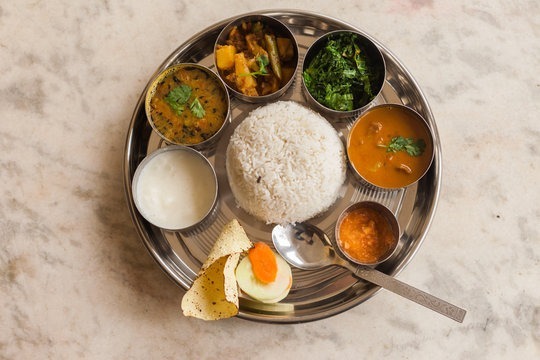
The heart of Kathmandu’s food scene lies in its local cultures:


- Newari Gastronomy: The valley’s indigenous Newar community has spent centuries perfecting dishes based on mustard oil, fermentation, and smoking. Highlights include Samay Baji (a ceremonial platter centered on beaten rice, flame-grilled choila, lentil patties, and black soybeans) and Chatamari (a crispy rice-flour crepe topped with seasoned minced meat or egg).
- Thakali Delights & Dal Bhat: The famous Dal Bhat (lentil soup with rice and vegetable curries) reaches its peak in Thakali eateries, cooked in brass cookware and finished with aromatic wild jimbu herbs.
- Himalayan Street Staples: Piping-hot Jhol Momos (dumplings floating in a tangy sesame-tomato broth), chilled spicy Laphing noodles, and comforting bowls of Thukpa.
2. World Flavors Right Next Door
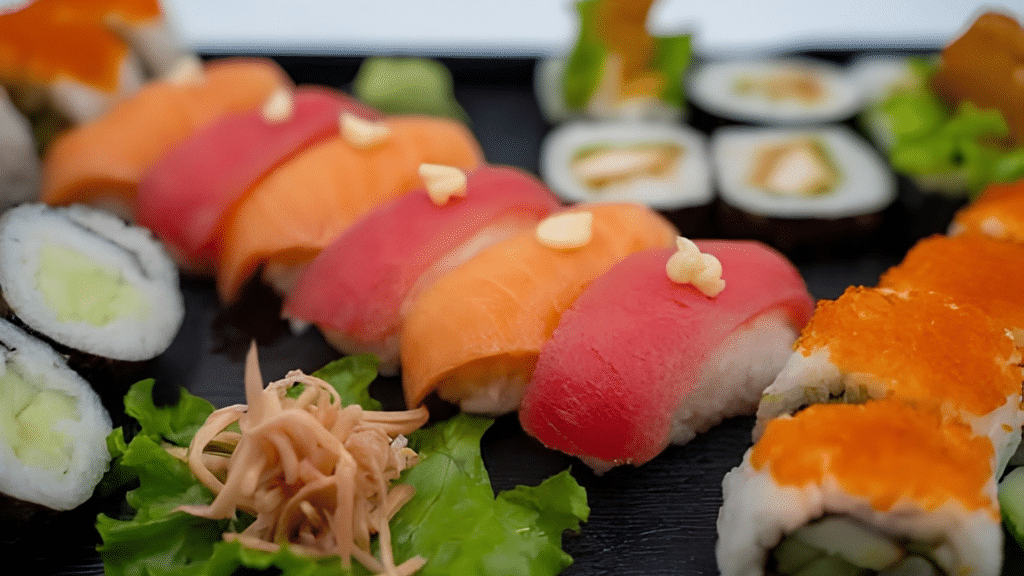
What makes Kathmandu unique for travelers is how seamlessly local eateries sit alongside global cuisine hubs:
| Hub | Highlights & Vibe | Key Culinary Specialties |
| Thamel | Energetic tourist core | Wood-fired pizzas, Mexican, Japanese sushi, bakery cafes |
| Jhamsikhel (“Jhamel”) | Relaxed expat district | Craft breweries, organic farm-to-table, artisan bakeries |
| Boudha | Spiritual Stupa surroundings | Himalayan monastery kitchens, laphing stalls, butter tea |
| Lazimpat & Durbarmarg | Upscale avenues | High-end Indian dining, fine wines, luxury hotel lounges |
3. Spirits, Beverages & Sweet Finishes
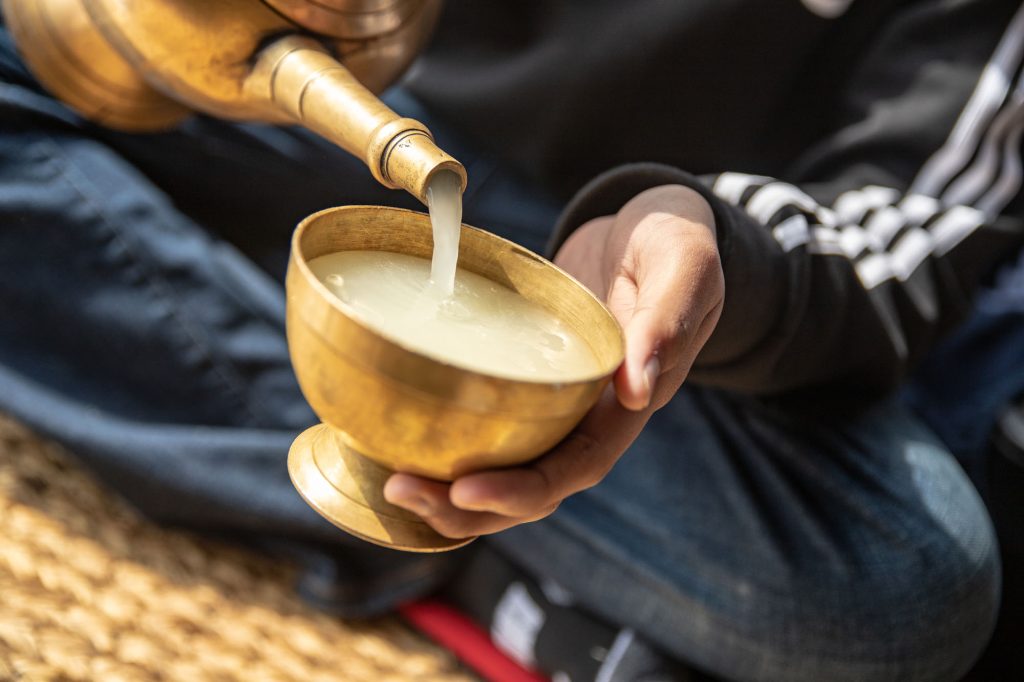
Local Brews & Spirits
- Aila: A potent, home-distilled Newari rice or millet liquor, served pouring from a high spout into small clay cups (Kholcha).
- Tongba: A warm, fermented millet drink served in a large wooden vessel; hot water is poured over the grains and sipped through a perforated bamboo straw.
- Nepali Chiya: Creamy black tea spiced with ginger, cardamom, and cinnamon.
Desserts & Curds
- Juju Dhau (“King Yogurt”): Hailing from historic Bhaktapur, this rich, thick, custardy yogurt is fermented in porous clay pots that absorb excess liquid.
- Sel Roti: A ring-shaped rice-flour bread, deep-fried to create a crispy exterior and soft, sweet interior.
4. Practical Tips for Visitors
- Dietary Needs: Vegetarian and vegan choices are abundant throughout the city. Vegetable momos, lentil platters (bara), and Dal Bhat are naturally plant-based or easy to order without dairy. Halal options are readily available near central tourist areas and around the downtown mosque district.
- Water Safety: Always drink bottled, boiled, or properly purified water. Avoid raw tap water in all forms.
- Choosing Street Food: Select stalls with high foot traffic and high food turnover to ensure your meals are cooked hot and fresh on the spot.
- Cash Payments: While larger establishments accept cards, carry small cash notes for local market stalls, tea shops, and street vendors.
Conclusion
Kathmandu Valley is an extraordinary paradise for food lovers. It provides a rare blend of indigenous Newari culinary history, hearty mountain comfort foods, and an expansive international dining scene. Within a single neighborhood, you can step out of a traditional brick eatery serving hot Jhol Momo or flame-grilled Choila and walk directly into an artisan bakery, a sushi bar, or a wood-fired pizzeria. Whether you are grabbing street snacks in bustling historic alleys or sitting down for fine dining in Durbarmarg, eating your way through Kathmandu offers an unforgettable taste of Nepal’s vibrant culture and warm hospitality.
Frequently Asked Questions
What food is Kathmandu most famous for?
Kathmandu is world-famous for Momos (Nepali dumplings filled with meat or vegetables) and Dal Bhat (the national staple of lentil soup, rice, and curry). It is also celebrated for indigenous Newari cuisine, including Samay Baji platters, Chatamari (rice-flour crepes), and Choila (spiced grilled meat).
Is street food in Kathmandu safe to eat?
Yes, street food can be safe if you follow a few basic rules:
- Eat at stalls with high customer turnover so food is made fresh to order.
- Stick to piping-hot, freshly cooked items like fried samosas, fresh momos, or cooked sekuwa.
- Avoid uncooked toppings, unpasteurized dairy, raw salads, or tap water mixed into dishes.
Is tap water safe to drink in Kathmandu?
No. Tap water in Kathmandu is not safe for direct drinking. Always opt for sealed bottled water, treated water, or freshly boiled water/tea. Most tourist-facing cafes and restaurants use filtered or UV-treated reverse osmosis (RO) water.
Can vegetarians and vegans easily find food in Kathmandu?
Absolutely. Nepal’s staple dishes, such as Dal Bhat, vegetable momos, Bara (lentil pancakes), Chatamari, and vegetable curries, are naturally vegetarian and easily adapted for vegan diets.
What is the average price of a meal in Kathmandu?
- Local street food / small tea shops: NPR 100 to NPR 300 ($0.75 – $2.25 USD)
- Mid-range cafes & local restaurants: NPR 400 to NPR 900 ($3.00 – $6.75 USD)
- High-end fine dining / luxury hotels: NPR 1,500 to NPR 4,000+ ($11.00 – $30.00+ USD)
What drinks should I try in Kathmandu?
Popular non-alcoholic drinks include Nepali Chiya (spiced milk tea) and fresh yogurt Lassi. For local alcoholic beverages, try Aila (strong Newari distilled rice spirit) or Tongba (warm fermented millet served in a wooden vessel with hot water refills).


