



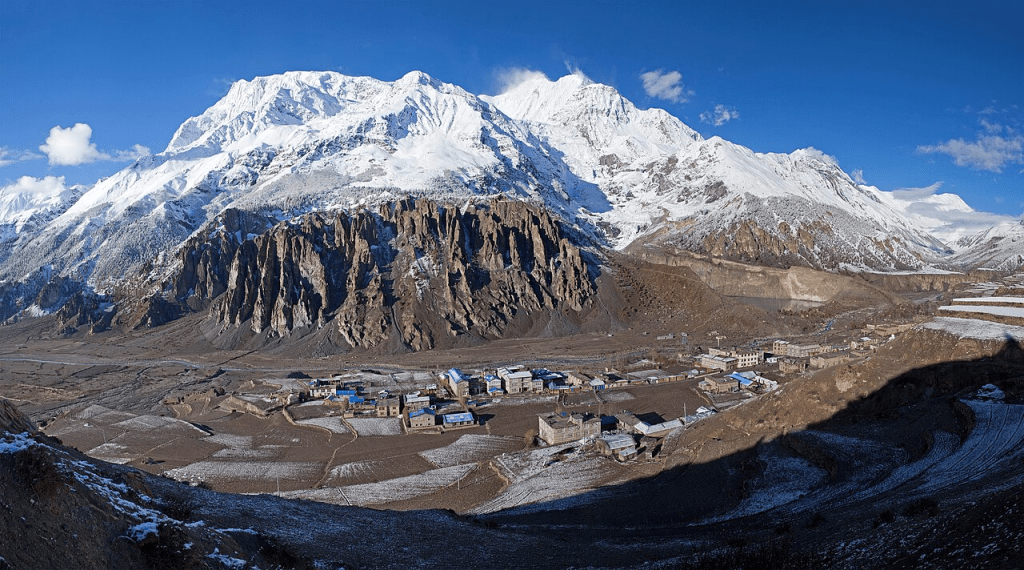
More attempts at the Annapurna Circuit fall apart over altitude than over fitness, and the fix is almost always the same: a proper stop in Manang Valley. Sitting at roughly 3,540 meters behind the towering wall of the Annapurnas, this high desert village is the rest point that makes or breaks the whole trek. It also happens to fall inside a rain shadow, which keeps the monsoon out and the light pouring in, giving the place a sun-baked, almost Tibetan feel you will not find anywhere else in Nepal. Few stops on the entire circuit are stranger or more rewarding, and it works as both a destination and a launchpad.
Here is what most guidebooks bury in a footnote: Manang is not just a rest stop on the way to Thorong La. It is a place worth slowing down for on its own terms.
Why Manang Valley Feels Like Another Country
Geography does something unusual up here. The Annapurna massif blocks the rain clouds rolling up from the south, so by the time weather reaches Manang, most of the moisture is gone. What you get instead is a landscape that looks more like Tibet or Ladakh than the green hills of lower Nepal. Stone houses with flat roofs. Prayer flags snapping in a wind that never quite stops. Yaks grazing on scrubby pasture below glaciers that hang off Gangapurna and Annapurna III.


Culturally, the region leans Tibetan Buddhist. The people here, often called Manangis, have a long history as traders and travelers, and many families still split their year between the high valley and warmer lowland cities. You will notice it in the food, the gompas, and the unhurried way people move. Altitude teaches patience whether you want the lesson or not.
And the views. From the village you can see Gangapurna, Annapurna III, and the sharp wedge of Tilicho Peak. On a clear morning the whole skyline glows orange before the valley floor warms up. That is the payoff for getting yourself this high.
How to Get to Manang
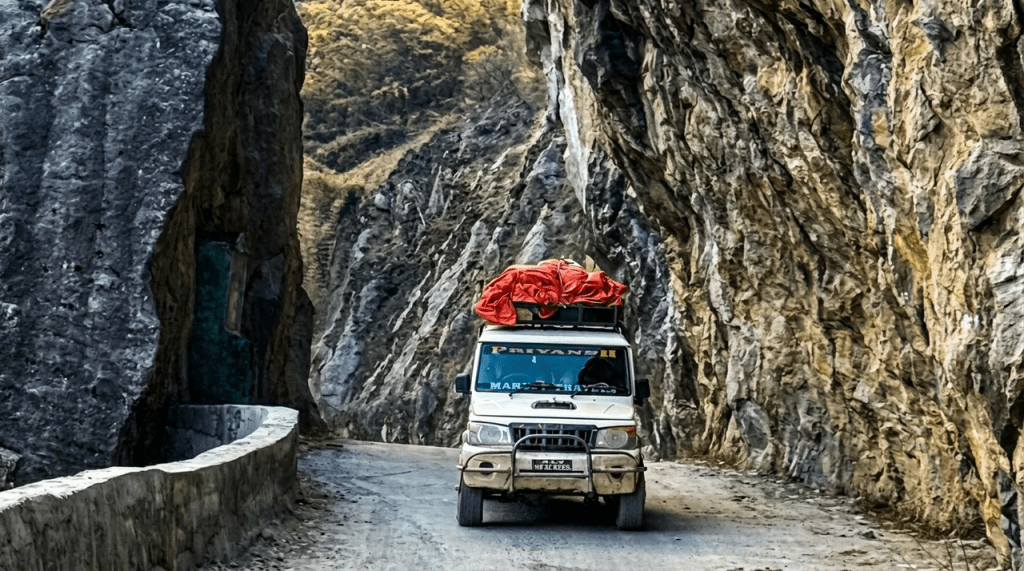
Getting here has changed a lot in the last decade, and not everyone agrees the change was for the better. The road from Besisahar now runs all the way to Manang, and a jeep covers that distance in roughly six to seven hours when conditions are good. During the monsoon, sections turn rough and landslides can close the route for hours or days, so flexibility matters.
You have a few options. Take the jeep the whole way if time is short. Ride to Chame and walk the rest, which many trekkers do as a compromise. Or skip the vehicles and trek the classic route from Besisahar through Ngadi, Bhulebhule, and Chame, a walk of roughly six to seven days that lets your body climb gradually. That last option is slower, but it is also the safest for acclimatization, and the scenery shifts beautifully from subtropical river gorge to alpine desert as you gain height.
Our honest take: if you can spare the days, walk at least the upper section. Arriving in Manang by jeep in a single day from low elevation is a recipe for a pounding headache, and you came too far to spend your visit feeling sick.
Permits You Need Before You Go
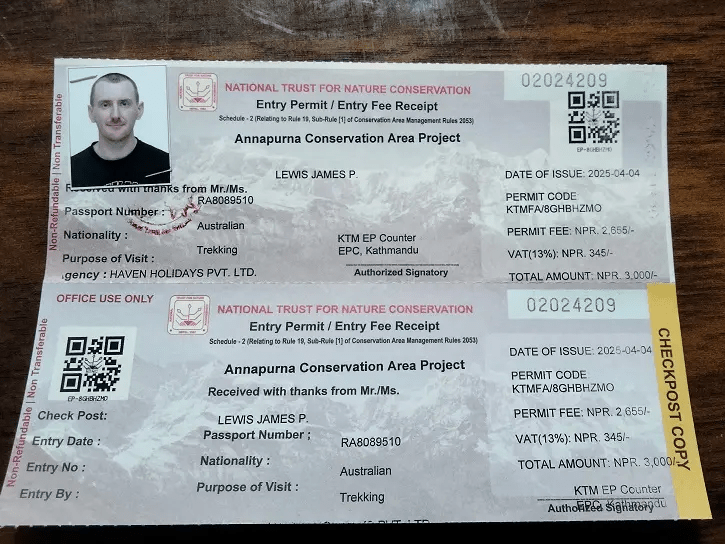
Paperwork for this region is simpler than it used to be, but you still need the essentials sorted before you start. The Annapurna Conservation Area Permit, or ACAP, is the big one. As of early 2025, the ACAP fee was NPR 3,000 (around 23 US dollars) per person for foreign nationals, with SAARC nationals paying NPR 1,000 and children under 10 going free. You show this permit at multiple checkpoints along the circuit, including Besisahar, Dharapani, Chame, and Manang itself, so keep it accessible.
The old TIMS card requirement was dropped for Annapurna trekkers back in April 2023, which removed a step that used to confuse first-timers. Rules do shift, though, and a licensed guide is now mandatory for most high-altitude trekking routes in Nepal. For the full breakdown of what each document costs and where to buy it, our Nepal trekking permits guide walks through the current process step by step.
You can verify the latest official requirements through the Nepal Tourism Board, and the conservation area itself is managed by the National Trust for Nature Conservation, which oversees ACAP.
The Real Reason You Stop in Manang: Acclimatization
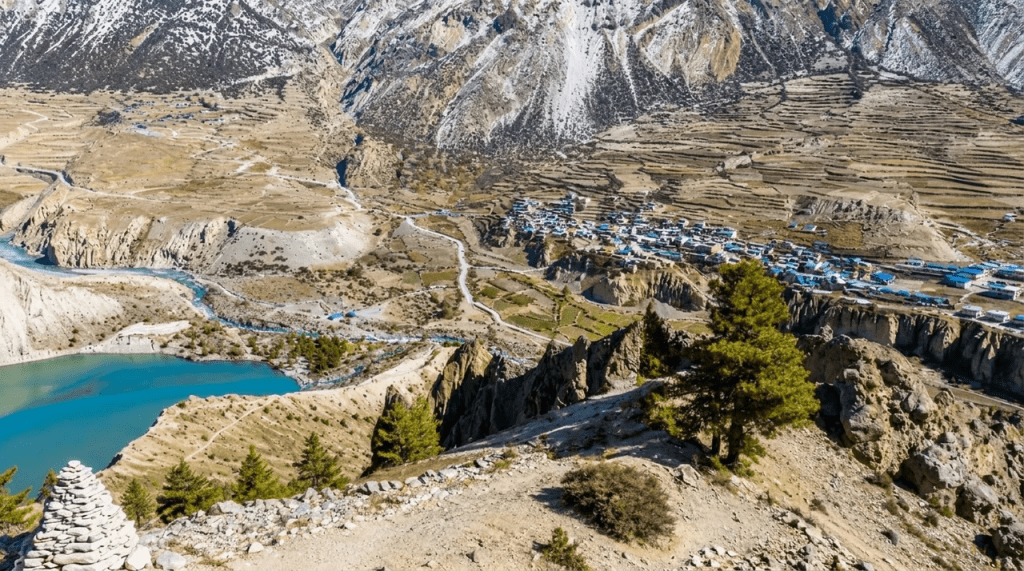
Thorong La Pass sits at 5,416 meters. That number should scare you a little, because it is high enough that going up too fast can land you in serious trouble. Manang Valley exists on every sensible itinerary as the place where you stop, breathe, and let your blood chemistry catch up. Skipping it is where most circuit attempts go wrong.
Standard practice is two nights in the village with a full rest day in between. A rest day does not mean lying in bed, though. It means a short climb to higher ground during the day followed by a return to sleep at village altitude, the method known as climb high, sleep low. Your body adapts to the thin air without you having to commit to staying up there overnight.
A few rules worth tattooing on your brain. Once you pass 3,000 meters, try not to gain more than 300 to 400 meters of sleeping altitude per day. Drink three to four liters of water daily, and add electrolytes if you can. Walk slowly, the way Nepali guides do, a steady shuffle that looks almost lazy but eats up distance without wrecking you. Altitude sickness does not care how fit or young you are. Plenty of marathon runners get hit harder than out-of-shape retirees, often because the fit ones charge uphill too fast.
Manang even has a Himalayan Rescue Association post that runs free talks on altitude sickness during trekking season. Go listen. The information is genuinely useful, and it could save your trek or your life.
Best Things to Do Around Manang Valley
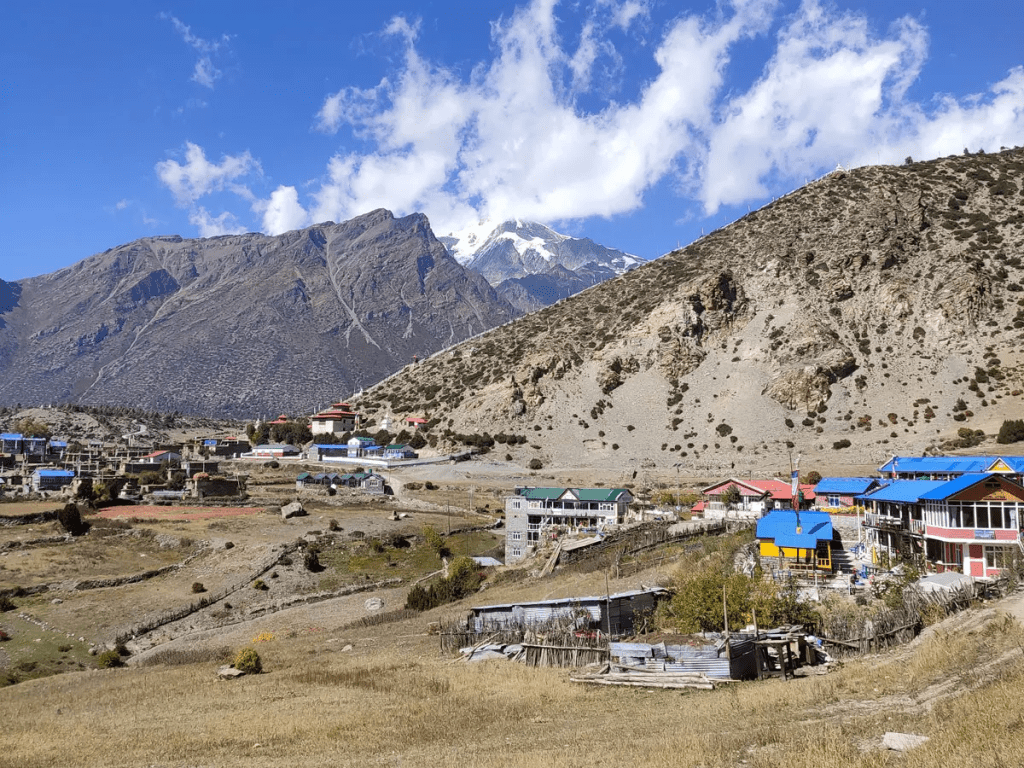
Rest days here are some of the best on the whole circuit, because the side trips double as acclimatization. Here are the standouts.
- Ice Lake (Kicho Tal): The big one. Sitting at about 4,620 meters, this turquoise lake is reached by a steep hike from Braga village, roughly 15 kilometers round trip and around 8 hours of walking. The reward is a panorama of Annapurna II, III, IV, Gangapurna, Tilicho Peak, and the Chulu range. Brutal climb, unforgettable view.
- Gangapurna Lake: An easy, short walk from the village to a glacial lake at around 3,540 meters, fed directly by the Gangapurna glacier. Good for a low-effort afternoon when you want movement without exhaustion.
- Braga Monastery: A 500-year-old gompa perched above Braga village at roughly 3,450 meters. Ancient statues, old manuscripts, and a quiet that feels earned.
- Praken Gompa: A short, steep hike to a hillside monastery above Manang with sweeping valley views. A popular acclimatization stroll.
For the ambitious, Tilicho Lake at 4,919 meters is one of the highest lakes in the world and can be tackled as an extended side trip from the valley. It adds days and demands more acclimatization, so plan it carefully rather than tacking it on as an afterthought.
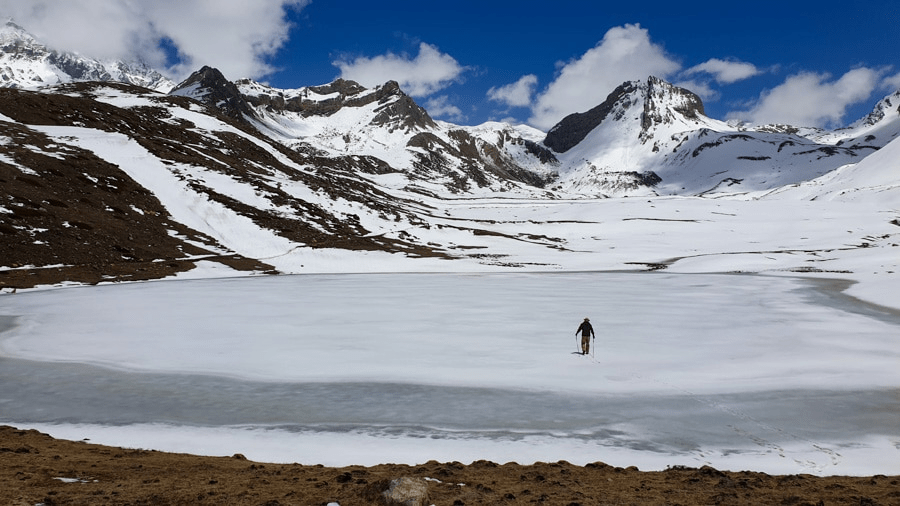
When to Visit Manang Valley
Because Manang sits in a rain shadow, it stays drier than almost anywhere else in the central Himalayas, which makes the timing question a little different from the rest of Nepal. Autumn, from late September through November, brings the clearest skies and the busiest trails. Spring, March through May, runs a close second with warmer days and rhododendron blooms lower down.
Winter is cold and many teahouses shut, but the rain-shadow effect means the valley sees less snow than you might expect, and committed trekkers do go. Monsoon season, roughly June through August, soaks the lower approach with rain and landslides, yet Manang itself stays relatively dry once you climb above the cloud line. That quirk is exactly why some travelers head up here when the rest of the country is drowning. If you are weighing seasons across the country, it pays to check the month-by-month picture before locking in dates.
How Manang Compares to Other High Himalayan Escapes
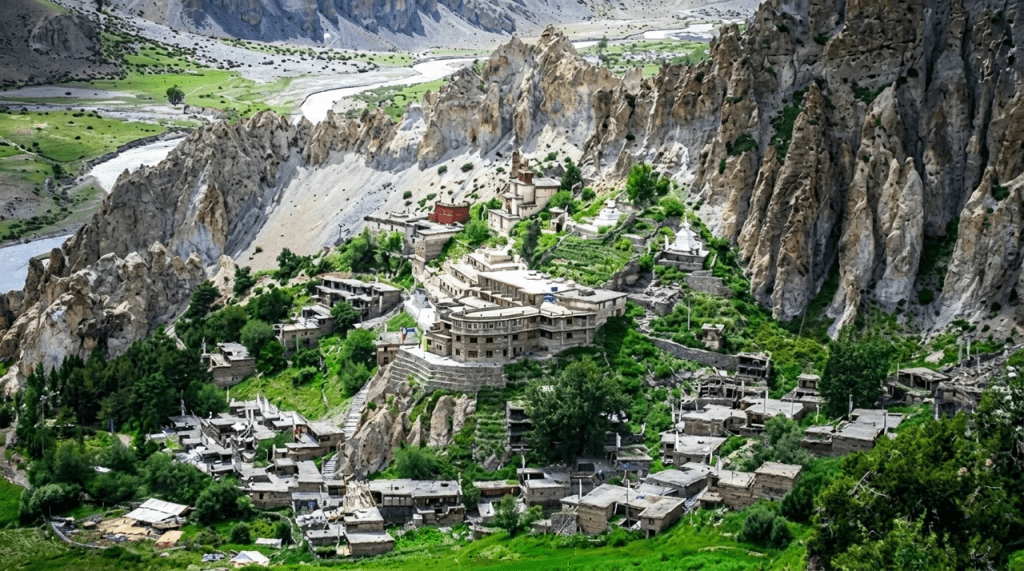
If the dry, Tibetan-flavored landscape is what draws you, Manang is not your only option. The neighboring region of Mustang offers an even more dramatic high desert, with eroded cliffs and a walled former kingdom. Our Mustang travel guide digs into how that region differs, mostly in remoteness, cost, and the special permits it requires.
Manang wins on accessibility and on the sheer drama of the Thorong La crossing that follows it. Few places let you go from apple orchards to a 5,400-meter pass in the span of a week, all while staying inside one connected trekking route.
Frequently Asked Questions
How high is Manang Valley?
The main village of Manang sits at about 3,540 meters (11,614 feet). Surrounding side trips like Ice Lake and Tilicho Lake climb considerably higher, to 4,620 and 4,919 meters respectively.
Do I need a permit to visit Manang?
Yes. You need the Annapurna Conservation Area Permit (ACAP), which as of early 2025 cost roughly NPR 3,000 for foreign nationals. The separate TIMS card is no longer required for Annapurna trekkers, but a licensed guide is now mandatory on most high-altitude routes.
Can I drive all the way to Manang?
You can. A jeep from Besisahar reaches Manang in about six to seven hours when the road is clear. Many trekkers still prefer to walk at least the upper section from Chame, both for the scenery and for safer acclimatization.
How many days should I spend in Manang?
Plan for at least two nights, with a full rest day in between for acclimatization before continuing toward Thorong La. Add extra days if you want to attempt Tilicho Lake or take it slow.
Is Manang safe for first-time trekkers?
It is, provided you respect the altitude. Ascend gradually, hydrate well, and do not skip the rest day. Most problems on this route come from rushing the climb, not from the terrain itself.
What is the weather like in Manang?
Dry and sunny by Himalayan standards, thanks to the rain shadow. Days can be warm in the sun while nights drop below freezing at altitude. Even during the monsoon, the valley stays drier than the green hills to the south.
Can I trek to Manang during the monsoon?
Yes, and some travelers specifically choose it because the rain shadow keeps the valley relatively dry. The catch is the lower approach road, which gets muddy and landslide-prone, so build in buffer days and stay flexible.
How does the Annapurna Circuit compare to Everest Base Camp?
Both are world-class, but they offer different experiences in terrain, culture, and difficulty. Our comparison of the Annapurna and Everest Base Camp treks breaks down which one suits which kind of traveler.


