



Why does Nepal celebrate the same New Year three times in three months? It does not. Three separate communities observe three separate New Years, on three different calendars, and the word they share is the reason visitors keep collapsing them into one event. Understanding the difference between Tamu Lhosar, Sonam Lhosar and Gyalpo Losar tells you which community you are among, what you are actually watching, and when to show up.
Each has its own date rule, its own animal cycle, its own food, and its own history. Getting them mixed up is common. Getting them right changes how a visit lands.
What the Word Means, and Why It Repeats
Lhosar comes from two syllables in Tibeto-Burman languages spoken across Nepal’s hills and mountains. “Lho” means year, and “sar” means new or changed. Any community using a Tibetan-derived twelve-year animal calendar can call its New Year a Lhosar. Several do.


Nepal recognizes three of them separately. Government holiday lists name Tamu Lhosar, Sonam Lhosar and Gyalpo Lhosar as distinct entries, on distinct dates, because they belong to distinct peoples. Treating them as one festival with three dates misreads the whole thing.
Note the spelling drift you will see in Nepal. Lhosar, Lhochhar, Losar and Loshar all appear in print, sometimes on the same street banner. No single spelling is authoritative in English.
The Short Comparison
| Festival | Primary communities | Date rule | Next dates | Where you are most likely to see it |
|---|---|---|---|---|
| Tamu Lhosar | Gurung (Tamu) | Fixed: Poush 15 in the Bikram Sambat calendar | December 30, 2026 | Kaski, Lamjung, Gorkha, Manang, Pokhara, Tundikhel in Kathmandu |
| Sonam Lhosar | Tamang, Hyolmo | Lunar: first day of the bright fortnight of Magh, near the second new moon after the winter solstice | February 7, 2027 (was January 19, 2026) | Boudha, Swayambhu, Tundikhel, Rasuwa, Nuwakot, Dolakha, Helambu |
| Gyalpo Losar | Sherpa, Tibetan-heritage communities, Bhutia, and some Tamang households | Tibetan lunar calendar, usually one lunar month after Sonam Lhosar | March 9, 2027 (was February 18, 2026) | Boudhanath, Solukhumbu, Mustang, Tibetan settlements in Kathmandu and Pokhara |
Dates above follow Nepal’s published holiday calendar for Bikram Sambat 2083. Lunar dates can shift by a day between committees and between Nepal and India, so confirm locally in the week before if your trip depends on it.
Tamu Lhosar: The Gurung New Year
Tamu Lhosar is the easiest of the three to plan around, because it does not move. It falls on Poush 15 every year, which lands on December 30 in most Gregorian years. Gurung people call themselves Tamu in their own language, and the festival carries that name rather than the exonym.
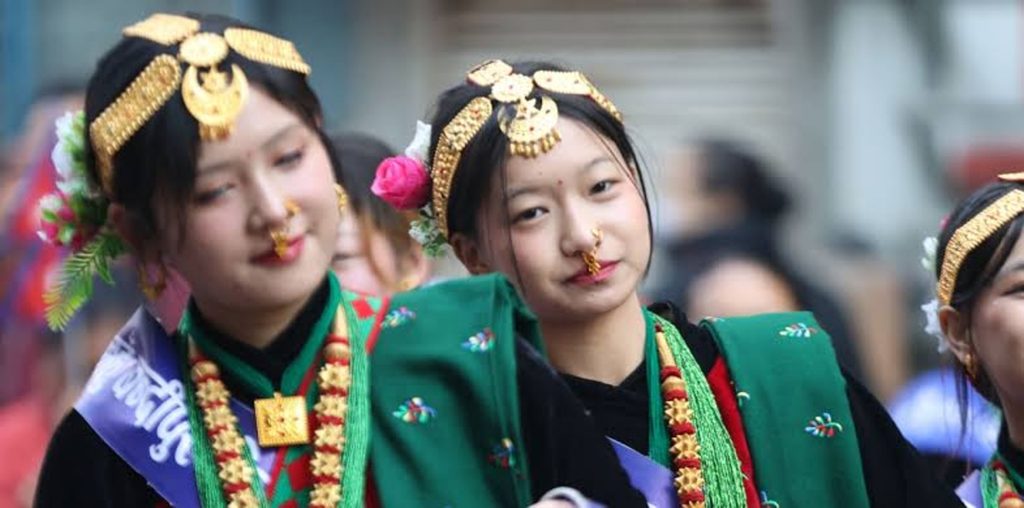
Gurung communities are concentrated in the middle hills of central and western Nepal. Kaski, Lamjung, Gorkha, Syangja and Manang districts hold the densest celebrations, and Pokhara functions as the urban center of the festival. In Kathmandu, the main public gathering has historically been at Tundikhel, with cultural programs, community stalls and processions in traditional dress.
The Gurung animal cycle is not the Tibetan one
Here is the detail almost every general travel article gets wrong. Gurung tradition uses a twelve-year cycle called Lohokor, and its animals differ from the Tibetan set. Commonly listed are the garuda or eagle, serpent, horse, sheep, monkey, bird, dog, deer, mouse, cow, tiger and cat.
Compare that with the Tibetan cycle used for Gyalpo Losar: mouse, ox, tiger, rabbit, dragon, snake, horse, sheep, monkey, bird, dog and boar. Deer and cat appear in the Gurung list and not the Tibetan one. Dragon and rabbit appear in the Tibetan list and not the Gurung one. Same idea, different animals, different peoples.
What you would actually see
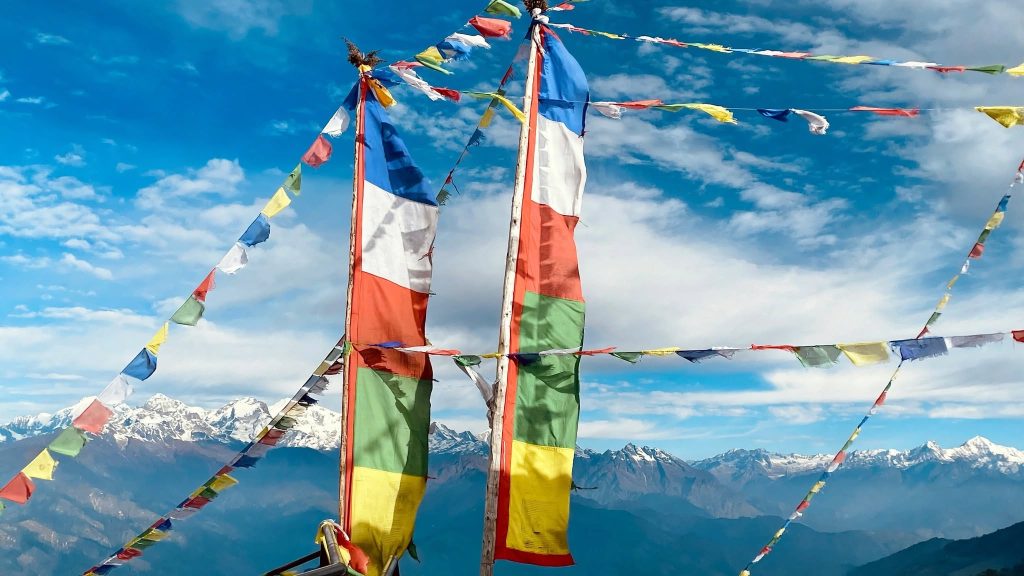
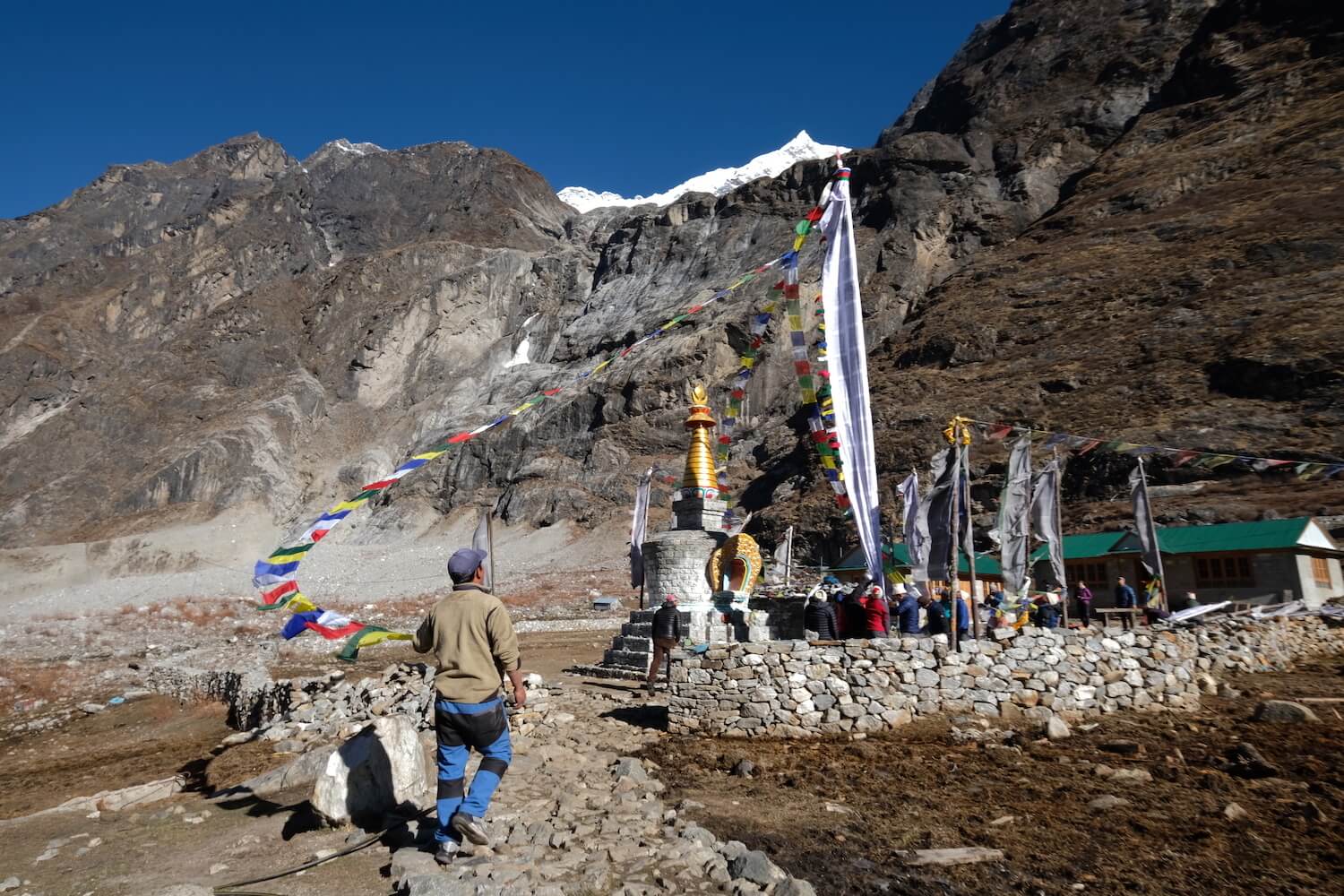
- Families raising new prayer flags at home and at stupas, including Swayambhunath and Boudhanath in the Valley
- Ghatu and Chudka dances, performed by community groups rather than staged for ticket holders
- Community feasts, with meat dishes, sel roti and locally brewed drinks in many households
- Rodhi-style group singing in some villages, where the older youth-house tradition survives
Practices vary by village and by family. Some Gurung households observe Bon-influenced rituals with a pachyu or klehpri priest. Others follow Tibetan Buddhist practice with lamas. Plenty do both, and a few do neither in any formal way.
Sonam Lhosar: The Tamang and Hyolmo New Year
Sonam Lhosar belongs primarily to Tamang people, who are the largest single ethnic group in the Kathmandu Valley’s surrounding hills, and to Hyolmo people of the Helambu region. Sikkim and Darjeeling observe it too.
Its date follows the moon. Sources describe it as Magh Shukla Pratipada, the first day of the bright fortnight of Magh, around the second new moon after the winter solstice. In 2026 that fell on January 19. For 2027 Nepal’s holiday calendar places it on February 7, listed as Magh 24 in Bikram Sambat 2083. A month of drift between years is normal for a lunar festival and is not an error in the listing.
Sound is the marker
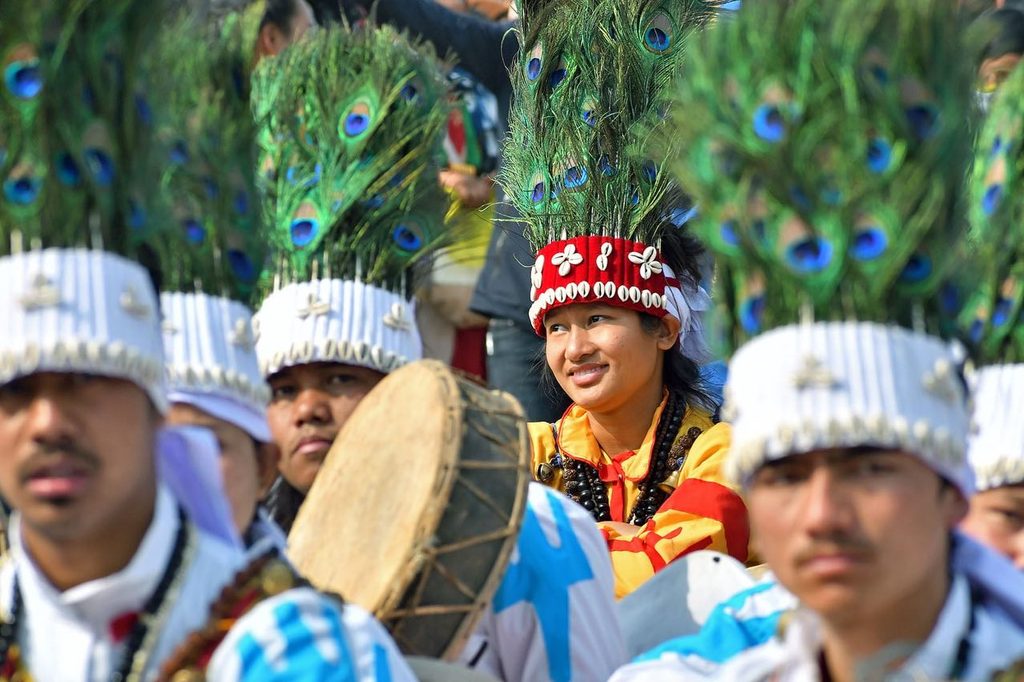
If you are in Kathmandu around Sonam Lhosar, you will hear it before you see it. Damphu, the round single-headed Tamang frame drum, sets the rhythm for Tamang Selo songs, and syabru circle dancing draws in whoever is standing nearby. Boudha, Swayambhu and Tundikhel host the largest public programs in the Valley.
Households clean thoroughly before the day, visit monasteries, and seek blessings from elders. Foods commonly named include khapse, the fried dough biscuit shared across Himalayan communities, along with babar and thongsey. Masked dances at some gompas mark the clearing out of the old year.
A point about religion
Most Tamang families follow Tibetan Buddhism, often with Bon and shamanic layers, and lama, bonbo and tamba roles all appear in Sonam Lhosar programs. Not every Tamang household is Buddhist, and a minority follow other traditions. Assume variation rather than a single template.
Gyalpo Losar: Sherpa, Tibetan and Bhutia New Year
Gyalpo Losar is the one most outsiders have heard of, usually under the shorter name Losar, because it is the Tibetan New Year observed across the Himalayan Buddhist world. In Nepal, Sherpa communities of Solukhumbu, Tibetan-heritage settlements, Bhutia families and some Tamang households observe it.
Its date comes from the Tibetan lunar calendar, which is not identical to the Nepali lunar reckoning used for Sonam Lhosar. In practice Gyalpo Losar usually lands one lunar month later. It fell on February 18 in 2026, and Nepal’s 2083 holiday calendar places it on March 9, 2027, listed as Fagun 25.
Guthuk and the days before
The most distinctive Gyalpo Losar custom happens before the New Year itself. On the twenty-ninth day of the last month, families eat guthuk, a thick noodle soup with nine main ingredients. Dumplings inside it hide small objects: wool, charcoal, chili, a coin, a pebble. Each one is a joking comment on the person who finds it, and the meal ends with a household clearing ritual that sends the old year’s residue out the door.
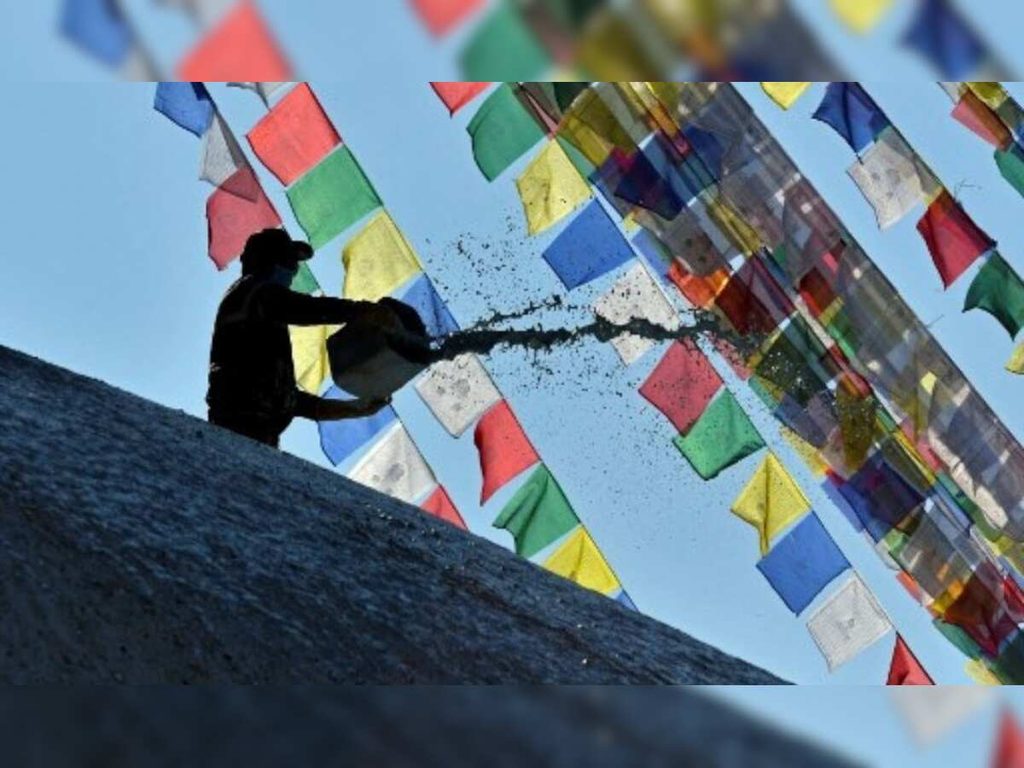
The first three days then carry the weight. Day one is largely domestic, with changkol or chhaang shared at home. Day two is the New Year proper, with monastery visits and formal greetings. Day three is when visiting, feasting and prayer flag raising spread across the community.
Sherpa is not a synonym for Tibetan
Worth saying plainly, because tourism writing blurs it constantly. Sherpa people are a distinct Nepali ethnic group with their own language, clan structure and history of migration from eastern Tibet several centuries ago. Sharing a calendar and a Buddhist school does not make Sherpa and Tibetan communities the same people, and Sherpa Losar in Solukhumbu looks different from Tibetan Losar at a Kathmandu settlement.
Mustang adds a further case. Loba communities in Upper Mustang follow Tibetan Buddhist practice and their own local calendar customs, and Lhosar there is a village affair rather than a city program.
How to Experience Any of the Three as a Visitor
Public programs are genuinely public. Cultural gatherings at Tundikhel, at Boudha and in Pokhara are open, free, and used to outside attention. You can walk in, watch, eat from the stalls and leave without arranging anything.
Household celebrations are a different matter. Lhosar is a family day in all three traditions, and an invitation into a home comes through a personal connection, not a booking. If you receive one, the courtesies are close to those for any Nepali festival visit: bring a small gift, accept food with your right hand, and let your hosts direct the pace. Our guide to being invited to a Nepali festival meal covers the practical side in more detail.
Photography
- Outdoor processions and public dance programs are generally fine to photograph
- Ask before photographing people in ritual dress at close range, including children
- Inside a gompa, look for posted signs and ask a monk or caretaker rather than assuming
- Never photograph a ritual in progress if you have been asked not to, and do not use flash near altars or thangkas
What is open
All three are on Nepal’s holiday list, but their practical effect on a traveler differs. Tamu Lhosar and Sonam Lhosar function as restricted holidays in much of the country, meaning government offices and some schools close while most shops, restaurants and tourist services continue. Closures are heavier in districts where the observing community is the local majority. Long-distance buses fill in the days before, as people travel home.
Gyalpo Losar has the most visible effect in Boudha and in Tibetan settlement areas, where many businesses close for two to three days. If your Kathmandu plans depend on carpet workshops, Tibetan restaurants or specific Boudha shops, check before you go.
What Travelers Get Wrong
Three mistakes come up again and again.
First, calling every Himalayan Buddhist community Tibetan. Gurung, Tamang, Hyolmo, Sherpa, Bhutia, Loba, Thakali and Manangi are separate peoples with separate languages. Shared Buddhist practice is not shared ethnicity, and people notice when the distinction is dropped.
Second, assuming Lhosar means winter. Tamu Lhosar is late December, Sonam Lhosar is usually January or February, and Gyalpo Losar can fall in March. A trip built around one will miss the others.
Third, expecting a spectacle. These are New Year observances, which means cleaning, cooking, visiting relatives and going to a monastery. Public programs exist, and they are worth attending, but the core of the day is domestic and quiet in most households. Traditions vary by community and region, and a village Lhosar and a city Lhosar can look almost unrelated.
Planning Notes
- Winter altitude: Solukhumbu and Mustang in February and March are cold, with limited lodge availability outside trekking season. Confirm that lodges are open before committing.
- Pokhara at Tamu Lhosar: Late December overlaps with peak domestic travel and the run-up to the Western New Year. Book accommodation early.
- Transport: Expect crowded buses and higher fares in the two days before each festival, and reduced service on the day itself in affected districts.
- Dress: Cover shoulders and knees at monasteries. Remove shoes and hats before entering a gompa’s inner hall. Walk clockwise around stupas and mani walls.
For a broader view of how Nepal’s calendar stacks up across the year, see our overview of festivals in the autumn season, and for a different Himalayan community’s calendar, the Yartung horse festival in Mustang is a useful contrast. Readers interested in how other Nepali communities mark their own traditions may also want our piece on Magar culture and cuisine, and our guide to attending a Newar jatra respectfully.
Official holiday listings are published by the Government of Nepal each Bikram Sambat year. For general trip planning and current advisories, the Nepal Tourism Board is the primary reference.
Frequently Asked Questions
Are Tamu Lhosar, Sonam Lhosar and Gyalpo Losar the same festival?
No. They are three separate New Year observances belonging to different communities, on different calendars, with different dates, foods and animal cycles. Only the word Lhosar is shared, and it simply means new year.
Which one is the biggest?
None is biggest nationally. Each is the most important annual festival for the community that observes it. Gyalpo Losar has the widest international recognition because of its Tibetan connection, which is a matter of visibility rather than scale inside Nepal.
When is the next Lhosar after September 2026?
Tamu Lhosar on December 30, 2026, then Sonam Lhosar on February 7, 2027, then Gyalpo Losar on March 9, 2027, according to Nepal’s published holiday calendar for Bikram Sambat 2083. Lunar dates can shift slightly, so reconfirm close to the time.
Can tourists attend Lhosar celebrations?
Yes, at public gatherings. Programs at Tundikhel, Boudhanath, Swayambhu and in Pokhara are open to anyone. Household celebrations are private and require a personal invitation.
Do businesses close during Lhosar?
It depends on where you are. Closures are limited in most of the country and heavier in districts and neighborhoods where the observing community predominates. Boudha and Tibetan settlement areas see the most closures, during Gyalpo Losar.
What should I wear?
Ordinary modest clothing is fine. Cover shoulders and knees at monasteries and stupas, and remove shoes before entering prayer halls. Wearing a traditional outfit is not expected of visitors and is only appropriate if your hosts suggest it.
Is it rude to photograph people during Lhosar?
Not at public events, though a quick gesture asking permission before a close portrait is always better received. Inside monasteries, ask first. Rituals in progress deserve particular care.
Do all Tamang, Gurung and Sherpa people celebrate?
Not uniformly. Observance varies by household, by district, and by how strongly a family keeps traditional practice. Urban families often mark the day with a meal and a monastery visit rather than a full multi-day observance.
Nepal’s calendar is deeper than its famous festivals. Explore more of the country’s regional traditions with NepalVue, save this guide for your winter trip planning, and share it with anyone still calling all three of these the same holiday.


