


Few countries pack as much cultural and natural wonder into such a small space as Nepal. From ancient royal squares to the world’s tallest mountain, UNESCO World Heritage Sites in Nepal capture centuries of history and breathtaking landscapes side by side. In this guide, we will explore every site, explain what makes each one special, and help you plan a visit around them.
Nepal officially holds four UNESCO World Heritage Sites. However, since one listing covers seven separate monument zones, many travelers refer to ten total locations. Let’s break down exactly what that means, and where you can experience each one.
What Counts as a UNESCO World Heritage Site?
UNESCO World Heritage Sites are places recognized for outstanding cultural or natural significance, designated under the World Heritage Convention. These sites represent value considered important to all of humanity, not just the country where they are located.


Nepal’s four sites split evenly between two categories. Two are cultural, rooted in centuries of religious and architectural history. The other two are natural, protecting some of the planet’s most dramatic ecosystems and mountain landscapes.
An Overview of Nepal’s Four UNESCO World Heritage Sites
Before diving into details, here’s a quick snapshot of what Nepal offers. Kathmandu Valley and Sagarmatha National Park were the first sites added, both inscribed in 1979. Chitwan National Park followed in 1984, and Lumbini, the birthplace of Buddha, joined the list in 1997.
Because the Kathmandu Valley listing includes seven distinct monument zones, Nepal is often described as having ten UNESCO World Heritage Sites in total. This distinction matters for travelers planning an itinerary, since each zone offers its own unique atmosphere and history.
Kathmandu Valley: Seven Monument Zones in One Listing
Kathmandu Valley holds the largest share of Nepal’s UNESCO recognition, spread across seven separate monument zones. Together, these sites showcase centuries of Newar architecture, royal history, and religious devotion.
Kathmandu Durbar Square
Also known as Hanuman Dhoka or Basantapur Durbar Square, this site sits at the historic core of Kathmandu city. It dates back to the Licchavi period, between the fourth and eighth centuries AD, and later flourished under the Malla dynasty. Visitors here can also witness the tradition of the Kumari, Nepal’s living goddess, who resides within the square.
Patan Durbar Square
Located in Lalitpur, Patan Durbar Square reflects some of the finest Newari craftsmanship in the valley. Intricately carved wooden windows, stone temples, and royal courtyards fill this compact, walkable square, making it a favorite among architecture enthusiasts.
Bhaktapur Durbar Square
Bhaktapur offers perhaps the most preserved medieval atmosphere of the three Durbar Squares. Its pottery squares, pagoda-style temples, and traditional brick lanes give visitors a genuine sense of stepping back into the Malla era.
Swayambhunath Stupa
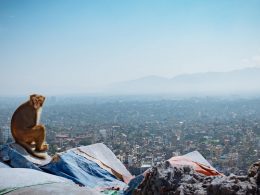
Perched on a hilltop overlooking Kathmandu, Swayambhunath is one of the most sacred Buddhist sites in Nepal. Locally nicknamed the Monkey Temple, it draws both pilgrims and travelers who climb its stairways for sweeping valley views alongside spiritual significance.
Boudhanath Stupa
Boudhanath stands as one of the largest stupas in the world and serves as a major center for Tibetan Buddhism in Nepal. Surrounding the stupa, prayer wheels, monasteries, and incense-filled shops create a vibrant, spiritually charged neighborhood.
Pashupatinath Temple
Situated along the banks of the Bagmati River, Pashupatinath Temple ranks among the holiest sites for Hindus worldwide. As a major pilgrimage destination dedicated to Lord Shiva, it also serves as an important cremation site, reflecting deep spiritual tradition.
Changu Narayan Temple
Considered one of the oldest temples in the Kathmandu Valley, Changu Narayan honors Lord Vishnu and features some of Nepal’s finest stone and wood carvings. Its relatively quiet setting outside the busier city center makes it a peaceful stop for history lovers.
A Note on Preservation Challenges
It’s worth mentioning that Kathmandu Valley faced a temporary setback in its UNESCO status. Due to the partial loss of traditional elements across six of the seven monument zones, the valley was placed on the List of World Heritage in Danger between 2003 and 2007. This period highlighted ongoing challenges around urban development and heritage preservation, issues that remain relevant to conservation efforts today.
Lumbini: The Birthplace of Lord Buddha
South of Kathmandu Valley, in Nepal’s southern plains, lies Lumbini, one of the most sacred sites in the Buddhist world. According to tradition, Siddhartha Gautama, later known as Shakyamuni Buddha, was born here in 623 BC.
This claim is supported by inscriptions found on the Ashoka Pillar, erected by the Mauryan emperor centuries later to mark the sacred birthplace. Beyond the pillar, visitors can explore the Maya Devi Temple, the World Peace Stupa, and an eternal flame symbolizing lasting peace.
Lumbini attracts pilgrims and travelers from across the globe, offering a place for quiet reflection alongside its historical and archaeological significance. Its addition to the UNESCO list in 1997 formally recognized its importance not just to Buddhism, but to world heritage as a whole.
Sagarmatha National Park: Home to Mount Everest
Sagarmatha National Park protects one of the most extreme and awe-inspiring environments on the planet. Located in Solukhumbu District, this park covers roughly 1,148 square kilometers of high-altitude Himalayan terrain.
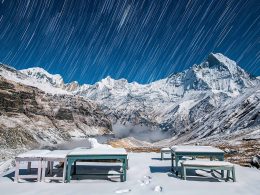
Most famously, the park encompasses Mount Everest, the world’s highest mountain, alongside other towering peaks like Lhotse, Cho Oyu, Nuptse, Pumori, and Ama Dablam. Beyond its mountaineering fame, the region has been home to Sherpa communities for roughly four centuries, adding rich cultural depth to its natural grandeur.
Sagarmatha National Park also holds recognition beyond its UNESCO listing. BirdLife International has designated it an Important Bird Area, and it is also recognized as part of the Sacred Himalayan Landscape, reflecting both ecological and spiritual value.
Chitwan National Park: A Terai Wildlife Sanctuary
While the previous sites highlight mountains and temples, Chitwan National Park showcases an entirely different side of Nepal. Established in 1973 as the country’s first national park, Chitwan earned its UNESCO listing in 1984, and it spans approximately 932 square kilometers within the Inner Terai lowlands.
Nestled among the Churia Hills, the park protects rich subtropical ecosystems teeming with biodiversity. Visitors come here for jeep safaris, canoe rides, and wildlife viewing, hoping to spot iconic species like the one-horned rhinoceros and Bengal tiger. Birdwatchers, too, find plenty to admire, with the park hosting more than 500 recorded bird species.
Why These Sites Matter Beyond Tourism
Nepal’s UNESCO World Heritage Sites are more than postcard-worthy destinations. They represent tangible links to the country’s spiritual traditions, architectural achievements, and ecological diversity. Protecting them ensures that future generations, both Nepali and international, can continue learning from these irreplaceable landmarks.
These designations also carry practical weight for conservation. UNESCO recognition brings global attention to preservation challenges, whether that means restoring earthquake-damaged temples in Kathmandu Valley or protecting endangered species within Chitwan’s forests.
Planning Your Visit to Nepal’s UNESCO Sites
If you’re hoping to experience these sites firsthand, a little planning goes a long way.
Best Time to Visit
Autumn, spanning September through November, and spring, from March through May, generally offer the clearest weather across Nepal’s UNESCO sites. These seasons combine pleasant temperatures with excellent visibility, ideal for both temple visits and mountain viewing.
Combining Multiple Sites in One Trip
Since all seven Kathmandu Valley monument zones sit within a relatively compact area, travelers can realistically visit several in a single day. Extending your trip toward Lumbini, Chitwan, or the Everest region typically requires additional days, given the greater distances involved.
Respecting Sacred and Protected Spaces
Many of these sites remain active places of worship or protected natural habitats, not simply museums. Dressing modestly at religious sites and following park guidelines within Chitwan or Sagarmatha helps preserve these locations for future visitors.
Final Thoughts
From the ancient squares of Kathmandu Valley to the sacred gardens of Lumbini, and from Everest’s towering peaks to Chitwan’s dense jungle, UNESCO World Heritage Sites in Nepal offer an extraordinary range of experiences within one relatively small country. Whether your interest lies in history, spirituality, wildlife, or mountain adventure, these four sites, spread across ten remarkable locations, reveal why Nepal continues to captivate travelers from around the world.
Frequently Asked Questions
How many UNESCO World Heritage Sites does Nepal have?
Nepal officially has four UNESCO World Heritage Sites, though the Kathmandu Valley listing includes seven separate monument zones, bringing the total to ten locations.
Which UNESCO sites in Nepal are cultural, and which are natural?
Kathmandu Valley and Lumbini are cultural sites, while Sagarmatha National Park and Chitwan National Park are natural sites.
When did Nepal’s UNESCO sites get listed?
Kathmandu Valley and Sagarmatha National Park were listed in 1979, Chitwan National Park followed in 1984, and Lumbini was added in 1997.
What are the seven monument zones within Kathmandu Valley?
They include Kathmandu, Patan, and Bhaktapur Durbar Squares, Swayambhunath and Boudhanath stupas, and Pashupatinath and Changu Narayan temples.
Why was Kathmandu Valley placed on the List of World Heritage in Danger?
It was listed between 2003 and 2007 due to the partial loss of traditional elements across six of its seven monument zones.
What wildlife can I see at Chitwan National Park?
Chitwan is known for one-horned rhinoceroses, Bengal tigers, and more than 500 recorded bird species within its subtropical ecosystem.