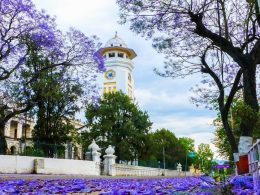



Nepal may be best known as the home of Mount Everest, but its appeal goes far beyond the Himalayas. From snow-capped peaks and peaceful lakes to ancient cities, diverse cultures, spiritual landmarks, and warm hospitality, Nepal offers experiences that can feel completely different from one destination to another.
Whether you are an adventure seeker, a culture enthusiast, a nature lover, or simply looking for a meaningful escape, Nepal has something to offer. Here are some of the reasons why Nepal deserves a place on your travel list at least once.
1. Unparalleled Beauty
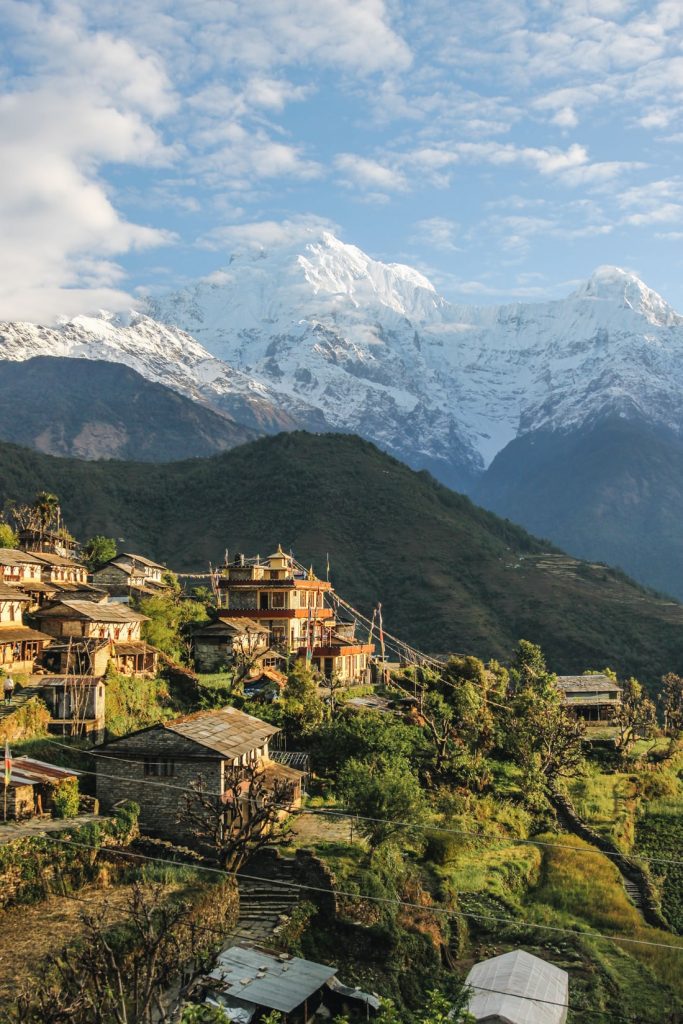
Despite being a small figure in the globe, Nepal has high heat low plain to the top of the world. This diversity has made Nepal home to varieties of species of wildlife and botanicals.


The scenic beauty of himalayas and the trekking over the hills is unmatched.
2. Vast Cultural Diversity
Nepal is home to hundreds of ethnic groups, religion and culture. The Land of Gautam Buddha is known for its unity among diversity, which make the place more appealing.
Visit Nepal ,so you can enjoy variety of lifestyle, culture and festivals over a small area of 1,47,181 sq. Kilometers.
3. The immaculate World Heritage Sites
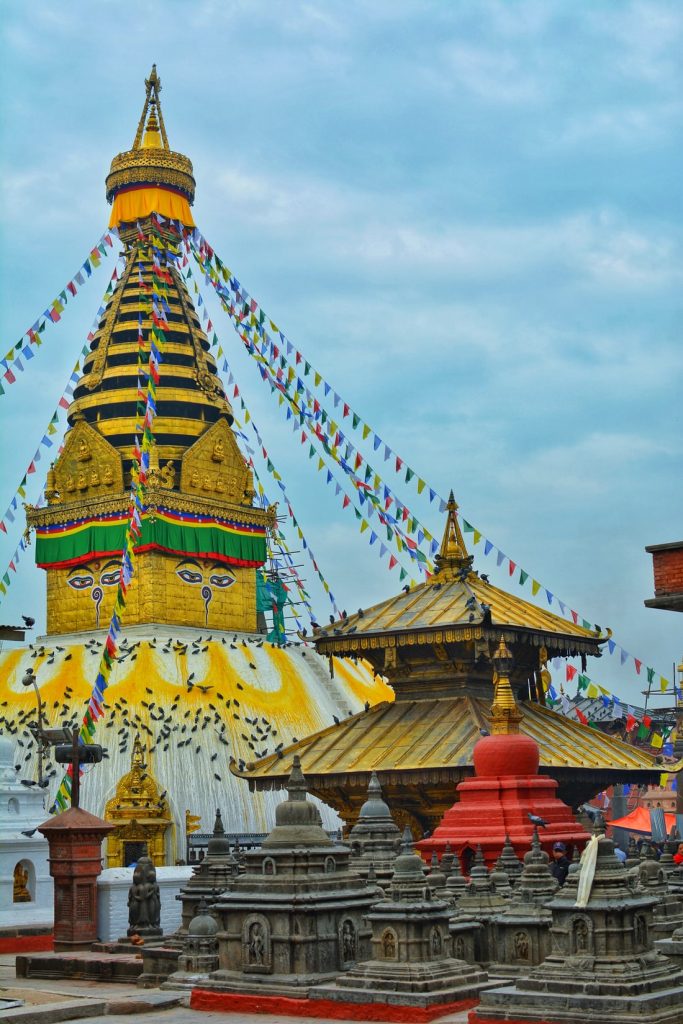
Nepal is home to many UNESCO world heritage sites namely:
- Sagarmatha National Park
- Chitwan National Park
- Pashupatinath Temple
- Boudhanath Stupa
- Lumbini- The Birth Place of Lord Gautam Buddha
- Swayambhunath Stupa
- Kathmandu Durbar Square
- Patan Durbar Square
- Bhaktapur Durbar Square
- Changunarayan Temple
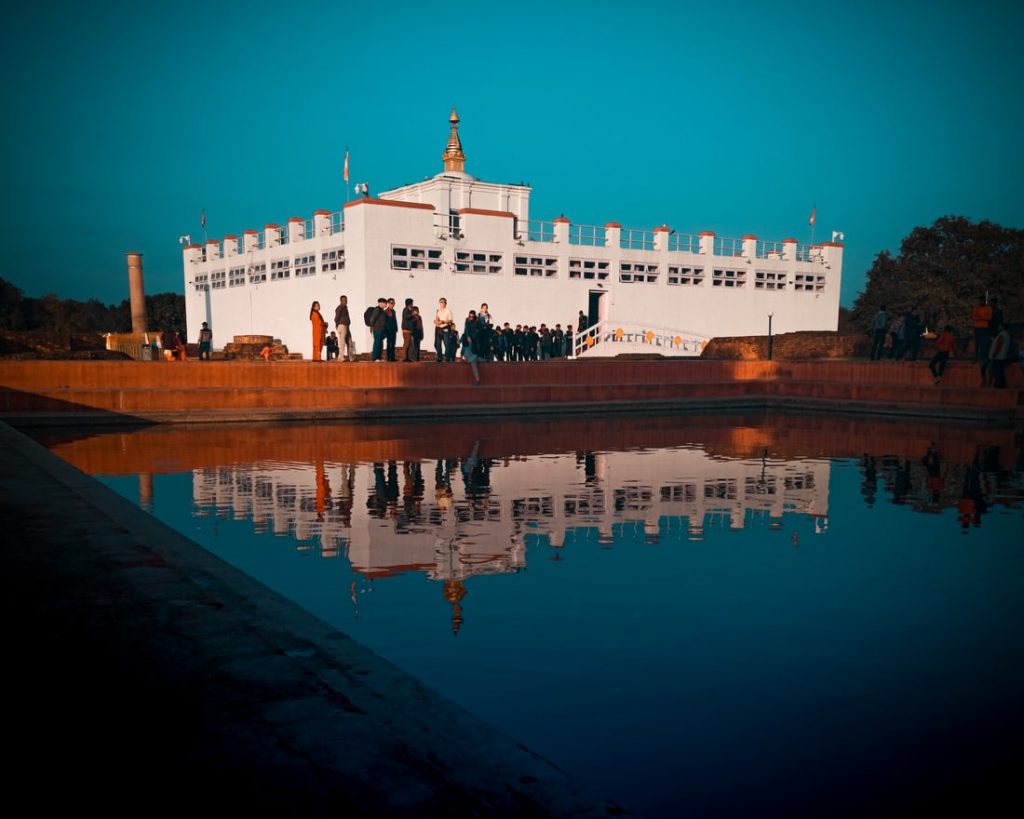
These heritage sites are profoundly the landmarks of cultural, historical and archaeological importance.
They also represent Nepals unique cultural and religious diversity along with natural beauty.
4. Nepali Cuisine
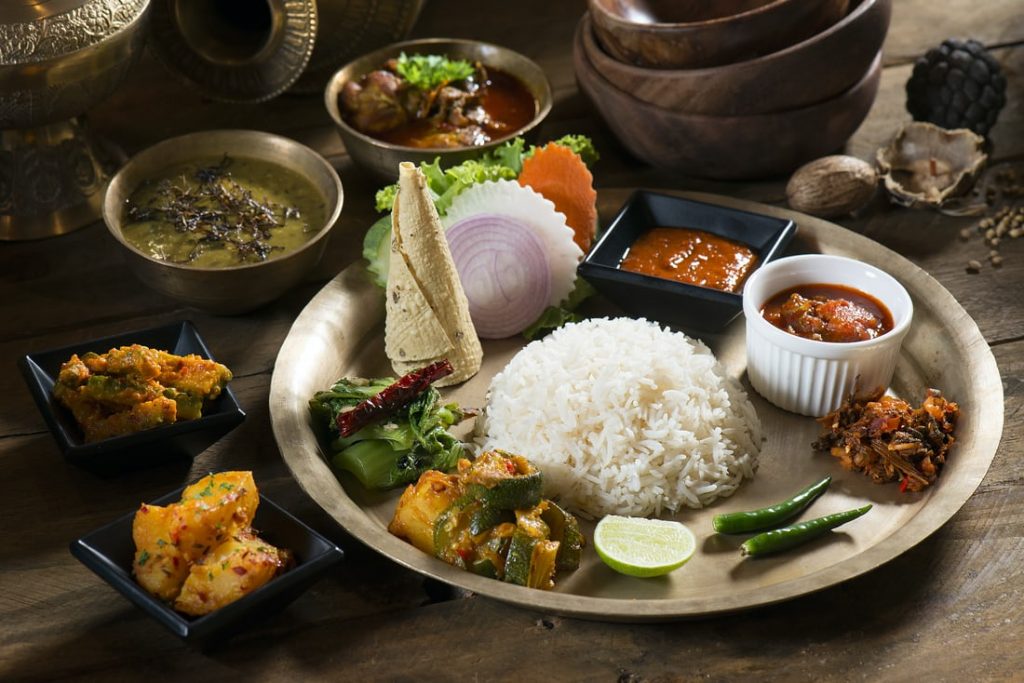
The country’s diverse ethnicity leads to the diverse Nepali cuisine that one cannot experience anywhere else.
The cuisine of each ethnic group simply can’t be described until you come and experience it yourself firsthand.
5. Adventure Sports
The land topography of Nepal is diverse and extreme . The hills, mountains, cliffs, rivers make Nepal most favourable for adventure sports.
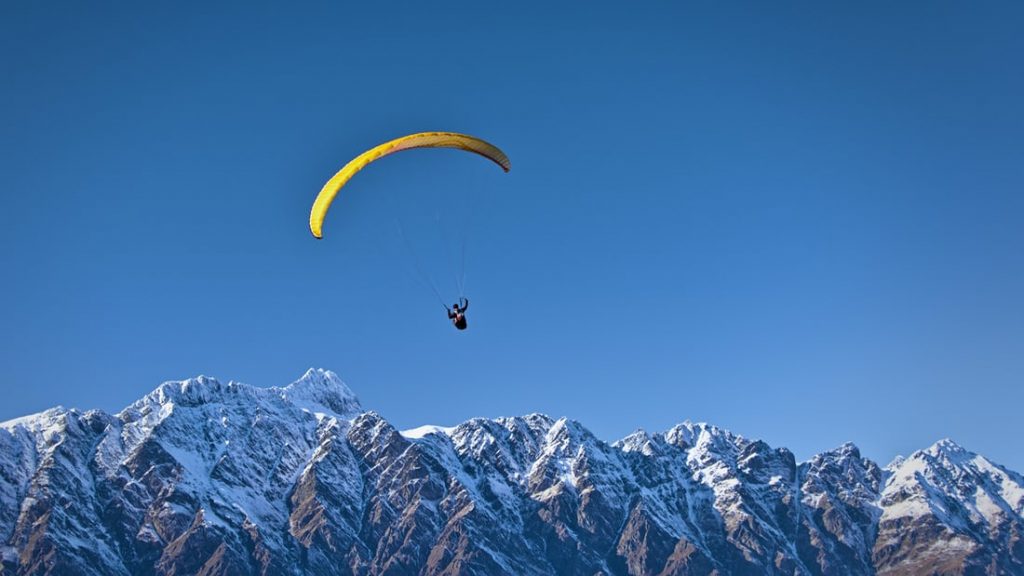
Come to Nepal for Canoeing, Mountaineering, Hiking, Trekking, Bunjee Jumping , Paragliding and many others.
6. And it is Affordable
With hotel rooms for less than $20 , food for a day at less than $10 and budget travel and activities, Nepal is surprisingly affordable to visitors. So budget is not a problem for visiting Nepal.
If you are a travel enthusiast and have a tight budget, do consider visiting Nepal. Under a tight budget, you can experience diverse culture and an unparalleled beauty of nature. The experience you collect with your hard earned money will be worth it.
Conclusion
A visit to Nepal is more than simply ticking another destination off your travel list. It is an opportunity to experience dramatic landscapes, living traditions, diverse communities, and moments of adventure and tranquility in one journey.
From standing beneath the Himalayas to wandering through centuries-old heritage sites, Nepal can leave you with memories that stay long after you return home. If you are looking for a destination that offers more than sightseeing, Nepal is worth experiencing at least once.
FAQs
1. Why should I visit Nepal at least once?
Nepal offers a unique combination of Himalayan landscapes, cultural heritage, adventure activities, wildlife, spirituality, and diverse local traditions within a relatively small country.
2. Is Nepal only suitable for trekkers?
No. Nepal has experiences for all types of travelers. You can explore heritage cities, visit temples and monasteries, enjoy wildlife safaris, experience local cuisine, relax in mountain towns, or simply explore Nepalese culture without going trekking.
3. What is Nepal most famous for?
Nepal is internationally famous for Mount Everest and its Himalayan mountains. It is also known for trekking, ancient temples and heritage sites, Buddhist and Hindu traditions, wildlife, and its diverse cultures.
4. What makes Nepal different from other travel destinations?
Nepal brings together extraordinary natural landscapes and centuries-old living cultures. Within a relatively short journey, travelers can experience bustling cities, historic settlements, subtropical forests, high-altitude mountains, and diverse communities.
5. Is Nepal a good destination for first-time travelers?
Yes. Nepal offers a wide range of travel experiences and can be suitable for both independent travelers and organized tours. Kathmandu, Pokhara, Chitwan, and other popular destinations provide a good introduction to the country.
6. What are the best experiences to have in Nepal?
Popular experiences include exploring Kathmandu Valley’s heritage sites, viewing the Himalayas, trekking, visiting Pokhara, going on a wildlife safari in Chitwan, experiencing local festivals, tasting traditional Nepali food, and visiting sacred Hindu and Buddhist sites.
7. Can I experience the Himalayas without trekking?
Absolutely. Several destinations offer spectacular Himalayan views without requiring a long trek. Mountain flights, viewpoints, cable cars, and accessible hill towns provide alternatives for travelers who prefer shorter or less strenuous experiences.
8. What is the best time to visit Nepal?
The best time depends on what you want to experience. Autumn and spring are generally popular for clear mountain views, trekking, and outdoor activities, while different seasons offer their own cultural and natural experiences.
9. Is Nepal suitable for cultural tourism?
Yes. Nepal’s cultural diversity is one of its greatest attractions. Visitors can explore historic cities, temples, monasteries, traditional settlements, museums, festivals, crafts, cuisine, and the customs of different communities.
10. What should I expect from Nepalese hospitality?
Hospitality is an important part of Nepalese culture. Visitors commonly experience a welcoming atmosphere, especially when interacting with local communities, family-run businesses, homestays, and traditional establishments.