


Kathmandu holds many ancient secrets. Among them, Pashupatinath Temple stands as the ultimate spiritual heart of Nepal. This sprawling Hindu temple complex sits right on the banks of the sacred Bagmati River. Every single day, thousands of devotees, pilgrims, and sadhus gather here to worship Lord Shiva.
Naturally, this powerful atmosphere attracts travelers from all over the globe. However, this is not a typical tourist resort. It is an active, deeply sacred place of worship and final rites. Therefore, knowing how to behave is absolutely critical.
Are you planning your first visit to this UNESCO World Heritage site? To help you navigate seamlessly, we compiled this complete guide. Here are the crucial things tourists should never do inside Pashupatinath.


1. Do Not Enter the Main Sanctum as a Non-Hindu
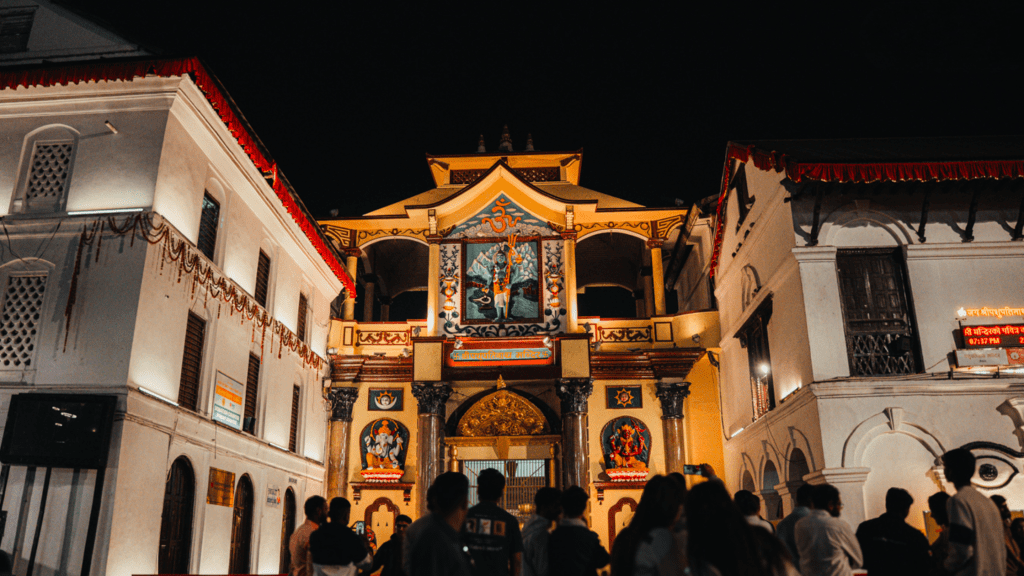
The most important rule concerns the main golden-roofed temple structure. Non-Hindu tourists are strictly forbidden from entering this inner courtyard. This boundary is ancient and non-negotiable.
Fortunately, you can still experience the magic. The outer complex is massive and open to everyone. You can explore hundreds of smaller stone shrines, beautiful statues, and active courtyards.
Furthermore, the best views are actually from across the Bagmati River. Walk over the stone bridges to the opposite banks. From there, you can safely look directly down into the main temple area. You will see the stunning architecture without breaching local traditions. Consequently, you get incredible views while showing deep respect.
2. Avoid Intrusive Photography Near the Cremation Ghats
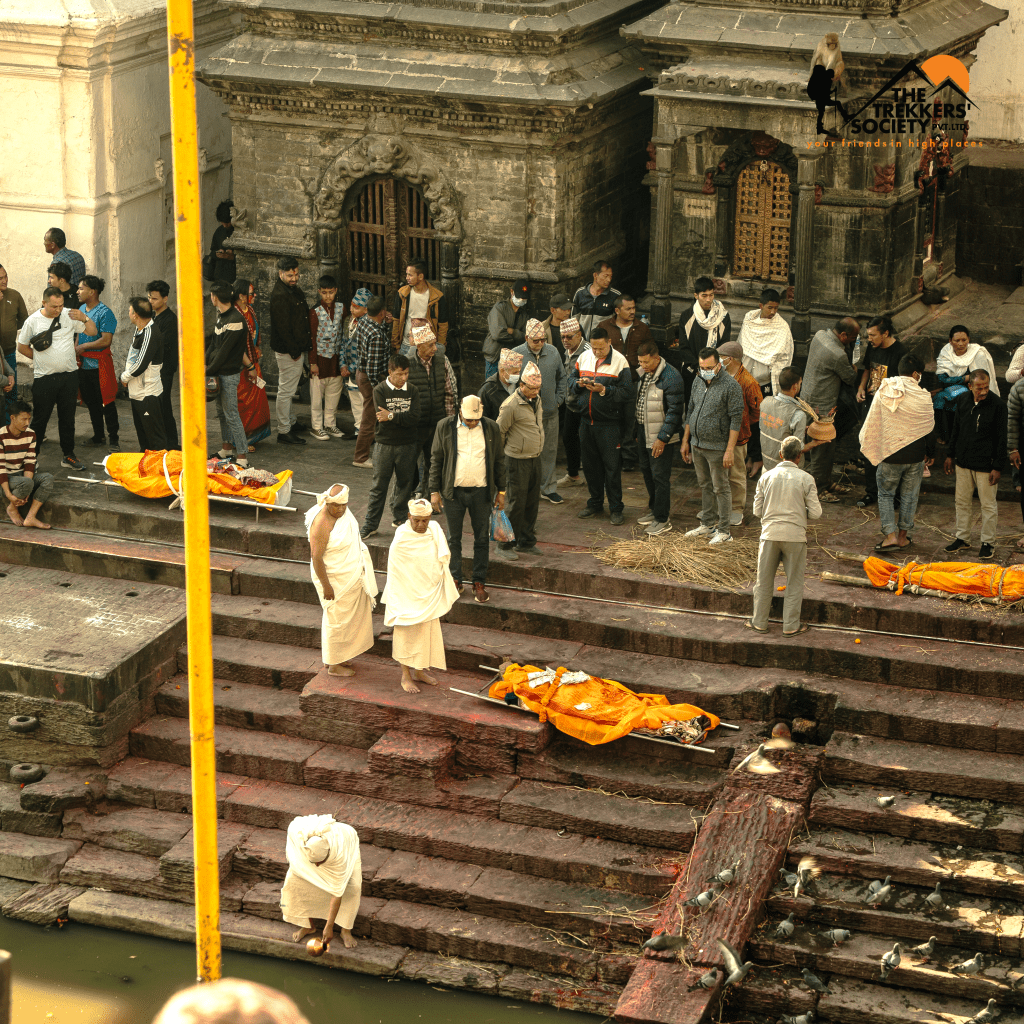
Pashupatinath is world-famous for its open-air cremation platforms, known locally as ghats. Here, families perform the final Hindu funeral rites daily. Smoke rises constantly into the Kathmandu sky.
Understandably, this sight can feel profoundly moving and visually captivating. However, you must remember that these are real families grieving real losses. Therefore, never point your camera or phone directly at a cremation ceremony.
Critical Rule: Treat the cremation ghats with the same respect as a private funeral service back home.
Put your lenses away out of respect. If you want to take landscape shots, stand far back on the opposite riverbank. Ensure no grieving faces are visible in your frame. Ultimately, human decency must always come before a social media photo.
3. Skip Wearing Leather Goods Inside the Temple Grounds
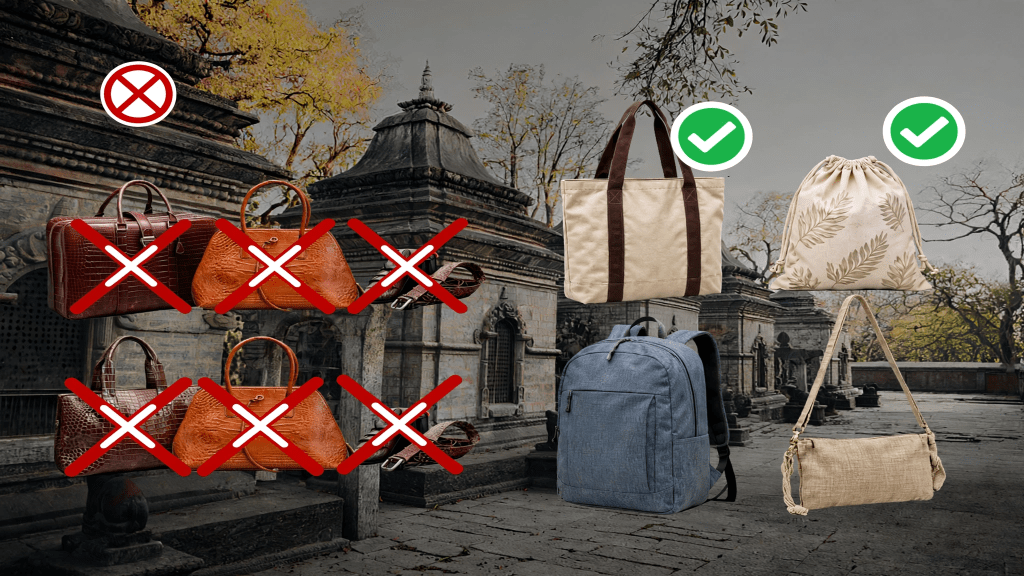
In Hindu tradition, the cow is a deeply sacred animal. Because of this belief, leather is considered spiritually impure. Most holy sites in Nepal enforce strict rules against it.
Before you pass through security, check your outfit carefully. Avoid wearing leather belts, heavy leather jackets, or leather shoes. Even small leather wallets or camera straps can cause issues at the gate.
Instead, dress in canvas, cloth, cotton, or synthetic materials. If you accidentally bring leather, guards will ask you to leave it outside. Save yourself the hassle by leaving those items at your hotel. This simple choice ensures a smooth, respectful entry.
4. Do Not Feed Monkeys or Wildlife on the Premises
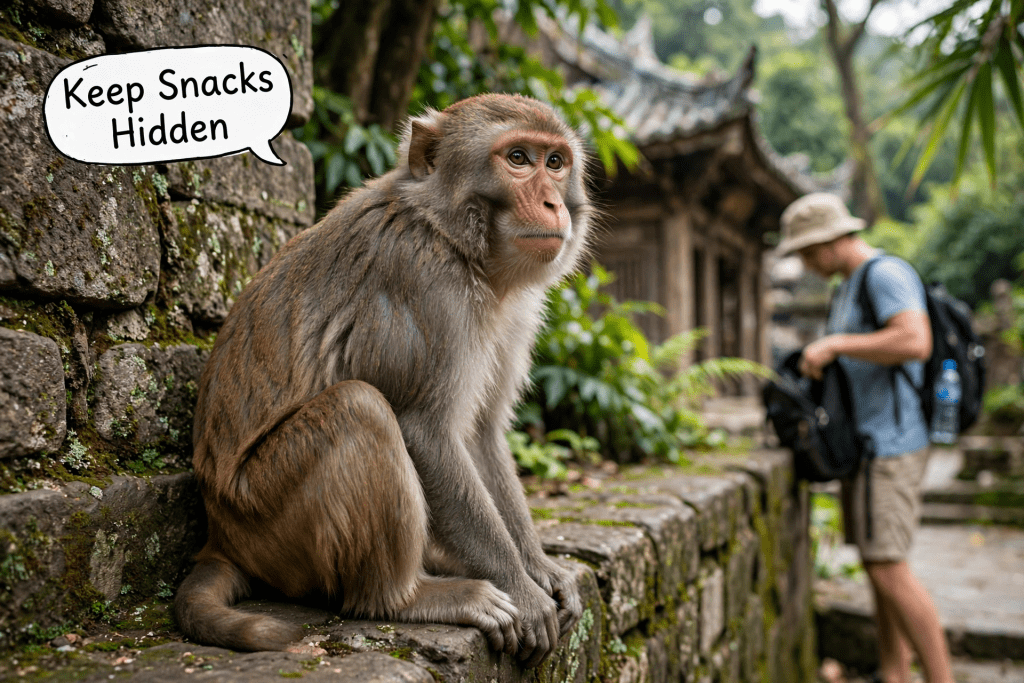
As you wander the forested hills of the complex, you will meet hundreds of wild rhesus macaque monkeys. They are considered part of the sacred environment. However, they are definitely not friendly pets.
Many tourists make the mistake of offering them food. Consequently, these monkeys have become incredibly bold and aggressive. They will aggressively grab plastic bags, snatch water bottles, and pull on loose clothing.
To stay safe, keep all snacks hidden away inside a zipped backpack. Never flash your teeth at them or make direct eye contact. In monkey language, showing teeth means a declaration of war. Walk past them calmly and keep a safe distance at all times.
5. Never Dress Immodestly When Exploring the Complex
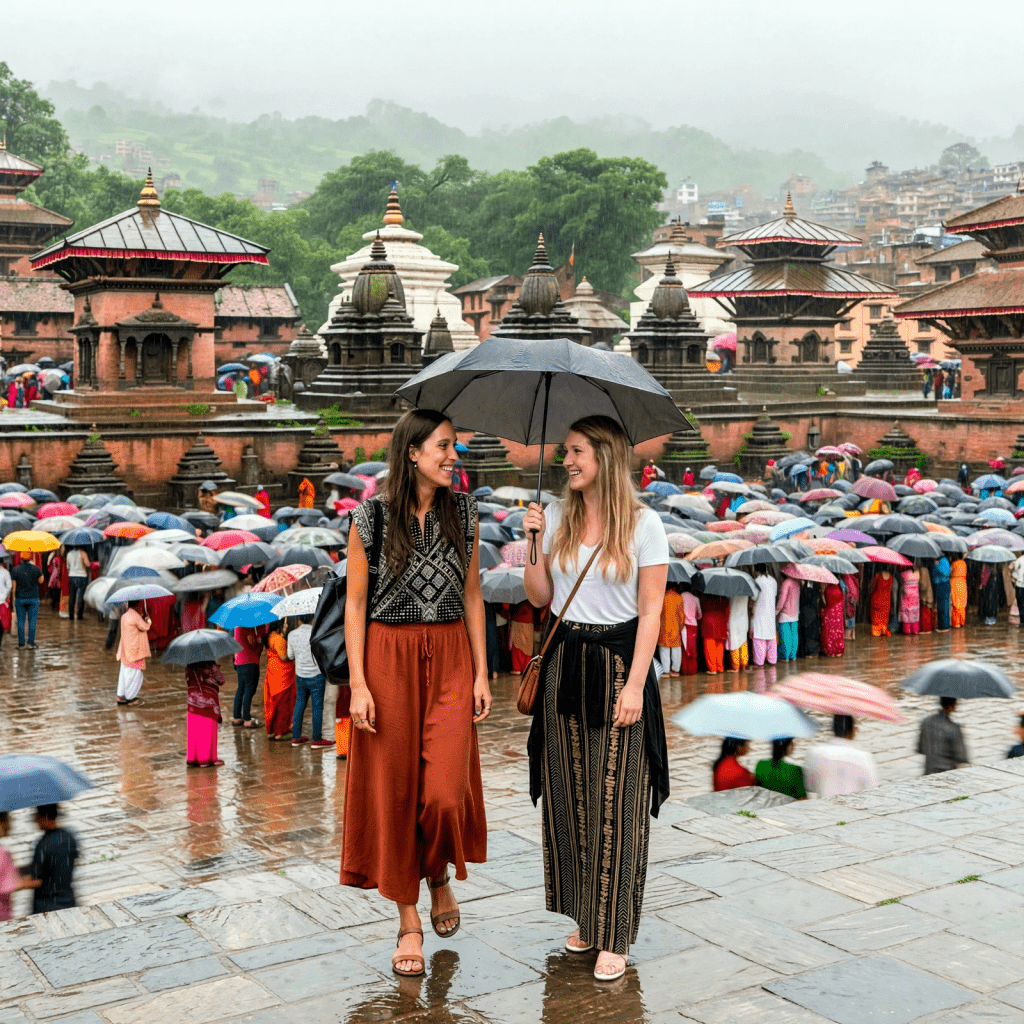
Pashupatinath is a living place of intense prayer, meditation, and mourning. Therefore, casual resort wear or beach clothing is entirely inappropriate here.
Both men and women must dress conservatively to enter. For starters, avoid wearing short skirts, denim shorts, crop tops, or sleeveless shirts. Your shoulders and your knees should be completely covered at all times.
A great tip for travelers is to pack a lightweight cotton sarong or shawl in your daypack. You can easily wrap it around your shoulders or waist when entering the holy zones. Also, remember that you must remove your shoes before stepping into any inner shrine platforms.
6. Do Not Photograph Sadhus Without Asking Permission
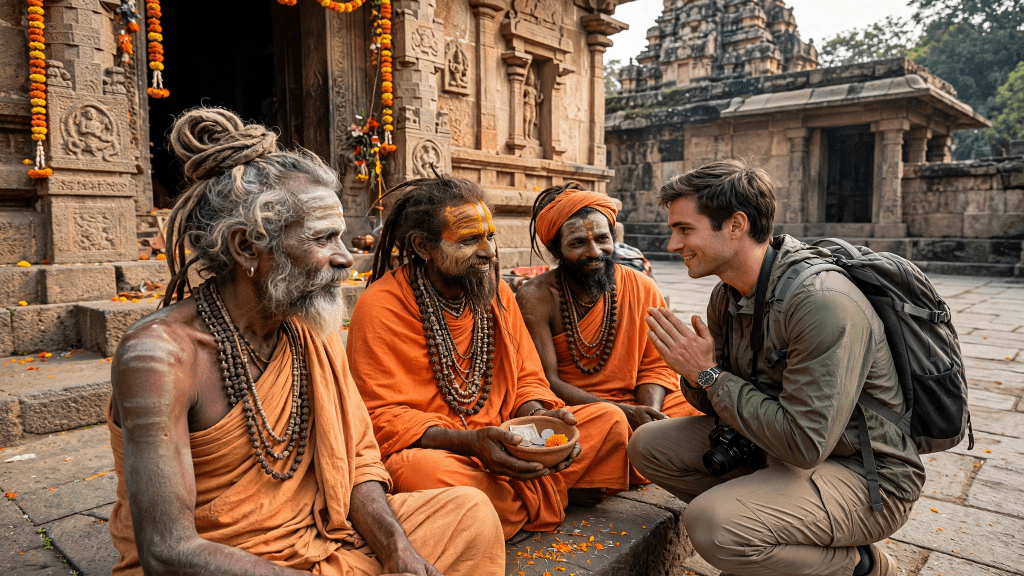
The colorful, dreadlocked holy men wandering the complex are called Sadhus. With their painted faces and bright orange robes, they look incredibly striking. They love interacting with international travelers.
However, never snap a photo of them from afar without asking. It is polite to approach them first with a warm smile and a polite “Namaste.” Most will happily pose for your camera with a blessing.
Keep in mind that posing for tourists is often their primary source of income. Therefore, they will rightfully expect a small financial tip or alms afterward. Usually, 50 to 100 Nepali rupees is perfectly sufficient. If you do not wish to tip, simply do not take the photo.
7. Avoid Loud Behavior and Disruptive Noises
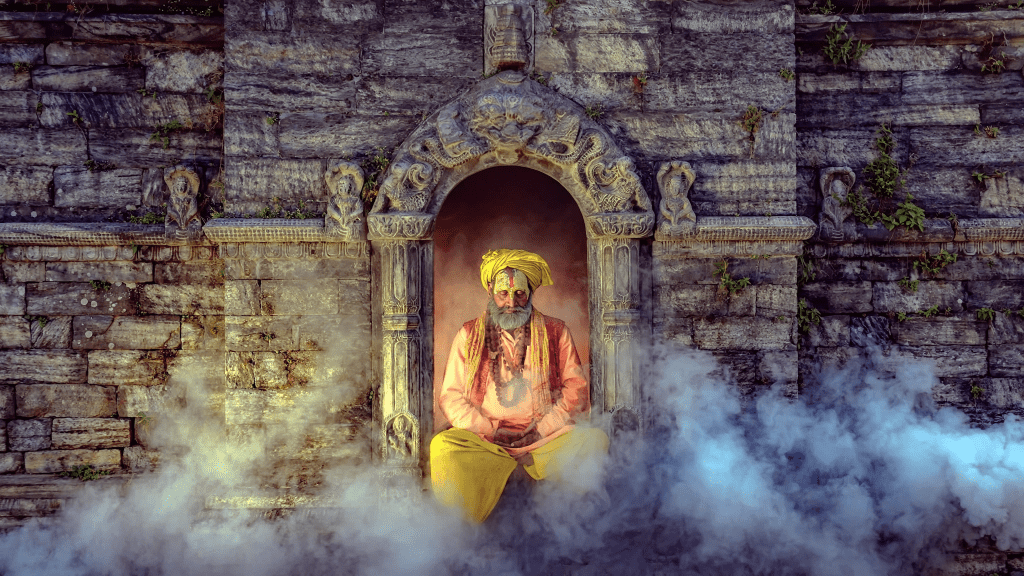
The atmosphere at Pashupatinath is incredibly complex. On one side, people are celebrating life and singing devotional bhajans. On the other side, families are weeping and mourning their dead.
Because of this delicate balance, loud shouting, laughing, or running is highly disrespectful. Keep your voice down to a soft whisper when walking near the river. Turn your mobile phone to completely silent mode before entering.
Take a moment to sit quietly on the stone steps. Listen to the ringing bells, the flowing river, and the soft chanting. By slowing down, you will absorb the true, deep energy of Kathmandu.
Summary of Core Etiquette Rules
| What to Avoid | What to Do Instead | Why It Matters |
|---|---|---|
| Main Sanctum Entry | View from across the river | Preserves ancient religious boundaries |
| Ghats Photography | Put cameras away out of respect | Protects the privacy of grieving families |
| Leather Items | Wear cloth or canvas fabrics | Respects the sacred status of cows |
| Feeding Monkeys | Keep food hidden in bags | Prevents dangerous animal attacks |
| Revealing Clothes | Cover shoulders and knees | Shows respect for an active holy site |
| Surprise Sadhu Photos | Ask first and offer a small tip | Respects their lifestyle and livelihood |
Frequently Asked Questions
Can non-Hindus visit Pashupatinath Temple?
Yes, non-Hindus can visit the vast majority of the complex. You just cannot enter the main inner temple building.
How much does the entry ticket cost for foreigners?
As of 2026, the entry fee for non-SAARC foreigners is 1,000 Nepali Rupees. Tickets are available at the main gates.
What is the best time of day to visit?
Early mornings offer peaceful rituals and beautiful light. Alternatively, visit around 6:00 PM to witness the vibrant evening Bagmati Aarati ceremony.
Is it safe to visit the temple alone?
Yes, the complex is generally very safe for solo travelers. Just watch out for pickpockets in crowded areas and avoid aggressive monkeys.
Can I hire a local guide at the entrance?
Yes, licensed local guides are available near the ticket counter. They offer excellent historical context for a reasonable fee.
Final Thoughts On Visiting Pashupatinath
Ultimately, traveling is all about mutual respect and understanding. Pashupatinath is not a theatrical performance built for tourists. It is the raw, beating heart of Hindu culture in Nepal. By avoiding these common mistakes, you ensure your presence remains supportive and respectful. Keep your heart open, observe quietly, and enjoy this unforgettable spiritual journey.