



Every year on September 27, the global community comes together to observe World Tourism Day. Beyond being a reminder to pack our bags and explore new horizons, this annual event serves a far deeper purpose: fostering international cooperation, driving economic sustainability, and promoting cultural exchange across borders.
For a country like Nepal, where the majestic Himalayas, ancient heritage, and warm hospitality form the backbone of the national identity, World Tourism Day carries extraordinary significance. But have you ever wondered why this specific date was chosen, how the tradition began, and what it means for destination nations worldwide?
Here is a complete, deep-dive exploration into the history, purpose, and global impact of World Tourism Day.


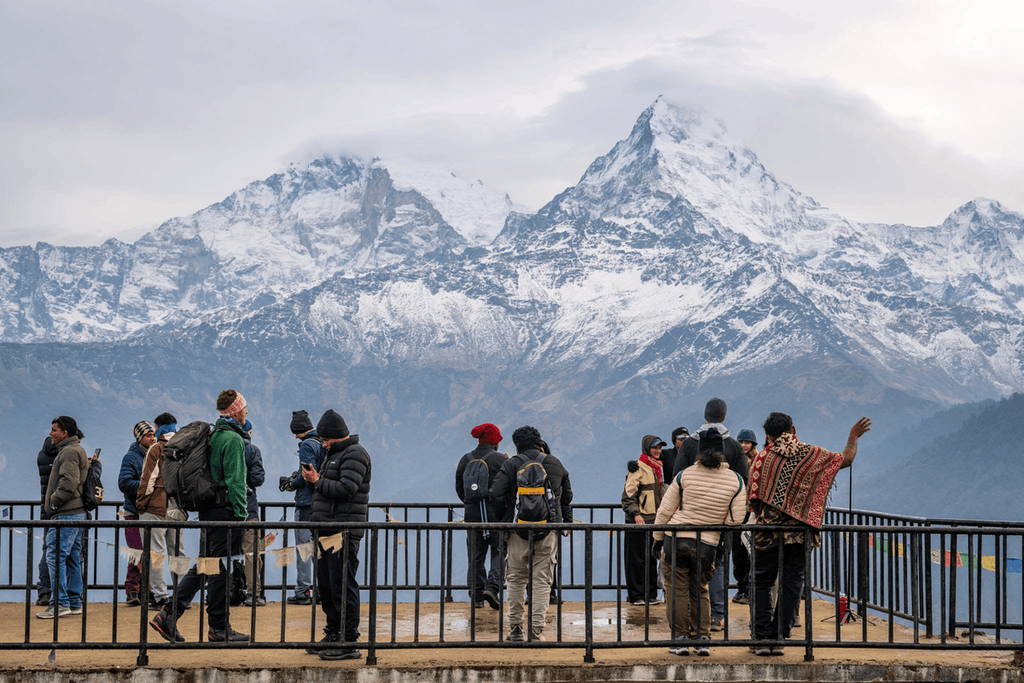
The Origin Story: Why September 27?
The history of World Tourism Day is rooted in a pivotal moment for international travel governance that took place over half a century ago.
Back in 1970, long before modern online booking engines and international aviation networks transformed travel into a seamless global industry, representatives from national tourism boards gathered in Mexico City. They were members of the International Union of Official Travel Organisations (IUOTO), a body dedicated to regulating and encouraging international travel after World War II.
On September 27, 1970, the assembly formally adopted the statutes that created the World Tourism Organization (UNWTO), which today operates as UN Tourism under the United Nations umbrella. This act marked a historic milestone, elevating tourism from a leisure activity to a recognized pillar of global economic development and diplomacy.
Nine years later, during its third session in Torremolinos, Spain, in September 1979, the UNWTO General Assembly officially designated September 27 as an annual international observance. The very first official World Tourism Day was celebrated on September 27, 1980.
Why the Timing Matters
The late-September date was not picked solely for its administrative significance; it was also strategically timed to align with a major shift in global travel patterns:
- Northern Hemisphere: It marks the end of the peak summer holiday season, prompting destination nations to review their seasonal impact and transition toward off-peak strategy.
- Southern Hemisphere: It signals the opening of the spring travel season, encouraging new travel flows across South America, Africa, and Oceania.
- South Asia & The Himalayas: In regions like Nepal, late September marks the end of the monsoon season and the arrival of autumn (Sharad Ritu), the prime trekking and festival period.
Adoption of UNWTO Statutes
September 27, 1970
Delegates at the IUOTO assembly in Mexico City approve the foundational statutes, leading to the creation of the UN World Tourism Organization.
Declaration of World Tourism Day
September 1979
Meeting in Torremolinos, Spain, the UNWTO General Assembly formally votes to establish an annual, global day dedicated to tourism awareness.
First Global Celebration
September 27, 1980
The inaugural World Tourism Day is celebrated globally under the theme “Tourism’s contribution to the preservation of cultural heritage and peace.”
Host Country System Introduced
1997
UN Tourism initiates a rotating official host country system to highlight different world regions and their unique tourism dynamics each year.
The Core Objectives Behind the Observance
World Tourism Day was created to highlight how travel interconnectedly affects society, economy, and ecology. The United Nations designed the day around three fundamental pillars:
1. Social and Cultural Awareness
Travel acts as a bridge between cultures. By bringing people face-to-face with different traditions, languages, and lifestyles, tourism breaks down stereotypes and builds mutual respect, making it a subtle yet effective driver of global peace.
2. Economic Empowerment & Job Creation
Tourism generates roughly 1 in every 10 jobs worldwide. It directly powers local transportation, hospitality, handicrafts, food production, and guiding services. Crucially, it provides low-barrier economic opportunities for women, youth, and remote rural communities who might otherwise lack access to traditional industrial markets.
3. Environmental and Heritage Preservation
When managed responsibly, tourism creates a financial incentive to preserve natural landscapes, wildlife habitats, and historic monuments. Income from park permits and heritage entrance fees directly funds conservation efforts that safeguard ecosystem biodiversity and cultural monuments for future generations.
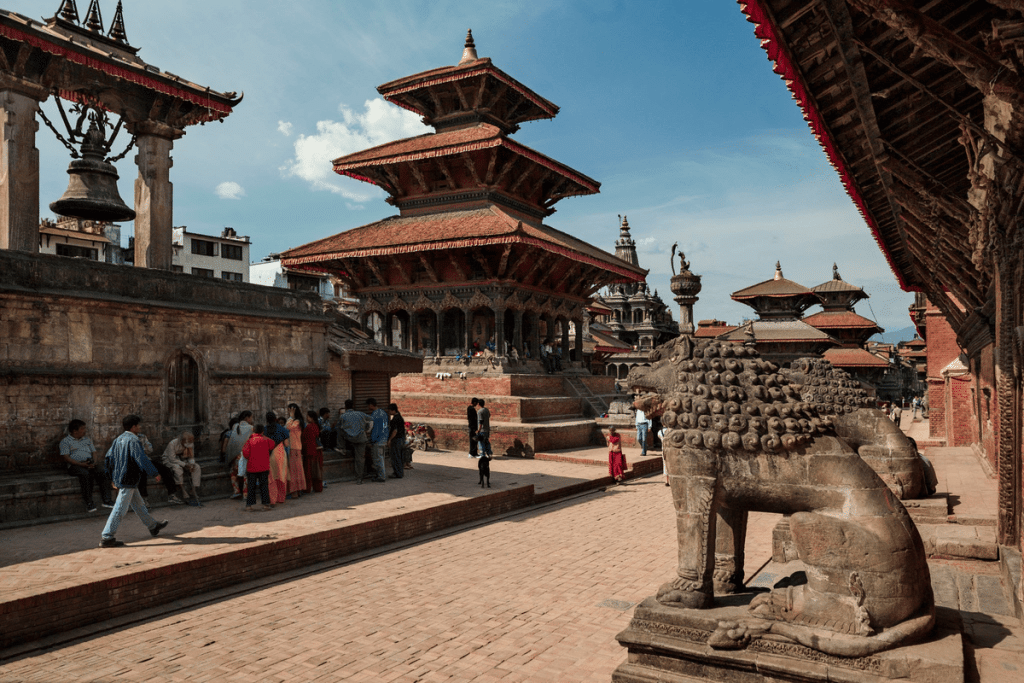
Key Pillars of Sustainable Tourism
Modern tourism faces complex challenges, from overtourism in popular cities to climate change impacts on natural ecosystems. World Tourism Day advocates for sustainable growth across four key dimensions:
| Dimension | Focus Area | Real-World Example |
| Environmental | Resource conservation & carbon reduction | Solar-powered eco-lodges, plastic-free trekking trails, and wildlife protection zones. |
| Socio-Cultural | Respecting local community identity | Community-run homestays where revenue directly benefits indigenous village hosts. |
| Economic | Sustainable, long-term financial distribution | Supporting local artisan cooperatives and purchasing local farm produce instead of imports. |
| Institutional | Inclusive policy planning | Destination management boards partnering with local residents to set carrying capacities. |
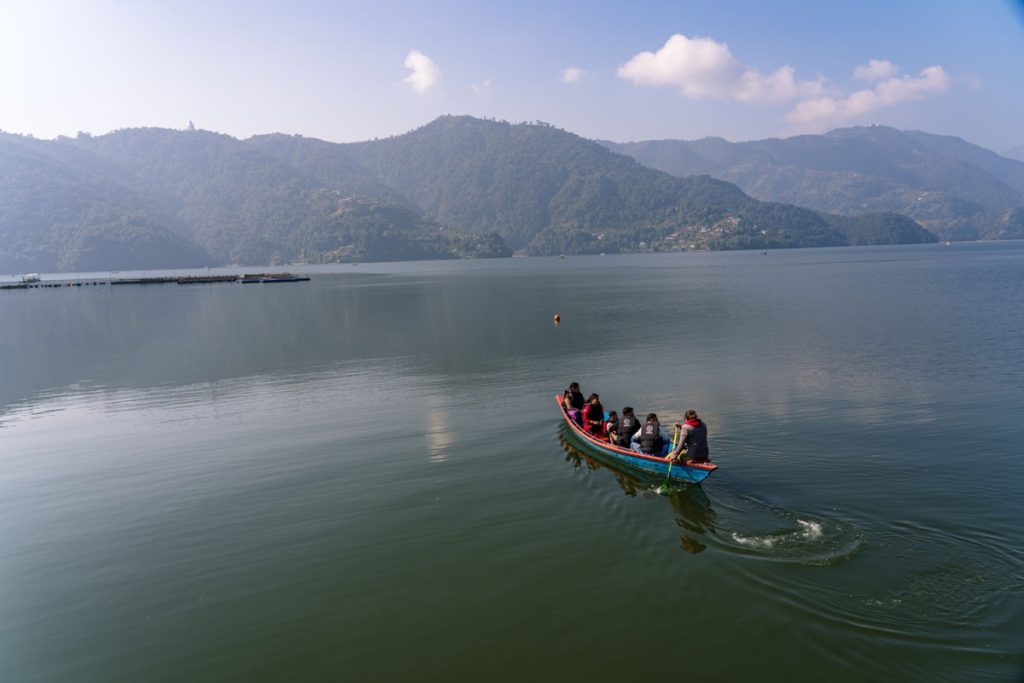
World Tourism Day in Nepal: A Himalayan Perspective
For Nepal, tourism is far more than an industry, it is a lifeline and a national brand. Home to eight of the world’s fourteen highest peaks, including Mount Everest (Sagamatha), as well as UNESCO World Heritage sites in the Kathmandu Valley and Lumbini (the birthplace of Lord Buddha), Nepal offers a vivid example of tourism’s potential.
Every year on September 27, Nepal’s Ministry of Culture, Tourism, and Civil Aviation, alongside the Nepal Tourism Board (NTB) and private trade associations (such as TAAN and HAN), organizes celebrations across the country:
- Warm Ceremonial Welcomes: Foreign tourists arriving at Tribhuvan International Airport (TIA) and land border crossings are greeted with traditional garlands, music, and ceremonial scarves (Khada).
- Free Heritage Access: Selected museums, monuments, and cultural sites offer free or discounted entry to celebrate the day.
- Heritage Cleanups & Rallies: Rallies, eco-cleaning drives along popular riverfronts and hiking routes, and heritage walks take place in Kathmandu, Pokhara, and Chitwan.
How You Can Celebrate as a Responsible Traveler
World Tourism Day is an invitation for every traveler to evaluate their personal impact on the places they visit. You can make your journeys more meaningful by putting a few simple principles into practice:
- Travel Off the Beaten Track: Explore emerging destinations rather than crowding overvisited hotspots.
- Support the Local Economy: Eat at family-run eateries, stay in locally owned accommodations, and hire licensed local guides.
- Respect Cultural Norms: Learn basic greetings in the local language, dress appropriately at sacred sites, and always ask permission before taking personal photographs.
- Minimize Plastic Waste: Carry a reusable water bottle, cloth bags, and avoid single-use plastics during treks and day trips.
World Tourism Day reminds us that travel is a privilege accompanied by responsibility. By recognizing September 27 as a moment to champion sustainable, inclusive, and culturally respectful travel, we help ensure that the places, cultures, and landscapes we enjoy today remain vibrant for generations to come.
Frequently Asked Questions (FAQs)
1. Who established World Tourism Day?
World Tourism Day was instituted by the United Nations World Tourism Organization (UN Tourism), formerly known as the UNWTO. The decision was formally made during the UNWTO General Assembly’s third session in Torremolinos, Spain, in September 1979.
2. When was the first World Tourism Day celebrated?
The inaugural World Tourism Day was celebrated on September 27, 1980. It has been observed annually on the same date ever since.
3. Why is September 27 specifically chosen?
September 27 marks the anniversary of the adoption of the UNWTO Statutes in 1970. Additionally, this date coincides with a major global travel milestone—the end of the peak tourism season in the Northern Hemisphere and the beginning of the season in the Southern Hemisphere.
4. Who proposed the idea of celebrating World Tourism Day?
The late Ignatius Amaduwa Atigbi, a Nigerian national, originally proposed marking September 27 as World Tourism Day during an IUOTO meeting in Ankara, Turkey, in 1971. He was officially recognized by UN Tourism for his contribution in 2009.
5. Why is World Tourism Day important for destination countries like Nepal?
For nations like Nepal, tourism is a major driver of employment, foreign exchange earnings, and rural development. The day helps highlight sustainable travel practices, raises global awareness for heritage conservation, and boosts local economic opportunities across mountain and cultural regions.
6. How is World Tourism Day celebrated around the world?
Countries celebrate through policy summits, free entry to national parks and UNESCO heritage monuments, cultural parades, tourism award ceremonies, and eco-awareness initiatives like river and trail cleanup drives.
7. What is the difference between World Tourism Day and National Tourism Days?
- World Tourism Day (September 27): A global observance designated by the United Nations to promote sustainable tourism worldwide. Wikipedia
- National Tourism Days: Country-specific days established by individual governments to highlight their own domestic travel industries (for instance, India celebrates National Tourism Day on January 25).


