



Walk through Kathmandu Valley and you will notice something odd. The gates of palaces and temples are huge, carved, and gilded. But the doors of old Newar houses are so low that you must bow to enter. So, why were ancient doors so big in some places and so small in others? In Nepal, the answer is not just about size. It is about who the building was for, and what the doorway meant.
This guide explains the big-door question in the Nepali context. It covers power, faith, and practical building. It also explains the twist: some of Nepal’s most important doors are deliberately small.
The Short Answer
- Big doors showed power. Palace and temple gates announced authority and wealth.
- Big doors had practical roles. Heavy timber, strong frames, and ceremonial use shaped their scale.
- Big doors were sacred. In Nepal, a door is a boundary between the ordinary and the divine.
- Small doors were intentional. Low house doors encouraged a bow of respect and may have helped security.
Why Historical Doors Were Big Around the World
Before looking at Nepal, it helps to see the wider pattern. According to a history overview, large doors have long symbolized power, authority, and social hierarchy. In Mesopotamia, Egypt, and Rome, monumental doorways marked temples, palaces, and civic buildings.


Big doors also displayed wealth. They took expensive materials and skilled labor. The same overview adds practical reasons. Earlier buildings relied on heavy pivots and iron strap hinges, so oversized doors helped provide structural support. Their scale also matched the grand architecture around them, creating visual harmony and inspiring awe.
Today, a standard exterior door is about 80 inches tall. Historic doors were often far larger. The pattern is global, but Nepal adds its own meanings.
Nepal’s Great Gates: Doors as Statements
Hanuman Dhoka
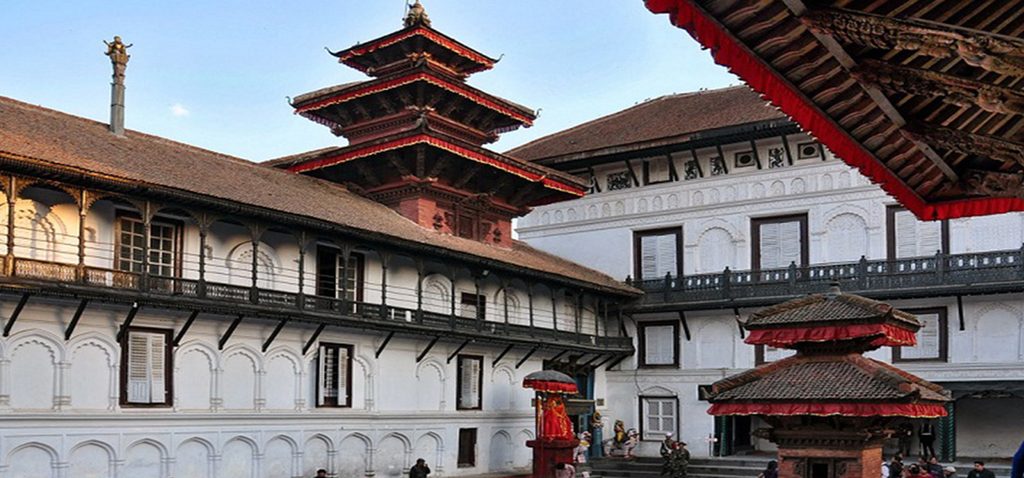
In Nepali, “dhoka” means door or gate. Hanuman Dhoka, the royal palace gate in Kathmandu Durbar Square, is named for its entrance. A travel guide describes it as a symbol of power, protection, and tradition. It served as the ceremonial and functional gate to the royal complex, which was the royal family’s residence until the late 19th century. The gateway is rich with Newar woodwork and carvings that blend beauty and spiritual symbolism.
The Golden Gate of Bhaktapur
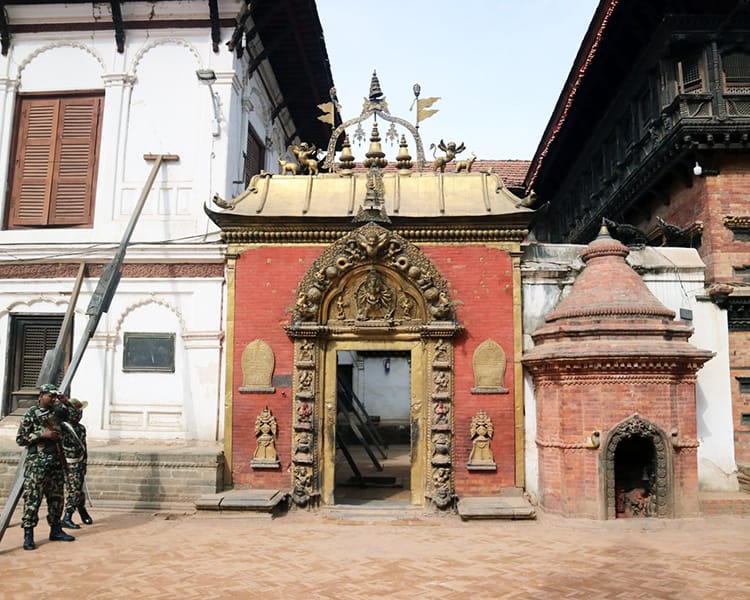
Bhaktapur’s Golden Gate dates to 1757, in the reign of King Ranjit Malla. It leads to the Taleju temple complex inside the palace. According to one account, it was built as a symbol of divine authority and royal power. The gate emphasized the divine legitimacy of the Malla rulers, who were seen as intermediaries between the gods and their subjects.
It is decorated with deities, Garudas, serpents, and other celestial beings, believed to give divine protection. Above it sits a torana, a decorative arch. A scholar describes the Golden Gate torana as a masterpiece of simplicity and beauty.
Temple Doors as Guardians
Nepali temple doors carry more than decoration. One cultural guide says the door is treated as a guardian, serving as both physical and spiritual protection. Newar artisans perfected the craft of carving them. In traditional architecture, the door is a symbolic boundary.
The torana above a door adds another layer. According to Newar architecture sources, it is often a mirror copy of the main icon inside the temple, telling visitors which god lives within. It is also described as a bridge between the ordinary world and the divine realm.
Monastery Gates With a Small Door Inside
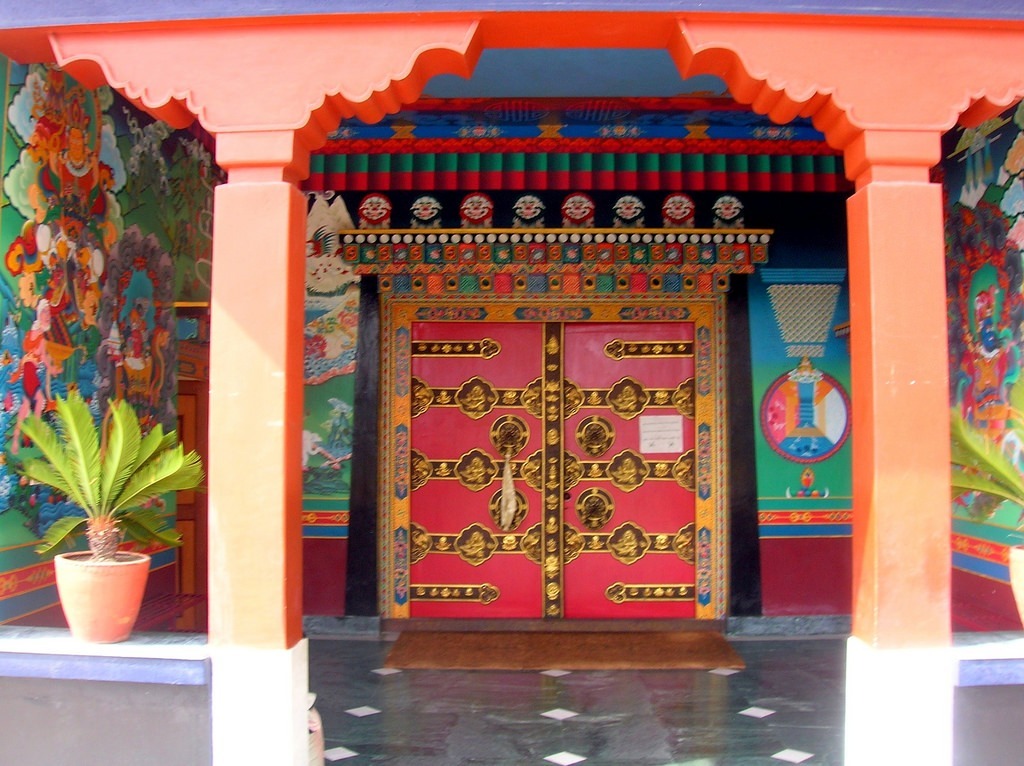
Scholars studying Newar monastery gates (bahal) describe an interesting design. One survey notes that the central gate is large by Nepali standards, with a smaller man-sized door set inside it. Think of it as a door within a door. The main leaves stay closed most of the time. People use the small door in daily life. Those figures come from a scanned copy of a published study, so verify exact measurements before citing them.
The Twist: Why Newar House Doors Are So Small
Here is the surprise. Traditional Newar houses have low entrances. Descriptions of Newar homes say visitors must bow their heads when entering. This is deliberate.
A Symbolic Bow
According to Bhaktapur heritage writing, the entrance is kept low so that every visitor bows. The gesture resembles bowing before the gods, because a house is a temple for Newars. A research article on Newar dwellings describes the small door as a symbolic offering of respect to the place where people live.
Even Kings Bowed
The same source says that, in the past, even though the main entrance of a palace was large, the inner doorways in palaces were small. Even kings and ministers were required to bow. A hotel guide on pagoda architecture says the low door height, about 4.5 to 5 feet, symbolizes that gods and kings are superior to men.
A Possible Defensive Reason
Some people believe the low doors served security. The idea is that an attacker entering must lower his head, leaving him vulnerable to a guard. That explanation is described as a belief, not a proven fact. Treat it as a theory.
Strong Doors, Simple Facades
Studies of Newar buildings also describe a ground-floor facade that is often plain, with a low narrow door and a few small windows. Entrance doors were barred with massive wooden planks. So, the house presented a modest, secure face to the street.
So Which Is It, Big or Small?
Both. The size of a door tells you about its role.
| Type of door | Typical size | What it says |
|---|---|---|
| Palace and temple gates | Large and ornate | Power, divine authority, ceremony, protection |
| Monastery main gates | Large, with a small door inside | Dignity and practicality |
| Inner palace and house doors | Low | Humility, respect, and security |
A public gate says, “Look at who lives here.” A private threshold says, “Bow, you are entering a sacred space.”
What About Rana-Era Palaces?
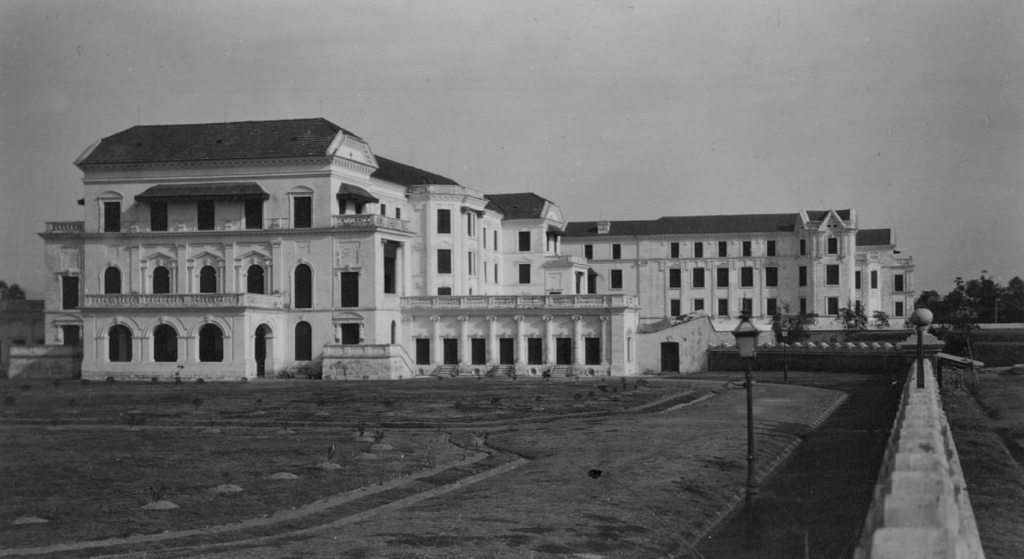
In the late 19th and early 20th centuries, the Rana rulers brought European-style neoclassical architecture to the Kathmandu Valley. Scholars describe a hybrid “Newar neoclassical” style, which often incorporated Mughal and European forms. I did not find reliable sources on how door sizes in those palaces compared, so this article does not make claims about them. If you visit, notice how different those entrances feel from older Malla-era ones.
Practical Reasons Behind Large Doors
Beyond symbolism, practical needs mattered.
- Strength and security. Heavy timber leaves and bars guarded valuable courtyards.
- Ceremony. Gates were part of processions, festivals, and royal rituals.
- Scale. Large entrances matched large buildings and courtyards.
- Craft. Carved doors displayed the skill of local artisans.
You do not need exotic explanations. Architecture, culture, and politics explain the size well. There is no evidence that giants were involved.
Where to See Doors in Nepal
- Hanuman Dhoka, Kathmandu Durbar Square: The palace gateway.
- Golden Gate, Bhaktapur Durbar Square: Gilded metalwork and a famous torana.
- Changu Narayan Temple: Often cited for its carved doors.
- Bahals and courtyards in Patan and Kathmandu: Look for large gates with smaller doors inside.
- Old Newar houses in Bhaktapur and Kirtipur: Notice the low entrances. See our Kirtipur guide.
- Torana above doors: Look up. Each one tells a story.
Tips for Visitors
- Mind your head. Low doors are real. Duck as you enter.
- Look up. The torana is easy to miss.
- Observe the guardians. Many gates have carved deities or lions.
- Do not touch carved doors. Oils from hands can damage old wood.
- Ask before photographing people in doorways.
- Remove shoes where asked, especially at temples and homes.
- Visit early. Heritage squares are quieter in the morning.
See our guide to UNESCO World Heritage Sites in Nepal.
Final Thoughts
Ancient doors were big for many reasons: power, wealth, ceremony, and structural need. In Nepal, they also marked the line between the everyday and the sacred. But Nepal also shows that small doors can carry just as much meaning. A low Newar doorway asks every visitor, king or commoner, to bow. Next time you stand in front of a carved gate or duck beneath a low lintel, remember that the size of a door is a message.
Frequently Asked Questions
Why were ancient doors so big?
Large doors showed power and wealth, provided structural strength with heavy hinges, and matched grand buildings. In Nepal, they also marked sacred boundaries.
Why are Newar house doors so small?
Newar houses have deliberately low doors so every visitor bows on entering. Sources describe this as a gesture of respect, since a house is seen as a temple.
What does “Dhoka” mean?
In Nepali, dhoka means door or gate. Hanuman Dhoka takes its name from the royal palace gate.
Why is the Golden Gate of Bhaktapur important?
Built in 1757 under King Ranjit Malla, it leads to the Taleju temple complex and symbolized the divine authority of the Malla rulers.
What is a torana?
A torana is a decorative arch above a door or window. It often mirrors the main icon of the temple inside and is seen as a bridge between the ordinary and the divine.
Were low doors used for defense?
Some people say so, but it is a belief, not a proven fact. The main documented explanation is symbolic respect.
Do Nepal’s large gates have smaller doors inside?
According to a scholarly study of Newar monasteries, the large central gate often has a smaller man-sized door set into it.
Where can I see traditional doors in Nepal?
Hanuman Dhoka, Bhaktapur’s Golden Gate, Changu Narayan, Patan’s courtyards, and old Newar houses in Bhaktapur and Kirtipur are good places


