


Everyone tells you to avoid Nepal in the monsoon. Leeches, landslides, leaden skies, trails that turn to soup. That advice is mostly right, and it is also exactly why trekking Dolpo Nepal in July and August is one of the smartest moves a trekker can make. While the rest of the country drowns, this corner of the far west sits in a rain shadow behind the main Himalayan wall, dry and golden, doing its own quiet thing.
Dolpo is not a place you stumble into. It takes flights, permits that cost more than some people’s whole trip, and a willingness to camp for weeks in a region with almost no lodges. But during the months when nearly every other Himalayan trail is washed out, Dolpo opens up like a secret. Here is what the brochures gloss over and what you actually need to know.
Why Dolpo Beats the Monsoon When Everywhere Else Can’t
The science is simple. Monsoon clouds roll up from the Bay of Bengal and slam into the southern flank of the Himalaya, dumping their water on places like Pokhara and the Annapurna foothills. By the time any moisture climbs over the giant peaks to reach Dolpo in the trans-Himalayan north, it has almost nothing left to give. The result is a high desert that looks more like the Tibetan plateau than the green hills most people picture when they think of Nepal.


So while a trek to Annapurna Base Camp in July means walking through cloud with views measured in meters, Dolpo gives you open skies, dry trails, and summer pastures dotted with yak caravans. Wildflowers carpet the high meadows. Barley ripens around the stone villages. This is the season when Dolpo is arguably at its most alive.
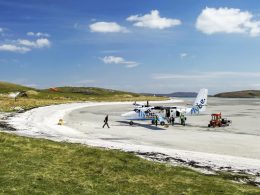
One honest caveat. Getting to Dolpo means flying through Nepalgunj to the tiny airstrip at Juphal, and monsoon weather can still delay those small flights. Build two or three buffer days into any plan. Weather grounds planes here even when the trail itself is bone dry.
Lower Dolpo vs Upper Dolpo: Pick Your Level of Remote
Dolpo splits into two very different experiences, and the gap between them is mostly about cost, days, and how far off-grid you want to go.
Lower Dolpo is the more accessible half. A typical loop runs around 10 to 14 days from Juphal, taking in the headline attraction, Phoksundo Lake, plus a handful of high passes and Tibetan-influenced villages. It is still genuinely remote, but it is the realistic option for most people on a normal vacation timeline.
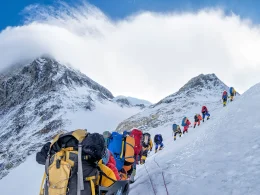
Upper Dolpo is the deep end. These itineraries run roughly 24 to 27 days and cover something like 260 to 280 km, crossing passes such as Kang La at around 5,320 meters and reaching the legendary Shey Gompa beneath Crystal Mountain. It is a serious expedition that demands time, fitness, and a real budget. Few trekkers attempt it, which is precisely its appeal.
What the Trek Actually Feels Like Day to Day
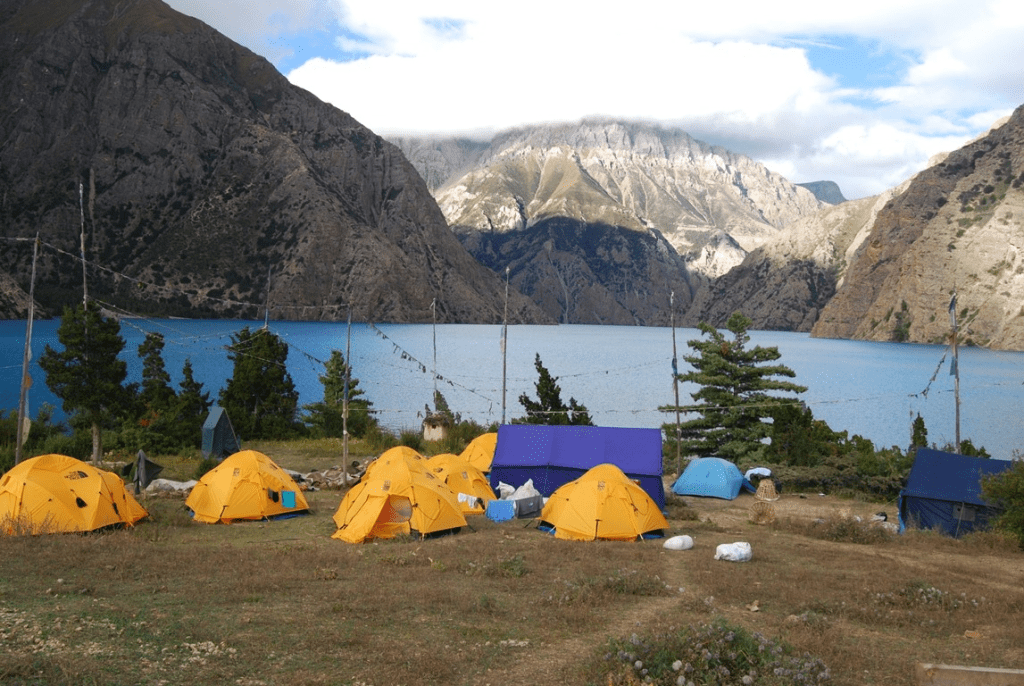
Forget teahouse comforts. Across most of Dolpo, villages sit too far apart to support lodges, so nearly every trek here is a camping trek. Your crew carries tents, a kitchen, and supplies, and you sleep under canvas next to mani walls and barley fields. Mornings are cold even in August. Afternoons can be warm and bright. Nights are silent in a way that genuinely surprises people who have only trekked the busier circuits.
Permits and Costs: The Part That Stops Most People
This is where Dolpo separates itself from every other trek in Nepal, and where your budget gets real. Dolpo is a restricted area, which means the paperwork is strict, the fees are steep, and solo trekking is simply not allowed.
Here is the verified breakdown, accurate as of early 2025 and confirmed across multiple Nepali trekking operators:
- Upper Dolpo restricted area permit: USD 500 per person for the first 10 days, then USD 50 per person for each additional day.
- Lower Dolpo restricted area permit: roughly USD 20 per person per week, with some operators adding around USD 5 per extra day.
- Shey Phoksundo National Park entry: about NPR 3,000 to 3,390, which works out to roughly USD 25 to 30 per person.
A few rules trip people up. You cannot trek Dolpo alone. The restricted area system requires a minimum of two trekkers traveling together with a registered guide, arranged through a licensed agency. Individual permit applications are not accepted, and processing typically takes two to three weeks, so this is not a trek you organize the morning after you land. For the full picture on how Nepal’s restricted-area system works, our Nepal trekking permits guide walks through every permit type step by step.
Add flights, the camping crew, food, and guide wages, and a Lower Dolpo trek often lands somewhere in the four-figure range per person, while a full Upper Dolpo expedition climbs well beyond that. The truth is that Dolpo is not a budget destination, and pretending otherwise sets you up for disappointment.
Phoksundo Lake: The Reason Everyone Comes
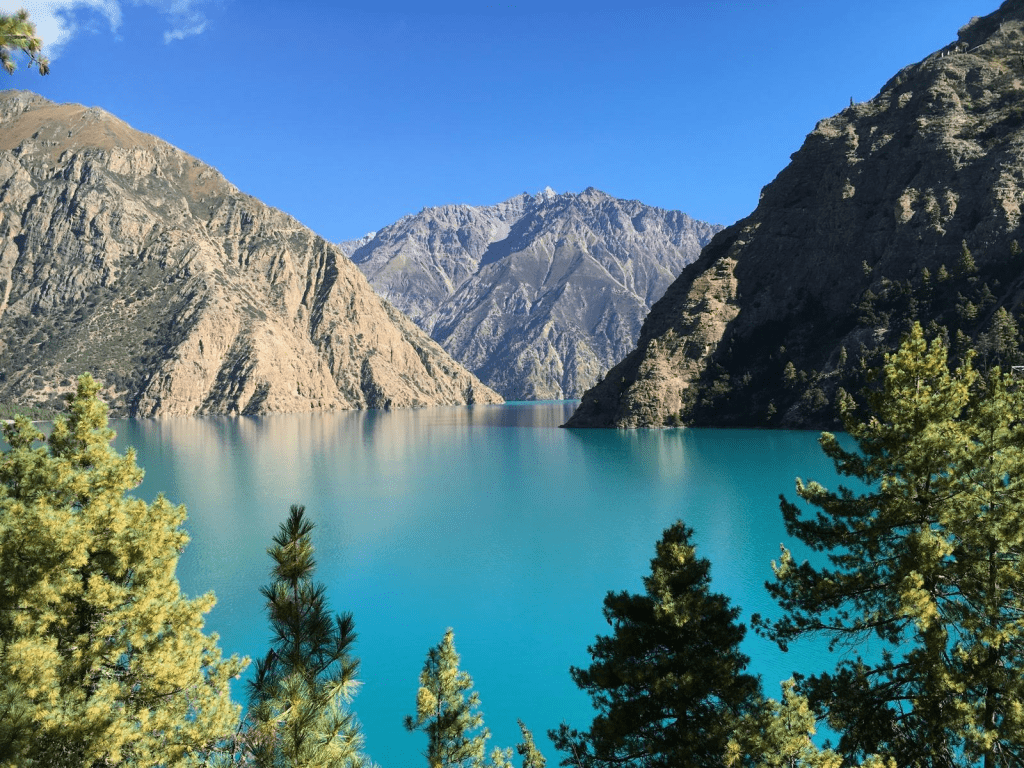
If Dolpo has a single image that sells the whole region, it is Phoksundo. Sitting at around 3,600 meters, it is one of Nepal’s deepest lakes, a Y-shaped sheet of water stretching nearly 4.8 km long and about 1.6 km wide. The color is the thing people cannot stop talking about: a turquoise so vivid it looks edited, framed by cliffs and pine forest.
Near the lake, a thundering cascade ranks among the highest waterfalls in the country. The whole area sits inside Shey Phoksundo National Park, Nepal’s largest national park, established in 1984 and covering more than 3,500 square kilometers of trans-Himalayan wilderness. Snow leopards live here, though you will almost certainly never see one. Blue sheep, Himalayan black bears, and herds of yak are far more likely company.
The Culture: Bon, Buddhism, and a Way of Life That’s Slipping Away
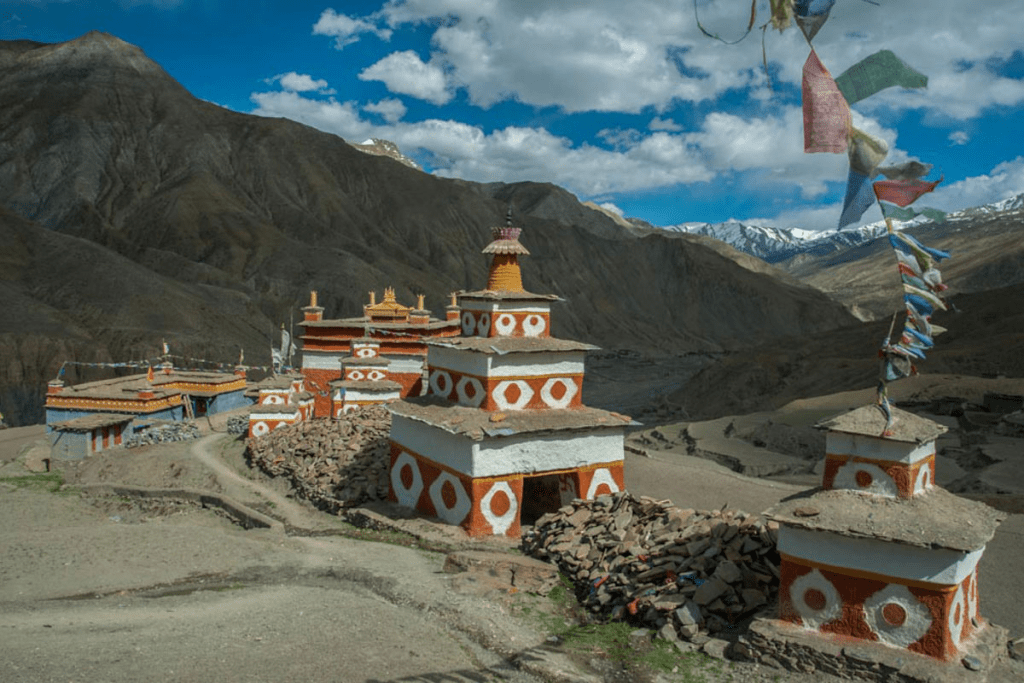
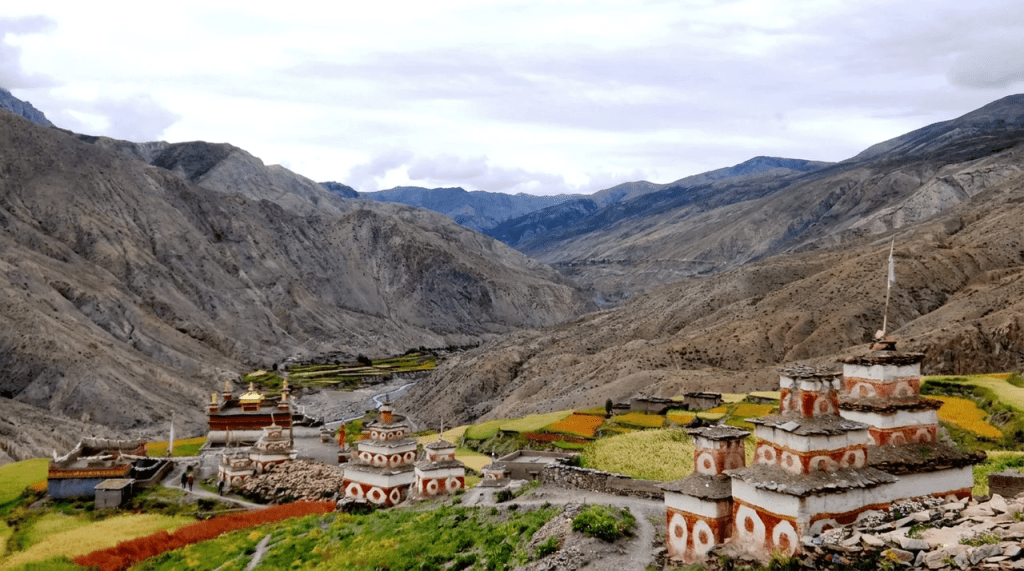
Here is what most trekking pages won’t tell you. Dolpo is not just a landscape, it is one of the last strongholds of a centuries-old Himalayan way of life. The people here are ethnically and culturally Tibetan, and the region holds rare pockets of Bon, the pre-Buddhist faith that predates Tibetan Buddhism itself. Crystal Mountain near Shey Gompa is a major pilgrimage site, circled by devotees on a sacred kora.
You walk past mani walls carved with mantras, spin prayer wheels worn smooth by generations, and share trails with salt caravans that have crossed these passes for centuries. Treat it with respect. Ask before photographing people, walk clockwise around stupas and mani walls, and remember that you are a guest in a place that has guarded its traditions precisely because it was so hard to reach.
How to Plan Trekking Dolpo Nepal in Monsoon
Start early. Because permit processing runs two to three weeks and Upper Dolpo demands a month on the ground, this is a trek to lock in months ahead, not weeks. Choose a reputable agency that runs full camping logistics, since you cannot legally or practically do this independently.
Pack for range. August days can be pleasant at lower elevations and freezing on the high passes, so layers matter more here than on almost any other Nepal trek. Bring a proper sleeping bag rated for cold, because you are camping, not bunking in heated lodges.
If you are still deciding when to go, our breakdown of the best time to visit Nepal puts Dolpo’s monsoon window in context against the rest of the trekking calendar. And if this is your first big Himalayan trek, read our trekking in Nepal for beginners guide before committing to something this remote. Dolpo is a stunning choice, but it is rarely the right place to learn the basics.
For official, current information on entry rules and tourism updates, the Nepal Tourism Board is the source worth checking before you finalize anything.
Frequently Asked Questions
Is trekking Dolpo Nepal really possible during the monsoon?
Yes, and it is one of the best times to go. Dolpo sits in a rain shadow north of the main Himalayan range, so July and August bring far less rain than the rest of Nepal. Trails stay dry while the foothill treks turn muddy. The only real monsoon risk is flight delays to Juphal, so build in buffer days.
How much does a Dolpo trek cost in permits alone?
As of early 2025, Upper Dolpo’s restricted permit is USD 500 per person for the first 10 days plus USD 50 for each extra day. Lower Dolpo is around USD 20 per person per week. On top of that, Shey Phoksundo National Park entry runs roughly USD 25 to 30. Flights, guides, and camping logistics push the total much higher.
Can I trek Dolpo solo?
No. Dolpo is a restricted area, so solo trekking is banned. You need a minimum of two trekkers traveling together with a registered guide booked through a licensed agency. Individual permit applications are not accepted.
What is the difference between Lower Dolpo and Upper Dolpo?
Lower Dolpo is shorter, around 10 to 14 days, cheaper, and centered on Phoksundo Lake. Upper Dolpo is a 24 to 27 day expedition covering 260 to 280 km, crossing passes above 5,000 meters and reaching Shey Gompa. Upper Dolpo costs far more and demands serious time and fitness.
Are there teahouses in Dolpo?
Barely. Villages are spread too far apart for a lodge network, so almost every Dolpo trek is a fully supported camping trek. Your crew carries tents, kitchen gear, and supplies, and you sleep under canvas most nights.
How do I get to Dolpo?
Most trekkers fly from Kathmandu to Nepalgunj, then take a small plane to the airstrip at Juphal, where the trail begins. Those flights are weather-dependent, which is why a couple of spare days are essential during monsoon.
How high does the Dolpo trek go?
Phoksundo Lake sits at around 3,600 meters. Upper Dolpo itineraries climb much higher, crossing passes like Kang La at roughly 5,320 meters. Proper acclimatization is essential, and altitude sickness is a genuine risk on the higher routes.
Do I need previous trekking experience for Dolpo?
For Lower Dolpo, reasonable fitness and some hiking background are enough. Upper Dolpo is another matter entirely. Long days, high passes, and weeks of camping make it a poor choice for a first major trek. Build up on a more established route first.