


Kathmandu never really sleeps. Its streets hum with traffic, dust, and endless motion. So, when your mind starts craving quiet, it helps to know where to go. That’s exactly where Namobuddha and Balthali retreats come in. Tucked into the hills of Kavre district, these two spots offer something rare.
They give tired travelers a genuine chance to slow down. Together, they form one of Nepal’s best short escapes for peace seekers. This guide walks you through both places in detail. It also verifies the facts so you can plan with confidence.
Why Peace Seekers Choose Namobuddha and Balthali
Namobuddha and Balthali sit close together, roughly 35 to 40 kilometers southeast of Kathmandu. Because of that closeness, many travelers combine both stops into one trip. First, they find silence among monks and prayer flags. Then, they unwind in a farming village surrounded by rice terraces. This combination makes Namobuddha and Balthali retreats especially appealing. You get spiritual depth and rural calm in a single, easy journey. Furthermore, neither destination requires days of trekking or high-altitude acclimatization. Instead, a short drive or a gentle hike gets you there. As a result, even travelers with limited time can experience real stillness.


Namobuddha: A Sacred Hilltop Sanctuary
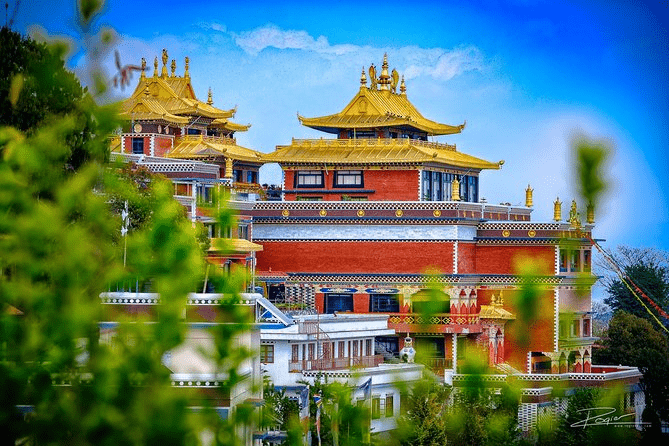
Namobuddha rests at an altitude of about 1,750 meters. It sits within Kavre district, roughly 40 kilometers from the capital. Consequently, the air feels noticeably cooler and cleaner than in Kathmandu. Birdsong replaces traffic noise almost immediately.
The Legend Behind the Name
According to Buddhist tradition, this hill marks a powerful moment. It is believed that Siddhartha Gautam, in a previous life, offered his own body here. He did so to save a starving tigress and her cubs. This act of selfless compassion gave the site its name and its spiritual weight. Today, pilgrims and travelers alike visit to honor that story. Because of this legacy, Namobuddha ranks among Nepal’s most significant Buddhist pilgrimage sites.
Life Inside the Monastery
Namobuddha isn’t just a viewpoint or a photo stop. It functions as an active monastic community. Visitors can join morning and evening prayer sessions with resident monks. Chanting fills the courtyard at sunrise, creating a deeply calming rhythm. Meditation sessions are held regularly, welcoming both beginners and experienced practitioners. Additionally, the monastery offers Tibetan language classes for curious visitors. These range from beginner lessons to more advanced instruction. For those wanting a longer commitment, structured retreats are also available. Programs vary from short weekend sessions to a longer five-week retreat. That particular retreat focuses on cultivating Bodhicitta, or compassion for all beings. A dedicated retreat center north of the main temple supports serious practitioners. It includes twelve rooms and its own temple space for quiet study.
What to See and Do
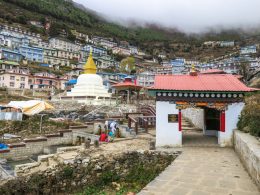
Beyond the meditation halls, Namobuddha rewards slow exploration. Intricately painted murals decorate the temple walls throughout the complex. Stupas and prayer wheels invite quiet reflection as you wander. Nearby, the Chorten of Namobuddha offers another peaceful stop for pilgrims. Meanwhile, hiking trails wind through the surrounding Himalayan foothills. These paths pass through villages home to Tamang and Newar communities. In places like Manegaun, daily life has changed little over centuries. You might see Tamang women grinding grain in traditional striped aprons. Locals are known for being especially warm and welcoming to visitors. Meals at Namobuddha are simple, mindful, and entirely vegetarian. Most retreat packages include fresh, locally sourced ingredients. This keeps the entire experience aligned with monastic values.
Getting There
Most travelers reach Namobuddha by private car or organized tour from Kathmandu. The route follows the Araniko Highway through Newari villages and farmland. Many trips stop first in Dhulikhel for panoramic mountain views. From there, a gentle hike leads onward to Namobuddha itself. Overnight retreat packages typically run two to three days. This length gives guests enough time to settle into the monastery’s rhythm.
Balthali: A Village Retreat Among the Rice Terraces
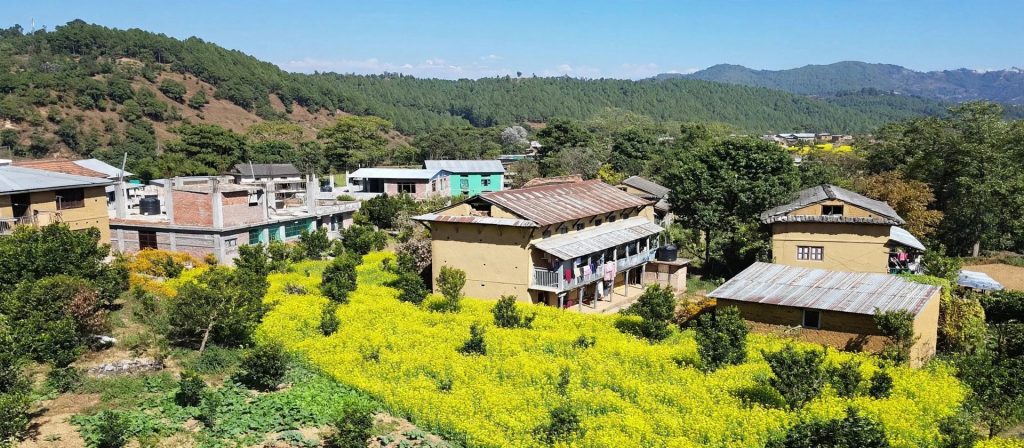
After the intensity of monastic life, Balthali offers a different kind of peace. This small village sits in the Panauti Valley, also within Kavre district. It lies about 35 kilometers from Kathmandu, close to Namobuddha itself. Because the two sites are so near each other, many itineraries link them directly.
A Village Shaped by Tradition
Balthali is a classic Nepalese farming village. Green hills and terraced rice fields surround it on every side. Orange orchards add color and scent during harvest season. The community here has preserved its traditions carefully over generations. Newar craftsmanship remains visible in local architecture and daily customs. Meanwhile, seasonal festivals give visitors a genuine window into village life. Staying in Balthali means slowing down to match the village’s own pace.
Homestays That Build Real Connection
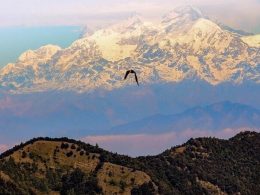
Unlike hotel stays, Balthali’s homestays put you inside a real Nepali household. The Balthali Kolbhanjyang Community Homestay is one well-known option. It includes thirteen host houses, offering thirty-six rooms and seventy-two beds combined. Guests share meals with host families and learn local customs firsthand. This kind of immersion is hard to find elsewhere near Kathmandu. For travelers wanting more comfort, Balthali Village Resort offers another choice. It sits atop a hill with sweeping views of the Mahabharat range. On clear days, guests can spot Manaslu, Langtang, and even Everest. The resort provides twelve deluxe cottages along with modern amenities. Either option supports the same goal: authentic rest away from the city.
Things to Do Around Balthali
Balthali rewards travelers who enjoy gentle activity paired with scenery. Hiking trails connect the village directly to Namobuddha itself. Other paths climb toward the Mahabharat Hills for wider Himalayan views. History lovers can visit the Kamala Devi Temple nearby. Cyclists and off-road enthusiasts sometimes explore the area by mountain bike or jeep. Bird-watching is another quiet pleasure here, especially near dawn. Rivers running through the valley stay clean and inviting for a short walk. Altogether, Balthali blends light adventure with genuine cultural immersion.
Getting There
Reaching Balthali is straightforward from Kathmandu. Regular buses run through Banepa and Panauti toward the village. Alternatively, private vehicles cover the same distance in under two hours. Many travelers arrive by combining a Namobuddha stay with a short onward hike. This route naturally links the two Namobuddha and Balthali retreats into one journey.
Planning Your Retreat: Practical Tips for Peace Seekers
Before you go, a little planning goes a long way. First, pack layers, since hill weather shifts quickly through the day. Second, bring cash, since many small shops near the monastery prefer it. Third, dress modestly when visiting temple grounds out of respect. Fourth, confirm your homestay or monastery booking in advance during festival season. Finally, allow at least two to three days for the full experience. This gives you time to absorb both the spiritual and rural sides of the trip. Ultimately, unhurried travel is what makes these retreats work so well.
Best Time to Visit Namobuddha and Balthali
Timing shapes your experience significantly in these hill regions. Spring, from March to May, brings clear skies and blooming rhododendrons. Autumn, from September to November, offers similarly crisp mountain views. During these months, Himalayan peaks are usually most visible from Balthali. Meanwhile, monsoon season, from June to August, turns the hills lush and green. Rice terraces look their best during this wetter stretch. However, trails can turn muddy, so sturdy footwear becomes essential. Winter brings cooler temperatures but generally stays dry and pleasant. Overall, both spring and autumn suit most travelers seeking comfortable conditions.
Why This Combination Works So Well
Some travelers ask why pair a monastery with a farming village. The answer lies in contrast. Namobuddha offers structure, discipline, and sacred history. Balthali offers warmth, informality, and everyday village rhythm. Moving between the two creates a fuller picture of Nepali life. First, you witness devotion inside ancient temple walls. Then, you witness resilience inside a working rice terrace. Together, these experiences deliver something more complete than either alone. That is the real strength behind Namobuddha and Balthali retreats. They don’t just offer scenery. They offer perspective.
Conclusion
Inner stillness isn’t always found on a distant mountain summit. Sometimes, it’s found just a short drive from a busy capital. Namobuddha and Balthali retreats prove exactly that. One offers centuries of Buddhist devotion and quiet monastic rhythm. The other offers village warmth, terraced fields, and genuine hospitality. Together, they create a short journey with lasting impact. Whether you’re drawn to meditation, hiking, or simply slower mornings, this route delivers. For peace seekers near Kathmandu, few options feel this complete. Pack light, arrive with an open mind, and let the hills do the rest.
Frequently Asked Questions
How far are Namobuddha and Balthali from Kathmandu?
Namobuddha sits about 40 kilometers from Kathmandu, while Balthali is roughly 35 kilometers away. Both are reachable within two to three hours by road.
Can I visit both Namobuddha and Balthali in one trip?
Yes. Many travelers combine both stops, since hiking trails connect the two directly. A two- to three-day itinerary comfortably covers both places.
Is Namobuddha suitable for non-Buddhist travelers?
Absolutely. While it holds deep religious significance, the monastery welcomes visitors of all backgrounds. Guests can join meditation sessions and explore the grounds respectfully.
What is Balthali known for?
Balthali is known for its terraced rice fields, community homestays, and mountain views. It offers an authentic look at rural Nepali life near the capital.
What should I pack for a Namobuddha or Balthali retreat?
Pack warm layers, comfortable walking shoes, cash for small purchases, and modest clothing. Weather in the hills can shift quickly, so preparation helps.
When is the best time to visit these retreats?
Spring and autumn offer the clearest skies and best mountain visibility. Monsoon season brings lush greenery, though trails may be muddier during that period.
Do I need trekking experience to visit Balthali or Namobuddha?
No prior trekking experience is required. Trails between the two sites involve gentle hiking suitable for most fitness levels.