


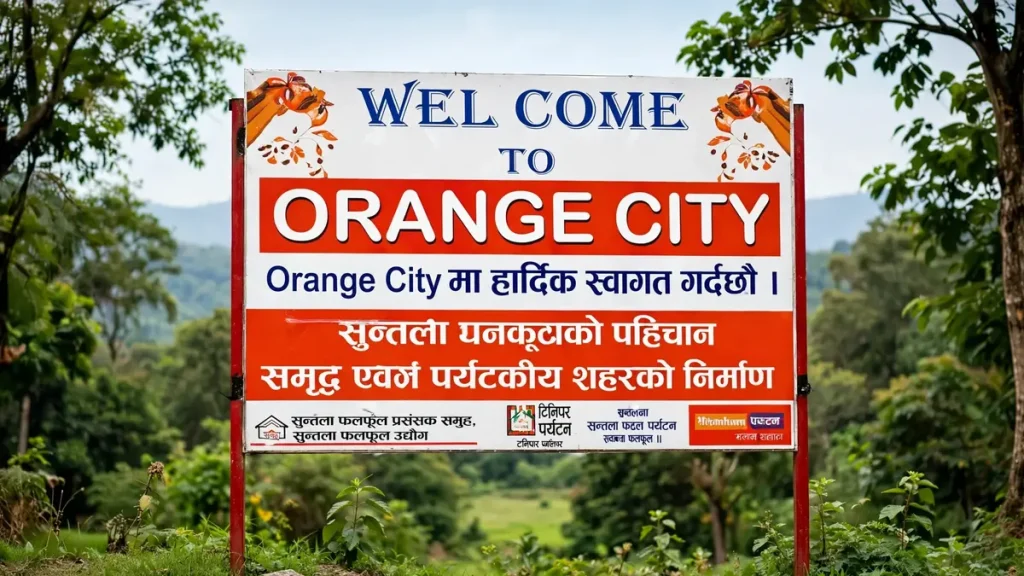
Tucked into the hills of eastern Nepal, Mathlo Kopche has quietly become one of the country’s most charming comeback stories. Once a forgotten settlement, this small neighborhood in Dhankuta now draws travelers with its rows of bright orange houses. Today, it goes by a new nickname, the Orange City. In this guide, we will explore its history, its dramatic transformation, and everything worth seeing when you visit Mathlo Kopche.
Understanding Mathlo Kopche means understanding a much bigger story about community revival. So, let’s dig into how this quiet hillside settlement became one of Dhankuta’s most talked-about destinations.
Where Is Mathlo Kopche?
Mathlo Kopche sits within Ward No. 5 of Dhankuta Municipality, in Dhankuta District. This district lies in Koshi Province, in the eastern hills of Nepal. Dhankuta itself sits at an altitude of roughly 1,150 to 1,220 meters, giving the whole area a mild, pleasant climate.


The name “Mathlo” translates to “upper,” which distinguishes this area from Tallo Kopche, its lower counterpart. Together, these two neighborhoods form the historic settlement that locals simply call Kopche. Because of its hillside position, Mathlo Kopche offers sweeping views over the surrounding valleys and terraced farmland.
Getting here is fairly straightforward for a hill town. Dhankuta lies about 415 kilometers from Kathmandu by road, and travelers often pass through Bhedetar on the way. Once you reach Dhankuta Bazaar, Mathlo Kopche is only a short walk or drive away.
The History Behind Kopche’s Rise and Fall
Before it became known as the Orange City, Kopche led a very different life. For more than 200 years, it functioned as a major commercial hub, not just for Dhankuta but for the entire eastern hill region. Traders, travelers, and local families once filled its narrow lanes with daily activity.
This golden era began to fade once modern roads arrived. When the road finally reached Dhankuta around 1986 or 1987, trade routes shifted away from Kopche almost overnight. Ironically, the very infrastructure that helped other parts of the district thrive left Kopche behind.
By the early 1990s, the decline had become severe. Around 1994, Kopche had faded into near obscurity, as many residents packed up and left. Houses stood empty, shops shuttered their doors, and the once-bustling lanes grew quiet. For nearly three decades, Kopche existed mostly as a memory of what it used to be.
How Mathlo Kopche Became the Orange City
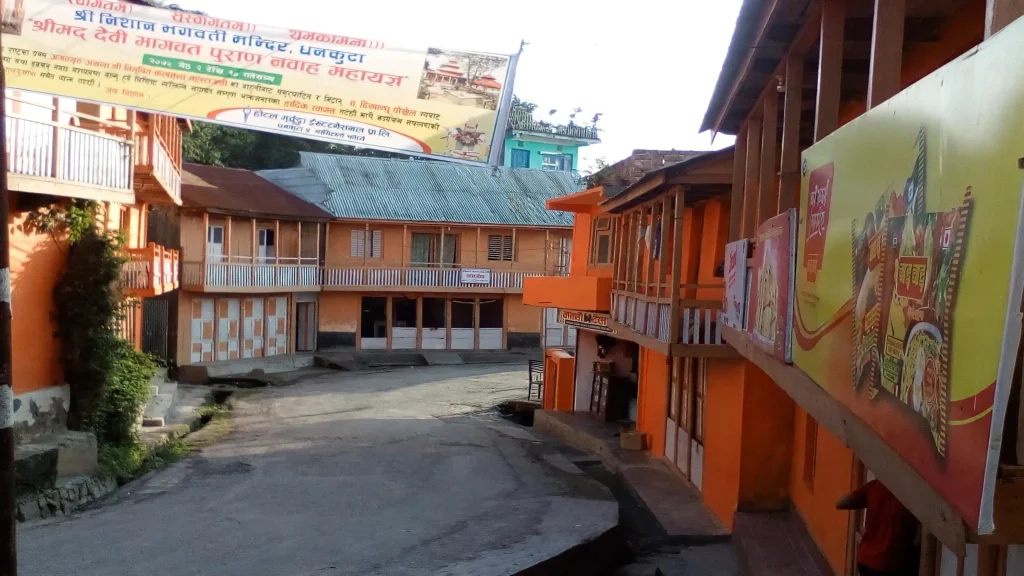
Every comeback story needs a turning point, and Kopche’s arrived through local determination. In May 2021, residents came together with a shared decision that something had to change. This grassroots effort became known as the Kopche Revival Campaign.
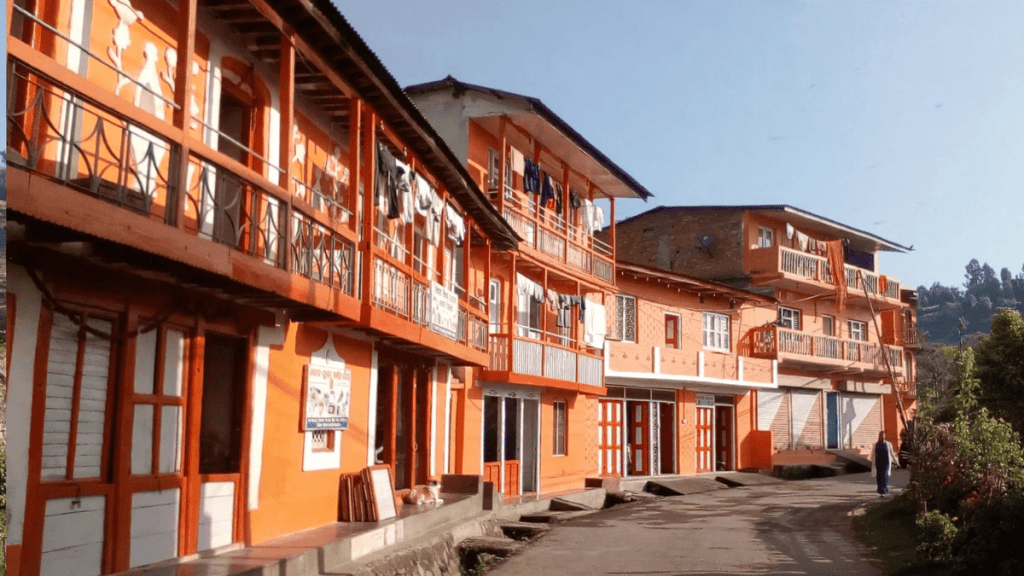
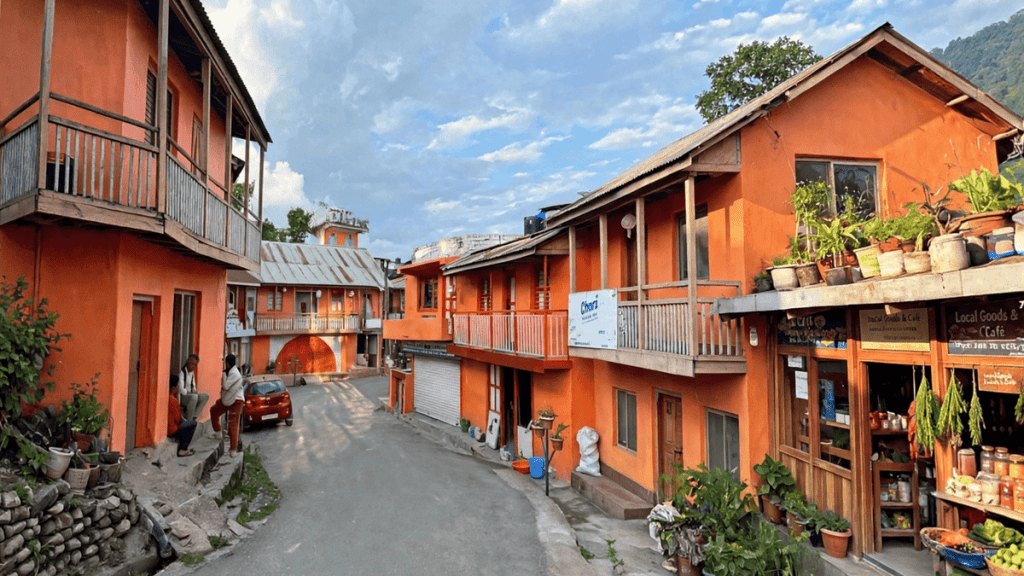
The idea behind the transformation was refreshingly simple. Local committees decided to paint every house in the area a uniform shade of orange. According to Govinda Rai, President of the Mathlo Kopche Tole Lane Organization, the goal was to attract tourists while celebrating local identity.
The color choice carried real meaning, too. Orange was chosen because Dhankuta is famous for its juicy oranges, a crop that has long defined the local economy. Beyond agriculture, community leaders explained that the shared color also unifies residents under a single visual identity, reminding everyone that they belong to one community first.
The results came quickly. Within just a few years, the Kopche Revival Campaign restored collapsing old houses, reopened shuttered shops, and welcomed back visitors. Partners like the Nepal Tourism Board, ICIMOD, Digo Bikas Institute, the Community Homestay Network, HUSADEC-Nepal, and Smart Paani supported the effort alongside residents.
By 2021, the community had organized its first Kopche Festival, marking a symbolic restart for the neighborhood. Since then, momentum has continued to build, transforming Mathlo Kopche into a full-fledged tourist destination under its new identity as the Orange City.
What Makes Mathlo Kopche Worth Visiting
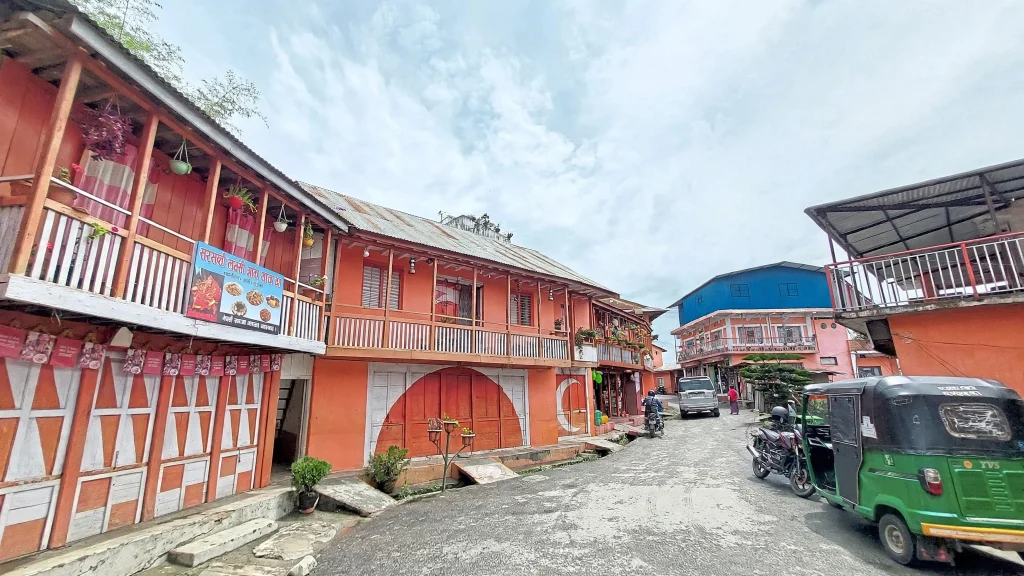
So, what exactly will you find when you walk through Mathlo Kopche today? The answer blends architecture, culture, and a genuinely welcoming atmosphere.
Traditional Newari-Style Architecture
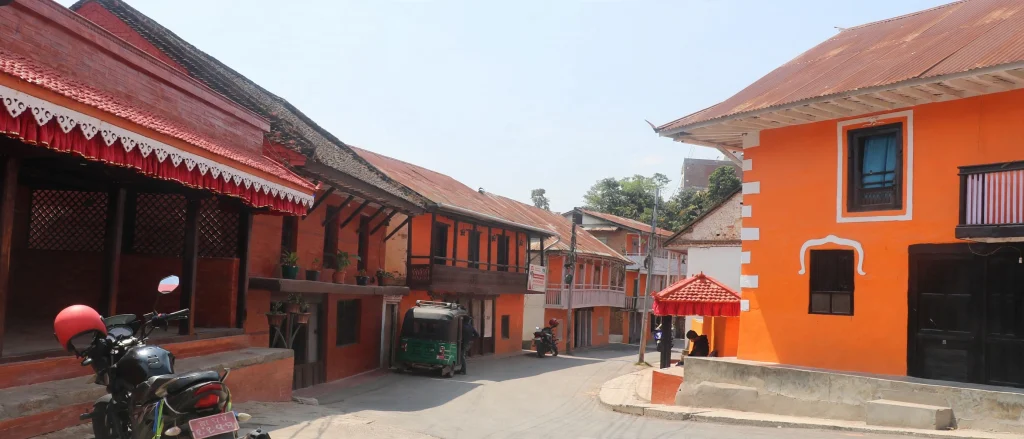
As you wander the narrow streets, you will notice houses built in classic Newari style. Many homes feature terracotta tiles, carved wooden details, and whitewashed walls beneath their orange facades. This architectural style reflects Dhankuta’s long history as a predominantly Newari town.
Rows of Orange Houses
Naturally, the star attraction here is the color itself. Nearly every home along the main lane wears the same vibrant orange, creating one continuous, photogenic streetscape. Locals and visitors alike often stop simply to admire how the color ties the entire neighborhood together.
Homestays and Local Hospitality
Instead of large hotels, Mathlo Kopche leans into community-based tourism. A mix of homestays, small guesthouses, and family-run shops now fills many of the restored buildings. Staying with a local family gives visitors a genuine taste of daily life in the hills.
Rest Houses and Community Spaces
Throughout Kopche, you will also find rest houses where both visitors and locals gather to relax. These spaces reflect the community-driven spirit behind the entire revival project, offering a place to pause and chat with neighbors.
The Kopche Festival
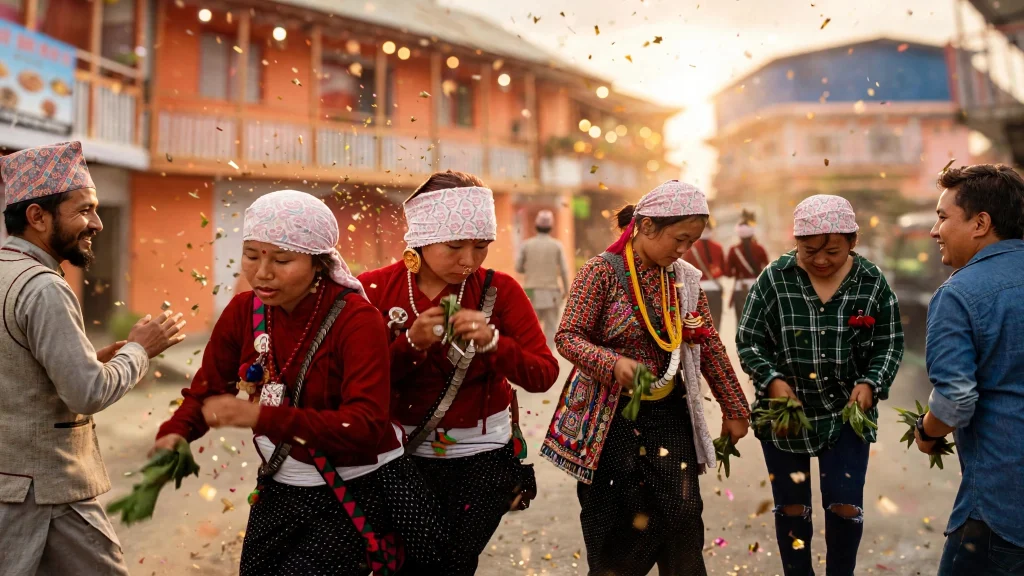
If your timing lines up, try to catch the annual Kopche Festival. This event celebrates the neighborhood’s revival through cultural programs, community dialogue, and local traditions. It offers one of the best windows into how residents view their own transformation.
Nearby Attractions Around Dhankuta
Since Mathlo Kopche sits within Dhankuta town, it pairs naturally with several other nearby destinations. Extending your trip lets you experience the full range of what eastern Nepal has to offer.
The Provincial Museum
Just a five-minute drive from the Dhankuta bus park, the provincial museum sits adjacent to the Dhankuta Municipality Office in Mathlo Kopche. Originally established in 2039 BS as a regional museum, it now operates under provincial oversight. Keep in mind that it stays closed on Tuesdays.
Bhedetar Hill Station
About 16 kilometers from Dhankuta, Bhedetar offers dramatic weather shifts and wide mountain views. On clear days, visitors can spot distant snow peaks from lookout points like Charles Point. Many travelers choose to stay overnight here before continuing their journey.
Namaste Falls
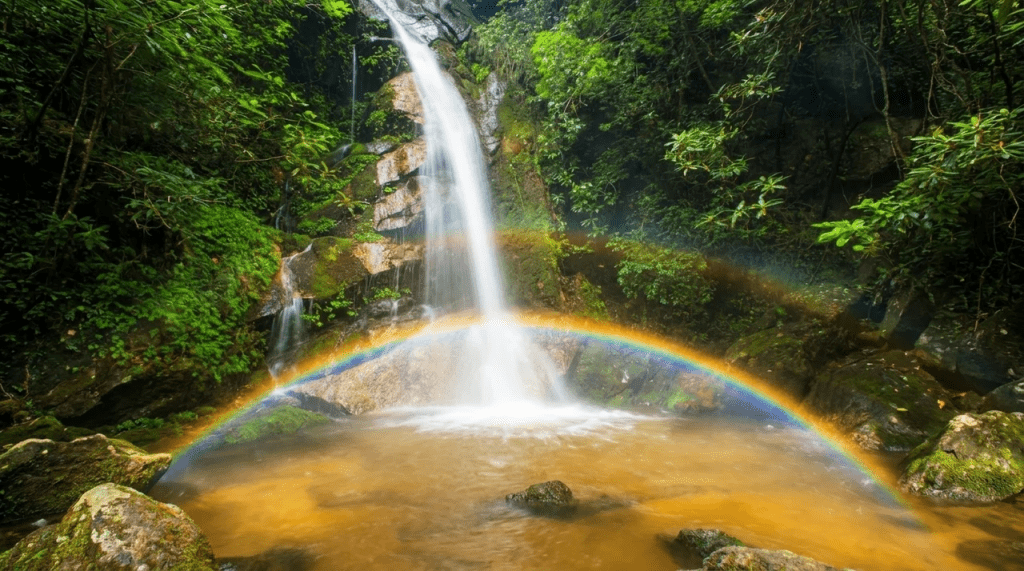
Near Bhedetar, Namaste Falls drops roughly 80 meters through lush, green surroundings. The trail leading to the waterfall winds through forest, making it a rewarding short trek for nature lovers.
Rajarani Lake
Tucked into the Rajarani Valley, this peaceful wetland attracts birdwatchers and anyone seeking quiet nature walks. Conservation groups help maintain the area, adding to its untouched charm.
Mulghat and the Tamor River
Down near the Tamor River, Mulghat offers opportunities for rafting and riverside relaxation. The old Vishranti temple nearby adds a peaceful, spiritual note to the area.
Local Food and Flavors to Try
No visit to Mathlo Kopche feels complete without sampling regional food. Dhankuta’s citrus orchards produce some of Nepal’s most celebrated oranges, and trying them fresh from local farms is a simple pleasure. Beyond fruit, the region is known for millet-based meals, seasonal vegetables, and homemade pickles.
Traditional dishes like Dhido and Gundruk remain local favorites, alongside Sel Roti, a sweet, ring-shaped rice bread. You might also come across the famous Dhankuta biscuit, a local specialty enjoyed throughout eastern Nepal.
Best Time to Visit Mathlo Kopche
Since Dhankuta sits at a moderate hill altitude, it stays comfortable across most of the year. Many travelers favor the summer and monsoon months for lush, green scenery throughout the district. However, clearer skies during drier months often provide better mountain visibility from nearby viewpoints like Bhedetar.
Regardless of season, mornings tend to offer the calmest light for photographing the orange houses of Kopche. If you plan to combine your visit with hiking around Bhedetar or Namaste Falls, check trail conditions beforehand, since monsoon rains can make paths slippery.
Why Mathlo Kopche Matters Beyond Tourism
Mathlo Kopche represents something bigger than a pretty photo backdrop. It shows how a community can reclaim its own identity through collective effort. Local leaders often point to other revived heritage towns, such as Kathmandu’s Hadigaun, as inspiration for preserving old architecture while welcoming modern tourism.
This balance between preservation and progress defines the entire Orange City movement. Rather than replacing old buildings, residents restored them. Rather than erasing local identity, they built a new one rooted in color, community, and pride.
Final Thoughts
Mathlo Kopche proves that even a nearly forgotten village can rewrite its own story. From a bustling 200-year-old trading hub to a quiet, emptied settlement, and finally to Nepal’s beloved Orange City, this small corner of Dhankuta reflects resilience at every turn. Whether you come for the orange-painted streets, the Newari architecture, or the warm hospitality of local homestays, Mathlo Kopche offers a genuinely memorable stop in eastern Nepal. So, next time you plan a trip through Dhankuta, make sure Mathlo Kopche earns a place on your itinerary.
Frequently Asked Questions
Why are the houses in Mathlo Kopche painted orange?
Locals chose orange because Dhankuta is famous for its juicy oranges. The color also unifies the community under one shared identity.
What is the difference between Mathlo Kopche and Tallo Kopche?
“Mathlo” means upper and “Tallo” means lower. Together, these two neighborhoods form the historic Kopche settlement in Dhankuta.
How did Mathlo Kopche become known as the Orange City?
Residents launched the Kopche Revival Campaign in 2021, restoring old houses and painting them orange to attract tourism.
How far is Mathlo Kopche from Dhankuta Bazaar?
Mathlo Kopche sits within Ward No. 5 of Dhankuta Municipality, just a short walk or drive from the main bazaar area.
What other attractions are near Mathlo Kopche?
Nearby highlights include Bhedetar hill station, Namaste Falls, Rajarani Lake, the provincial museum, and the Tamor River at Mulghat.
Is Mathlo Kopche a good place for homestays?
Yes, the neighborhood now offers a mix of homestays, small guesthouses, and family-run shops for visitors seeking local hospitality.