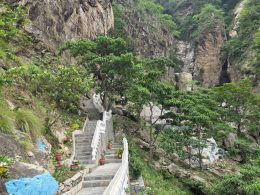



Kathmandu, the capital city of Nepal, is often the first destination international travellers experience when arriving in the country. Home to Nepal’s only international airport, Tribhuvan International Airport, the city is the main gateway for visitors exploring Nepal.
But Kathmandu is much more than an entry point. Known for its ancient temples, historic palaces, traditional architecture and vibrant culture, the city offers a glimpse into Nepal’s rich history and religious heritage.
Kathmandu Valley is home to seven monument zones collectively recognised as a UNESCO World Heritage Site. Although exploring the entire valley can take several days, travellers with limited time can still experience some of its most important attractions.


Here are five places you should not miss when visiting Kathmandu, even on a tight schedule.
1. Pashupatinath Temple
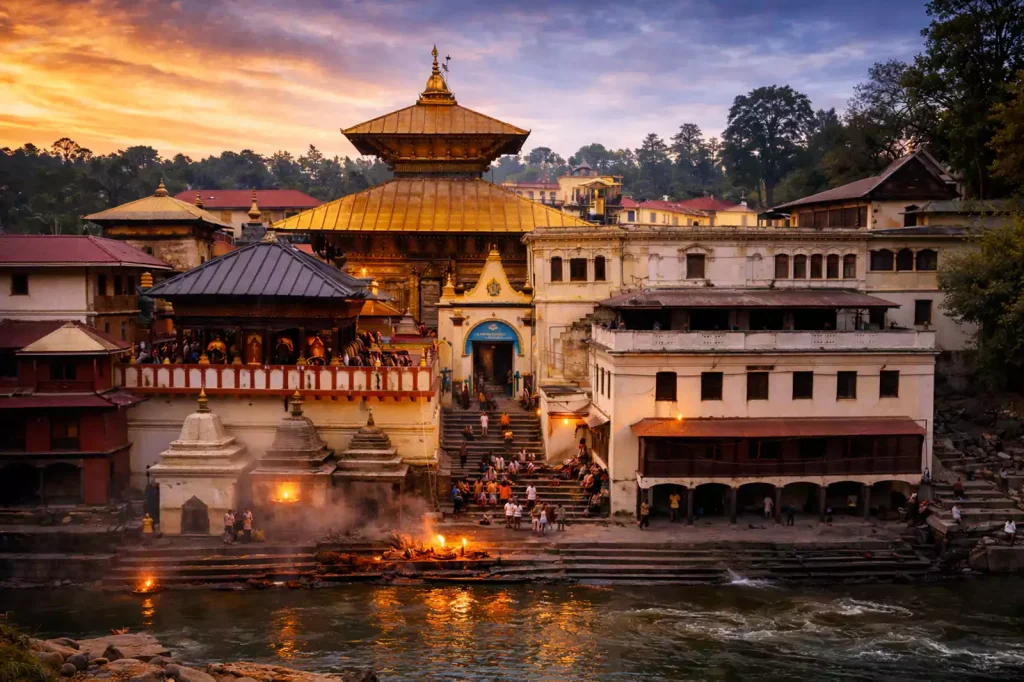
One of the holiest Hindu temples in Nepal, Pashupatinath Temple is dedicated to Lord Shiva and is located on the banks of the Bagmati River. It attracts millions of Hindu pilgrims from Nepal and around the world every year.
Even if you are not Hindu, visiting this temple offers an opportunity to understand Nepal’s religious traditions, architecture and cultural practices. You can also observe traditional Hindu rituals along the Bagmati River ghats.
The temple is a UNESCO World Heritage Site and is conveniently located just a short drive from Tribhuvan International Airport.
Why visit: To experience Nepal’s Hindu religious heritage, traditional architecture and sacred rituals.
2. Kathmandu, Patan and Bhaktapur Durbar Squares, and Narayanhiti Palace
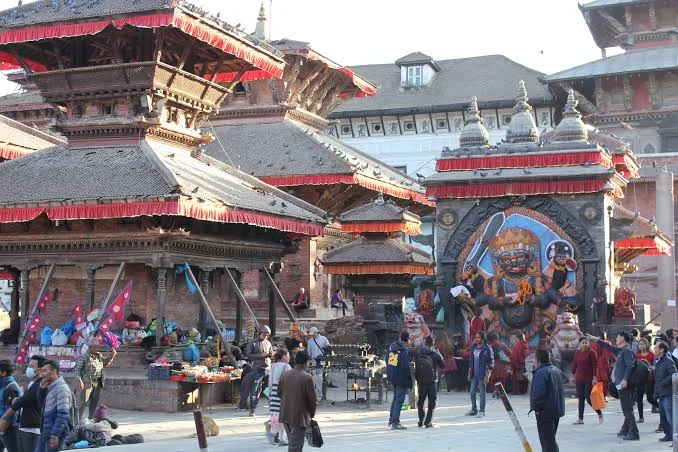
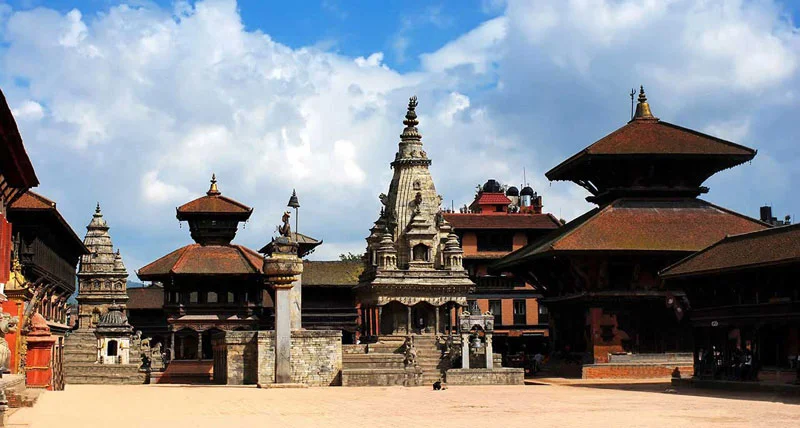
Kathmandu Valley’s historic palaces reflect the region’s royal history and traditional Newari craftsmanship. The three Durbar Squares of Kathmandu, Patan and Bhaktapur are among the valley’s most important heritage attractions.
- Kathmandu Durbar Square: Located in the heart of the old city, it features Hanuman Dhoka Palace, historic temples and traditional architecture.
- Patan Durbar Square: Situated in Lalitpur, it is famous for its artistic temples, stone sculptures, Krishna Mandir and Patan Museum.
- Bhaktapur Durbar Square: Known for its traditional buildings, 55-Window Palace, Golden Gate and nearby Nyatapola Temple.
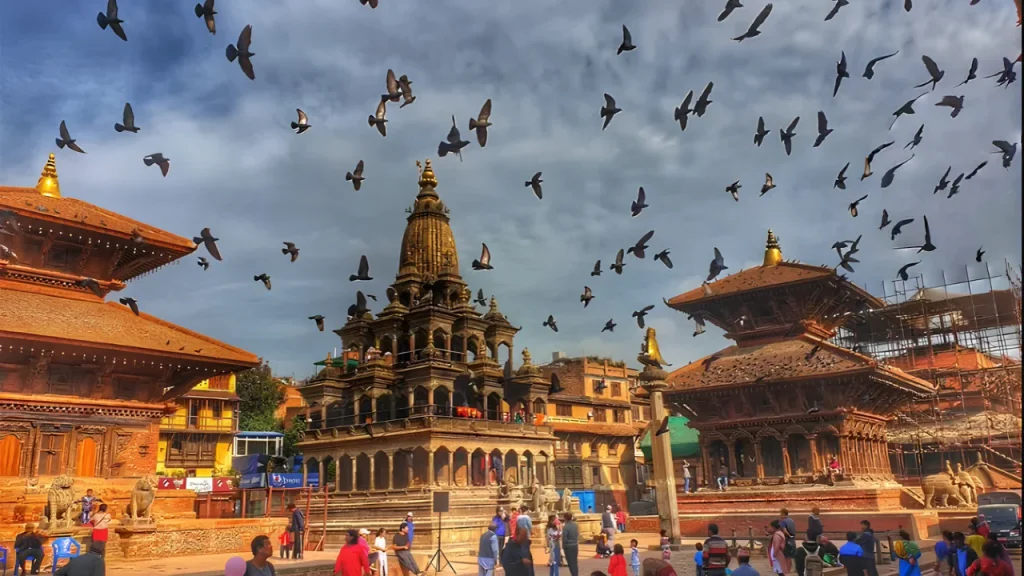
These historic squares offer visitors a glimpse into the lives of the Malla kings and the artistic achievements of the Newar community.
For those interested in Nepal’s more recent royal history, Narayanhiti Palace Museum is another worthwhile stop. It was once the residence of Nepal’s monarchs and now displays parts of the former royal palace, offering insight into the Shah Dynasty.
Why visit: To explore Nepal’s royal history, traditional architecture, temples and cultural craftsmanship.
3. Kumari Bahal
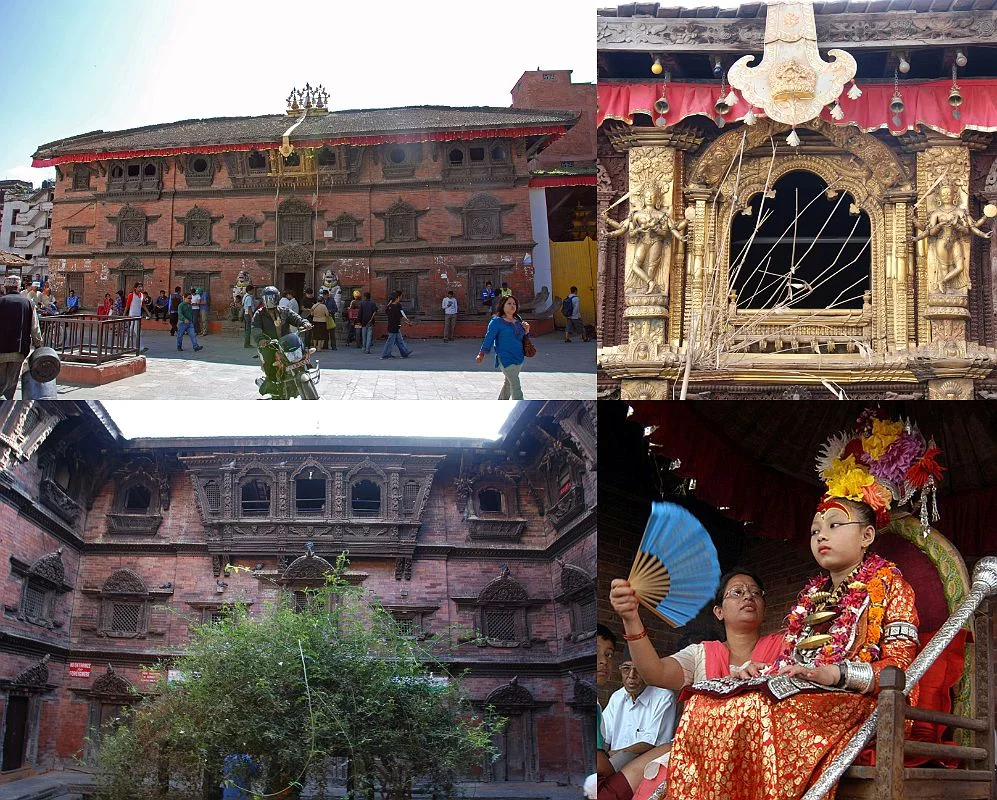
Located inside Kathmandu Durbar Square, Kumari Bahal, also known as Kumari Ghar, is the residence of Nepal’s living goddess, Kumari.
The Kumari tradition is an important part of Nepal’s religious and cultural heritage, particularly among the Newar community. A young girl is selected through a traditional process and worshipped as a living manifestation of the goddess Taleju until she reaches puberty.
Built in the 18th century, the palace is known for its beautiful brick façade and intricately carved wooden windows. Visitors may sometimes get an opportunity to see the Kumari from the courtyard, depending on her schedule and palace rules.
Why visit: To learn about Nepal’s unique living goddess tradition and admire traditional Newari architecture.
4. Swayambhunath Temple
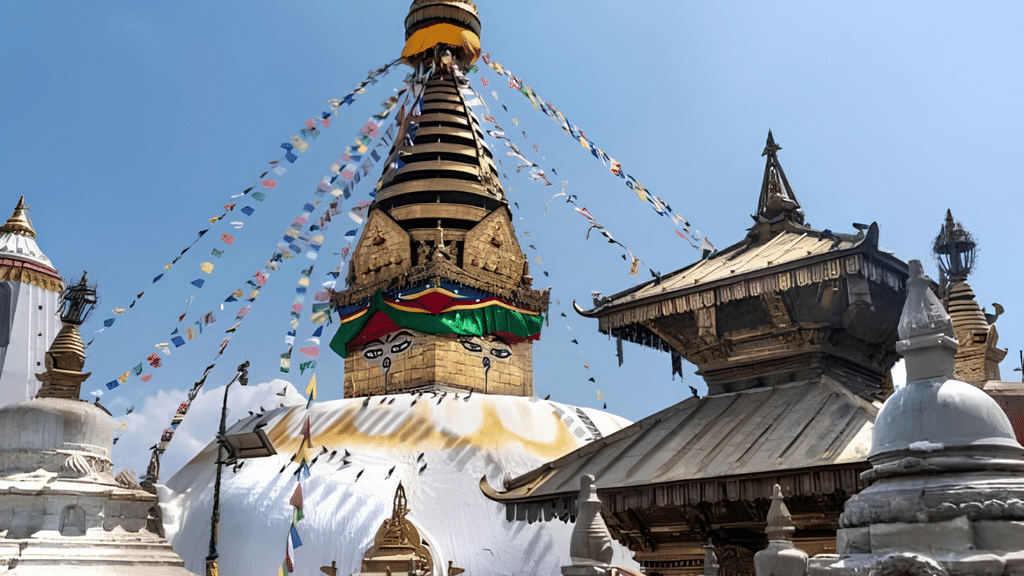
Situated on a hilltop overlooking Kathmandu Valley, Swayambhunath Temple, popularly known as the Monkey Temple, is one of the city’s most recognisable religious landmarks.
The main stupa is famous for its white dome, golden spire and Buddha’s all-seeing eyes. The surrounding complex features smaller shrines, prayer wheels and monasteries, making it an important pilgrimage destination for Buddhists.
Visitors can climb the staircase to reach the main stupa and enjoy panoramic views of Kathmandu Valley. The combination of religious significance, historic architecture and scenic surroundings makes Swayambhunath a must-visit destination.
Why visit: To explore Buddhist heritage, experience a peaceful religious atmosphere and enjoy beautiful valley views.
5. National Museum of Nepal
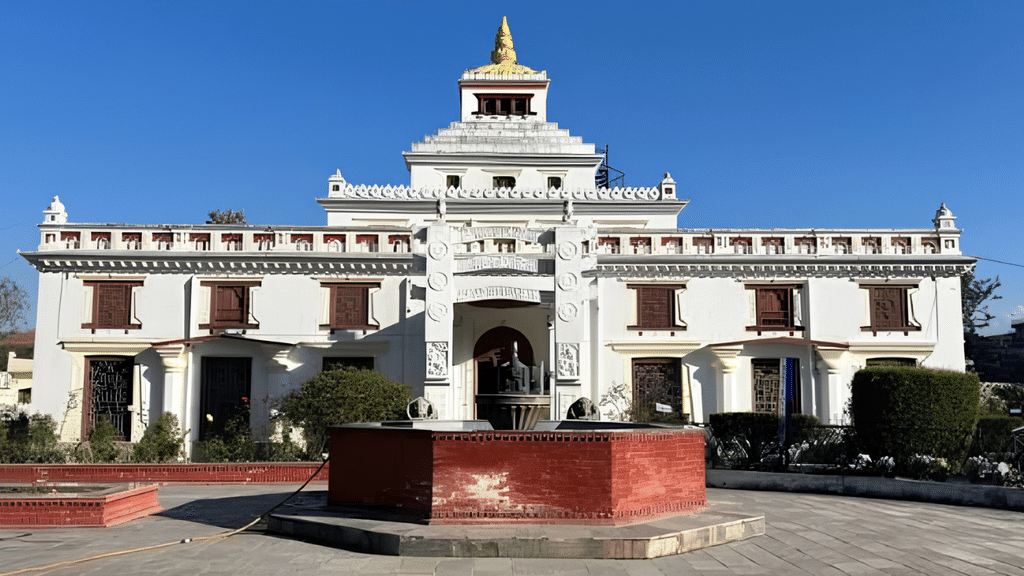
Located in Chhauni, near Swayambhunath, the National Museum of Nepal is one of the country’s oldest museums. It preserves important historical and cultural collections that help visitors understand Nepal’s past.
The museum displays historical weapons, sculptures, paintings, coins and archaeological objects. These collections provide insight into Nepal’s history, religious traditions, art and cultural development.
It is an especially interesting destination for travellers who want to learn more about Nepal beyond its temples and palaces.
Why visit: To explore Nepal’s historical artefacts and gain a deeper understanding of its cultural heritage.
How to Explore Kathmandu on a Tight Schedule
If you have limited time, planning your route can help you visit more places without spending too much time travelling.
- Half a day: Prioritise Pashupatinath Temple, Kathmandu Durbar Square and Kumari Bahal.
- One full day: Add Swayambhunath and, if time permits, the National Museum.
- Two days: Explore Kathmandu’s major attractions on the first day, then visit Patan and Bhaktapur Durbar Squares on the second day.
Keep in mind that Kathmandu traffic can be unpredictable, so avoid including too many distant attractions in a single-day itinerary.
Frequently Asked Questions (FAQs)
1. What are the must-visit places in Kathmandu for first-time visitors?
Pashupatinath Temple, Kathmandu Durbar Square, Kumari Bahal and Swayambhunath are among the most popular places for first-time visitors.
2. Can I explore Kathmandu in one day?
Yes. You can visit several major attractions in one day by planning your route carefully. However, exploring all three Durbar Squares may require additional time.
3. Which tourist attraction is closest to Tribhuvan International Airport?
Pashupatinath Temple is one of the major tourist attractions closest to the airport, making it a convenient stop for travellers with a short layover.
4. Which Durbar Square is best to visit?
All three have something different to offer. Kathmandu Durbar Square is known for its royal history, Patan for its art and architecture, and Bhaktapur for its traditional buildings and cultural atmosphere.
5. How many days are enough to explore Kathmandu Valley?
Two to three days are a good starting point for visiting the major attractions in Kathmandu, Patan and Bhaktapur. You may need more time if you want to explore museums, local markets and less-visited heritage sites.
Conclusion
Kathmandu is more than just a gateway to Nepal’s mountains and trekking destinations. It is a city filled with history, religious traditions, artistic architecture and cultural experiences.
Even with a tight schedule, visiting a few of its major attractions can help you understand what makes Kathmandu special. Instead of rushing through every destination, choose places that interest you most and take time to appreciate their history and significance.
Planning your trip to Kathmandu? Explore more travel guides, destination recommendations and cultural stories on NepalVue. Discover Nepal’s remarkable destinations and make your next journey memorable.3