


Everest Base Camp is one of Nepal’s most iconic trekking destinations, but reaching it is about much more than seeing Mount Everest. The journey takes trekkers through the heart of the Khumbu, where dramatic Himalayan landscapes meet Sherpa culture, Buddhist monasteries, mountain villages, glaciers, and high-altitude trails.
The classic Everest Base Camp trek generally takes around two weeks, although the exact duration varies according to the itinerary, acclimatization schedule, weather, and starting point. The route usually passes through Lukla, Namche Bazaar, Tengboche, Dingboche or Pheriche, Lobuche, and Gorak Shep before reaching Everest Base Camp.
If you are planning the trek in 2026, here are some important facts to know before you go.


Lukla Is the Gateway to Everest
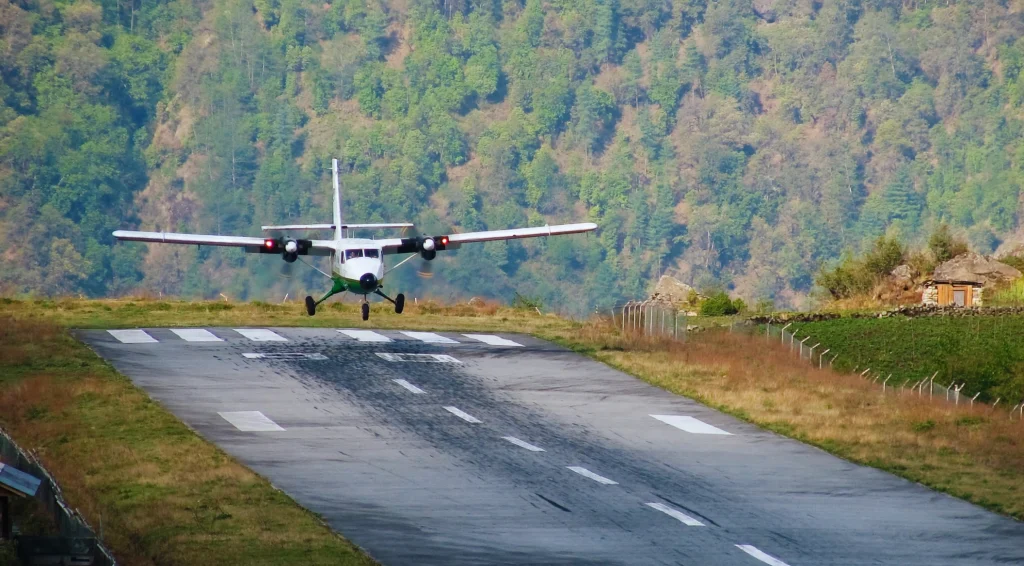
For the classic route, the adventure usually begins with a flight to Lukla, often described as the gateway to the Everest region. From Lukla, trekkers follow the Dudh Koshi Valley toward Namche Bazaar and deeper into the Khumbu.
Lukla’s mountain location and weather-dependent flights are part of the experience. Flight schedules can also vary by season and operating conditions, so travelers should leave some flexibility in their itinerary.
The Trek Takes You Into Sagarmatha National Park
Everest Base Camp lies within Sagarmatha National Park, a UNESCO World Heritage Site and one of Nepal’s most important protected mountain landscapes.
The park covers forests, alpine terrain, glaciers, and high Himalayan ecosystems. Nepal Tourism Board lists 118 bird species in the park, including the Himalayan monal, blood pheasant, red-billed chough, yellow-billed chough, snowcock, and Himalayan griffon. Wildlife recorded in the area includes Himalayan tahr, musk deer, pika, Himalayan black bear, wolf, lynx, and snow leopard.
Seeing these animals is not guaranteed, but the possibility adds another dimension to the trek.
The Weather Can Change Quickly
Weather in the Everest region can change rapidly, particularly at higher elevations. A clear morning can become cloudy, windy, or extremely cold within a short period.
This is one reason trekkers should avoid treating the journey like a fixed sightseeing trip. Flight delays, changing trail conditions, and weather can all affect the itinerary.
Everest Base Camp Is Not the Summit
One of the most important facts for first-time trekkers is that Everest Base Camp is not the summit of Mount Everest.
Base Camp serves as an expedition staging area for climbers attempting to reach the summit. Trekkers reach the camp at approximately 5,364 metres, while the summit of Mount Everest stands far higher.
Reaching Base Camp therefore does not require technical mountaineering skills, but the trek still demands good physical preparation and careful acclimatization.
Kala Patthar Offers One of the Best Everest Views
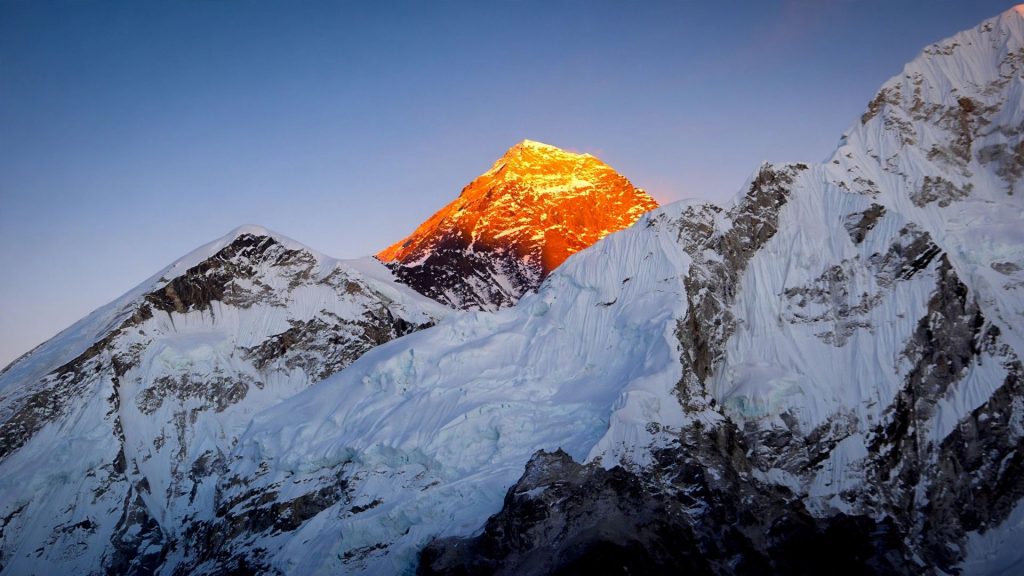
Everest Base Camp itself is not necessarily the best place to see Mount Everest.
The nearby viewpoint of Kala Patthar is famous for its panoramic Himalayan views. From this area, trekkers can see Mount Everest alongside other major peaks of the region.
For many trekkers, the sunrise or early-morning view from Kala Patthar becomes one of the defining moments of the journey. Nepal Tourism Board also highlights Kala Patthar as a popular viewpoint above Gorak Shep.
Namche Bazaar Is More Than a Rest Stop
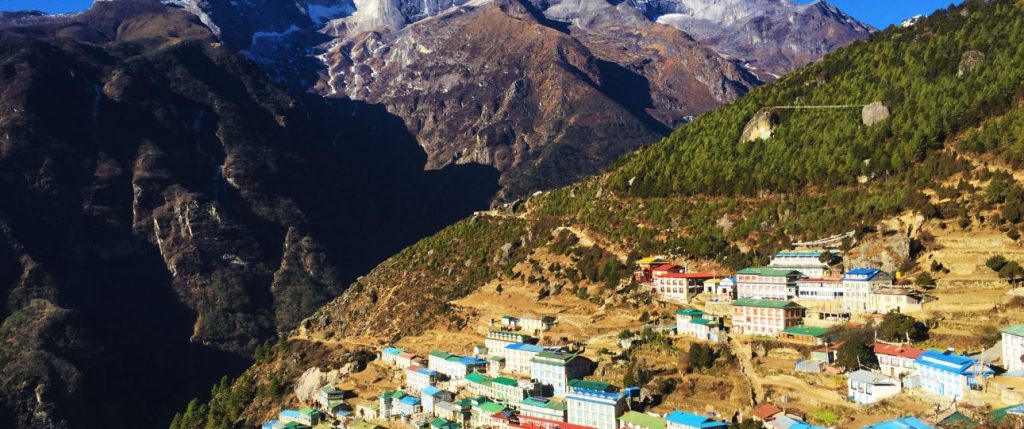
Namche Bazaar is one of the most important settlements on the Everest Base Camp route.
Located in a natural amphitheater, Namche is a major trading and tourism center for the Khumbu. It is also commonly used as an acclimatization stop.
Rather than rushing through Namche, trekkers generally spend additional time here and take short hikes to nearby viewpoints and villages. Nepal Tourism Board specifically recommends allowing time for acclimatization around Namche.
The Route Is Filled With Sherpa Culture
The Everest Base Camp trek is also a cultural journey.
The trail passes through Sherpa settlements where trekkers encounter Buddhist monasteries, prayer wheels, mani walls, chortens, traditional houses, and mountain communities.
Tengboche is particularly important. Its monastery is one of the best-known monasteries in the Everest region and sits against a spectacular Himalayan backdrop dominated by Ama Dablam.
Tea Houses Are the Main Accommodation
You do not need to camp throughout the classic Everest Base Camp trek.
Tea houses and mountain lodges provide accommodation along much of the route. Nepal Tourism Board lists tea houses, lodges, resorts, and camping among the accommodation options in Sagarmatha National Park.
Facilities generally become more basic as altitude increases. At higher settlements, travelers should expect simpler rooms, shared facilities in some places, and fewer amenities than they would find in Kathmandu or Pokhara.
Internet Is Available Even in the Everest Region
Being deep in the Himalayas does not necessarily mean being completely offline.
Everest Link currently lists Wi-Fi hotspots in major locations along the route, including Lukla, Namche Bazaar, Tengboche, Dingboche, Lobuche, Gorak Shep, Kala Patthar, and Everest Base Camp.
However, connectivity should not be treated like urban high-speed internet. Availability and performance can vary with location, weather, network demand, and infrastructure.
It is still wise to carry a power bank and keep important information available offline.
Acclimatization Is Essential
Altitude is one of the biggest challenges of the Everest Base Camp trek.
The trail climbs gradually from Lukla into increasingly high terrain, making acclimatization days an important part of a responsible itinerary. Namche Bazaar and the Dingboche/Pheriche area are commonly used for acclimatization stops.
The Nepal Tourism Board specifically advises trekkers to spend time acclimatizing around Namche rather than attempting to rush through the area.
You Need the Appropriate Trekking Documentation
The Everest Base Camp route is not a trek where travelers should simply arrive and start walking without checking the current requirements.
Nepal Tourism Board currently lists the Everest Base Camp Trek among the routes requiring a licensed trekking guide and a trekking-agency-issued TIMS card under its revised TIMS provisions. The current NTB page lists the TIMS charge as NPR 2,000 for non-SAARC applicants and NPR 1,000 for SAARC applicants.
There are also protected-area and local entry requirements for the Everest region. Nepal Tourism Board lists the Sagarmatha National Park entry fee for foreign visitors at NPR 3,000, with separate rates for SAARC nationals and Nepali citizens.
Because trekking regulations and local fees can change, travelers should verify the requirements with a registered trekking agency and official authorities before departure.
The Trail Crosses Glaciers and High-Altitude Terrain
The final section of the trek becomes dramatically different from the greener landscapes around Lukla and Namche.
From Lobuche toward Gorak Shep, the trail approaches the Khumbu Glacier. The final walk from Gorak Shep to Everest Base Camp involves glacial and rocky terrain and requires careful footing. Nepal Tourism Board describes this section as challenging terrain where trekkers need to proceed cautiously.
This is one reason proper footwear and appropriate high-altitude preparation matter.
The Everest Region Is Not Quiet During Peak Seasons
The Everest Base Camp route is one of the most popular trekking routes in Nepal.
During the main trekking seasons, the trail and tea houses can become busy. Trekkers should not necessarily expect the complete isolation often associated with Himalayan imagery.
The quieter periods can offer a different experience, but winter conditions and monsoon weather bring their own challenges. Nepal Tourism Board identifies October-November and March-May as the main favorable periods for Sagarmatha National Park, while December-February brings colder conditions and June-September is the rainy season.
The Trek Is More Than a Journey to Everest
One of the biggest misconceptions about Everest Base Camp is that the trek is simply about reaching a single destination.
In reality, the journey itself is the experience.
The trail passes through suspension bridges, forests, mountain villages, Buddhist sites, glacial valleys, and spectacular viewpoints before reaching the base camp. Ama Dablam, Lhotse, Nuptse, Thamserku, and other Himalayan peaks become part of the landscape along the way.
By the time trekkers reach Everest Base Camp, they have already experienced much of what makes the Khumbu special.
Final Thoughts
Everest Base Camp remains one of Nepal’s most remarkable trekking experiences in 2026. It combines the challenge of high-altitude trekking with Himalayan scenery, Sherpa culture, Buddhist heritage, wildlife, glaciers, and mountain hospitality.
From the flight into Lukla and the lively trails around Namche Bazaar to the quiet landscapes above Gorak Shep, every section of the journey offers something different.
And while standing at Everest Base Camp is undoubtedly the goal, the real story lies in everything you experience along the way.
Frequently Asked Questions
1. How long does the Everest Base Camp trek take?
The classic Everest Base Camp trek generally takes around two weeks, although itineraries vary depending on acclimatization days, walking pace, route, weather, and transportation.
2. How high is Everest Base Camp?
Everest Base Camp is approximately 5,364 metres (17,598 feet) above sea level on the Nepal side of Mount Everest.
3. Is Everest Base Camp difficult to reach?
It is a demanding high-altitude trek rather than a technical climbing expedition. Long walking days, steep sections, cold weather, and altitude make physical preparation and acclimatization important.
4. Do I need a guide for the Everest Base Camp trek in 2026?
Nepal Tourism Board currently lists Everest Base Camp among the trekking routes covered by its mandatory licensed-guide and TIMS provisions. Travelers should confirm the latest implementation requirements with a registered trekking agency before starting the trek.
5. Do I need a permit for Everest Base Camp?
Yes. Trekkers need the relevant protected-area and local entry documentation for the Everest region. Nepal Tourism Board currently lists a NPR 3,000 entry fee for foreign visitors to Sagarmatha National Park, with different rates for SAARC nationals and Nepali citizens.
6. Can I stay in tea houses during the Everest Base Camp trek?
Yes. Tea houses and mountain lodges are the standard accommodation option along the classic route. Facilities generally become more basic at higher elevations.
7. Is there Wi-Fi at Everest Base Camp?
Yes. Everest Link lists Wi-Fi hotspots extending through much of the Everest region, including Gorak Shep and Everest Base Camp. However, connectivity can vary and should not be relied upon as consistently as an urban internet connection.
8. Can you see Mount Everest from Base Camp?
Everest is part of the surrounding Himalayan landscape, but Base Camp itself is not necessarily the best viewpoint for the mountain. Kala Patthar is famous for its panoramic views of Everest and the surrounding peaks.
9. What is the best time to trek to Everest Base Camp?
Spring and autumn are generally considered the most favorable periods. Nepal Tourism Board identifies March-May and October-November as the best seasons for Sagarmatha National Park. June-September is the rainy season, while winter brings colder conditions and snow.
10. Do I need mountaineering experience to reach Everest Base Camp?
No technical mountaineering experience is required for the standard trekking route. However, you need reasonable fitness, appropriate equipment, gradual acclimatization, and preparation for high-altitude conditions.
11. What wildlife can I see in Sagarmatha National Park?
The park is home to species including Himalayan tahr, musk deer, pika, Himalayan black bear, wolf, lynx, and snow leopard. It also supports 118 recorded bird species, including the Himalayan monal and blood pheasant. Wildlife sightings are not guaranteed.
12. Is Everest Base Camp worth visiting if I am not a climber?
Yes. You do not need to climb Everest to experience the region. The trek offers Himalayan scenery, Sherpa culture, monasteries, mountain villages, glaciers, and some of the world’s most recognizable mountain landscapes.