



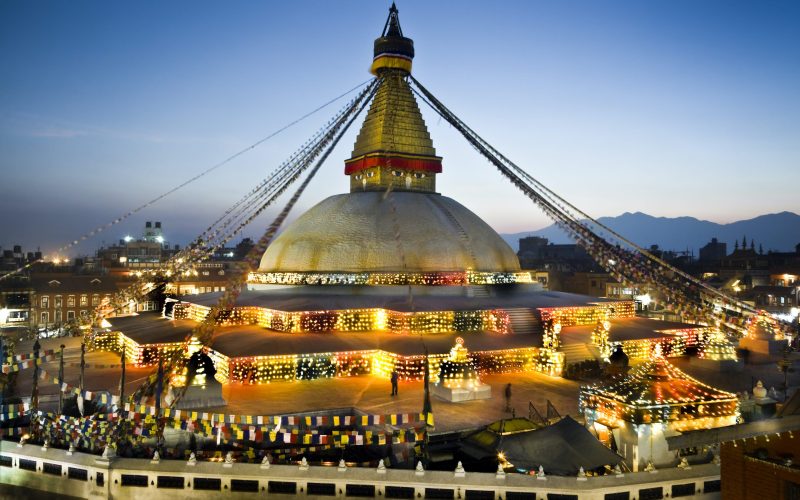
Boudhanath Stupa is a stupa located in Kathmandu and is considered to be one of the largest stupas in the world. In the Tibetan language, Boudha is known to be Jhhyarung Khyasur, which means permission granted. The stupa is about 33 meters high and is considered to be one of the UNESCO World Heritage Sites. Boudhanath Stupa is one of the most revered Buddhist sites in the world. This ancient stupa has a rich history dating back to the 5th century, and it continues to be an important site for Buddhist pilgrims and visitors alike.
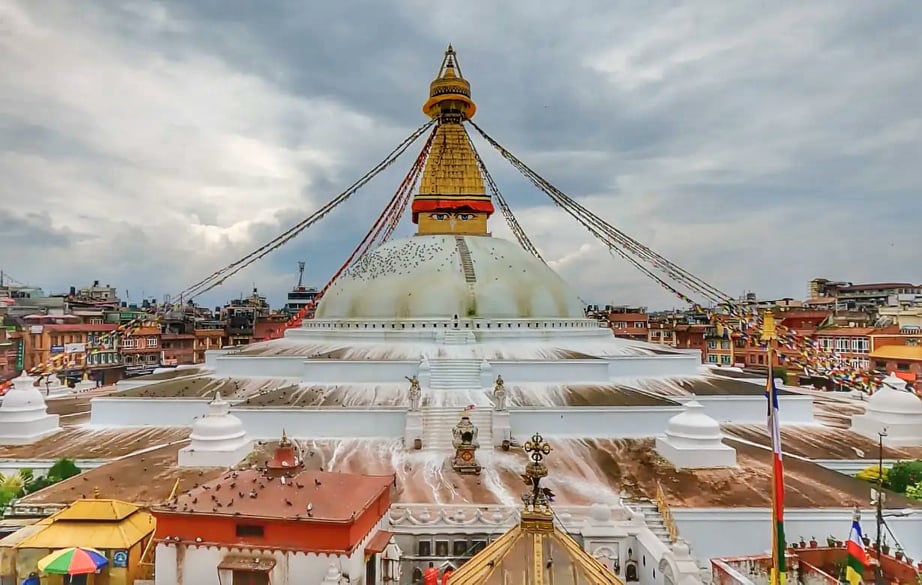
According to legend, the Boudhanath Stupa was built by the Lichchhavi king, Manadeva, in the 5th century AD. It is said to have been built on the site where the bones of a Kasyapa Buddha were buried. The stupa’s design is believed to be inspired by the shape of a mandala, a symbolic representation of the universe.
Since it was built during the year of the bird, Buddhists come here to visit every 12 years. Many Tibetan merchants have rested and offered prayers here for many centuries. In the 1950s, when the refugees entered Nepal from Tibet, many of them decided to settle in Boudhanath. There are the imageries of 108 Gods and Goddesses around the Stupa.


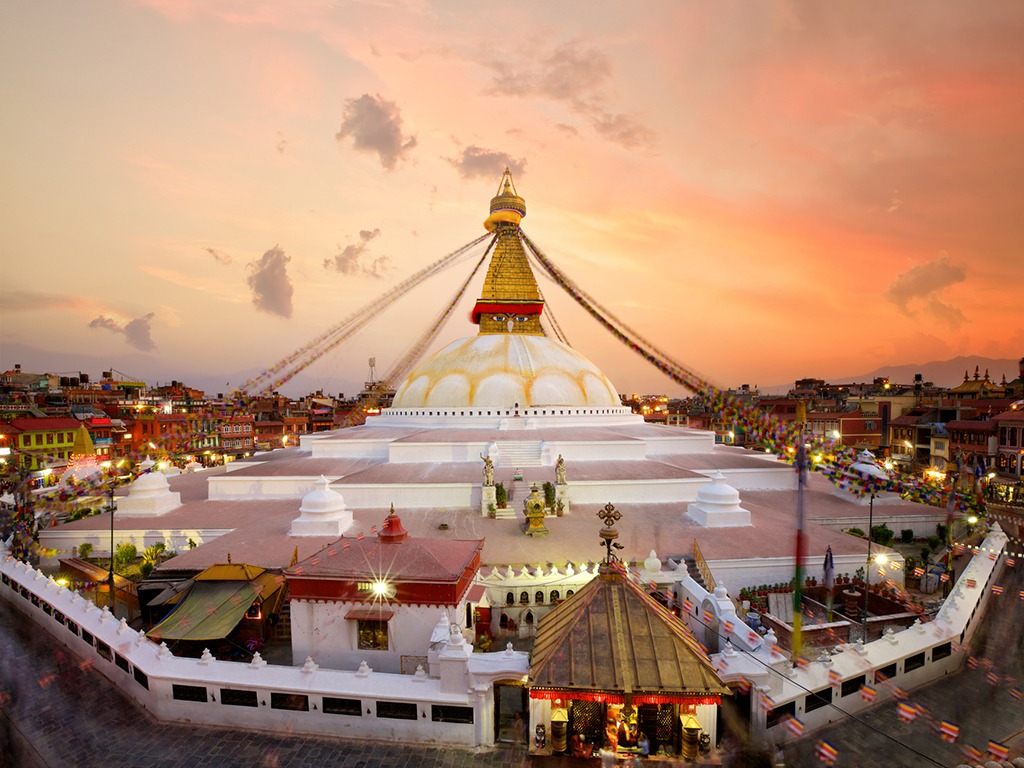
Over the centuries, the stupa has been damaged and rebuilt several times. The most recent restoration was undertaken after the 2015 earthquake in Nepal, which caused significant damage to the stupa and the surrounding area. The renovation and reconstruction were organized by the Boudhanath Area Development Committee (BADC). The repairs were funded entirely by private donations from Buddhist groups and volunteers. According to the BADC, it cost $2.1 million dollars and more than 30kg of gold. The restoration work was completed in 2016, and the stupa was once again open to visitors.
More Destinations in Nepal:
The Boudhanath Stupa is an important site for both Tibetan and Nepali Buddhists. It is said to represent the enlightened mind of the Buddha and is a symbol of peace and harmony. The stupa is also believed to have healing properties and is visited by many people seeking to alleviate their physical and mental ailments.
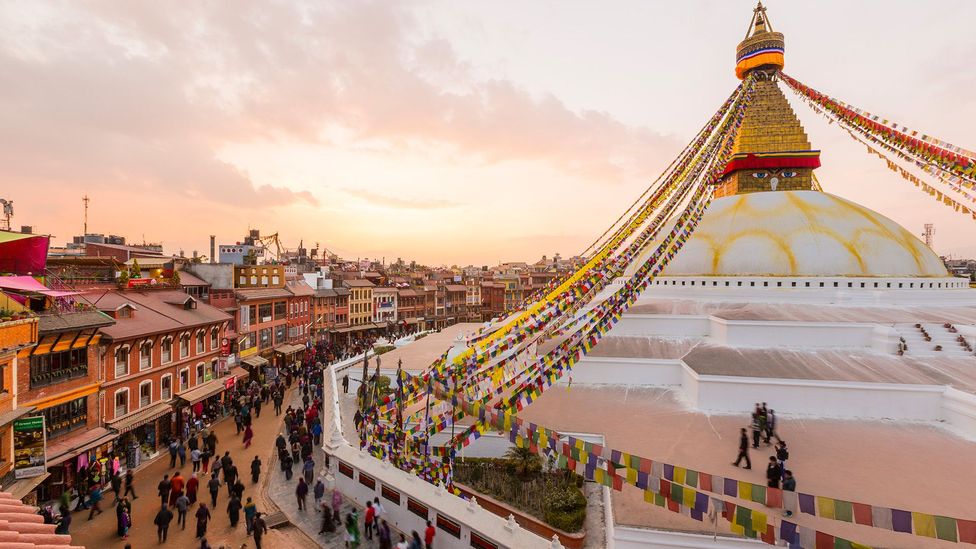
The stupa is surrounded by a bustling market, where visitors can purchase Buddhist souvenirs and handicrafts. The market is also home to several restaurants and cafes, making it a popular spot for tourists to relax and enjoy the sights and sounds of the area.
In conclusion, the Boudhanath Stupa is a remarkable site that holds great significance in the Buddhist religion. Its rich history and cultural importance make it a must-visit destination for anyone interested in Buddhism or Nepal‘s unique heritage.


