


Lumbini is not just another stop on a tourist trail. It is a feeling. This is the peaceful birthplace of Gautam Buddha, a place that whispers stories of peace and enlightenment . People from all over the world come here. They are seeking a deep connection with history and spirituality.
It is a UNESCO World Heritage Site. Over 400,000 visitors arrive every year to walk in the footsteps of the Buddha . The atmosphere is quiet and serene. This is a place to reflect and find inner peace. So, what are the best things to do in Lumbini? Let’s explore the top five experiences you simply cannot miss.
1. Visit the Maya Devi Temple: The Exact Birthplace
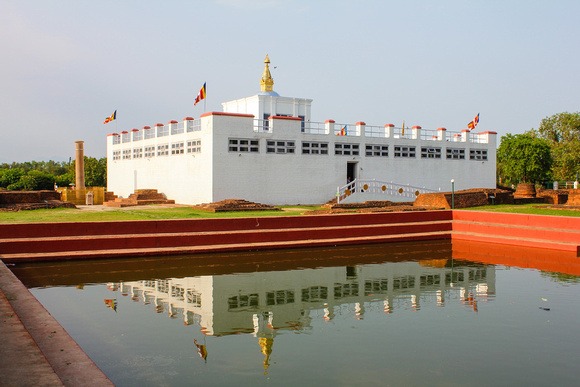
The Maya Devi Temple is the soul of Lumbini . This is the most sacred site here. It stands at the very spot where Queen Maya Devi gave birth to Prince Siddhartha in 623 BC .
What to See Inside and Around
The temple is a beautiful white structure. Its design protects the most ancient ruins. Inside, you will see the Marker Stone. This stone pinpoints the exact location where the Buddha was born . It is a humbling experience to stand before it.
The temple opens early, from 5:00 AM to 8:00 PM . Many pilgrims meditate here. The atmosphere is incredibly solemn and serene.
Explore the Sacred Garden
The temple sits within a sprawling Sacred Garden . This area is spread over 9 square kilometers . As you walk, you will see ancient ruins and stupas . You can also see the Puskarini Pond, also known as the sacred pond. It is believed Queen Maya bathed here before giving birth . The infant Buddha also received his first bath in this very pond .
Tip: Remember to wear modest clothing. Cover your shoulders and knees before you enter. And be prepared to remove your shoes in the temple area. It can get hot, so consider bringing socks! .
2. See the Ashoka Pillar: An Ancient Inscription
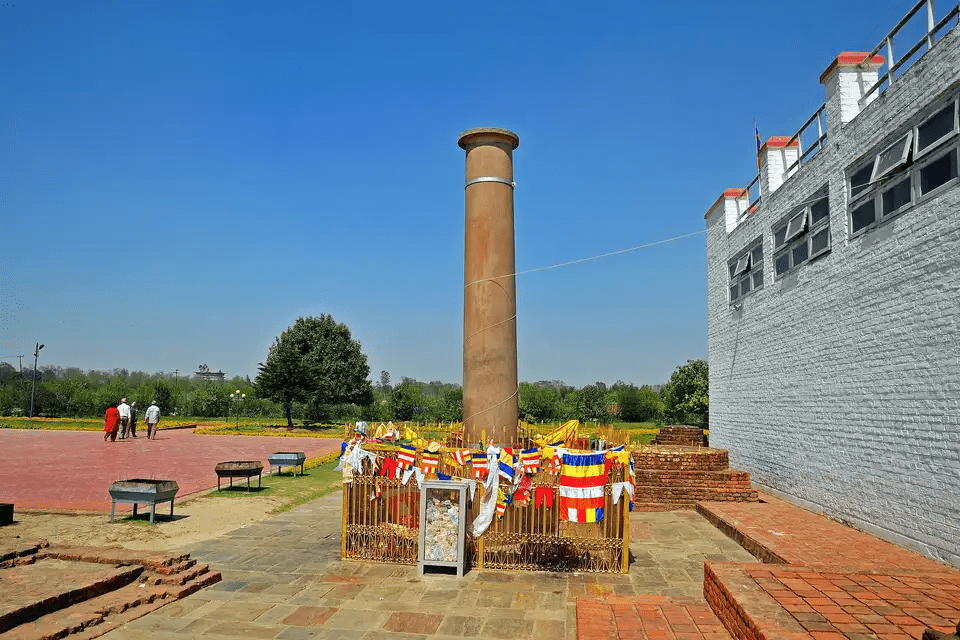
Right next to the temple stands the Ashoka Pillar. This is one of the oldest historical monuments in Nepal . It was erected by the great Indian Emperor Ashoka in 249 BC .
The Proof of Lumbini’s History
The pillar is over 2,000 years old. It has a very important inscription on it. This inscription is written in Brahmi script. It identifies Lumbini as the birthplace of the Buddha . This was vital proof for historians. It helped confirm the site’s authenticity.
A Monument of Faith
Emperor Ashoka visited this site on a pilgrimage. He became a devout Buddhist. The pillar is a symbol of his dedication. The original pillar was found broken. It was rediscovered in 1896 . Today, it stands as a silent witness to history. It is a must-see on any Lumbini tour .
3. Explore the Monastic Zone: Temples from Around the World
One of the best things to do in Lumbini is to visit the Monastic Zone. This is a unique area. It is divided by a long canal, representing the two main traditions of Buddhism .
East Zone: Theravada Traditions
On the eastern side, you will find monasteries from the Theravada tradition. This is the older school of Buddhism. Here, you can see temples from Thailand, Myanmar, and Sri Lanka .
- The Royal Thai Monastery: This is a stunning white building. Its elegant architecture makes it very photogenic. It is very peaceful and welcoming .
- Myanmar Golden Temple: This temple is shaped like a golden bell. It catches the sun beautifully . Its distinct Burmese style is truly captivating.
West Zone: Mahayana and Vajrayana Traditions
Cross the canal to the west side. Here, you will see the Mahayana and Vajrayana traditions. The monasteries here are larger and more ornate. You can see amazing designs from China, Japan, and Germany .
- Chinese Monastery: This temple features traditional Chinese architecture. Its design is very inspiring and beautiful .
- The Great Lotus Stupa (German Temple): This is a must-see. The interior is stunning with incredible murals and statues .
- Korean Temple: Another beautiful example of international Buddhist culture .
Walking through the Monastic Zone feels like a world tour. It is a wonderful place to see how different cultures honor the Buddha. You will find peace and tranquility around every corner .
Pro Tip: The zone is very large. To save energy and cover more ground, rent a bicycle or hire an e-rickshaw for the day .
4. Find Peace at the World Peace Pagoda
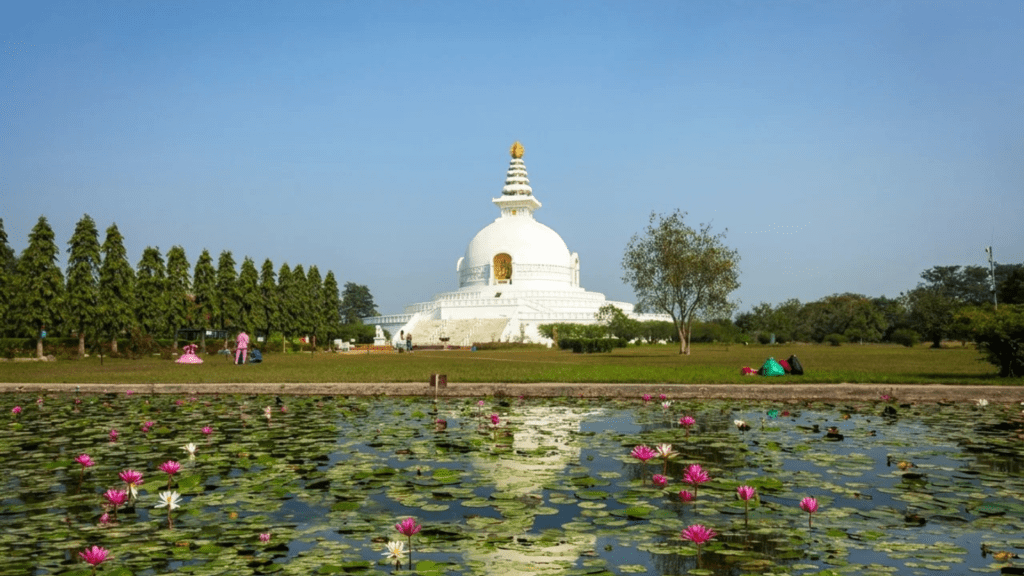
After visiting the temples, head to the World Peace Pagoda. This is a large white stupa built by Japanese monks . It is also known as the Japanese Stupa.
A Symbol of Global Harmony
This pagoda symbolizes peace and harmony for all humanity . It was built to inspire non-violence. The structure is truly magnificent. It stands as a beacon of hope.
Stunning Views and Quiet Reflection
The views from the pagoda are breathtaking. You can see across the plains of Lumbini. The white dome glows beautifully during sunset. It is a perfect place to sit and reflect . You can meditate here. Or, you can simply enjoy the quiet atmosphere. It is the ideal way to end your pilgrimage.
5. Learn History at the Lumbini Museum
To truly understand the significance of Lumbini, visit the Lumbini Museum. It is located near the Monastic Zone .
Discover the Artifacts
The museum was built in 1970. It houses a wealth of information. You can find ancient artifacts and religious manuscripts here . There are also photographs of other significant Buddhist holy sites. It is a perfect place to gain a complete understanding of Buddhism. You can learn about its history and development .
Dedicated to Buddhism
The museum is dedicated to educating visitors. It is a great choice for history lovers. You can see stamps and imitations from around the world . Most visitors spend about 1 to 2 hours exploring the exhibits. It provides a strong foundation for your trip. Understanding the past helps you appreciate the present.
Conclusion: Embrace the Journey
Lumbini is more than a destination. It is an experience that stays with you forever. These are the 5 best things to do in Lumbini, Nepal. Each one offers a unique glimpse into the life of the Buddha and the power of peace.
Visit the humble Maya Devi Temple. See the historical Ashoka Pillar. Travel the world in the Monastic Zone. Find quiet at the World Peace Pagoda. And deepen your knowledge at the Lumbini Museum. Every moment here is a step towards peace and understanding.
So, start planning your journey. Come and feel the serenity for yourself. The spiritual heart of Nepal is waiting for you.
Frequently Asked Questions (FAQ)
What is the best time to visit Lumbini?
The best time to visit is during the cooler months from October to March. The weather is pleasant for exploring. Many people also visit during Buddha Jayanti in April or May for special celebrations .
What is the entry fee for the Maya Devi Temple?
The entry fee for foreign nationals is approximately 500 NPR. However, fees can change, so it is always good to confirm upon arrival. There is also a separate “Sacred Area Conservation Fee” of around 700 NPR for the wider zone .
How can I get to Lumbini from Kathmandu?
The quickest way is to take a flight to Gautam Buddha Airport in Bhairahawa. The flight takes about 30 minutes. From there, it is a 30 to 45-minute drive to Lumbini . You can also take a tourist bus. The road journey takes about 8 to 10 hours .
Is Lumbini worth visiting for non-Buddhists?
Absolutely. It is not just for Buddhists. Lumbini is a place of history and world heritage. Anyone can appreciate the serene atmosphere. It is a beautiful place for photography and peaceful walks. You don’t need to be religious to feel the tranquility .
What should I wear when visiting the temples?
You should dress modestly and respectfully. Make sure your shoulders and knees are covered. You will need to remove your shoes before entering the Maya Devi Temple and other shrines . The ground can be hot, so wearing socks is a smart idea.
How much time do you need to see Lumbini?
You need at least one full day to see the main sites. The Maya Devi Temple and the Monastic Zone take several hours each. If you want a more relaxed pace, consider an overnight stay. This allows you to enjoy the peace of the early mornings and evenings .
Can I stay overnight inside the temple zone?
There are no hotels inside the Sacred Garden, but there are many accommodations in the town nearby. Also, some monasteries, like the Royal Thai Monastery, offer simple accommodation for pilgrims. It is recommended to contact them in advance .