



Ask almost anyone when to visit Nepal and you will hear October. Arrival figures from the last two years tell a more complicated story: October is still the biggest month, but it has stopped growing, while spring and even the monsoon months keep climbing. If you are weighing the best season nepal 2026 question, the old advice is no longer the whole answer. This guide walks through what Nepal Tourism Board monthly numbers actually show, what that means for crowds, prices, and mountain views, and how to choose your dates with the data rather than the folklore.
The Numbers, Plainly
Nepal recorded 1,158,459 international arrivals in 2025, a rise of just under 1 percent over 1,147,548 in 2024. That is roughly 97 percent of pre pandemic volume. Growth was flat overall, but the shape inside the year changed.
Here are the recent monthly figures worth knowing.


| Month | Arrivals | Year on year |
|---|---|---|
| October 2025 | 128,443 | +3.2% |
| November 2025 | 116,553 | +1.8% |
| January 2026 | 92,573 | +15.7% |
| February 2026 | 105,441 | +8.8% |
| March 2026 | 120,516 | strongest month of H1 |
| April 2026 | 107,934 | |
| May 2026 | 102,626 | |
| June 2026 | 91,363 | +19.5% |
| July 2026 | 71,775 | +2.3% |
| August 2026 | 85,444 | -3.6% |
First half of 2026 came to 620,453 arrivals, up 7.4 percent on the 577,689 recorded in the first half of 2025.
Look at March. At 120,516, it landed within about 8,000 visitors of the previous October, a gap that used to be far wider. Spring is closing in on autumn.
What Actually Changed
Three shifts stand out in the recent data.
Winter stopped being empty
January 2026 rose 15.7 percent year on year. February followed with 105,441, reported as the highest February on record. Neither month was ever considered prime season, yet both now clear 90,000 visitors. Warmer low altitude trekking, cheaper flights, and the Indian and Chinese markets traveling outside Western holiday windows all contribute.
The monsoon is no longer dead
July 2026 brought 71,775 arrivals, up from 70,193 in July 2025. August ran to 85,444, which was down 3.6 percent year on year but still far above what the monsoon used to deliver. Rain has not stopped. What changed is that a meaningful number of travelers now accept rain in exchange for empty trails, green landscapes, and lower prices.
Autumn plateaued
October and November 2025 grew, but only by 3.2 and 1.8 percent. Compare that to the double digit growth appearing in January and June. Autumn is close to capacity on the classic routes, and the growth is going elsewhere.
One Important Caveat About 2025
September 2025 fell about 18.9 percent against the previous year, following Gen Z led protests that disrupted transport and shook confidence. Recovery came quickly: October, November, and December all finished above 2024, with December up 6.69 percent.
That matters for reading the data honestly. Part of the autumn flatness reflects a real shock rather than a permanent preference change. Treat the seasonal shift as a trend supported by several years of numbers, not as a single year verdict.
Season by Season, With What the Data Implies
Autumn, late September to November
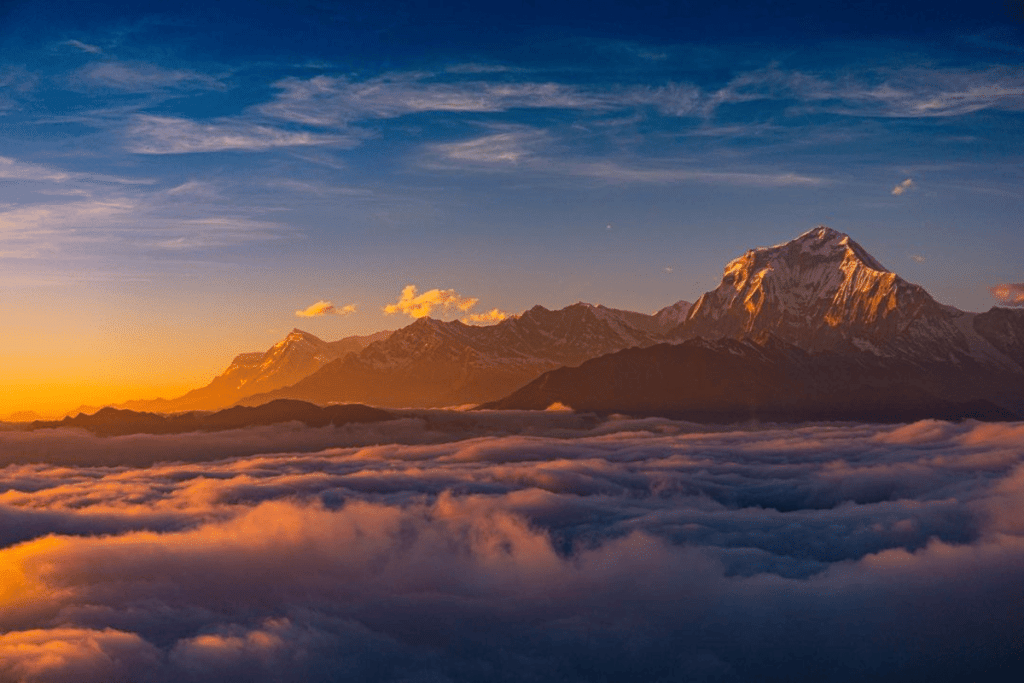
Still the headline season, and still the most reliable for Himalayan visibility. Skies clear after the monsoon, temperatures are comfortable at trekking altitude, and Dashain and Tihar fall in this window.
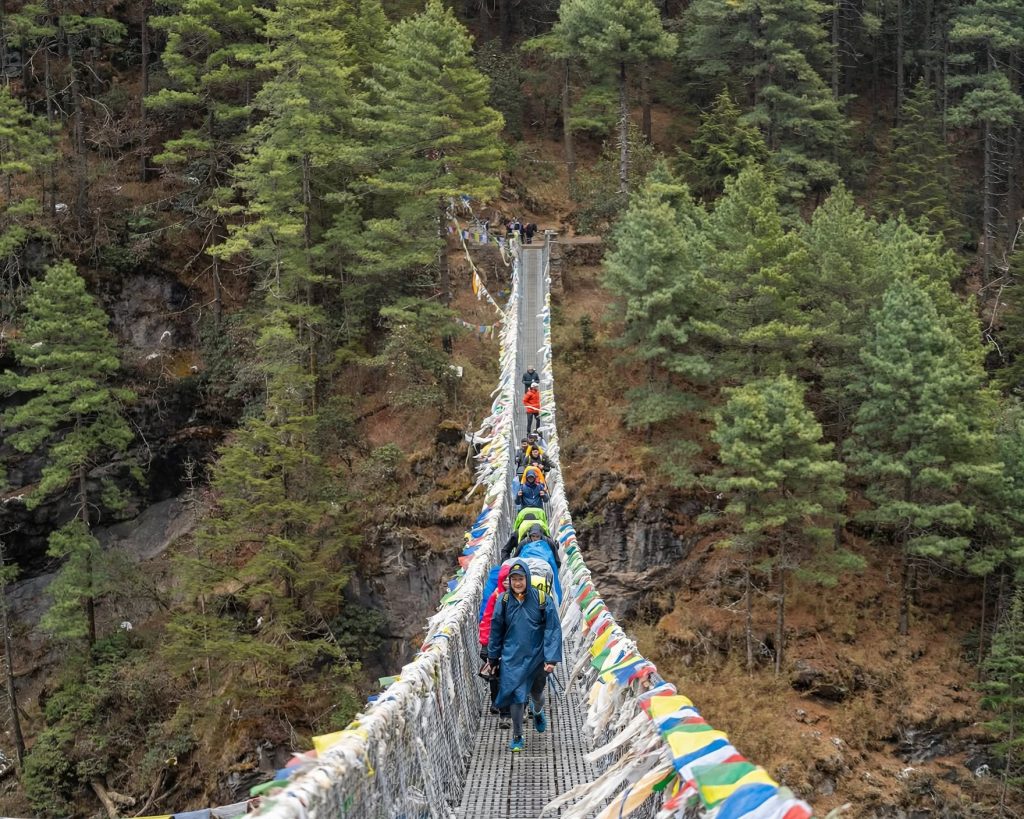
Costs and crowding are the trade. Lodges on Everest Base Camp and the Annapurna corridors fill early, domestic flights to Lukla and Pokhara are heavily booked, and prices rise across the board. If your trip is autumn and your route is famous, book months ahead.
Spring, March to May
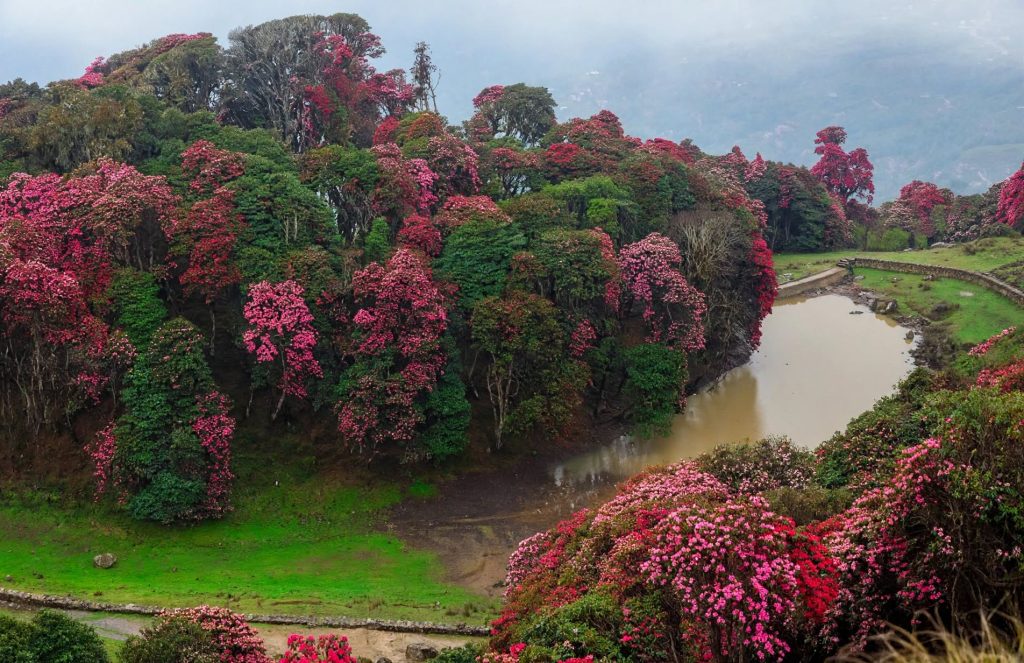
Spring is where the growth is. March 2026 nearly matched the previous October. Rhododendron forests flower between roughly 2,000 and 3,500 meters, expedition teams fill Khumbu and Manaslu base camps, and daytime temperatures climb steadily.
Haze is the honest downside. Pre monsoon dust and agricultural burning across the plains reduce visibility from mid April, particularly at lower elevations. Mornings are clearer than afternoons, so start early.
Winter, December to February
Cold at altitude, often beautiful below it. Kathmandu Valley, Pokhara, Chitwan, and Bardiya are all pleasant, and lower treks such as Ghorepani, Mardi Himal, and the Kathmandu rim remain walkable with proper gear.
High passes are a different matter. Thorong La and the Everest high routes carry snow and cold risk, and lodges at altitude reduce service or close. Verify pass conditions before committing.
Monsoon, June to early September
Rain falls mostly from late afternoon into the night, not continuously through the day. Landslides and road disruption are genuine risks, and domestic flight delays are common.
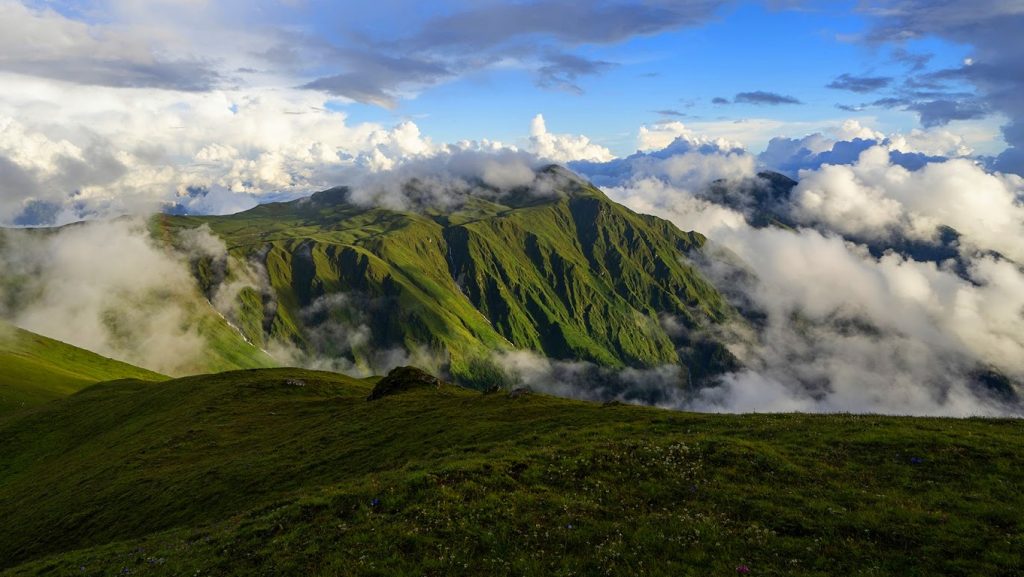
Rain shadow regions change the calculation entirely. Upper Mustang, Dolpo, and Nar Phu sit behind the main Himalayan wall and receive a fraction of the rainfall. Many Nepali travelers have used the monsoon window for these areas for years.
A Practical Comparison
| Season | Mountain views | Crowds | Prices | Best suited to |
|---|---|---|---|---|
| Autumn | Excellent | Highest | Highest | First time trekkers, festivals, classic routes |
| Spring | Good, hazier from mid April | High but spreading | High | Rhododendrons, expeditions, longer daylight |
| Winter | Very good on clear days | Low to moderate | Lower | Low altitude trekking, cities, wildlife parks |
| Monsoon | Variable, often clouded | Lowest | Lowest | Rain shadow trekking, photography, budget travel |
The Shift Is Not the Same Everywhere in Nepal
National arrival totals hide large regional differences, and a traveler planning around them should know where the averages break down.
Kathmandu Valley runs closest to year round. Heritage sites, temples, and the museum and craft circuit work in any month, and winter is arguably the most comfortable time to walk the old towns. Pokhara follows a sharper mountain seasonality, because its main draw is a view that haze and cloud can erase.
Terai destinations invert the hill calendar. Chitwan and Bardiya are most comfortable from late October through March, when grass is cut, wildlife sightings improve, and heat is manageable. May and June are punishing in the plains, with temperatures regularly above 38C.
Eastern districts such as Ilam and Dhankuta hold green landscape through the monsoon and are pleasant in seasons when the high routes are closed. Far western regions, including Rara and Dolpo, carry shorter usable windows, poorer road access, and fewer services in winter.
Community tourism changes the picture again. Villages hosting homestays depend disproportionately on the autumn peak, and the spread of demand into spring and shoulder months is materially good news for them. Steadier income across more months beats a single crowded burst.
What Is Driving the Change
No single factor explains the shift. Several push in the same direction.
- Source market mix. India accounts for roughly a third of arrivals in many recent months, and Indian, Chinese, Sri Lankan, and Bangladeshi travelers follow holiday calendars that do not cluster in October.
- Air connectivity. More regional routes and added frequencies make short, off peak trips practical in a way they were not a decade ago.
- Crowd avoidance. Reporting on congested trails has pushed experienced trekkers toward quieter months and less traveled routes.
- Climate variability. Monsoon onset and withdrawal dates have become less predictable, which blurs the clean edges of the old four season model.
Be careful with that last point. Changing weather patterns are widely discussed in Nepal, but attributing a specific month’s arrival numbers to climate alone is not supported by the data. Visitor behavior and airline capacity explain more of the movement than rainfall does.
What This Means for Your Planning
Start with what you want most, then pick the month.
If clear Himalayan panoramas are non negotiable, autumn remains the safest bet, and late October through November is the sweet spot. Accept that you will share it.
If you want autumn quality with more room, look at late February and March. Data shows the spring build has already happened at the front end of the season, so the second half of March and early April carry heavier traffic than the first half of March.
If budget leads, the numbers point to June and July. Arrivals sit roughly 30 to 40 percent below the October peak, lodge rates soften, and guides have availability.
If you are visiting for festivals rather than mountains, work backward from the festival calendar instead of the weather. Dashain and Tihar move each year against the Gregorian calendar, so confirm dates before booking flights.
Booking Consequences of the Shift
Spreading demand changes practical advice in three ways.
- Book peak autumn earlier than you think. Flat growth does not mean available beds. Capacity on the popular corridors is the constraint, not demand.
- Do not assume spring is quiet. March now behaves like a peak month on Annapurna and Everest approaches.
- Shoulder and monsoon travel needs flexibility, not courage. Build spare days around domestic flights and mountain roads, and buy insurance that covers delay and evacuation.
For route specific timing, our guide to the best time to visit Nepal breaks the calendar down month by month. Travelers considering the wet months should read the Nepal monsoon season guide first, and spring visitors will find the flowering and haze timeline in our spring in Nepal guide. For the broader visitor picture, see our summary of Nepal tourism statistics and top destinations.
Monthly arrival releases and the underlying reports are published by the Nepal Tourism Board, and coverage of each month’s figures appears in Nepali outlets such as The Himalayan Times.
Frequently Asked Questions
Is October still the best month to visit Nepal?
For mountain visibility and festivals, yes. October 2025 remained the single largest month at 128,443 arrivals. Growth has flattened though, and March now comes close, so October is the safest choice rather than the only good one.
Has the monsoon really become a viable travel season?
Partly. July and August arrivals are far above historic monsoon levels, and rain shadow regions such as Upper Mustang and Dolpo stay relatively dry. Road and flight disruption remains a real risk elsewhere, so plan buffer days.
Which month has the fewest tourists?
July is consistently the lowest recent month, at 71,775 arrivals in 2026. Expect the lowest prices and the greenest landscapes, along with the highest chance of delays.
Why are winter arrivals growing so fast?
January 2026 rose 15.7 percent and February set a record. Regional markets traveling outside Western holiday periods, lower altitude itineraries, and improved air connectivity all appear to contribute.
Will spring give me clear mountain views?
Early spring generally will. From mid April, haze from dust and plains burning reduces visibility, especially below 3,000 meters and in the afternoon. Walk and photograph early in the day.
Did the September 2025 protests permanently change travel to Nepal?
The evidence says no. September 2025 fell about 18.9 percent, but October through December all finished above the previous year, with December up 6.69 percent.
How far ahead should I book for peak season?
For October and November on the Everest and Annapurna corridors, several months ahead for lodges, guides, and Lukla flights. Spring on the same routes now needs similar lead time.
Are these figures for all tourists or only trekkers?
They are total international visitor arrivals, which include business travelers, pilgrims, visiting family, and regional travelers. Trekking permit numbers follow a different and narrower pattern.
Dates matter more in Nepal than in most destinations. Explore more of Nepal with NepalVue, save this guide while you plan, and share it with whoever is booking the flights. Follow NepalVue for monthly travel reporting from across the country.


