



The ancient towns of Nepal Mandala hold a deeply rooted place in Himalayan heritage. Known for courtyard brickwork, gilded spires, and vibrant festivals, the valley remains a living museum. Among its spiritual traditions, masked demon dancers known as Lakheys stand out as guardians.
In Newar folklore, Lakheys were once wild, meat-eating demons of deep mountain forests. Over centuries, these primal spirits underwent sacred transformations to become divine protectors. Today, the Lakheys of Kathmandu Valley dance through historic city squares to banish negative energies and bring peace. Understanding these sacred figures reveals how myth, community identity, and spiritual beliefs safeguard an ancient culture.
Mythological Origins of the Demon Guardians
Long ago, ancient settlements faced constant threats from dark forces, disease, and unpredictable nature. Local mythology explains that wild demons often roamed outside human borders. Instead of destroying these spirits, ancestors forged sacred bonds with them.


Through tantric consecrations, community trusts (guthis) welcomed these demon guardians into city life. In exchange for ritual offerings, Lakheys swore sacred oaths to defend children and families. Consequently, every major town developed its own unique guardian lineage across the valley.
Sacred Anatomy: Khawpa and Ghangali
A Lakhey dance is never a simple carnival performance. In Newar culture, the performer undergoes a profound spiritual transformation upon wearing the sacred wooden mask, known as khawpa.
Heavy bronze waist bells, called ghangali, ring loudly with every energetic stride. Local tradition holds that divine energy resides directly within these consecrated artifacts. When the dancer fastens the ghangali and dons the khawpa, the protective spirit takes control of their physical body.
Prominent Sacred Lakheys of the Valley
Each quarter across Kathmandu, Lalitpur, Bhaktapur, and surrounding towns maintains its own distinct Lakhey tradition.
Majipa Lakhey (Kathmandu)
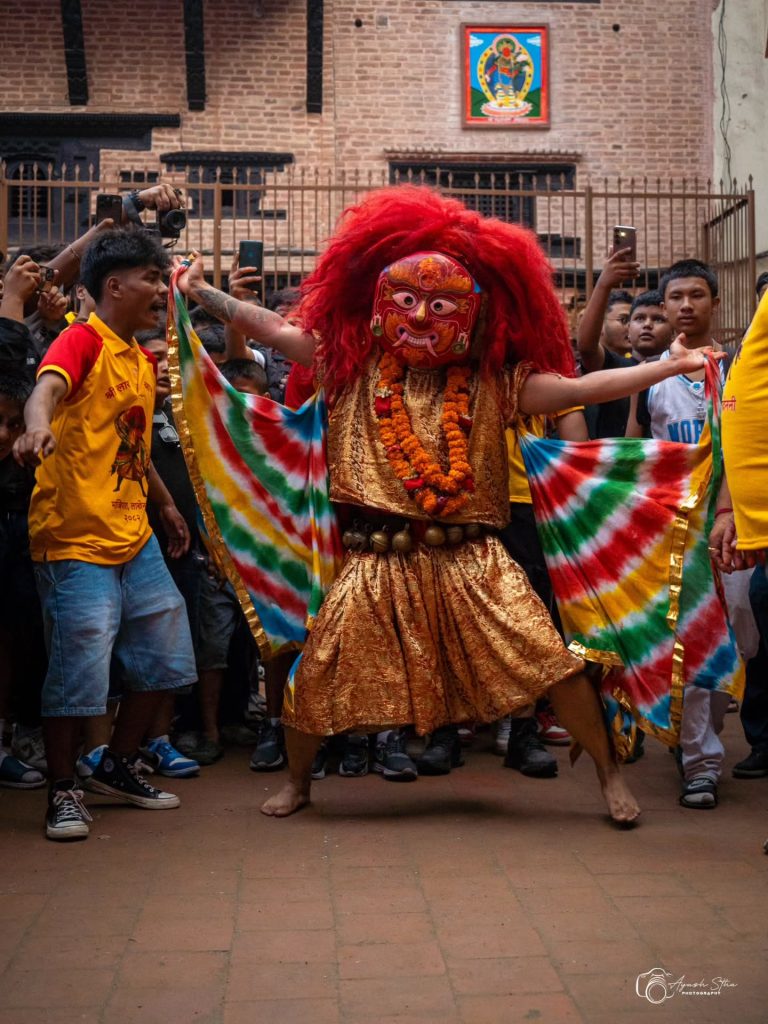
Majipa Lakhey stands as the most iconic guardian among the Lakheys of Kathmandu Valley. Revered as Shanta Bhairava (the Peaceful Bhairava), he appears exclusively during the grand festival of Indra Jatra (Yenya). Legend tells that he fell in love with a local woman and promised to protect the city’s children. Managed by the Ranjitkar community, his energetic dance through narrow alleys remains world-famous.
Mipwa Lakhey (Lalitpur)
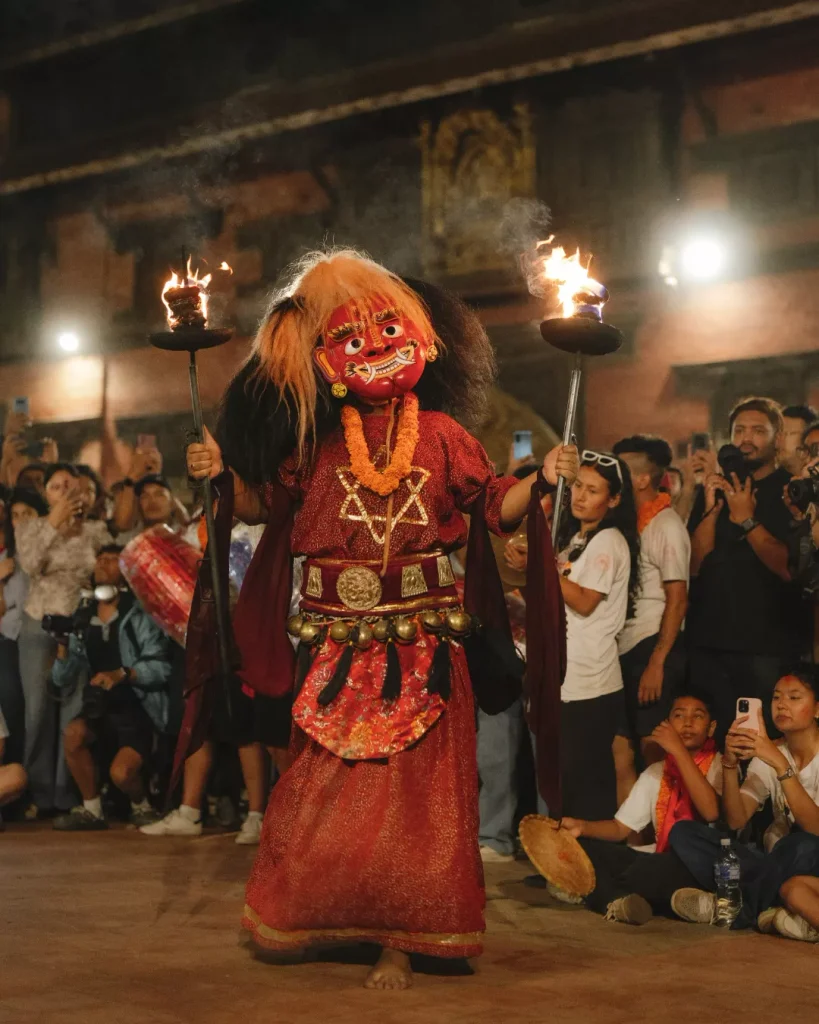
In Patan (Lalitpur), Mipwa Lakhey represents an intense fire-associated spirit. Known for dynamic movements and bold mask expressions, this guardian blesses residential courtyards during monsoon celebrations.
Gunla Lakhey (Ason, Kathmandu)
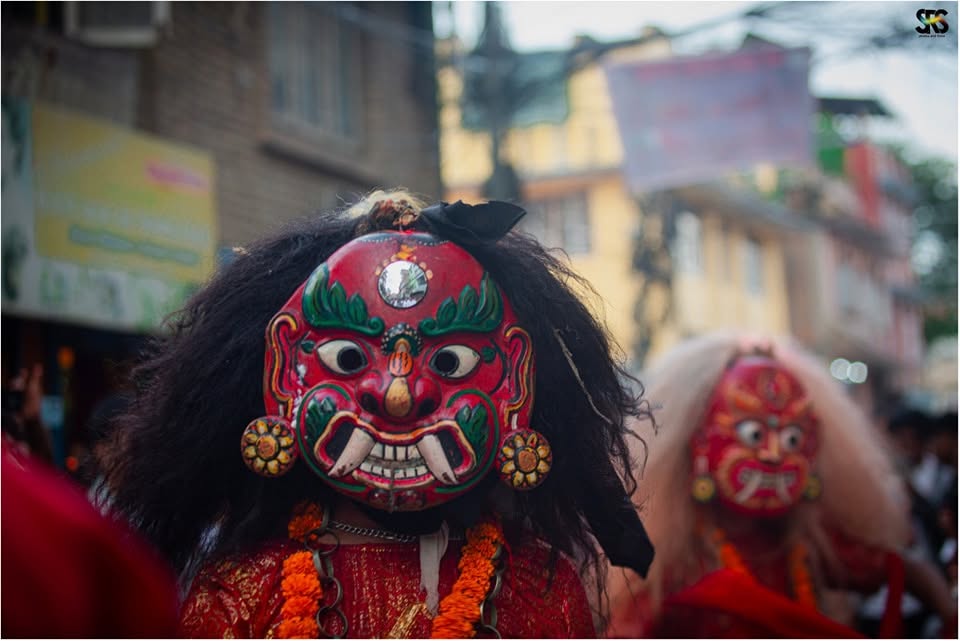
During the sacred month of Gunla, the Gunla Lakhey emerges in the market square of Ason. Moving to traditional Gunla Bajan devotional music, this guardian accompanies Buddhist processions throughout the city.
Bunga Matapwa Lakhey & Panga Lakhey
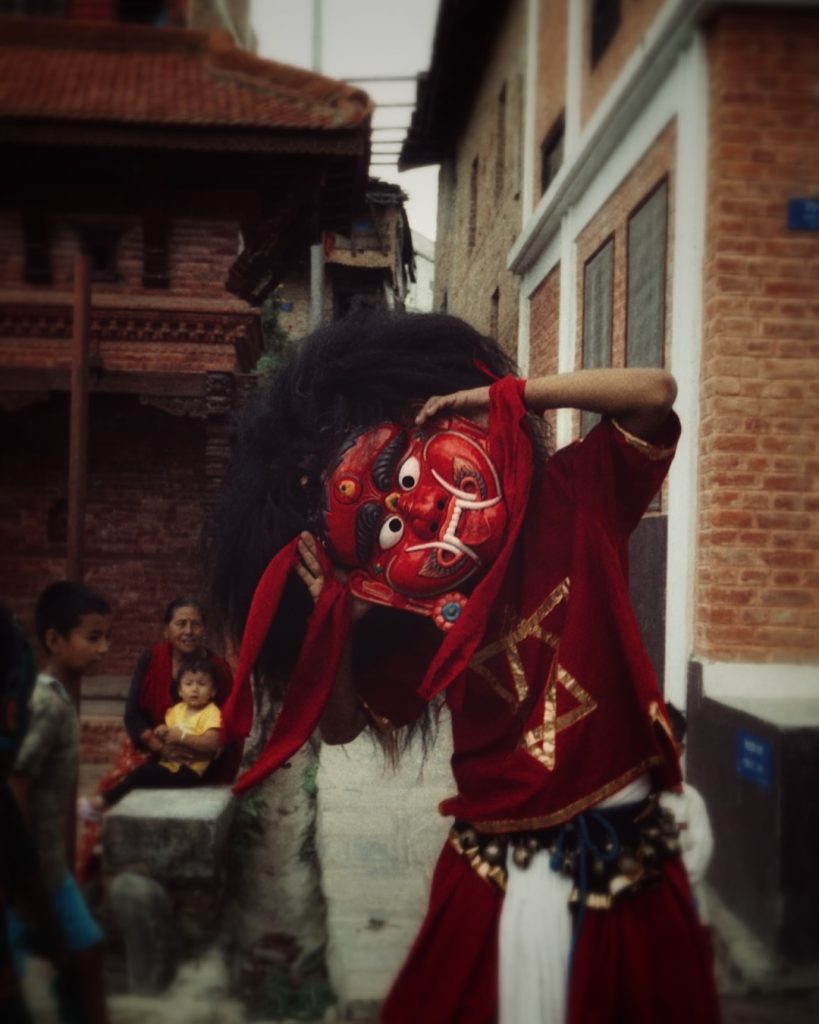
In Southern Kathmandu Valley, Bunga Matapwa Lakhey connects directly to the chariot festival of Rato Machhindranath in Bungamati and Patan. Nearby in Panga, the local Panga Lakhey performs traditional steps to protect ancestral boundaries.
Defaga and Kotajha Lakheys (Kirtipur)
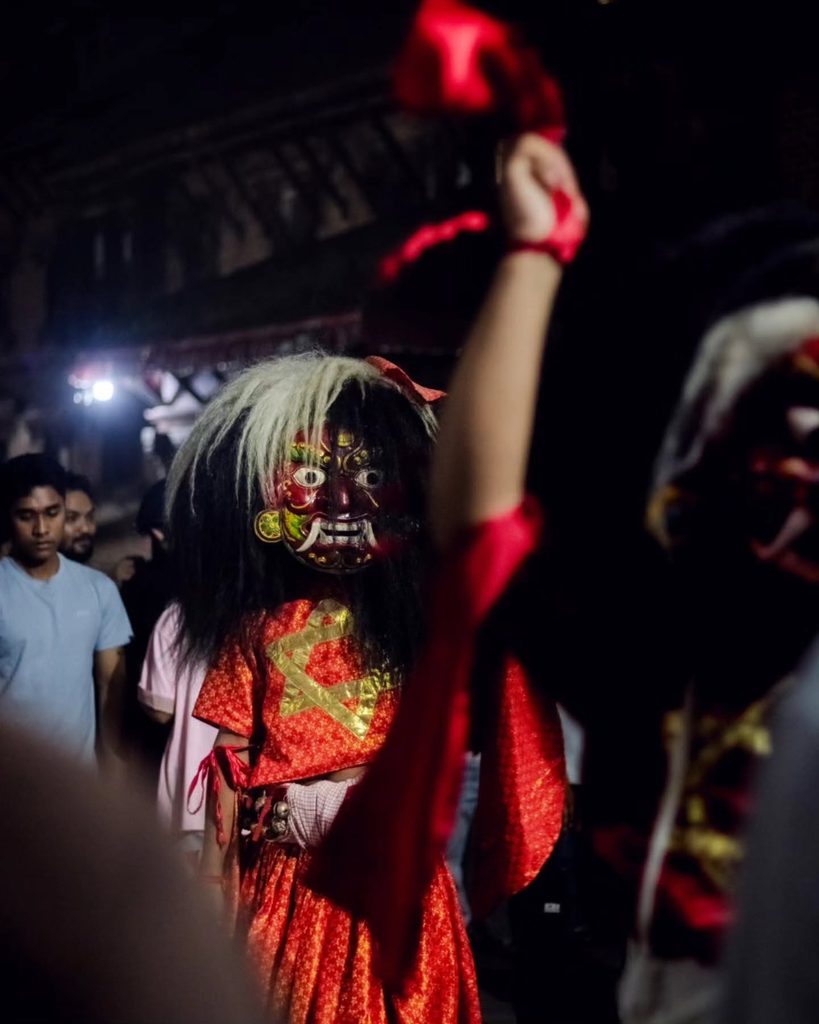
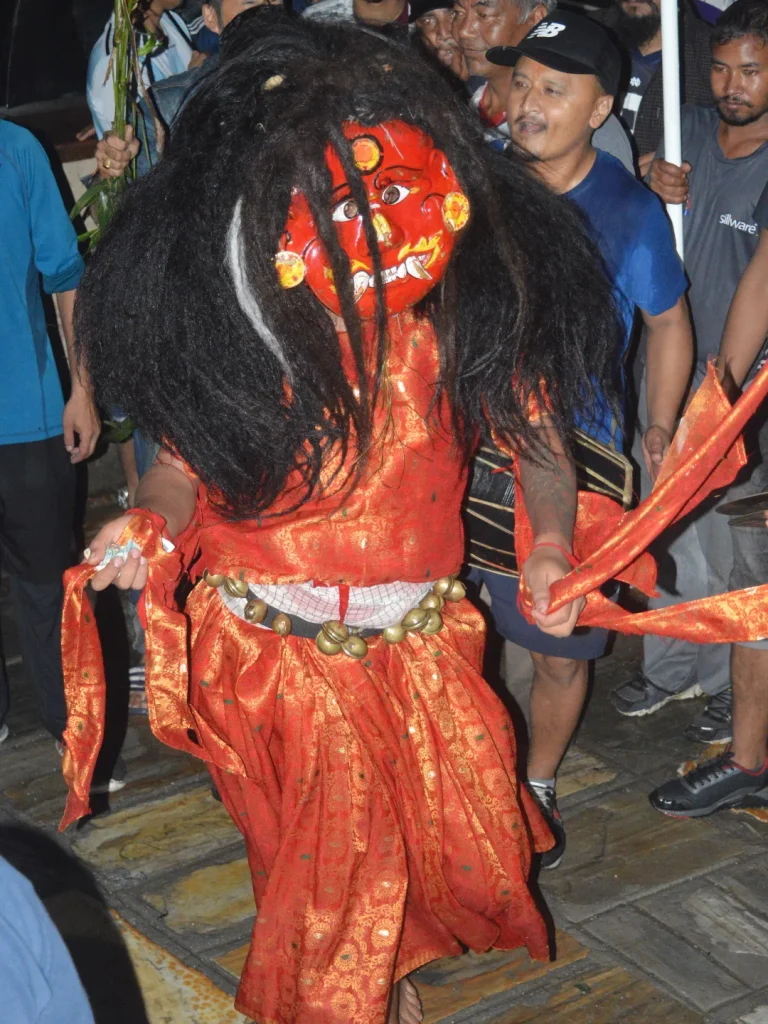
In the historic hill town of Kirtipur, two primary Lakheys originally secured the town boundaries. Defaga Lakhey guards the eastern entrance with fierce male energy, demanding primary worship before any festival dance begins. Meanwhile, Kotajha Lakhey guards the western border with peaceful, happy female energy.
Haa Lakhey (Kirtipur)
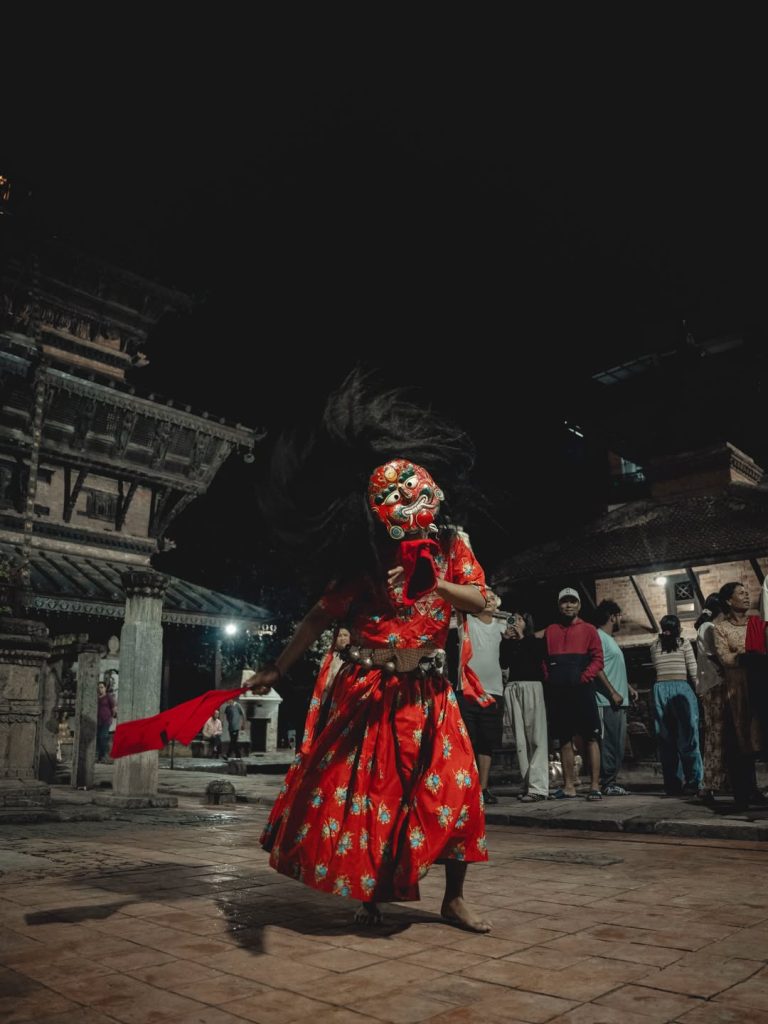
Alongside the original duo in Kirtipur, Haa Lakhey is another revered demon spirit. This guardian performs vibrant street steps during annual neighborhood carnivals.
Lasin Lakhey (Hadigaun)
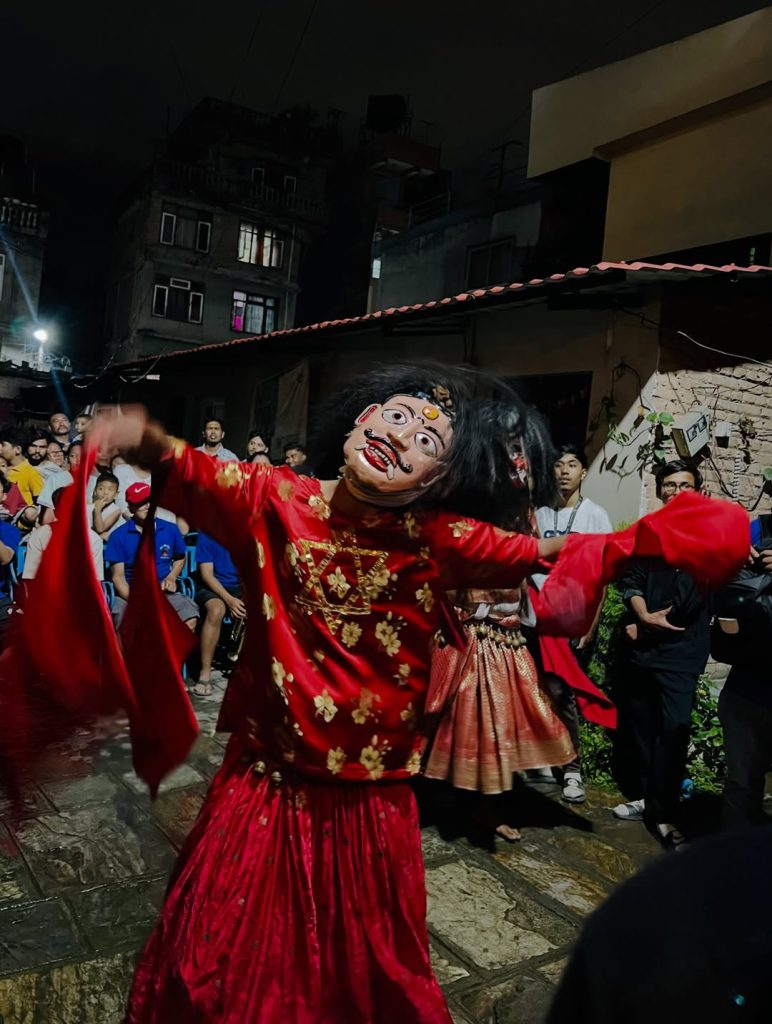
In Newar terminology, a female Lakhey is specifically known as a Lasin. The Lasin Lakhey of Hadigaun displays graceful feminine steps and distinct ritual garments.
Khwopa Lakhey (Bhaktapur)
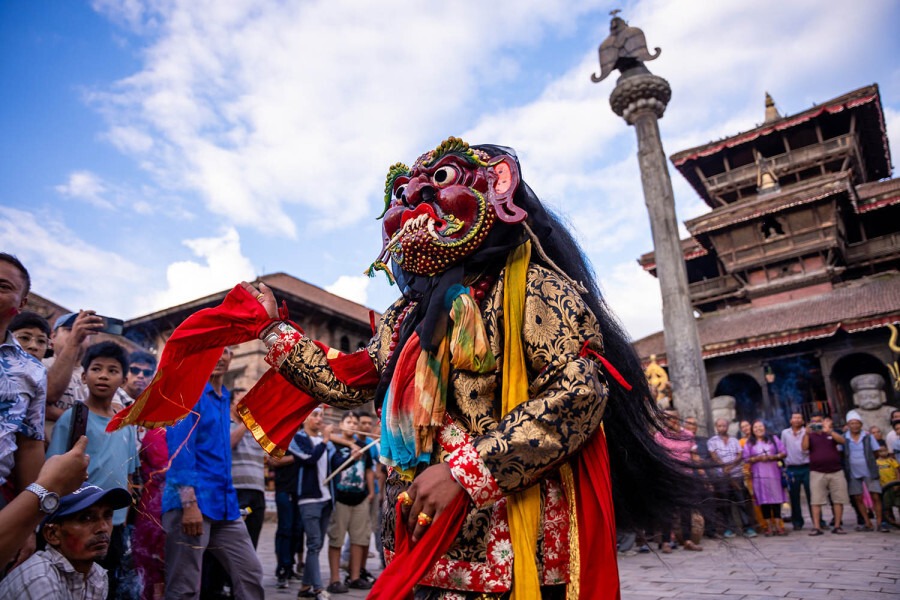
Also called the Bhaktapur Lakhey, Khwopa Lakhey serves as the guardian of the ancient eastern kingdom. After falling dormant for decades following the 1934 earthquake, local communities formally restored this tradition with sacred rituals.
Birampa, Jakha, and Tapkhya Lakheys
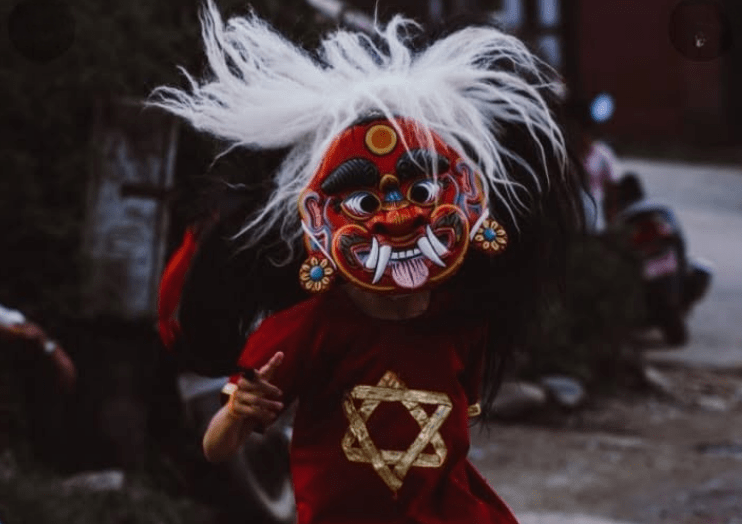
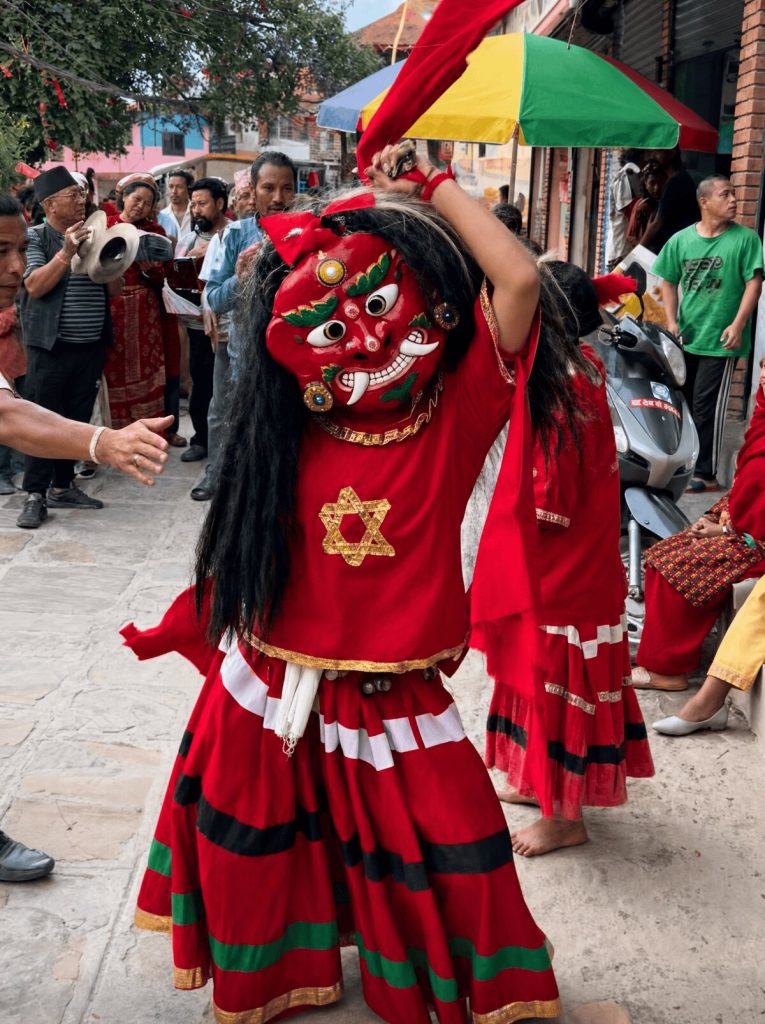
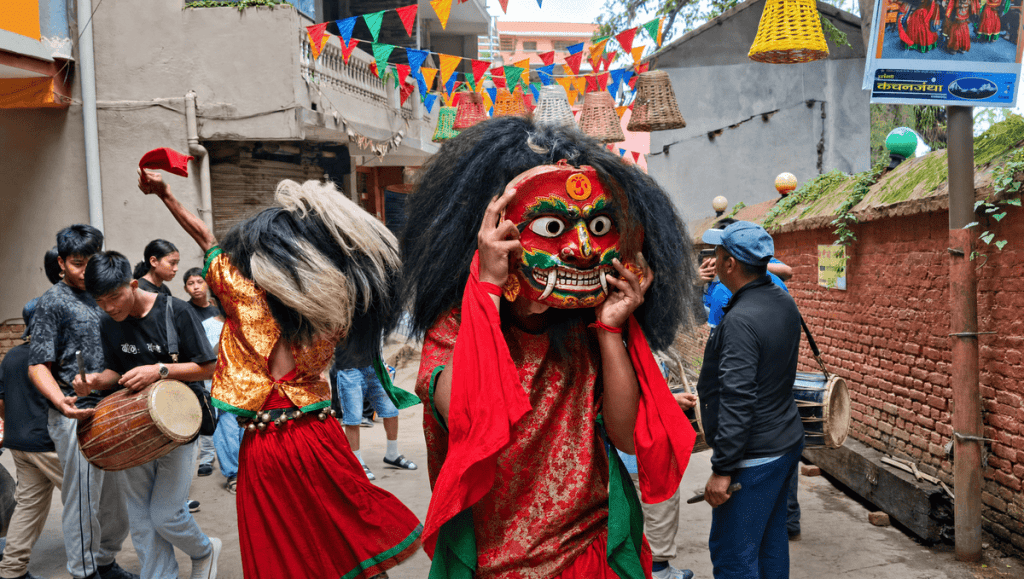
Other neighborhood guardians preserve hyper-local heritage across the valley:
- Birampa Lakhey: Rooted in Khokana, this guardian protects agricultural heritage.
- Jakha Lakhey: A rare community spirit known for distinct drum rhythms.
- Tapkhya Lakhey: A localized guardian group keeping ancestral choreography alive in historic quarters.
Evolution of Neighborhood Community Lakheys
As ancient settlements expanded into distinct residential quarters (toles), communities desired local protection. Consequently, neighborhood guthis established new Lakhey groups to bless street crossways.
In Kirtipur, early community expansion brought forth the Thambahal Lakhey and Kutujhol Lakhey. Later, groups like Gachey, Manatol, Baghbhairav, and Tananii created their own traditions. Each group maintains unique mask features, color schemes, and drum beats while honoring elder guardians.
Cultural Significance in Newar Heritage
The tradition of the Lakheys of Kathmandu Valley reflects a profound philosophical concept: converting wild nature into civilized protection. Rather than banishing fearsome forces, Newar ancestors integrated them into society.
Today, these masked guardians continue to inspire awe across generations. By wearing the khawpa and dancing to traditional drums, local youth preserve an unbroken living heritage.
Frequently Asked Questions (FAQs)
Q1: What are the Lakheys of Kathmandu Valley?
The Lakheys of Kathmandu Valley are masked demon guardians in Newar mythology. Originally wild forest spirits, they were transformed into peaceful protective entities that banish evil during major festivals.
Q2: Who is Majipa Lakhey?
Majipa Lakhey is the most famous guardian in Kathmandu. Revered as Shanta Bhairava, he performs during Indra Jatra to protect children and city streets.
Q3: What is a Lasin Lakhey?
In Newar Bhasa, Lasin refers specifically to a female Lakhey. An example is the Lasin Lakhey of Hadigaun, who performs with distinct feminine dance movements.
Q4: What do khawpa and ghangali mean?
Khawpa refers to the sacred wooden mask, while ghangali refers to the heavy bronze waist bells worn by the dancer. Both artifacts are believed to hold genuine spiritual energy during performances.
Q5: Why are there different Lakheys in each neighborhood?
As historic towns grew into distinct quarters (toles), local social trusts (guthis) created neighborhood Lakheys to protect local streets and lead festival celebrations.


