



Bishwakarma Puja, celebrated on Kanya Sankranti, honors Lord Bishwakarma, the divine architect, ultimate craftsman, and deity of all mechanical arts. Across Nepal, this festival transforms workshops, industrial zones, and road networks into spaces of gratitude for the tools, machinery, and vehicles that power daily life.
During Bishwakarma Puja, devotees often worship and bless their tools, vehicles, and equipment at their own workplaces. However, many also gather at historic shrines, regional temples, and roadside altars for the annual Gadi Puja. These places become important community gathering points for the celebration.
Historic & Dedicated Shrines
1. Patan Bishwakarma Temple (Lalitpur)
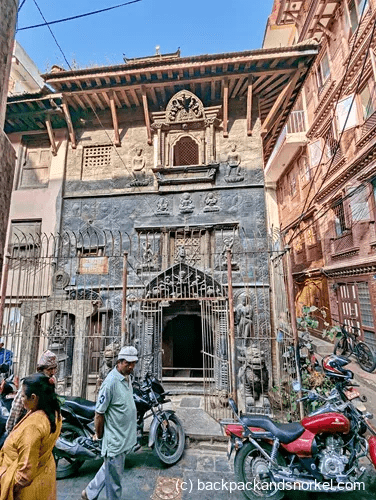
Located in Ticchu Galli; a renowned metalworkers’ lane south of Patan Durbar Square; this historic shrine dates back to 1885. The temple features a distinctive facade crafted from beaten copper, showcasing the skill of local Newar artisans. Situated in the heart of Lalitpur’s metalcrafting quarter, it remains a central place of worship for traditional brass, bronze, and copper artisans during Bishwakarma Puja.


2. Dharan Bishwakarma Baba Temple (Sunsari)
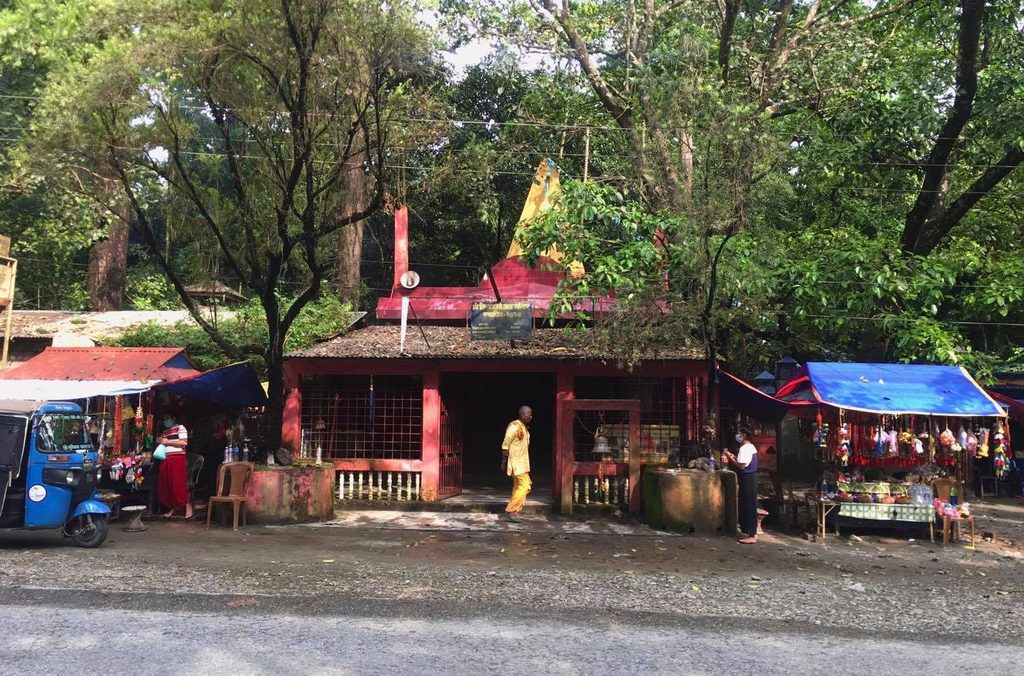
Recognized as one of the largest dedicated shrines for Baba Bishwakarma in eastern Nepal, this temple serves as a major hub for regional devotees, industrial workers, and mechanics. Located near major educational and technical hubs in Dharan, the temple draws large crowds of craftsmen who gather to seek blessings for their equipment and livelihood.
3. Ghorahi Ambikeshwari Premises (Dang)
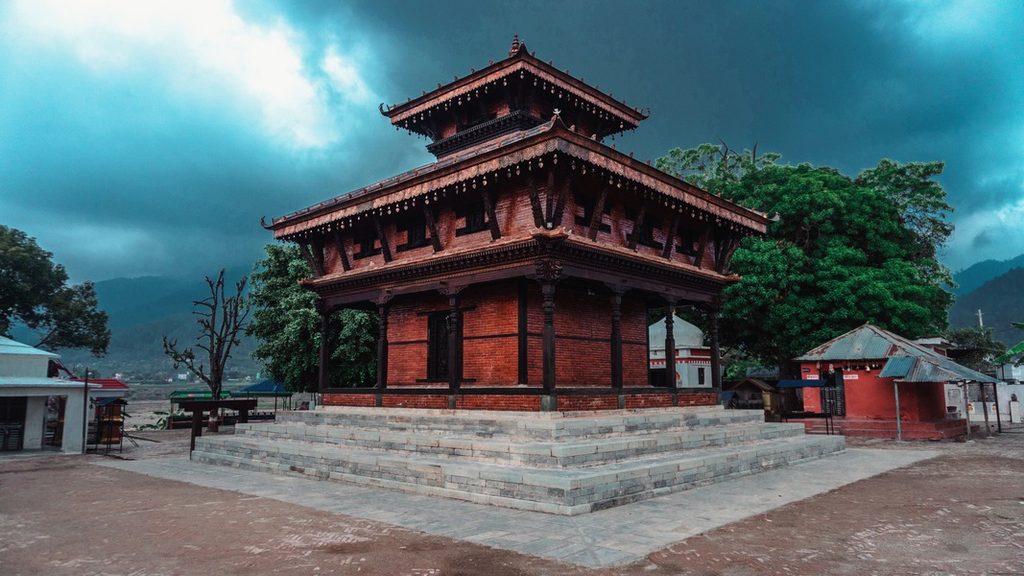
Within the grounds of the historic Ambikeshwari Temple in Dang, a dedicated space is set aside for Lord Bishwakarma. During the festival, local artisans, vehicle operators, and workshop owners from across the Dang valley visit the premises to perform blessing rituals for their tools and transport vehicles.
Roadside Altars & Gathering Grounds
4. Dhankuta Highway Shrine (Koshi Highway)
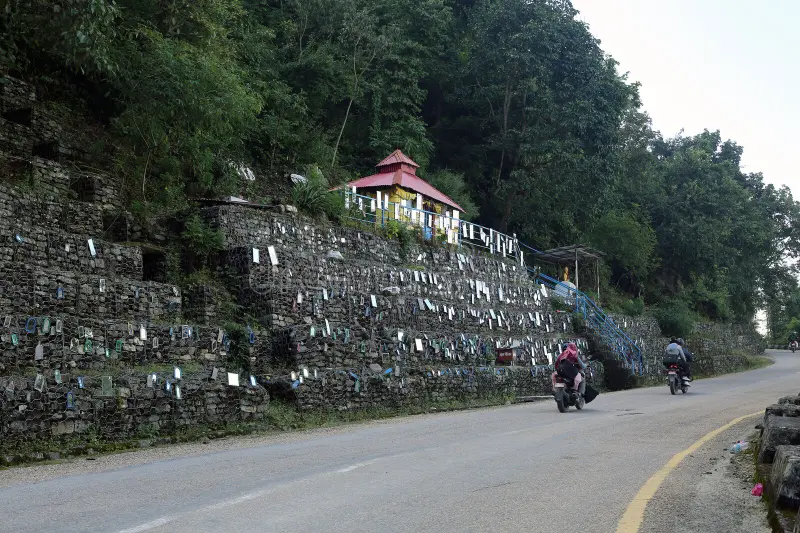
Situated along a mountain curve on the Koshi Highway in Dhankuta District, this roadside shrine holds a unique place in local travel culture. Famous for its altar adorned with hanging mirrors, the site serves as a stop for long-distance drivers and travelers who pause to offer prayers for safe passage along hazardous mountain roads.
5. Bhadrakali Temple Grounds (Kathmandu)
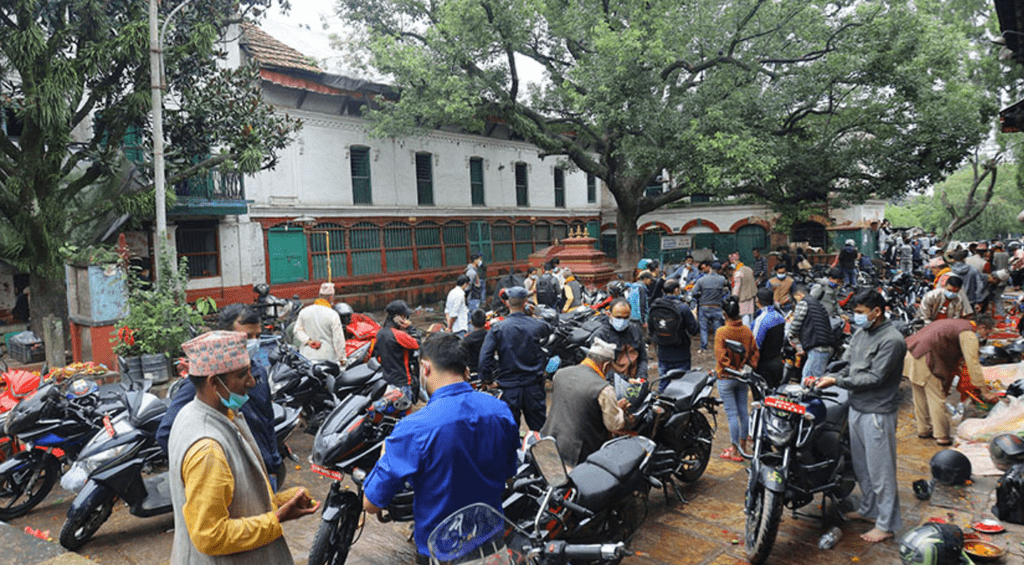
Although not a standalone Bishwakarma temple, the open courtyard surrounding Kathmandu’s Bhadrakali Temple becomes the capital’s central focal point on Bishwakarma Puja. Thousands of vehicle owners bring their motorcycles, cars, buses, and commercial trucks to the temple grounds around Tundikhel to receive ceremonial tikas, floral garlands, and priests’ blessings for safety throughout the year.
6. Bhadrakali Temple (Pokhara)
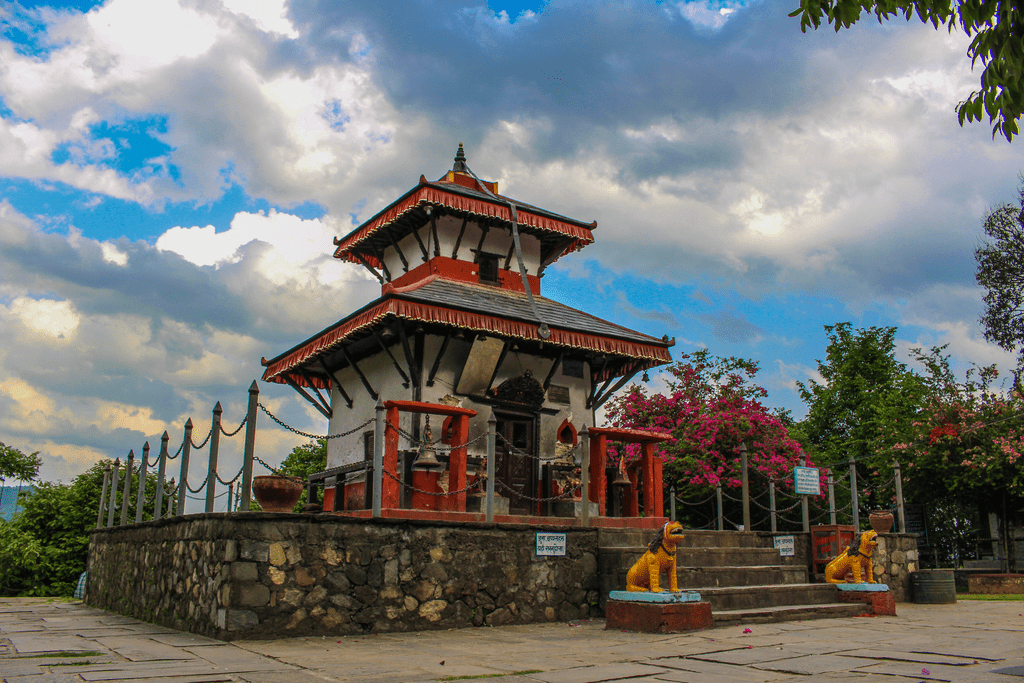
Situated atop a small hillock between Kundahar and Ramghat, Pokhara’s Bhadrakali Temple is the primary destination in the Gandaki province for vehicle blessings during Bishwakarma Puja. Much like its namesake shrine in Kathmandu, thousands of motorcycle owners, taxi drivers, and commercial vehicle operators line the winding access roads leading up to the temple to receive ceremonial tikas, floral garlands, and priests’ blessings for safe travel throughout the year.
The Significance of Sacred Spaces on Bishwakarma Puja
Whether at a centuries-old urban shrine in Patan or a high-altitude highway altar in Dhankuta, these sites reflect Nepal’s deep cultural respect for craftsmanship, labor, and technology. Visiting these locations during Bishwakarma Puja offers a firsthand look at how ancient spiritual traditions integrate with modern mechanical life.
Frequently Asked Questions (FAQs)
Q1: When is Bishwakarma Puja celebrated in Nepal?
Bishwakarma Puja is celebrated annually on Kanya Sankranti, which marks the day the sun enters the Virgo zodiac sign. On the Bikram Sambat calendar, this falls on Ashoj 1 (typically September 17 in the Gregorian calendar).
Q2: What is the main significance of Bishwakarma Puja?
The festival honors Lord Bishwakarma, the divine architect and craftsman of the gods in Hindu mythology. It serves as an occupational thanksgiving day where workers pray for safety, machine durability, technical skill, and smooth operational success.
Q3: What items and equipment are traditionally worshipped on this day?
Devotees clean and perform rituals on:
- Vehicles: Motorbikes, cars, trucks, buses, and tractors.
- Industrial & Electrical Gear: Factory machines, printing presses, generator sets, and construction equipment.
- Personal & Office Tech: Laptops, desktop computers, cameras, and trade tools (scissors, hammers, chisels).
Q4: Where are the major spots for vehicle blessings (Gadi Puja) in Kathmandu?
The open courtyards surrounding Bhadrakali Temple near Tundikhel serve as the main vehicle blessing venue in Kathmandu. Other popular spots include Swayambhu’s outer access roads, Dakshinkali Temple grounds, and major neighborhood shrines.
Q5: Is Bishwakarma Puja a public holiday in Nepal?
Yes, Bishwakarma Puja is recognized as a national public holiday across Nepal, allowing factories, workshops, transport companies, and office teams to conduct collective rituals and celebrations.


