


Four hundred and forty-one. That is the official count of bird species recorded inside a protected area smaller than most city districts, and serious birders keep pushing the tally higher every winter. Koshi Tappu Wildlife Reserve packs more feathered life into 175 square kilometers than almost anywhere else in South Asia, yet most visitors to Nepal never hear its name. They fly in for the mountains, do their trek, and leave. The birders know better.
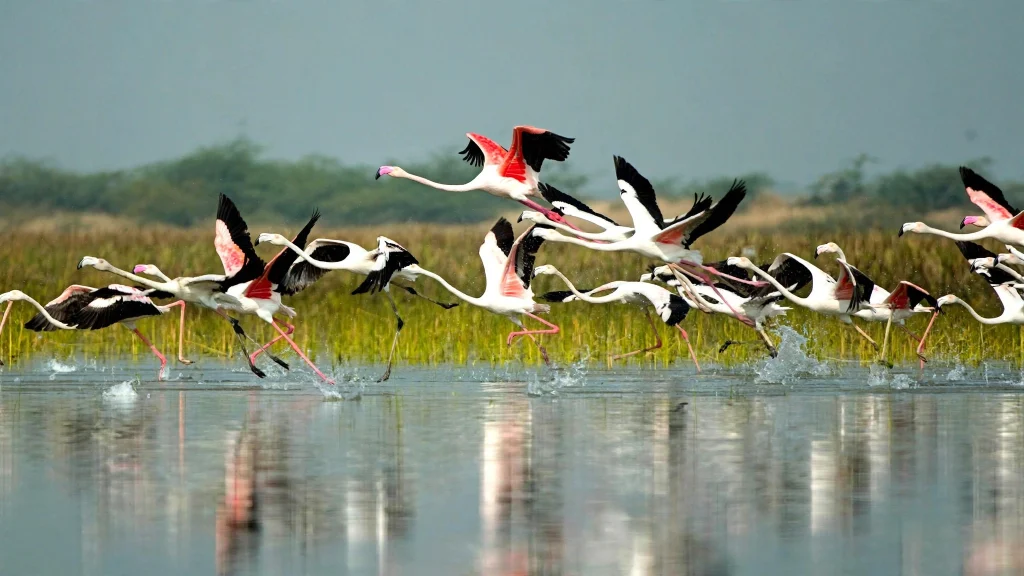
Tucked into the far southeast of the country, along the restless floodplain of the Sapta Koshi River, this is Nepal’s only dedicated wildlife reserve. It is also the smallest protected area in the entire national system. Small does not mean quiet. During peak migration the wetlands here roar with wings.
Why Koshi Tappu Matters More Than Its Size Suggests
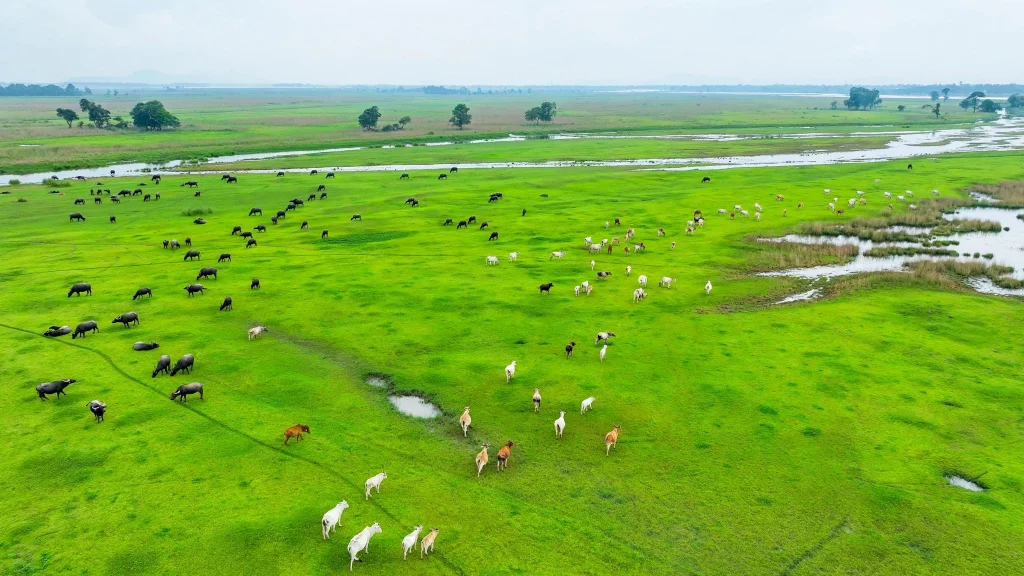
Here is what most guides won’t tell you. The reserve was not created for birds at all. Back in 1976 the government carved out this stretch of riverine grassland to save one animal: the wild water buffalo, called arna in the local tongue, scientifically Bubalus arnee. The population here is one of the last genuinely wild herds left on Earth. Everything else, the staggering birdlife included, came as a bonus.


The reserve sits across three districts: Sunsari, Saptari, and Udayapur. It was designated a Ramsar wetland of international importance in 1987, one of the first sites in Nepal to earn that status. That matters because the Koshi floodplain is a critical rest stop on the migratory highway that runs from Siberia and Central Asia down into the Indian subcontinent. Birds that breed thousands of kilometers north stop here to feed and shelter before pushing on.
Think of it as a bus station for wings. Twice a year the traffic surges.
The Birds: What You Actually Come to See
Let’s talk numbers honestly. Officially, the Nepal Tourism Board lists 441 species. Independent birding groups and recent survey work put the figure closer to 485, and a few enthusiastic tour operators claim even more. Totals shift as new sightings get logged. Either way, the density is extraordinary for such a compact area.
The stars of the show include some genuinely rare birds. Bengal florican, one of the most endangered grassland birds in the world, breeds in these grasslands. Swamp francolin, black-necked stork, dusky eagle-owl, white-tailed stonechat, and the striking red-necked falcon all show up on serious checklists. Waterfowl gather in huge numbers on the river channels and the barrage pond during winter.
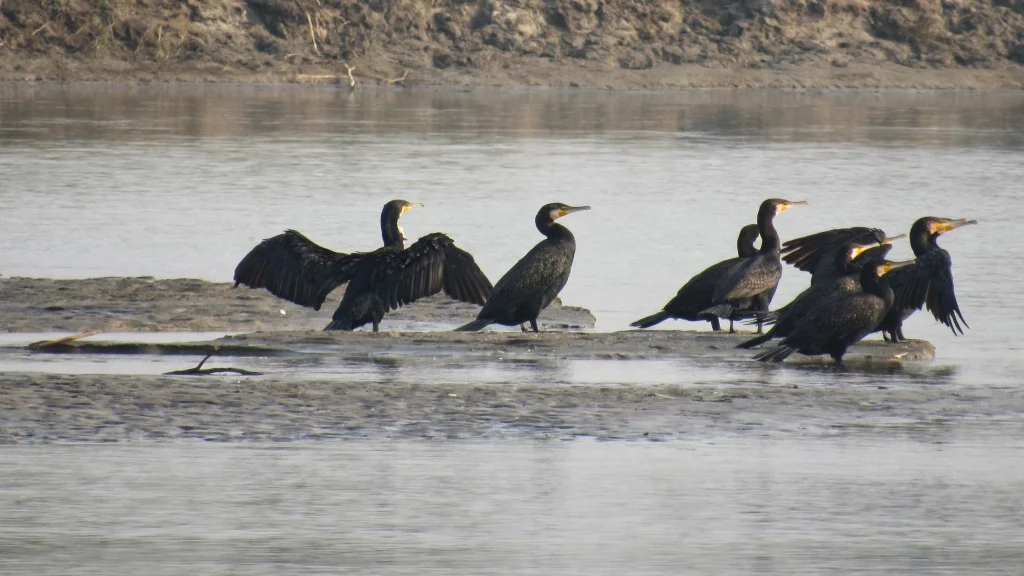
Migratory season runs roughly October through March. If you want the biggest concentrations and the best odds of rare sightings, aim for November to February. That is when the northern visitors are fully settled in and the resident birds are easy to spot against the low winter grass.
Bring binoculars. Bring a guide who knows the calls. The difference between a good day and a life-list day at Koshi Tappu is almost always the person walking the embankment next to you.
It Is Not Just Birds
Wander down to the river early and you might catch something few travelers ever see in Nepal: the Gangetic dolphin. These blind, freshwater dolphins hunt in the murky channels of the Koshi, surfacing with a soft puff of breath. Their numbers are painfully low, which makes a sighting feel like a small miracle.
The reserve also shelters gharial and mugger crocodiles sunning on the sandbars, plus hog deer, spotted deer, wild boar, nilgai (the blue bull), and jackals moving through the grass. And of course the arna, those wild buffalo the whole place was built to protect. You may spot them grazing near the water at dawn. Keep your distance. A wild buffalo is not a farm animal, and it does not want a photo with you.
How to Get to Koshi Tappu
Access is easier than the remote location suggests. Most visitors fly from Kathmandu to Biratnagar, a hop of roughly 45 to 50 minutes. From Biratnagar airport it is about a 90-minute drive, around 40 km, to the reserve. That combination gets you from the capital to the wetlands in a single morning.
Prefer to keep your feet on the ground? Buses run from Kathmandu, but be ready for a long haul. The road distance is close to 500 km and the journey can eat up ten hours or more depending on traffic and road conditions. Overnight buses are the norm. For most travelers the flight is worth every rupee of the difference.
The park headquarters sits at Kusaha, on the eastern side, and this is where most organized visits begin.
Entry Fees and Permits
Entry fees here are refreshingly modest compared to the flights and guides. As of early 2026, the daily entry permit costs NPR 1,000 for foreign nationals, NPR 500 for visitors from SAARC countries, and NPR 50 for Nepali citizens. The permit is single-entry, non-refundable, and non-transferable, so plan your days before you buy.
A licensed guide is more or less mandatory for safaris and strongly recommended for birding. Expect to pay somewhere in the range of NPR 500 to 1,000 per day for one, though rates vary with the season and the guide’s experience. Honestly, this is not a corner to cut. A good naturalist here pays for themselves in sightings.
Things to Do Inside the Reserve
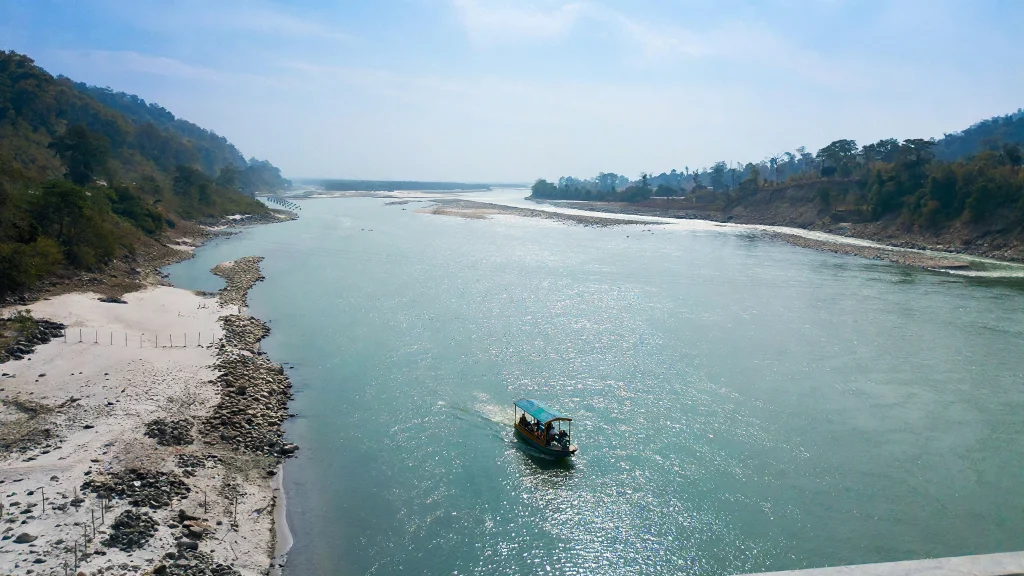
The signature experience is a slow boat or raft ride on the Sapta Koshi. Drifting downstream at first light, you glide past water birds, basking crocodiles, and, if luck holds, the surfacing dolphins. It is calm, quiet, and completely unlike a jeep safari anywhere else in Nepal.
Speaking of which, jeep safaris cover the grassland and forest tracks and give you the best shot at the larger mammals. Then there are the nature walks along the river embankments, which is where most of the serious birding happens. Early morning and late afternoon are golden. Midday heat sends everything, birds and people alike, into the shade.
- Boat and raft trips on the Koshi for dolphins, gharial, and waterfowl
- Jeep safaris through grassland and riverine forest
- Guided nature walks along the embankments for close birding
- Tharu village visits to meet the local community and watch traditional dance
Staying Overnight: Camps and Homestays
Accommodation clusters around the reserve’s fringes. Tented wildlife camps offer safari-style comfort with proper beds, hot showers, and naturalist guides included in the package. These are the pricier, more polished option, and they are excellent if you want everything organized for you.
For something closer to the ground, Tharu homestays in the surrounding villages give you basic rooms, home-cooked meals, and a real window into local life. They cost a fraction of the camps. What you trade in luxury you gain in authenticity, and your money goes straight to the community that lives alongside the reserve. That link between tourism and conservation is not a marketing line here. It is what keeps local people invested in protecting the wetland.
When to Go and What to Pack
October to March is the sweet spot, cool, dry, and thick with migratory birds. April to June turns brutally hot in the Terai, with temperatures often climbing past 40 degrees Celsius. July to September brings the monsoon, when the Koshi swells and much of the floodplain becomes difficult to access. The river here is powerful and unpredictable, and it has a long history of dramatic flooding, so the rainy months are best avoided for a first visit.
Pack light, breathable clothing in neutral colors, a hat, sunscreen, and insect repellent. Mornings in winter can be surprisingly chilly on the water, so throw in a fleece. And whatever you do, do not forget binoculars.
How the Reserve Fits Into a Wider Nepal Trip
Because it sits in the far east, Koshi Tappu pairs naturally with other eastern destinations rather than the central tourist trail. That said, wildlife lovers often combine it with Nepal’s better-known parks for a full picture of the country’s biodiversity. If you are building a nature-focused itinerary, it is worth reading up on the Chitwan National Park experience in the central Terai and the wilder, quieter Bardia National Park safari in the west. For the bigger picture of what lives beyond the mountains, our overview of wildlife across Nepal is a good place to start.
Each protected area tells a different story. Chitwan is the classic rhino-and-tiger safari. Bardia is the remote, tiger-tracking frontier. Koshi Tappu is the wetland, the place where the story is written in wings and water.
Frequently Asked Questions
What is Koshi Tappu Wildlife Reserve famous for?
It is famous above all for birdwatching, with 441 species officially recorded and higher counts reported by birders. It also protects one of the last wild water buffalo populations in the world and shelters the rare Gangetic dolphin in the Sapta Koshi River.
How many bird species live in the reserve?
The Nepal Tourism Board lists 441 species. Recent birding surveys push the figure toward 485, and the total keeps rising as new sightings are logged. Many are migratory birds that arrive from Siberia and Central Asia during winter.
When is the best time to visit for birdwatching?
October through March, with November to February being the prime window. That is when migratory flocks are fully settled and rare species are easiest to spot. Avoid the monsoon months of July to September and the intense heat of April to June.
How do I get to Koshi Tappu from Kathmandu?
The fastest route is a 45 to 50 minute flight from Kathmandu to Biratnagar, followed by a drive of about 90 minutes (around 40 km) to the reserve. By road it is close to 500 km and can take ten hours or more by bus.
How much is the entry fee?
As of early 2026, the daily permit costs NPR 1,000 for foreigners, NPR 500 for SAARC nationals, and NPR 50 for Nepalis. Permits are single-entry and non-refundable. A licensed guide typically adds NPR 500 to 1,000 per day.
Can you see dolphins in the reserve?
Yes, though sightings are not guaranteed. The endangered Gangetic dolphin lives in the channels of the Sapta Koshi River. Early morning boat rides give you the best chance of watching one surface for air.
Where should I stay near the reserve?
Options range from safari-style tented wildlife camps with hot showers and included guides to simple, affordable Tharu homestays in nearby villages. Homestays cost far less and support the local community directly.
Is a guide necessary?
A guide is effectively required for safaris and strongly recommended for birding. A knowledgeable naturalist who recognizes bird calls dramatically improves your sightings, and the daily cost is modest compared to the rest of the trip.