



Every Saturday, the historic neighborhood of Hadigaun in Kathmandu transforms into a lively celebration of community, culture, and sustainability; known as the Saturday Mela. What began on World Carfree Day 2023 has evolved into a weekly tradition where streets come alive with local music, food, traditional games, and eco-conscious energy. With vehicle cleared away, residents reclaim public spaces, creating a vibrant model for people-first urban living that is inspiring cities far beyond Nepal.
Hadigaun’s First Step Towards Change
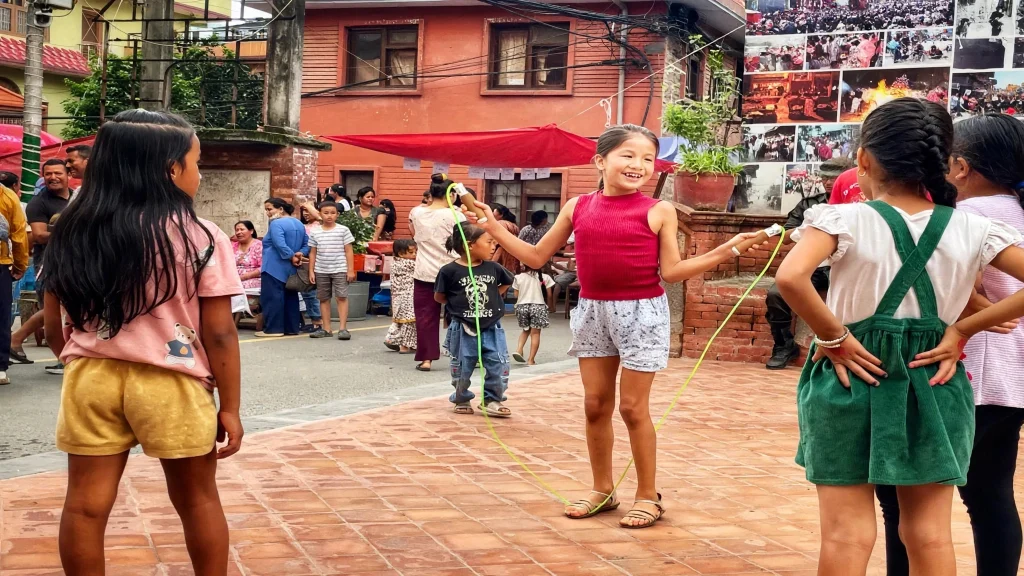
On September 22, 2023, for the first time, Hadigaun boldly embraced the spirit of World Carfree Day. The Saturday mela was much more than a symbolic day without cars. It became a living, breathing experiment in community, environment, and urban renewal.
The initiative was led by the Kathmandu Metropolitan City Office, Hadigaun Ward 5, and most importantly, the community itself. The effort was supported by organizations like Digo Bikas Institute (DBI) and the Environment and Public Health Organisation (ENPHO), who worked hand-in-hand with locals to shape the vision for a sustainable Hadigaun.


DBI played a crucial role from the initial consultation to executing vibrant activities that engaged the neighborhood. Their goal? Not just to remove cars for a day, but to revitalize Hadigaun into a lively, sustainable, and people-centered space.
Workshops, Festivals, and the Magic of Rediscovery
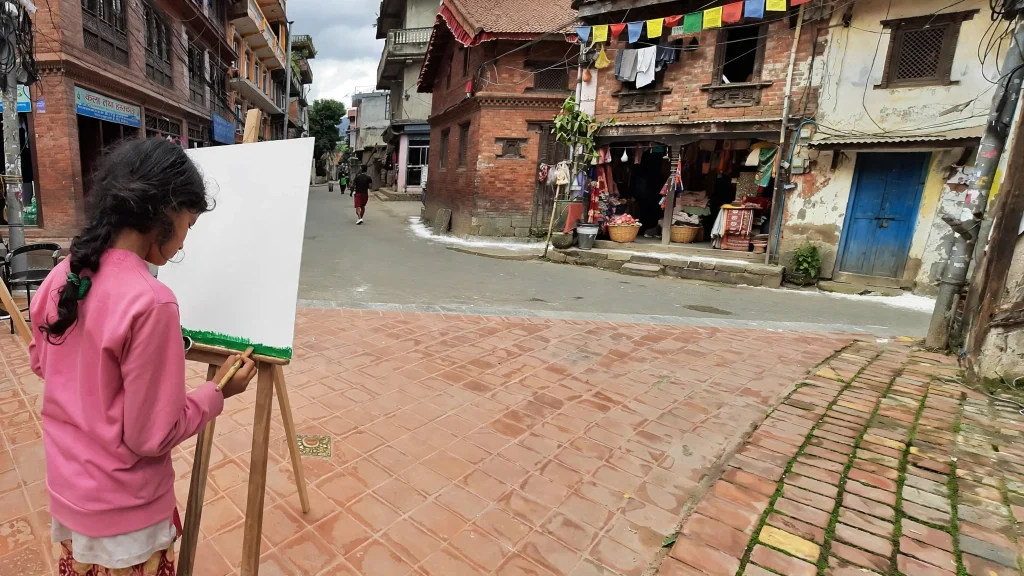
Education was the foundation of the event’s success. Through workshops and awareness programs, residents learned about sustainable mobility, the importance of green spaces, and how individual habits contribute to the broader environmental crisis. Local environmentalists and experts shared insights, and the community eagerly absorbed new ideas, setting a tone for long-term behavioral change.
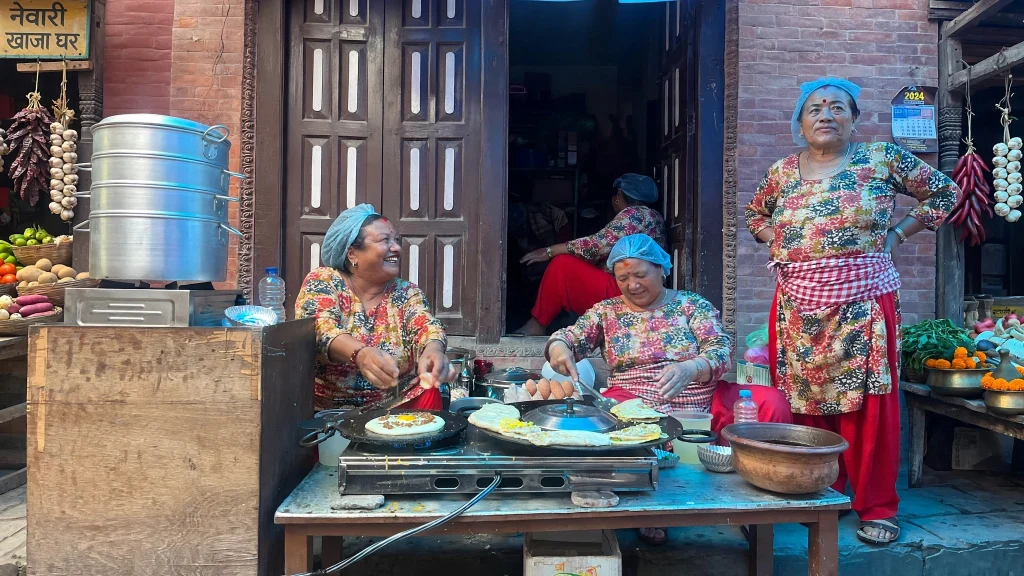
Alongside the learning, street festivals lit up the area. Food stalls served traditional delicacies, artisans displayed their age-old crafts, and the streets buzzed with laughter, music, and games.
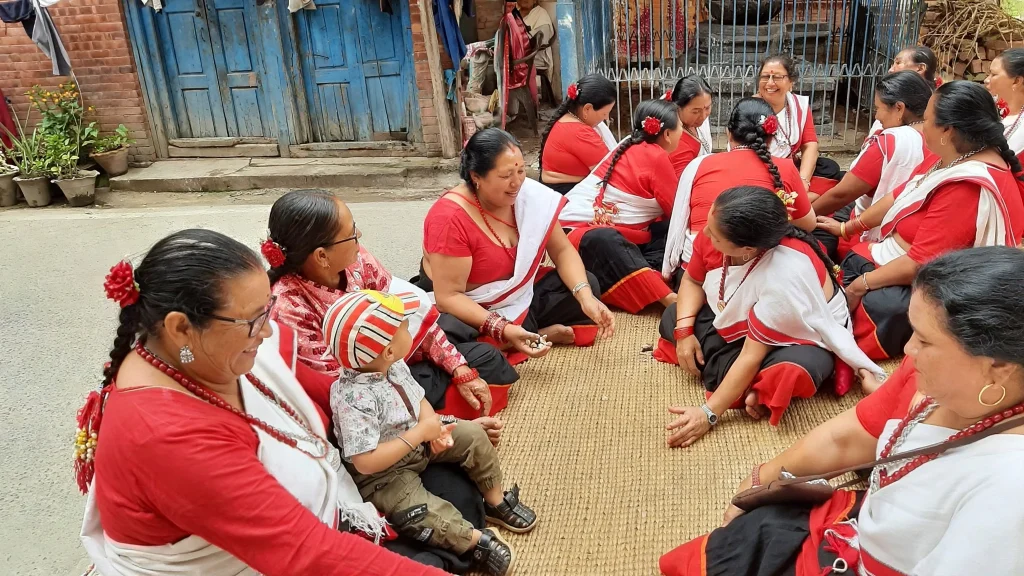
Saturday mela wasn’t just the children who played. Adults, grandparents, and youth alike reclaimed their streets, transforming into carefree, playful versions of themselves, reminiscing about the freedom they once enjoyed as children. It was a beautiful and emotional reminder of how public spaces can nurture human connections when not dominated by vehicles.
The Introduction of “Playborhood” in Hadigaun
A highlight of Hadigaun’s revival was the Playborhood concept. Introduced as part of the neighborhood’s revitalization plan, Playborhood focuses on turning urban spaces into playgrounds; not just for children, but for communities.
In a world where children’s outdoor playtime has drastically reduced, initiatives like Playborhood are revolutionary. They encourage unstructured play, creativity, physical activity, and social bonding.
On World Carfree Day, Hadigaun’s streets transformed into a magical playground featuring:
- Hopscotch
- Jump rope
- Dandibiyo (a traditional Nepali stick game)
- Slow bicycle races
- Human-scale Snake and Ladder
- Tigers and Goats reimagined as Cars and Pedestrians
The creative “Tigers and Goats” game provided a striking analogy. If pedestrians stay unorganized, cars slowly dominate their spaces. But when communities unite strategically, they can reclaim their streets for people once again.
A New Rhythm: Reclaiming Streets for People
Hadigaun’s World Carfree Day wasn’t just a one-off event. It sparked something deeper.
After experiencing the joy and freedom of a carfree environment, residents decided to make it a weekly tradition. Every Saturday, Hadigaun now pilots a car-free, pedestrian-focused community event.
Local businesses set up lively pop-up shops and food stalls, musicians perform live, and families come together, reinforcing the community spirit. This new rhythm isn’t just good for the environment; it’s breathing new economic life into local entrepreneurs too.
Environmental sustainability, cultural revival, social bonding, and local economy; Hadigaun’s initiative touches every aspect of community well-being.
The Bigger Dream: A Permanent Carfree Hadigaun
The ultimate vision is clear: make Hadigaun permanently car-free.
Reviving Hadigaun is not about denying modernity. It’s about creating a better future rooted in culture, sustainability, and human connection. It is about redesigning cities not just for cars but for people, for children, for communities, and for nature.
The residents’ strong commitment signals a broader shift, a movement towards inclusive, sustainable, and vibrant urban living.
As Shail Shrestha from DBI aptly stated, revitalizing Hadigaun isn’t just about designing infrastructure. It’s about the community reclaiming ownership of their spaces, about rebuilding public trust, and about reshaping urban identities.
Why Hadigaun’s Story Matters Beyond Nepal
What is happening in Hadigaun is not just a local story; it is a blueprint for urban centers across the globe. Cities everywhere are struggling with pollution, alienation, and vanishing communal life. Hadigaun shows that with community ownership, vision, and support, transformation is possible.
The journey of Hadigaun offers hope that cities can be people-first, green, and joyful once again.
Final Thoughts
Hadigaun’s experience serves as a reminder that even small actions, when rooted in community spirit, can lead to massive change. By embracing carfree living, Hadigaun is not just saving its heritage; it is building a model for sustainable, vibrant urban life. As the wheels of change turn every Saturday in Hadigaun, they carry with them the dreams of many cities around the world; to reclaim, revive, and rejoice in the beauty of truly living together.
See Nepal in every scroll: Follow us on Facebook, Instagram, and TikTok for stories that bring the country to life.


