



Kathmandu hides a strange architectural secret. Scattered across the valley, grand Neoclassical mansions rise unexpectedly among brick pagodas and narrow streets.
Many Rana-era palaces in Nepal have quietly slipped into private hands over the past century, transformed into hotels, cafes, and event venues. Consequently, you can walk through history without even realizing it.
This guide explores seven such palaces, tracing their journey from royal residences to privately run businesses today.


Why Did the Ranas Build So Many Palaces?
Before exploring individual buildings, it helps to understand the context. The Rana family ruled Nepal as hereditary prime ministers from 1846 to 1951, keeping the Shah kings as mere figureheads. During this 104-year period, the family treated the country almost like private property.
As a result, wealth flowed freely toward personal luxury. Rana rulers competed fiercely for status, importing Italian marble, Belgian chandeliers, and Viennese mirrors for their homes. Many palaces even featured indoor swimming pools, ballrooms, and private menageries of exotic animals.
After the regime collapsed in 1951, ownership of these properties splintered. Some palaces went to the government and became offices or museums. Others, however, passed into private hands through sale, inheritance disputes, or business partnerships. Today, those privately owned palaces offer some of Kathmandu’s most striking architectural experiences.
Hotel Shanker: From Lazimpat Durbar to Five-Star Icon
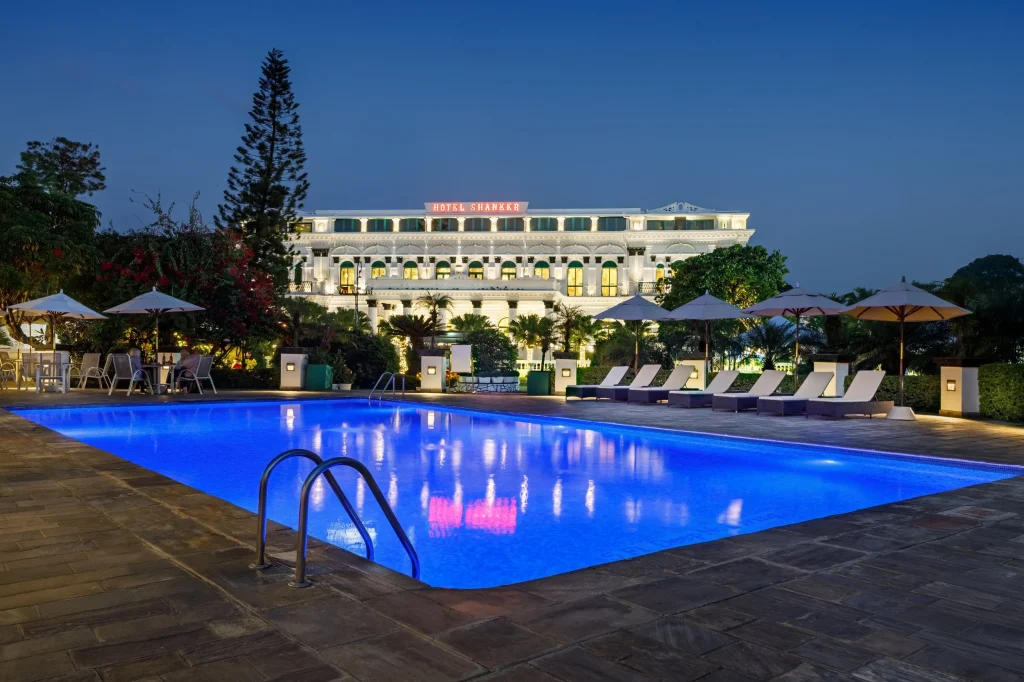
Hotel Shanker sits at the top of this list for good reason. Originally built and occupied by Kaji Bir Kesher Pande, the property was destroyed during an army revolution. Bir Shumsher Rana rebuilt it in 1885, and it became known as Lazimpat Durbar.
Ownership passed through several Rana descendants over the following decades. Eventually, the palace was distributed among Agni Shamsher’s children after his death. One heir, Kendra Shamsher, sold his portion to a businessman named Ram Shanker Shrestha. He then converted the property into Hotel Shanker, a genuinely private venture outside Rana family control.
Today, Hotel Shanker operates as one of Kathmandu’s five-star heritage hotels. Its grand facade and manicured gardens still reflect the palace’s original grandeur, even as it welcomes tourists rather than royalty.
Baber Mahal: A Palace Turned Shopping and Dining Complex
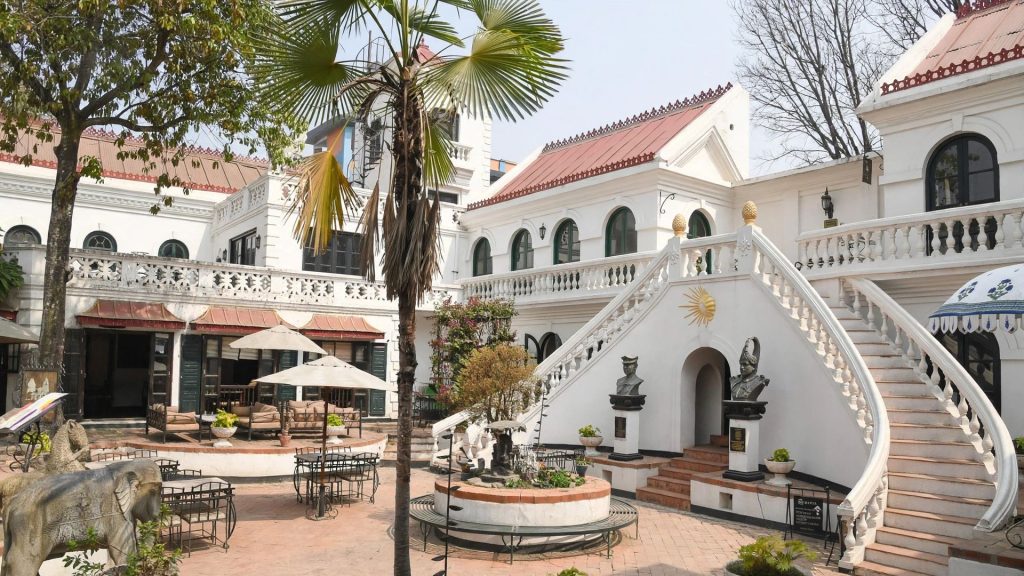
Baber Mahal ranks among Nepal’s oldest and most storied palace complexes. Originally called Thapathali Durbar, the site later came under Jung Bahadur Rana’s control following a series of political upheavals in the 1840s.
In 1910, Chandra Shamsher Rana demolished the earlier structure and rebuilt it for his son, Baber Jung Shamsher. The palace took its current name from him. Descendants continued living on the property for decades afterward.
Then, in 1997, family members transformed the site into Baber Mahal Revisited, a complex of six courtyards filled with restaurants and boutique shops. A seventh courtyard followed in 2016, becoming Baber Mahal Vilas, a boutique hotel still run by Rana descendants today. Unlike Hotel Shanker, this property remains genuinely family-owned, making it a rare example of continuous Rana lineage ownership.
Hotel Yak & Yeti: Lal Durbar’s Modern Transformation
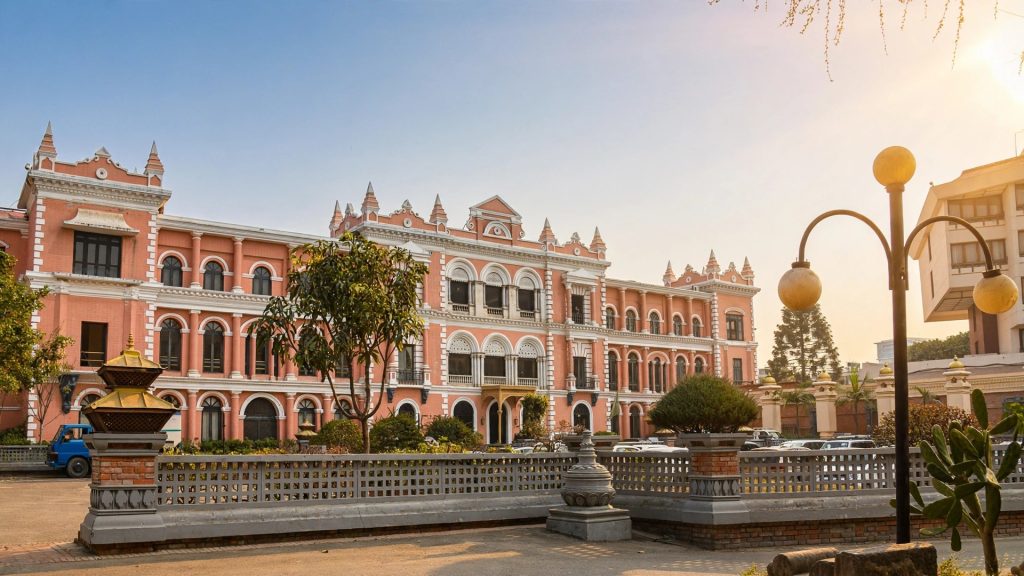
Hotel Yak & Yeti carries one of the most colorful ownership stories on this list. Bir Shamsher originally built Lal Durbar in 1885 for his queen, Top Kumari Devi. For decades, the palace remained a private Rana residence.
Later, a Russian entrepreneur named Boris Lissanevitch entered the picture. Already known for opening Nepal’s first tourist hotel, he partnered with Radhe Shyam Saraf, the current chairman of Hotel Yak & Yeti, to open a hotel within Lal Durbar in September 1977. That partnership marked the palace’s full transition into private hospitality.
Today, the hotel spans 270 rooms and five event halls, blending the original palace wing with modern additions. Because it has hosted decades of dignitaries and travelers, it remains one of Kathmandu’s most prestigious privately run properties.
Shanta Bhawan: From Palace of Peace to Event Venue
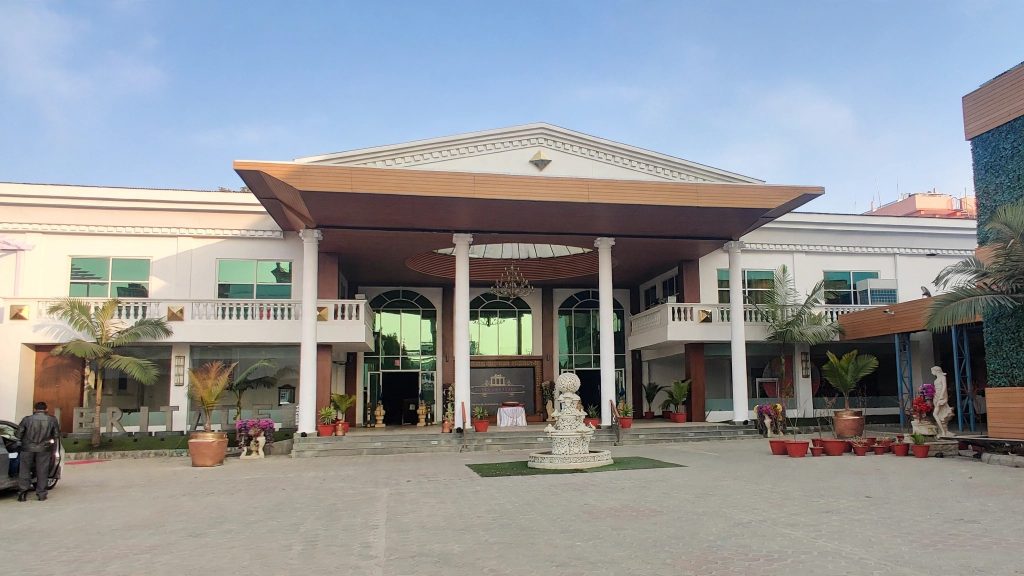
Shanta Bhawan’s history took a particularly winding path. Built for Shanta Shamsher JBR and nicknamed the “Palace of Peace,” the building briefly became a hospital after the Rana regime ended in 1951.
Years later, in 1975, the site transformed again, becoming Gyanodaya Bal Batika School. Unfortunately, the original structure suffered serious damage during the 2015 earthquake. Rather than restoring the historic building, private owners repurposed the land entirely, opening it as the Heritage Garden event venue in 2017.
Today, Shanta Bhawan’s former grounds host weddings, corporate functions, and family celebrations in Sanepa, Lalitpur. While little of the original palace architecture survives, the site remains a popular privately operated destination.
Kaiser Mahal: Split Between Public Library and Private Cafe
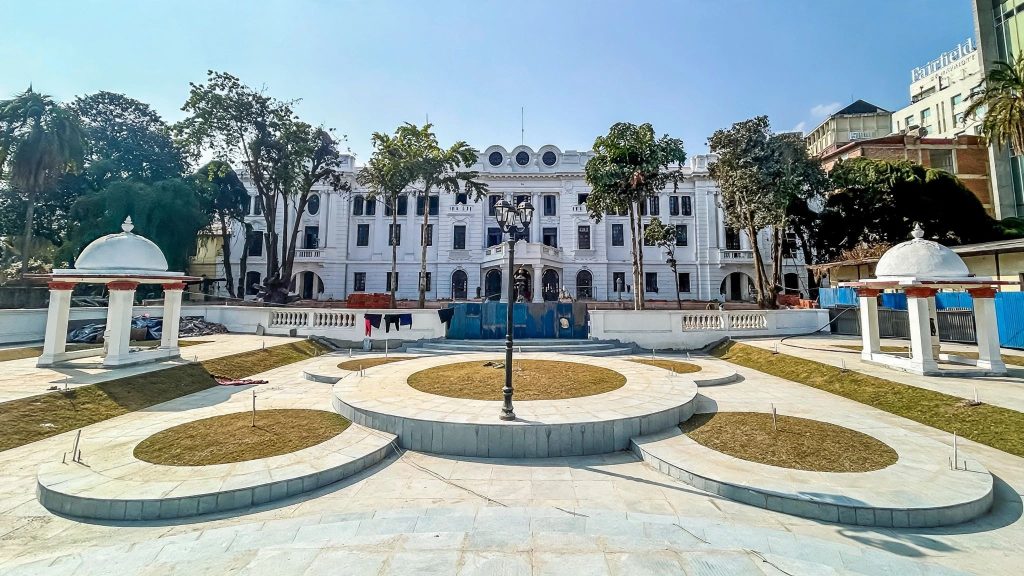
Kaiser Mahal offers a genuinely unique arrangement, split between public and private ownership. Chandra Shamsher Rana first owned the site in 1895 before demolishing it and building a new palace for his son, Kaiser Shamsher JBR.
Today, the Kaiser Library section belongs to the Nepali government, preserving Kaiser Shamsher’s personal book collection for public access. However, the Kaiser Café Restaurant and Bar, located within the same historic compound, operates under private management by the Dwarika’s Group.
This dual ownership model makes Kaiser Mahal an interesting case study. Government stewardship preserves the library’s cultural value, while private hospitality management keeps the surrounding gardens active and accessible to visitors.
Hotel Annapurna: Seto Durbar’s Ongoing Revival
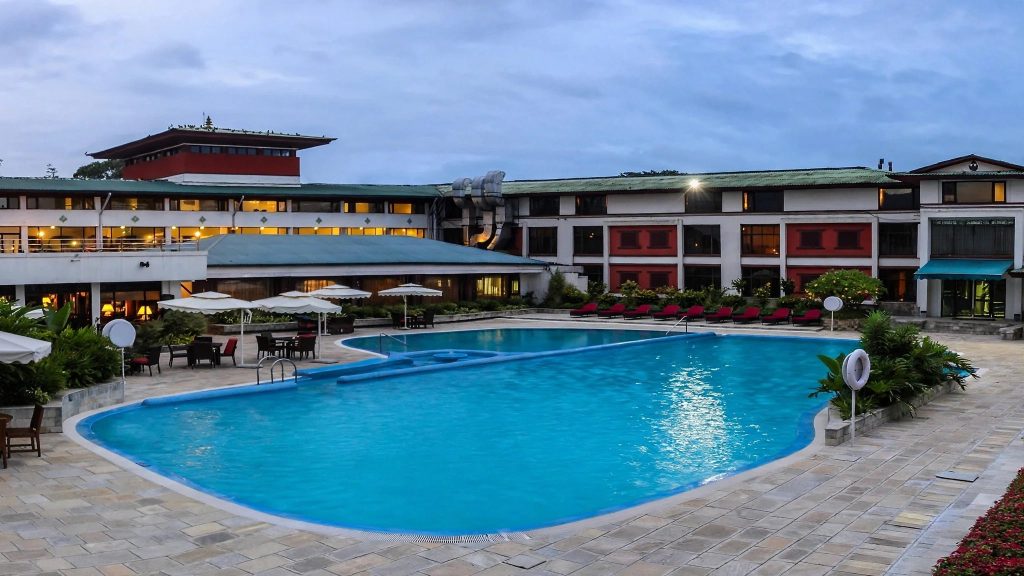
Seto Durbar, once known as Thulo Baithak or the grand state hall, stood south of Narayanhiti Palace after Bir Shamsher Rana built it in 1885. A devastating fire in 1934 forced a rebuild, after which ownership split between government and private interests.
Part of the rebuilt structure became the head office of NIDC Development Bank in 1959. The remaining portion opened as Hotel Annapurna in 1965, quickly becoming one of Nepal’s most prestigious five-star hotels for over five decades.
However, the pandemic hit the property hard. Hotel Annapurna closed its doors in December 2020 due to severe revenue losses. Since then, owner Annapurna Square Pvt Ltd has partnered with ITC Hotels on an ambitious redevelopment plan. The project aims to transform the 44-ropani property into what could become Nepal’s largest hotel, blending heritage preservation with modern luxury.
Rani Mahal: A Palpa Palace Awaiting Its Next Chapter
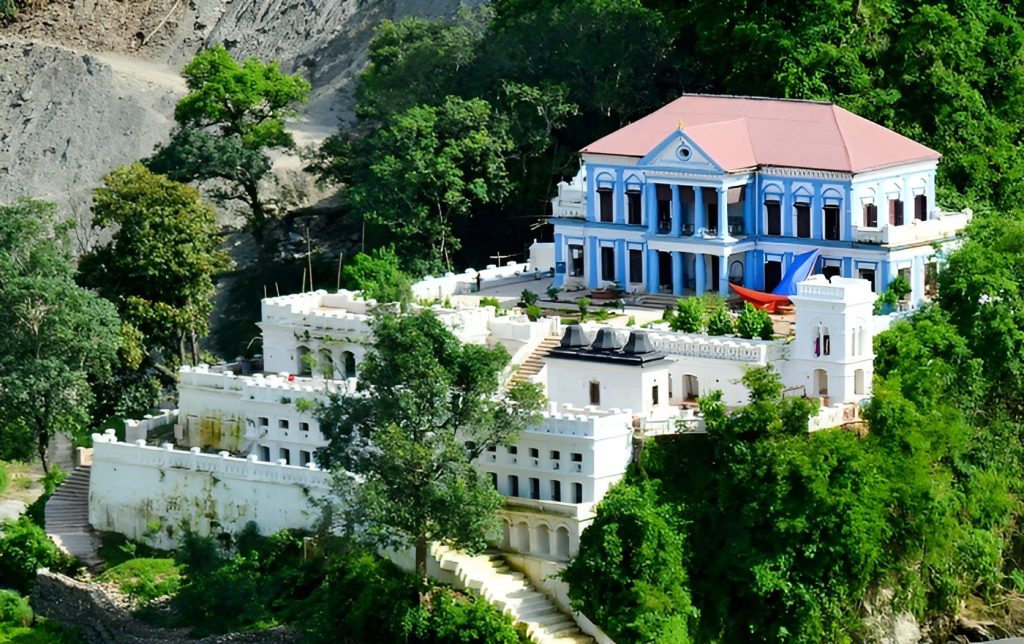
Outside Kathmandu Valley, Rani Mahal in Palpa district tells a slightly different story. Built in 1893 by Khadga Shumsher Rana along the Kali Gandaki River, the palace currently remains under government stewardship through the Department of Archaeology.
Recently, however, officials proposed converting Rani Mahal into a heritage hotel through private partnership, echoing the pattern seen at Kathmandu’s privatized palaces. The proposal sparked public debate, with some groups protesting potential loss of public access to the site. While Rani Mahal hasn’t fully transitioned to private ownership yet, its situation shows how this privatization pattern continues to unfold across Nepal today.
What Happened to the Palaces That Stayed Private But Weren’t Restored?
Not every privately owned palace found a profitable second life. According to heritage researchers, most Rana palaces still held in pure private ownership, without any hotel or business conversion, have fallen into disrepair or ruin. Restoration costs run extremely high, and many private owners simply lack the resources to maintain such massive structures.
By contrast, government-owned palaces have generally fared better. Public funding and institutional oversight have kept many official buildings, like Singha Durbar, in far better condition than their neglected private counterparts. This contrast highlights why hotel and business conversions matter so much for architectural preservation. When private owners find profitable uses for these palaces, the buildings tend to survive. When they don’t, decay often follows.
Visiting These Privately Owned Palaces Today
Fortunately, several of these palaces welcome visitors, even those not staying overnight. Baber Mahal Revisited, for instance, functions as an open shopping and dining complex, so anyone can wander through its courtyards. Similarly, Kaiser Café sits within a public garden setting, making it an easy stop for coffee or lunch.
Hotel Shanker and Hotel Yak & Yeti both welcome non-guests into their restaurants and event spaces, offering a glimpse of Rana-era grandeur without requiring a room booking. Meanwhile, Heritage Garden at the former Shanta Bhawan site typically requires an event invitation or booking, since it operates primarily as a private venue.
If heritage architecture interests you, consider building a short walking tour around several of these sites. Many sit within a reasonable distance of central Kathmandu, making it possible to visit multiple privatized palaces in a single afternoon.
Final Thoughts on Nepal’s Privatized Rana Palaces
Ultimately, these Rana-era palaces in Nepal tell a story bigger than architecture alone. Each building reflects a century of political upheaval, family inheritance disputes, and shifting economic realities. From Hotel Shanker’s outright sale to Baber Mahal’s continued family ownership, the paths to privatization varied enormously.
Meanwhile, ongoing projects like Hotel Annapurna’s redevelopment and Rani Mahal’s proposed transformation show this story isn’t finished yet. So, next time you wander through Kathmandu, take a moment to notice these grand white facades. Behind each one lies a genuinely fascinating chapter of Nepal’s royal past, now quietly continuing under private ownership.
Frequently Asked Questions
Which Rana-era palace in Nepal became a five-star hotel first?
Hotel Annapurna, opened in 1965 within the former Seto Durbar, was one of Nepal’s earliest Rana palace conversions into a five-star hotel, alongside Hotel Yak & Yeti’s later 1977 opening.
Is Baber Mahal still owned by the Rana family?
Yes, Baber Mahal Revisited and Baber Mahal Vilas remain owned and operated by descendants of the original Rana family, making it a rare case of continuous family ownership.
Can tourists visit privately owned Rana palaces without booking a hotel room?
Yes, several properties like Baber Mahal Revisited and Kaiser Café welcome visitors for shopping, dining, or sightseeing, even without an overnight stay.
Why did Hotel Annapurna close in 2020?
Hotel Annapurna closed in December 2020 due to severe revenue losses caused by the coronavirus pandemic’s impact on Nepal’s tourism industry.
What is happening with Rani Mahal in Palpa?
Rani Mahal remains government-owned, though officials have proposed converting it into a privately managed heritage hotel, a plan that has sparked public debate.
Why have some privately owned Rana palaces fallen into ruin?
Many private owners lack the funds needed for restoration, since maintaining these massive historic structures requires significant ongoing investment.


